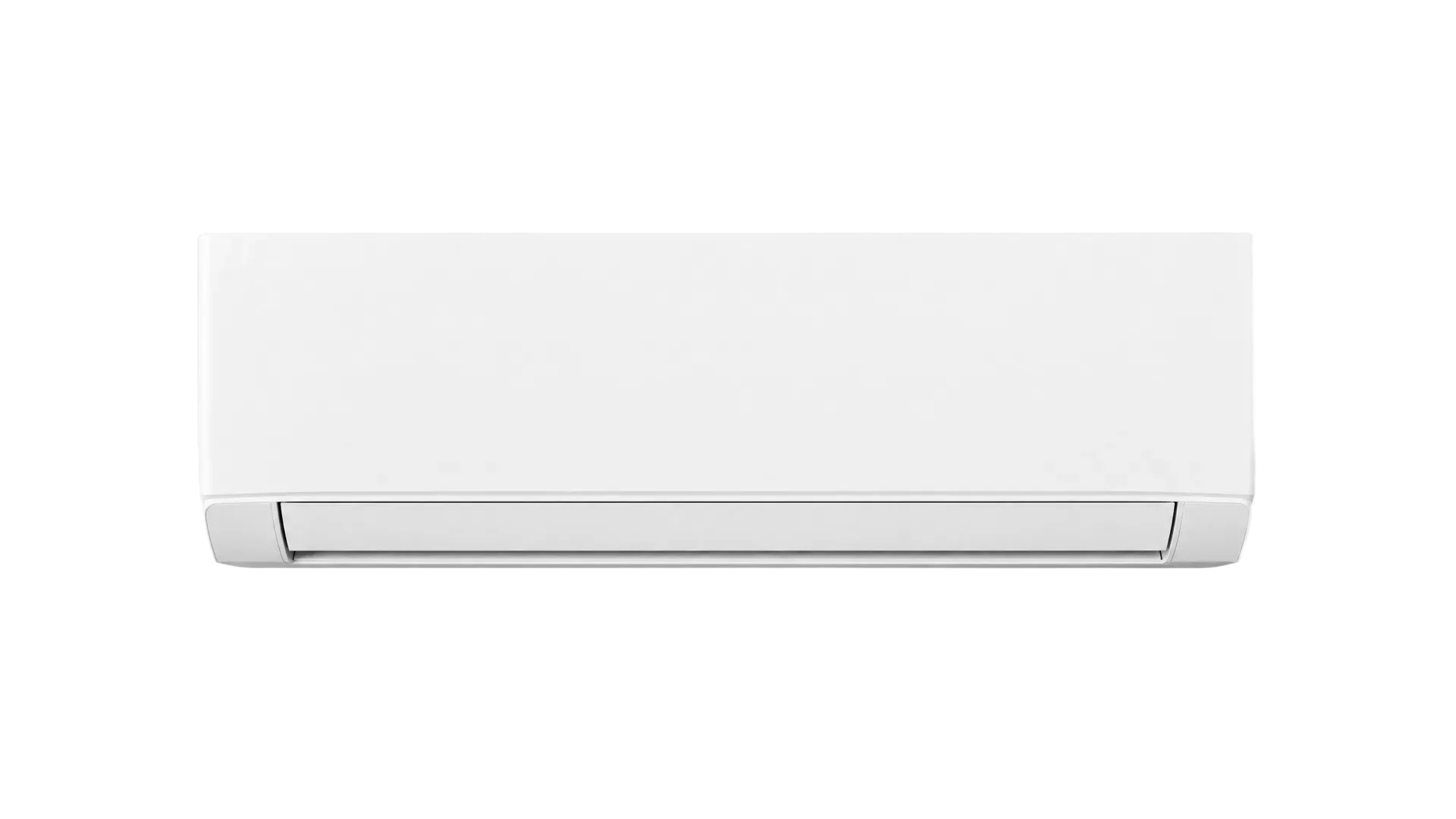









Is a mini split worth it in a California home

A white wall-mounted mini-split air conditioner indoor unit shown straight-on against a plain light gray background.
Connect with a pro

A mini split earns its keep in a California home, but mostly on the heating side. Most houses here run on gas furnaces, and a mini split can replace that gas use with a heat pump that moves heat instead of burning fuel. Since electricity here costs more than almost anywhere else, that swap only pays off if it cuts your gas use enough to offset what you spend running the unit. Where a mini split tends to disappoint is cooling. Summers here are warm but not humid, so the big selling point of a mini split, pulling moisture out of thick, sticky air, isn't doing much work for you. You still get fast, zoned cooling for a room that never feels right on the central system, and that alone makes it worth it for plenty of homes. Whether it is worth it for yours depends on what it is replacing and which rooms it needs to cover.

A white wall-mounted mini-split indoor unit high on a beige interior wall, with a potted olive-like tree at right and an armchair and window visible through a doorway at left.
A clean mini split keeps the heat pump cycle efficient, holding down the electric bill it was meant to lower.
A wall-mounted mini-split air conditioner indoor unit with visible dust and staining, installed on a beige interior wall below white crown molding.
A unit caked in dust around the vents loses airflow, so it draws more power to do the same job.

How a mini split moves heat

  • A mini split uses a compressor outside and one or more air handlers inside, with no ductwork moving the air between them.
  • Refrigerant lines run through a small hole in the wall, so the outdoor unit can sit well away from the rooms it serves.
  • Each indoor head has its own thermostat, which lets you heat or cool one room without running the whole house.
  • In heating mode, the outdoor unit pulls heat out of the outside air and moves it inside, even when it's cool out.
  • The same refrigerant cycle runs in reverse for cooling, so the switch between heating and cooling is just a setting change.
  • An inverter-driven compressor adjusts its speed to match the room's demand instead of just switching fully on and off.

A mini split does its work with refrigerant, not flame. The outdoor unit holds the compressor, and that's the part driving the whole cycle. Inside, one or more air handlers hang on the wall or ceiling, each one tied back to the outdoor unit by a thin set of refrigerant lines run through a small hole in the wall. No ducts, no air handler buried in an attic. In heating mode, the refrigerant absorbs heat from the outside air, even air that feels cool to you, and carries it inside where it gives that heat up through the indoor coil. Flip the system to cooling and the cycle runs backward, pulling heat out of the room and releasing it outside. It's the same hardware doing both jobs, just reversed. The compressor itself is inverter-driven, which means it ramps its speed up and down to match what the room actually needs instead of slamming on at full power and shutting off again. That matters for a house with a gas furnace and no ductwork built for cooling, since the mini split doesn't need that ductwork to begin with. It also matters room by room. Each indoor head reads its own thermostat, so a bedroom that's empty all day doesn't have to run just because the living room is occupied. You heat or cool what you're using, and nothing else.

A gray-haired bearded man in a dark coat and scarf dusted with snow stands smiling in a dimly lit entryway with a white front door, a side table with a lit lamp, an oval mirror, and a patterned rug.
An older bearded man in a dark snow-dusted coat and gray scarf stands just inside a dimly lit home entry, with a framed picture, lit table lamp, and an adjoining room with a fireplace behind him, and snow visible through the open door.
A gray-haired, bearded man in a dark snow-dusted coat stands smiling in a dimly lit entry hall with a staircase, a lit table lamp, a framed picture, and a living room visible through a doorway.
An older man with gray hair and a beard, wearing a dark jacket dusted with snow, stands smiling in a dimly lit hallway with lamps and a living room visible behind him.

The right pro for this job

Send the form and the search for an installer is over.

No charge to send it. You decide if you hire them.

A gas furnace turns fuel into heat, so every therm it burns is the ceiling on what you get back as warmth.

A heat pump moves heat that's already outside into the room, which is why it can deliver more heat than the electricity it uses would produce on its own.

A dusty, stained white wall-mounted mini-split air conditioner indoor unit installed high on a plain off-white interior wall near the ceiling.
Before you get your mini split installation
A white wall-mounted mini-split air conditioner unit installed high on a beige interior wall below white crown molding, with a window and woven shade at the left edge showing green foliage outside.
After you get your mini split installation

What you'd notice

The gas furnace stops running and the mini split handles the room on its own, heat and cooling both. You get zone control room by room instead of heating the whole house to warm one. No ducts to leak air into the attic or crawlspace before it ever reaches you. The wall unit hums quietly and the temperature holds steadier than a furnace cycling on and off. If a room sits unused most days, you stop paying to heat or cool it at all.


What it puts at risk

If the unit goes in sized wrong for the room, it short cycles or it can't keep up on the coldest nights, and either way the electric bill climbs without the comfort to show for it. A mini split left unmaintained loses the efficiency that justified switching off gas in the first place. And if the household stops checking the filters or the outdoor coil, the system draws more power than a well kept one to do the same job, which matters more here with electricity priced the way it is.

A woman wrapped in a thick beige fleece blanket sits on a sofa with an open book on her lap, beside a lit table lamp, with a frost-covered window behind her.
A gray-haired woman in a cream knit sweater stands in a dimly lit kitchen at night, looking to her right, with a round loaf of bread in the foreground and a dark window and potted plant behind her.

One room, gas furnace off

Running a mini split for a single bedroom or addition instead of firing up the whole furnace means you heat the space you're using and leave the rest of the house alone.

Get my match

Whole house, same mini split

Asking one or two indoor units to cover the whole home means rooms farther from the air handler may not hold temperature as evenly as the furnace did.

Get my match

Power costs 31.35 cents per kilowatt-hour statewide

At that rate, every kilowatt your mini split uses costs more than it would almost anywhere else. That's what makes the heat pump side of it worth something: moving heat instead of burning power to make it keeps your bill from tracking the rate hike one for one.

EIA-861 2025 statewide residential average

A white wall-mounted mini-split air conditioner on a beige interior wall, with a window at left showing trees and a wooden fence, and dark wood flooring below.

Working clean

A mini split with clear vents pulls air through easily and holds its heat pump cycle where it should be. The room reaches temperature without the compressor straining, so it draws the power it was designed to draw and the electric bill reflects that.

A white wall-mounted mini-split air conditioner indoor unit with dark louvered vents, installed near the ceiling on a beige wall below white crown molding.

Caked in dust

A unit like this has lost airflow around the louvers, so the compressor runs longer to move the same heat. It pulls more power at a rate where every extra kilowatt shows up on the bill, and the filter and coil behind that casing are doing less than they should.

A smiling man in a denim shirt and white t-shirt stands in an open dark doorway of a stucco house, facing a woman with long brown hair and a green jacket seen from behind in the foreground.

So is it worth it

For a California home heating with gas, a mini split is worth it. It takes over the work a furnace does by burning fuel and does it by moving heat instead, which is why it can get ahead of what electricity costs here. The savings show up on the heating side first. On cooling, it gives you zone control and a quieter run than ducts ever did, even without the heavy air you'd be fighting back east.

What happens next depends on your place, your current setup, and what size unit the rooms actually need. That's not something to guess at from a search page. Send in what you have and a contractor who installs these for a living will reach out and work it out with you directly. You won't be the one tracking down who's available or who knows the equipment. That part is off your plate once you ask.

A gray upholstered sofa with a matching cushion sits beside a potted plant and a wooden table holding a small green plant in a stone pot, near a curtained window.
A white wall-mounted mini-split air conditioner on a dark gray interior wall above a gray sofa, with a window and curtain at left, a potted olive-like plant at right, and a black vase and bowl on a table in the foreground.

A mini split pro near you

Send the form and stop researching installers for the new mini split.

New system or replacementMini-splitCalifornia
Step 1 of 2

What ZIP code is the job in?




