
Heat Pump Repair in California
California's winter nights are milder than in 45 of the other 49 states.
Tell us about the job
Takes about a minute. No obligation.
- 40°Fwinter overnight low where people live
- 7 monthsof heat, November through May
- 87°Fsummer afternoon high where people live
- 4 monthsof cooling, June through September
Severe weather here outpaces most states Outdoor units take the brunt of it
- Western counties need about 59% more heat than eastern ones
- Winter nights average 40°F where people live
- Summer afternoons average 87°F where people live
- Heat runs November through May
- Cooling runs June through September
- 1,816 winter storms from 2015 to 2024


Half of California's homes were built in 1976 or earlier
Electricity in California costs more than it does in 48 other states.
A heat pump that's losing efficiency or running longer than it should will show up fast on the power bill here, so it's worth having someone look at it.
The month before the season is the month to call
A weak part fails quietly in low demand, then fails outright when the system has to run hard
May is the month to get a heat pump looked at here. Heat runs November through May, and a part that's been weak all winter tends to fail quietly in low demand before it fails outright. Waiting until the cold comes back means finding out the hard way. The same is true heading into summer. Cooling starts in June, and a unit that struggled last September will likely struggle again in the first hot stretch. A repair done before the season starts gets proven out before the home actually needs it, not after.
California is not one climate when it comes to running a heat pump. Homes across the western counties need about 59% more heat over a year than homes to the east, so a unit on the coast is working harder to keep a home warm over a year than one further inland, even though winters there feel milder on a given day.
The gap widens at the extremes. Alpine County needs about 8 times the heat over a year that Imperial County does, and Imperial County has the lowest heating need anywhere in the state. A heat pump in Alpine County spends far more of the year on its heating cycle than the same unit would in Imperial.
Cooling splits the state the other way. Homes across the southern counties need about twice the cooling over a year that homes across the north do, which means more hours on the compressor and outdoor coil each summer for a home in the south.
Afternoon temperatures track the same divide. Eastern counties average 91°F on summer afternoons, against 85°F across the west, and Imperial County runs hottest in the state through June, July and August. A unit cooling a home there is working in conditions much of the state never sees.
Where a home sits changes what's likely worn first. A heat pump in a high-heat county like Alpine has probably logged more hours on its heating side and defrost cycle than one near the coast. A unit in a high-cooling county in the south has probably logged more hours on the cooling side than one further north. Start the diagnosis with whichever side of the system has been doing the work.
What does a heat pump in California face?
How hot do summer afternoons get?
87°Faverage afternoon high where people live
Alaska66°F
Arizona101°F
How cold do winter nights get?
40°Faverage overnight low where people live
North Dakota4°F
Hawaii65°F
How many months does the heat run?
7 monthsof heating a year
Hawaii0 months
Alaska12 months
What does electricity cost?
31.97¢per kWh (kilowatt hours, the unit on an electric bill), what homes paid in 2024
North Dakota11.51¢
Hawaii42.86¢
How often do storms hit?
239severe weather events per county from 2015 to 2024
Alaska5
Wyoming1,057
How many homes lost power for a day or more?
17%of homes in 2024
Arizona7%
Maine54%
A milder climate means less strain on the unit
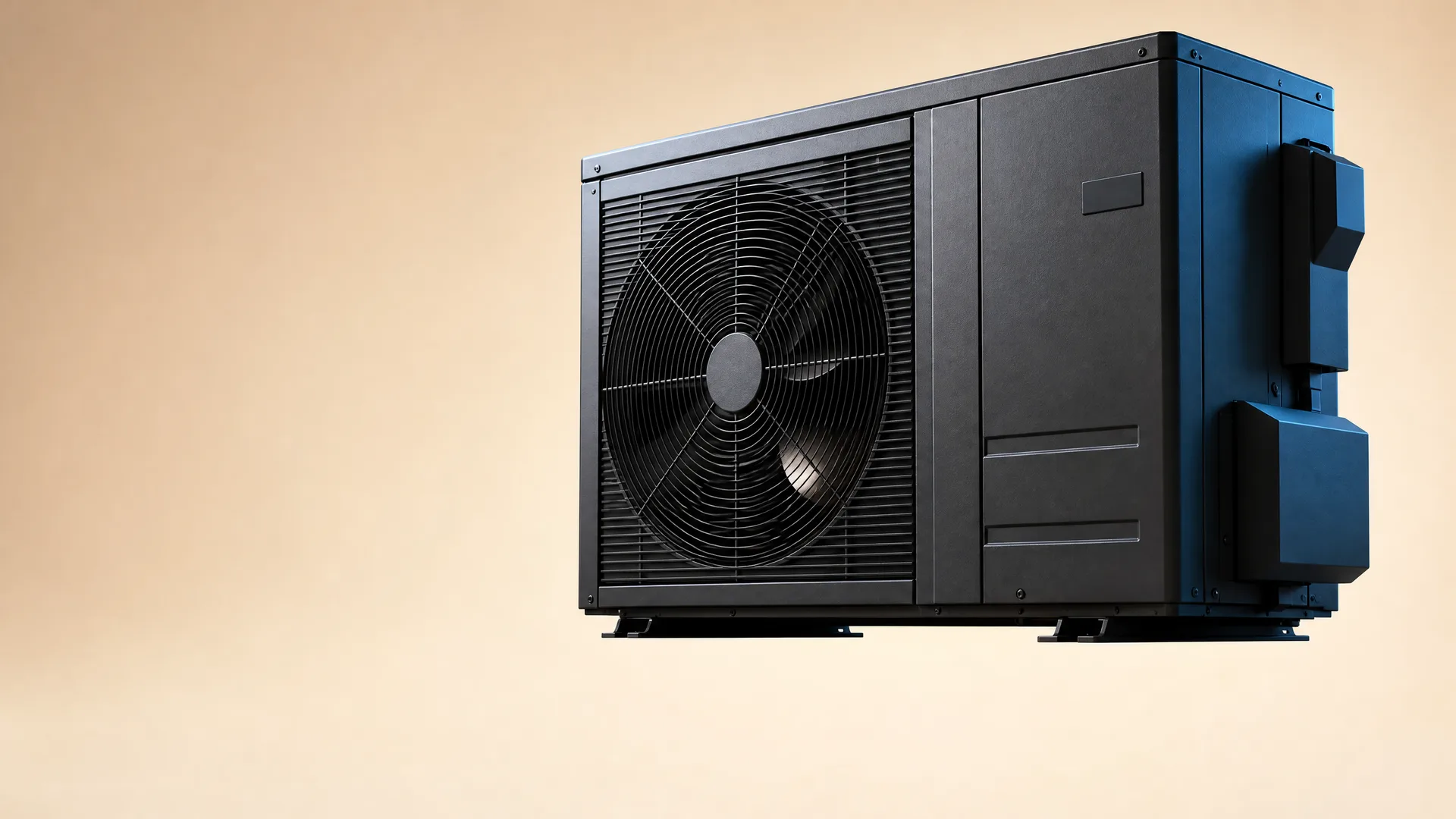
A heat pump outdoors here isn't fighting the conditions the way it would in a lot of other states. Winter nights average 40°F, mild enough that the system isn't leaning on defrost cycles or backup heat as hard as it would somewhere colder. Wind is the bigger threat to an outdoor unit here, logged over four thousand times in the past decade, and that's what tends to wear on an outdoor coil and cabinet over the years. Hail barely figures in by comparison. When a heat pump here is acting up, age and a few hard knocks from wind are more often the cause than a unit worn down from nonstop running, and that usually means there's still something worth fixing.
What a failing heat pump sounds and feels like
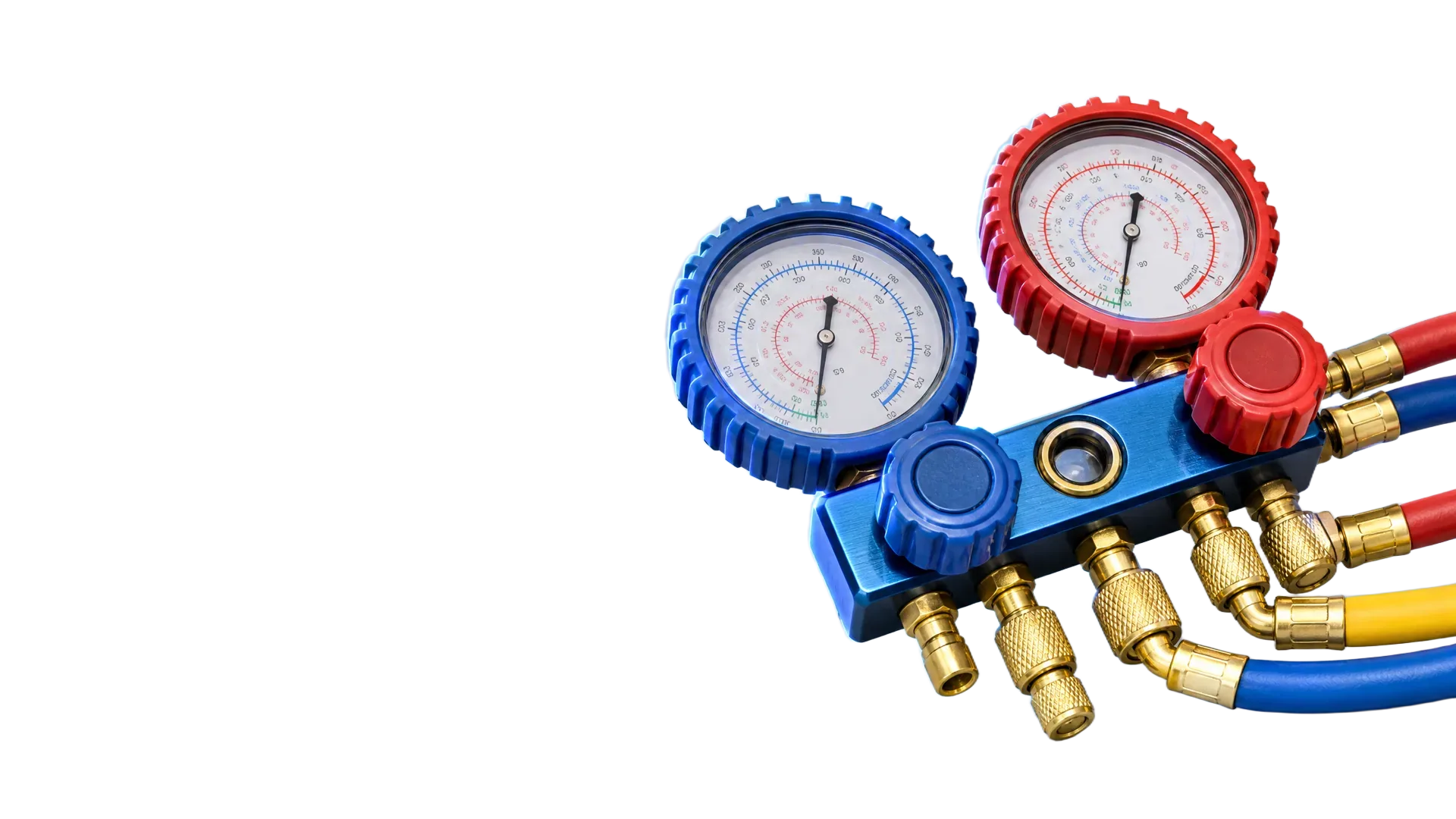
A heat pump in trouble shows it in how it runs, not just whether it starts. Short cycling, where the unit kicks on and off every few minutes instead of settling into a steady run, usually means a bad sensor, a dirty coil, or a unit that was oversized from the start. Warm air out of the vents when it's cold outside means the system has dropped into backup heat, or the reversing valve isn't switching over the way it should. Some frost on the outdoor coil during a defrost cycle is normal. A unit caked in ice that never clears means the defrost control or the reversing valve has failed. Listen to it too. A hum with no fan movement points to a failed capacitor or a seized motor. Grinding or squealing usually means a motor bearing is going. Clicking that repeats without the system ever starting points to a failed relay or control board. None of this means the whole system is done. Most of the time it's one failed part, and a heat pump that's otherwise sound is worth repairing rather than replacing.
When it's one part, and when it's the whole unit
The repair-or-replace call usually comes down to the compressor. That's the part that costs the most and is the hardest to get to, sealed inside the outdoor unit's refrigerant system. A failed capacitor, control board, reversing valve or fan motor is a straightforward repair, even when it happens more than once over the years, because the compressor underneath is still good. A compressor that's failed or is on its way out is a different conversation, since replacing just that part rarely makes sense once labor and refrigerant work are counted, and it usually means the unit itself is near the end of its life anyway. Age matters alongside this. A unit well into its expected lifespan that needs a second or third repair in a short stretch is telling you something, even if each repair on its own looks small. The same failure on a unit a few years old is just a repair. What matters most is whether the rest of the system has been kept up over the years, with clean coils and a service history, since a well-maintained unit earns the benefit of the doubt that a neglected one doesn't.
Wind and age wear on a heat pump here more than nonstop running does, so most problems are worth fixing.
Tell us about the job
Takes about a minute. No obligation.
Answer a few questions and a licensed contractor calls to find out what's actually wrong.