
Mini Split Installation in California
Electricity costs homes more in California than in 48 of the other 49 states.
Tell us about the job
Takes about a minute. No obligation.
- 87°Fsummer afternoon high where people live
- 4 monthsof cooling, June through September
- 40°Fwinter overnight low where people live
- 7 monthsof heat, November through May
Electricity costs more here than almost anywhere. A mini split's efficiency shows up monthly.
- Southern counties need about twice as much cooling than northern ones
- Summer afternoons average 87°F where people live
- Winter nights average 40°F where people live
- Cooling runs June through September
- 4,171 damaging wind events from 2015 to 2024
- 17% of homes lost power a day or more in 2024
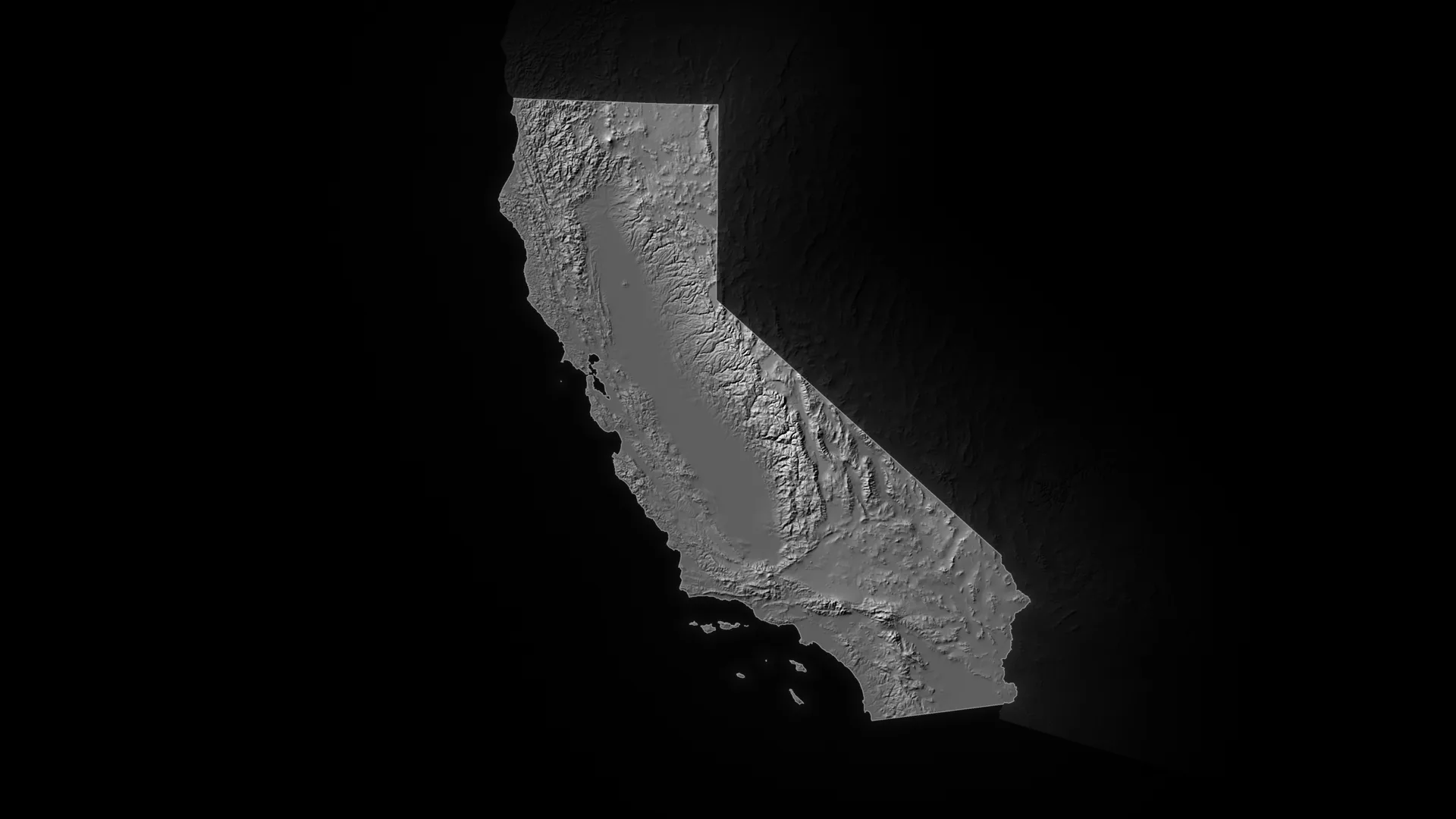
Most homes here were built before mini splits were common
Half the homes in California went up in 1976 or before. If yours is one of them, a mini split installer still has to work out where the line set runs, where the condenser sits outside, and whether the wall you want to mount the indoor unit on will actually take it. None of that depends on the house being new or old by itself, but an older home is less likely to have had any ductless work done before, so more of that gets decided on the spot rather than copied from what's already there.
California runs cooling about four months a year, and summer afternoons average 87°F where most people live.
A mini split sized and installed for that kind of summer handles California fine without upsizing.
Most homes here heat with gas. A mini split does not.
It earns its keep on the cooling side, and for electric homes, on heating too.
Most homes here heat with gas. Mini splits do not. A mini split moves heat instead of burning fuel, which is why people add one to a gas-heated house in the first place, often to cover a room or floor the furnace and ducts never reached well. For the 29.5% of homes already heating with electricity, a mini split can take over the job room by room instead of relying on baseboard heat or a central electric furnace. Either way, the installer still has to size the unit to the room and the state's summer heat, run the line set, and place the condenser somewhere it can breathe.
What does a mini split in California face?
How hot do summer afternoons get?
87°Faverage afternoon high where people live
Alaska66°F
Arizona101°F
How cold do winter nights get?
40°Faverage overnight low where people live
North Dakota4°F
Hawaii65°F
How many months does the cooling run?
4 monthsof cooling a year
Alaska0 months
Hawaii12 months
What does electricity cost?
31.97¢per kWh (kilowatt hours, the unit on an electric bill), what homes paid in 2024
North Dakota11.51¢
Hawaii42.86¢
How often do storms hit?
239severe weather events per county from 2015 to 2024
Alaska5
Wyoming1,057
How many homes lost power for a day or more?
17%of homes in 2024
Arizona7%
Maine54%
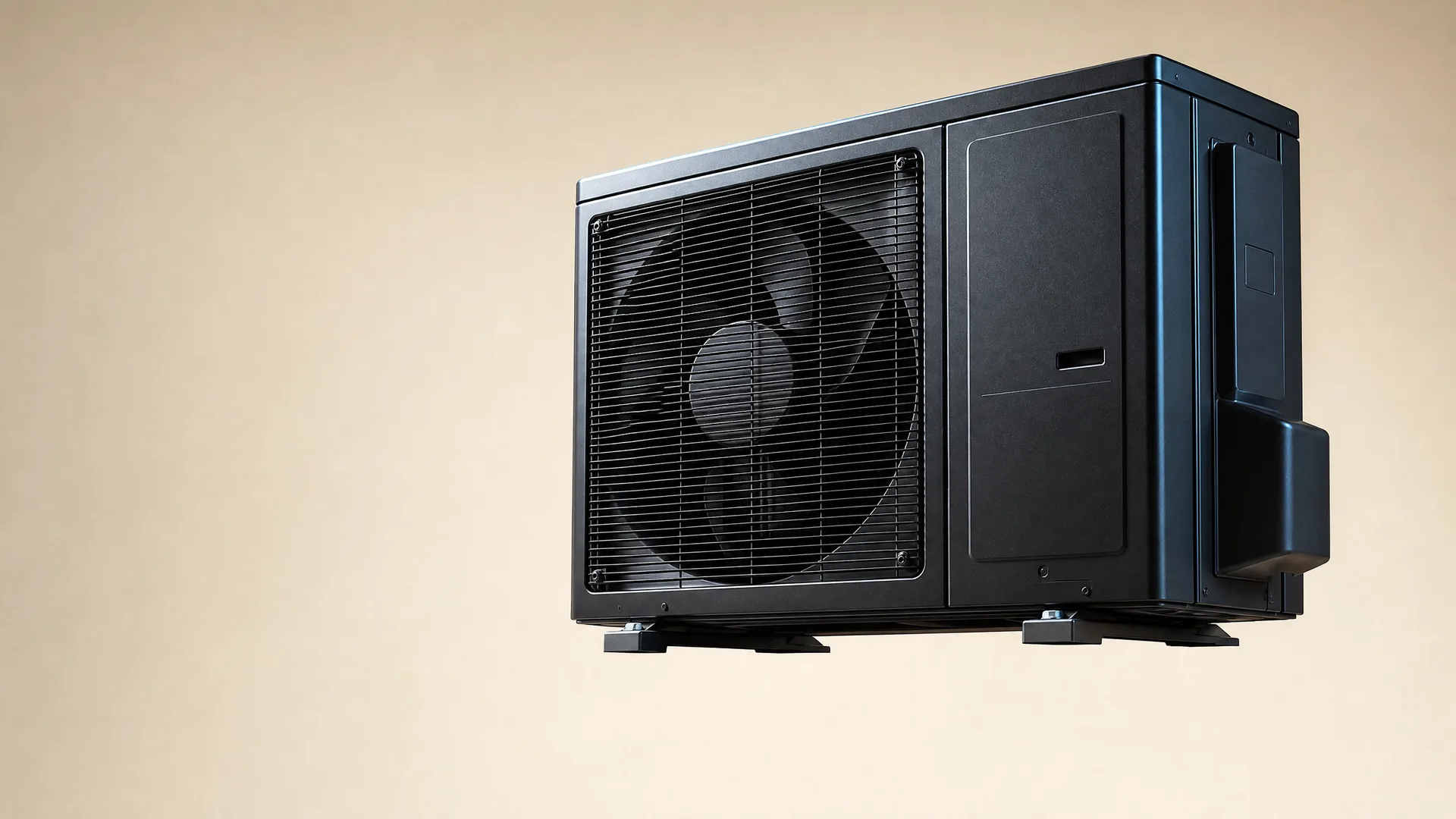
Sizing is the part that decides whether this works
A mini-split sized wrong will disappoint you no matter how well it's installed. Too big and it cools the room fast, then shuts off before it's pulled the moisture out of the air. The room ends up cold and damp instead of just comfortable, and the unit cycles on and off more than it should, which is hard on the compressor over time. Too small and it runs flat out on the hottest afternoons and still falls behind. Getting it right calls for a room by room load calculation, not a guess based on square footage. A tech works out how much heat a room gains from its windows, its insulation, which way it faces, and how many walls are shared with the outside versus another room. Window area matters more than most people expect, since glass gains and loses heat much faster than a wall. Ceiling height counts too, and so does how the room gets used. A kitchen with a stove running or a room full of electronics carries more heat load than an empty bedroom. That calculation tells the installer which size indoor unit the room needs, and whether one outdoor condenser can serve several indoor heads or the job calls for more than one system.
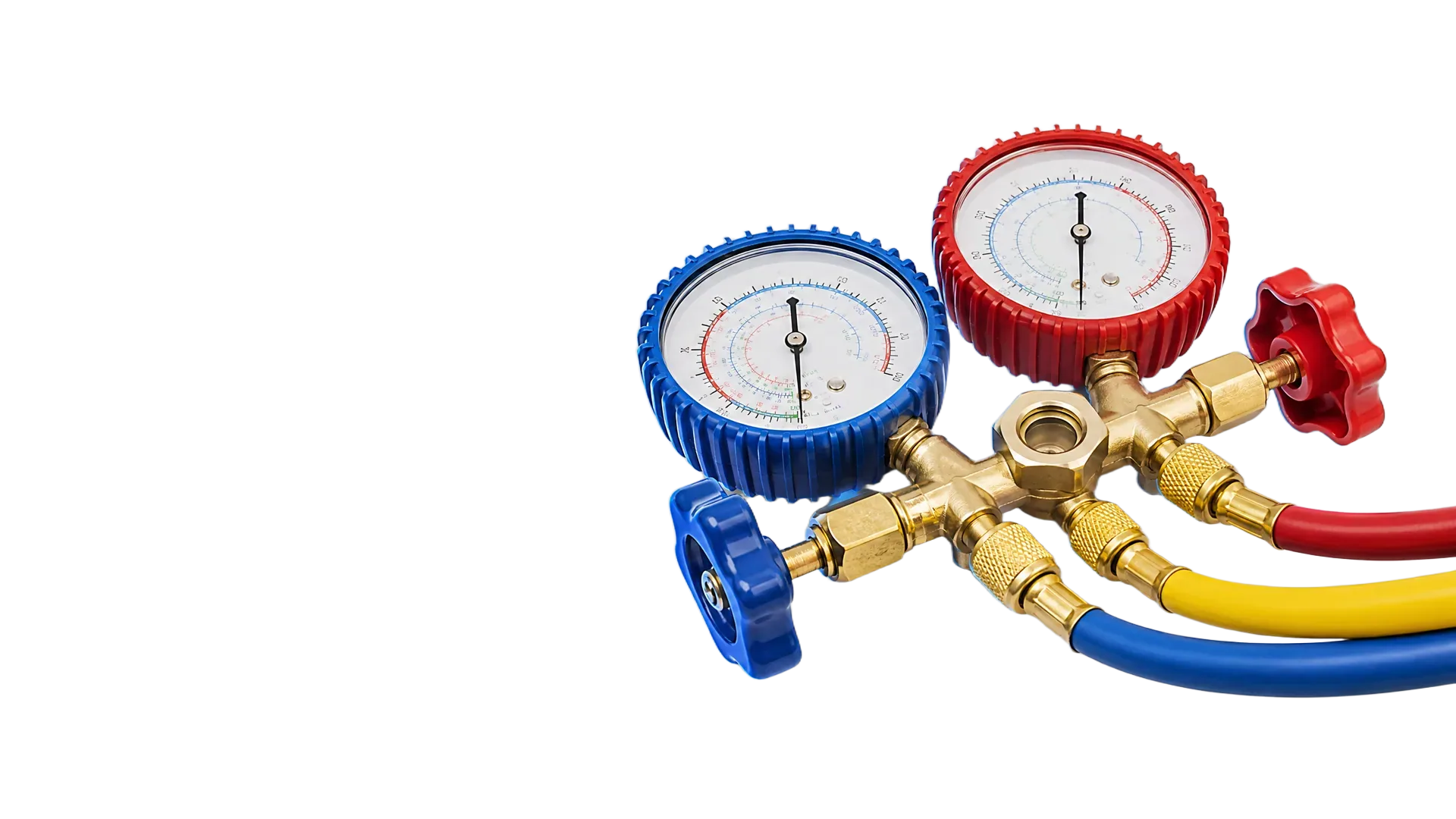
Questions worth asking before you choose
A few questions sort one system from another once sizing is settled. Ask how many indoor heads a single outdoor condenser is expected to carry. Push too many heads off one condenser and all of them run a little short, usually the one furthest from the unit first. Ask what happens if one indoor head ever needs service, since on some systems every head shares one refrigerant circuit, and a problem at one spot can show up at the others. Ask where the line set will run and how it gets covered along an outside wall, because that's often the most visible part of the whole job once it's done. Ask where the condenser will sit. It needs open air on every side to pull heat out, and one boxed in by a fence or plantings won't perform the way its rating says. Ask too whether the indoor unit is a wall-mounted head, a ceiling cassette, or something else, since each throws air differently and rooms don't all suit the same shape. And ask about controls. Some heads run off their own remote with no shared schedule. Others tie into one controller for the whole house. That difference decides how much the household manages by hand later on.
Homes in California's southern counties need about twice as much cooling over a year as homes in the north. That gap comes from climate, not equipment, and it shows up in how hard the condenser runs all summer, not just on the hottest days. A system sized for a mild coastal year and one sized for a hot inland year are not the same job, even for the same size room.
A load calculation has to start with where in the state the house sits, not just the room's square footage. A tech working in the north and a tech working in the south can run the same formula and land on different equipment for the same size bedroom. Mention your part of the state when you talk to an installer, and expect the quote to reflect it.
Severe weather and outages are common here, so protect the condenser and plan for backup.
Tell us about the job
Takes about a minute. No obligation.
Fill out the form and a licensed installer in your part of California takes it from there.