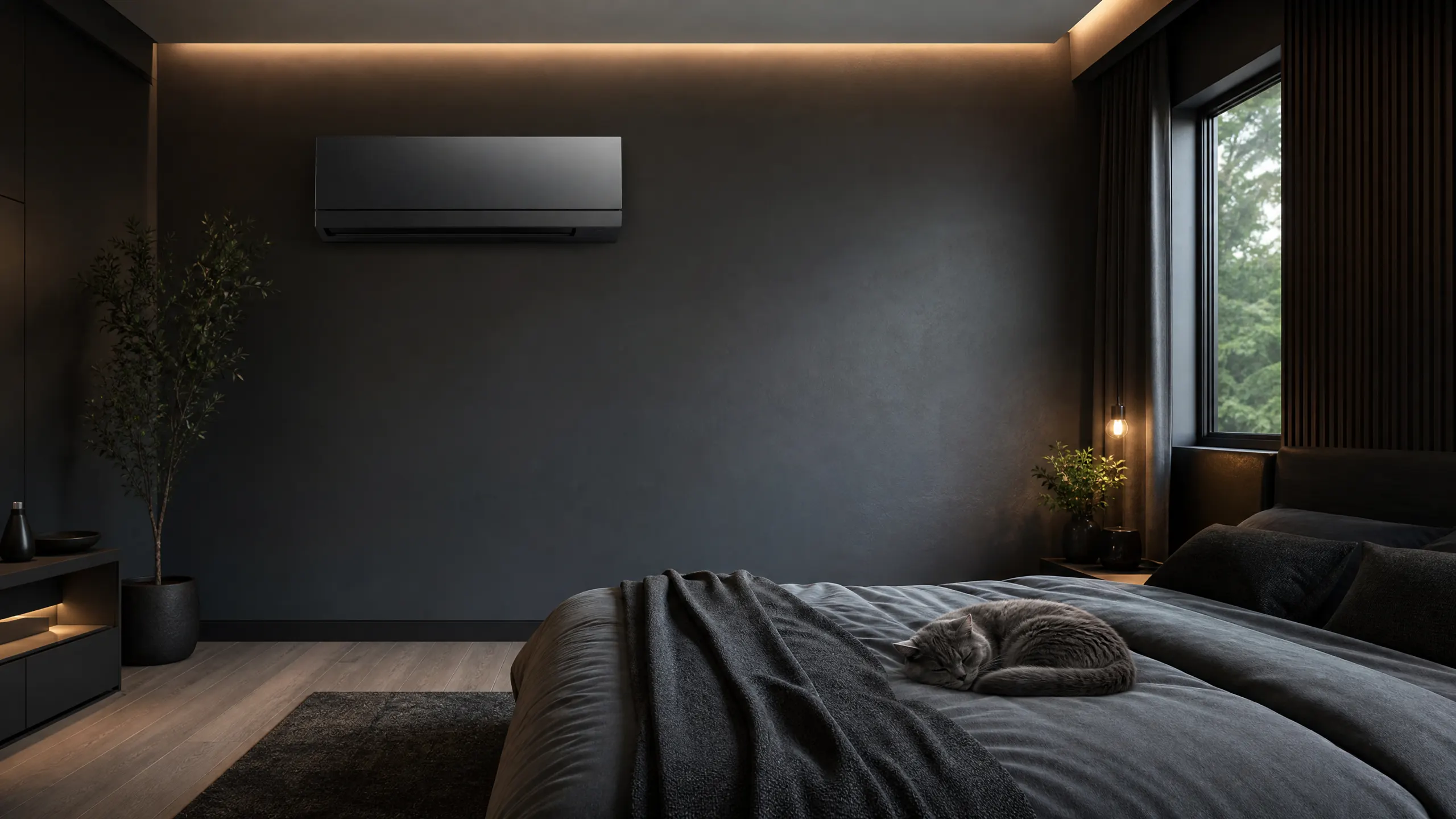




A gray cat sleeps curled up on a dark-made bed in a moody, minimalist bedroom with a wall-mounted air conditioning unit and warm accent lighting.

Mini Split Installation in Hanford, CA

Tell us about the job

Takes about a minute. No obligation.

New system or replacementMini-splitKings County, CA
Step 1 of 2

What ZIP code is the job in?

Electricity in California ran 31.97 cents per kilowatthour in 2024, well above what most of the country pays. A mini split runs on electricity for both heating and cooling, so that rate applies every time it cycles on. The efficiency of the unit you choose matters more here than it would somewhere with cheaper power. A higher efficiency mini split draws less power to do the same job, and in Hanford that difference shows up on every bill it sends, not just the ones during the hottest stretch of summer.

6 months
November through April, your system heats
6 months
May through October, it cools
39°F
the average winter night it heats against
95°F
the average summer afternoon it cools against
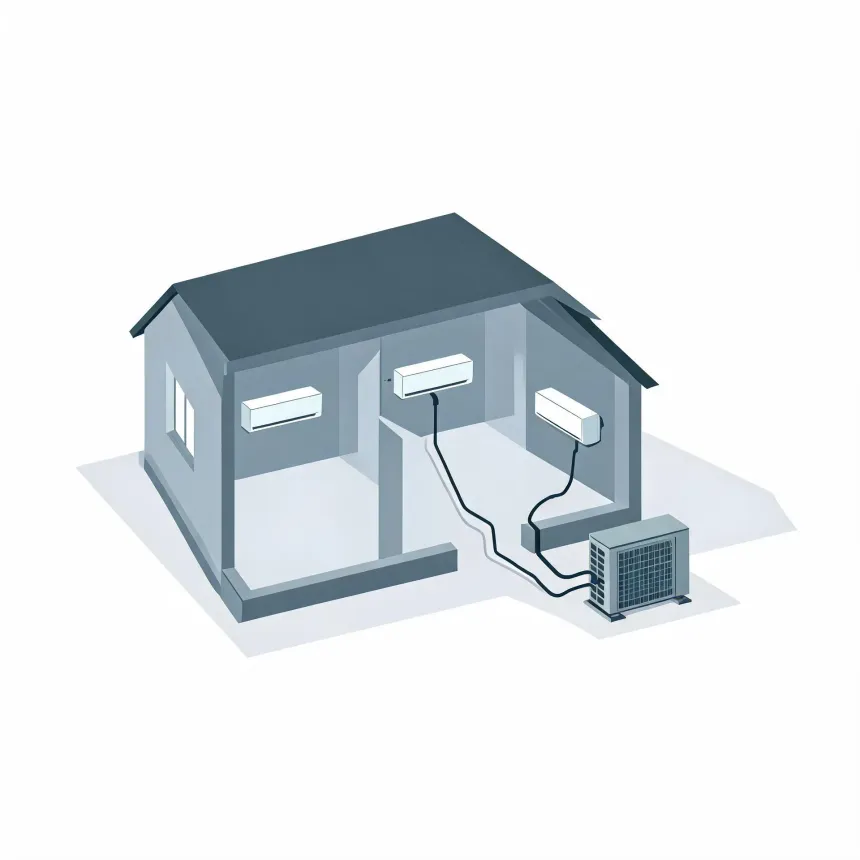
Isometric illustration of a cutaway single-story house with three wall-mounted indoor air conditioning units connected by lines to an outdoor condenser unit on the ground outside.
Your system heats November through April and cools May through October.

NOAA nClimDiv, 1991–2020 normals

Cooling in Hanford runs May through October, six months straight.

Put the mini split in during April and it's already running clean when that first hot stretch hits, instead of on whatever schedule a breakdown gives you.

Most homes here heat with gas, so a mini split is adding cooling, not replacing a furnace

65.2% of homes heat with gas
Climate zone 3B
Power costs 31.97 cents a kWh statewide

Ask about the efficiency rating before you pick a unit, not just the price tag. Mini splits carry a SEER2 number, and in Hanford that number is doing more work than it would somewhere with cheaper power. A contractor sizing the system for your home can tell you what rating makes sense given the square footage and the rooms you're cooling. Paying more up front for a higher rated unit is the kind of decision that's worth running past them directly, since it's your electric bill that answers back every month the system runs.

Six months of cooling a year, with afternoons averaging 95°F

That's what a mini split in Hanford is up against, six months of cooling with afternoons averaging 95 degrees through June, July and August. A unit sized wrong for the space either runs long and hard trying to catch up, or short cycles and never pulls the humidity down. Get the sizing right from the start.

Find a contractor
A beige split-system air conditioner outdoor condenser unit mounted on metal wall brackets atop a stucco wall.

This runs hard for six months, so get the size right before it goes in

A mini split sized for Hanford gets run at or near full output for six months straight, not just on the handful of hot days most of the country deals with. That kind of load is the reason to get a load calculation done for your home instead of matching whatever size the old system was, or going with what a contractor had on the truck. The room sizes, the windows, which way they face, all of it changes what the unit should be rated for here.

The rating is a ratio, not a guarantee

SEER2 compares the cooling a unit produces against the power it draws over a season. A higher number means more cooling per watt. It's measured under set lab conditions, so a unit rated well can still fall short of that number if it's oversized, undersized, or installed with a refrigerant charge that's off.
The rating only holds if the install is right

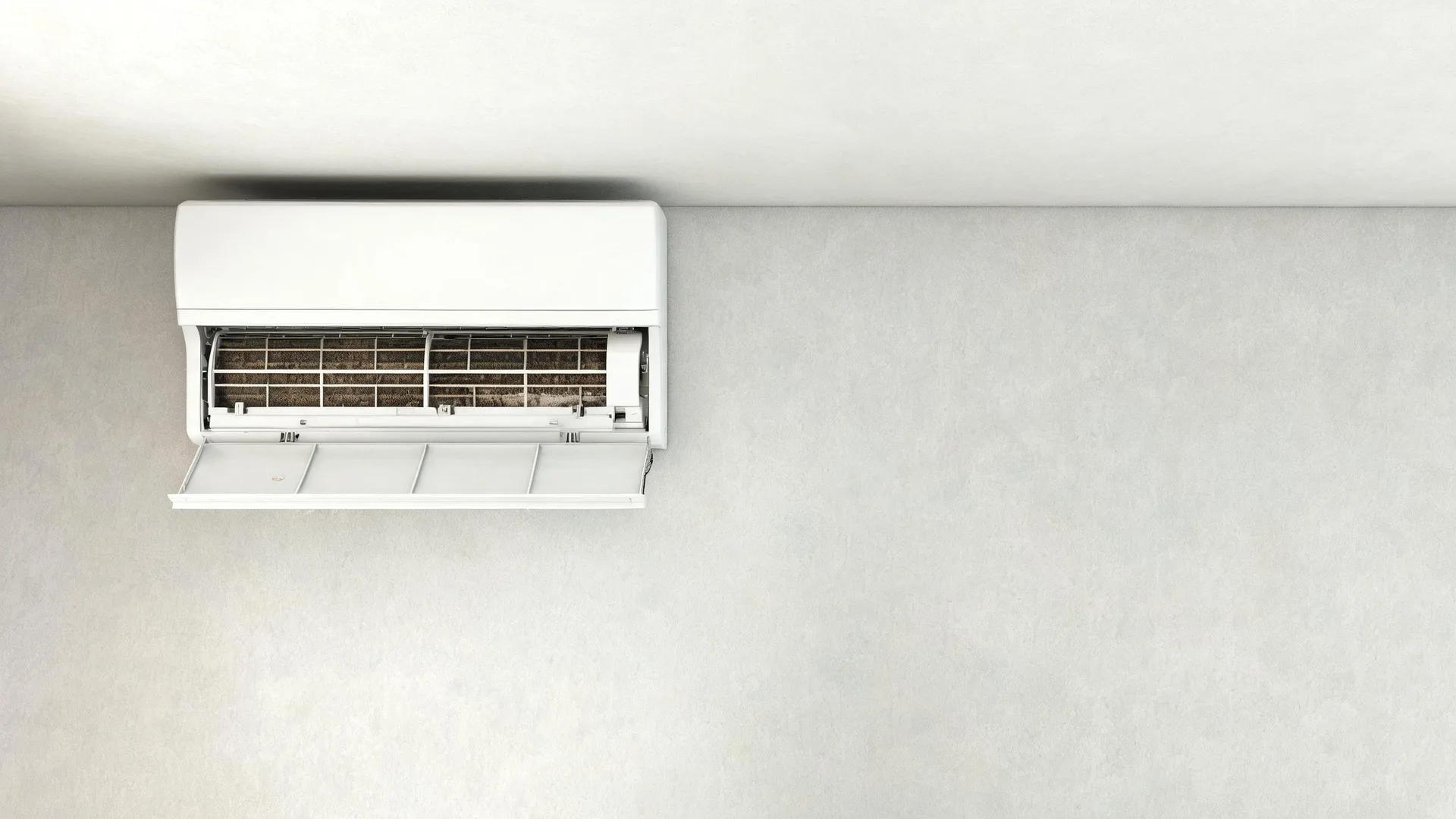
A mini split reaches its rated efficiency only when the indoor and outdoor units are matched to each other and the line set is sized and charged correctly. Pick a high rated unit but have it installed loose or overcharged, and it runs closer to a cheaper one. The rating on the box describes the equipment, not what gets delivered to the wall.

If the old system is a central air setup being replaced outright, the condenser, coils and ductwork don't have a second life somewhere else. A contractor who handles the mini split installation can also disconnect and haul off the old equipment, including the refrigerant, which has to be recovered rather than vented. If you're adding mini splits alongside a furnace that stays in place, there's nothing to remove at all, the new system just gets its own line set and outdoor unit. Ask ahead of time whether removal and disposal are part of the job or a separate line item, since not every installer includes it by default.

Installation day starts with the outdoor unit placement, and that gets decided before anyone drills a hole. The spot needs clearance for airflow and a reasonable path to where the indoor head goes, since the line set connecting them runs through a wall, not around a building. That wall penetration is the one hole in the whole job, a few inches across, sleeved and sealed once the lines, wiring and drain are through it. The indoor head gets mounted high on the wall or ceiling, on a bracket set level, because a unit hung crooked drains wrong over time. Once both halves are in place, the line set gets connected, the system gets evacuated to pull moisture and air out of the lines, then charged with refrigerant to the manufacturer's spec. Only after it holds a vacuum and runs through a cycle does the contractor call it done.