
Can a mini split cool a whole California home

A white wall-mounted mini-split air conditioner indoor unit with a dark horizontal air outlet vent, shown against a plain light gray background.
Find a mini split pro

Can one mini split cool my whole house?

You've got one mini split, maybe in the living room or wherever it made sense to start, and you're wondering if it can carry the whole house through the summer. California summers don't hit you with heavy, soupy air, so a single unit might seem like enough. But a house isn't one room, and the way a mini split moves air isn't the same as how a central system does it.

One mini split usually cools one zone well, not the whole house

A single mini split head is built to condition the room it's in, plus maybe a room or two nearby with an open floor plan and no doors in the way. Once there's a hallway, a closed door, or a staircase between it and the rest of the house, the air it's pushing out doesn't reach those rooms the way central air does through ducts. Most houses that go all mini split use multiple heads, one per room or zone, tied to one or more outdoor units. If you're running gas heat already and added the mini split just for summer cooling, covering more than one room usually means adding more heads rather than expecting the one you have to stretch further than it was sized for.

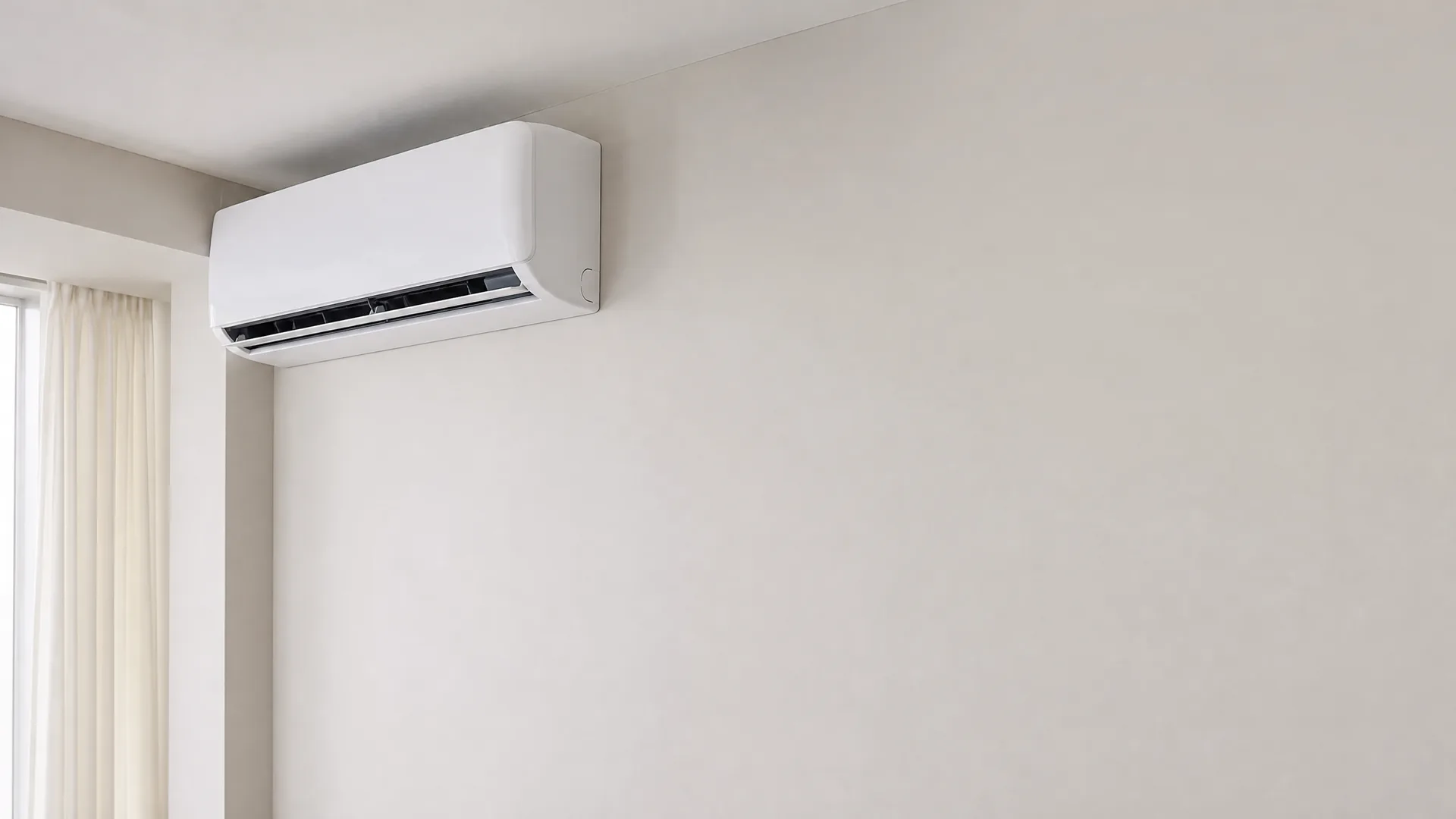
A white wall-mounted mini-split indoor unit on a beige interior wall, with a potted leafy plant at the left and a curtain edge at the right.

One zone, clean and sized right

A single mini split can cool the rooms it reaches if it's sized for that space. One head in the living room will cool the living room well. The bedrooms down the hall are a different question, especially with the doors closed.


A dusty, discolored wall-mounted mini-split air conditioner indoor unit near the top of a plain light-colored interior wall below a white molding strip.

One zone, asked to do too much

This is what happens when one indoor unit gets asked to cool a whole house. It runs longer than it should, the coil and filter load up with dust, and the far rooms still stay warm. An installer who knows your layout can tell you whether you need more heads or a different system.

A woman in a cream sweater stands in an open doorway of a single-story house with horizontal siding and a stone-veneer base, facing a man in a blue shirt with a bag strap seen from behind in the foreground.

What one zone leaves out

If your mini split is in the living room, you already know what happens at night. The bedrooms stay warm because the door is shut and there's no duct carrying that cool air anywhere else. You end up with a fan running in one room and a window cracked in another, and the power bill doesn't care that only one zone was actually working.

That's the part worth checking before another summer goes by. A contractor who looks at your house can tell you whether a second or third indoor head would cover the rooms your current unit doesn't reach, and what that setup would actually take to run. You can get matched with one who installs multi-zone systems in your area and have them reach out, instead of calling around and explaining your layout to five different companies.

Living room interior with a light sofa holding a dark green cushion and a brown knit throw, a tall leafy plant by a black-framed window, a wooden coffee table with a round tray, and wooden shelves holding vases and books.
A white wall-mounted mini-split air conditioner near the ceiling of a room with plain beige walls and a pale curtain at the left edge.

Why one head can't cross a hallway

A mini split moves air in a straight line out of the head and across the room it's mounted in. There's no duct pulling that cool air anywhere else. Close a bedroom door and the air stops at the hallway. That's why a single zone in the living room cools the living room no matter how long you run it, and the bedrooms stay warm through July and August regardless of the thermostat setting.

A white wall-mounted mini-split air conditioner indoor unit installed near the ceiling on a plain off-white interior wall.

What a second zone changes

A multi-zone system runs more than one indoor head off the same outdoor unit, each with its own thermostat. Add a head in the bedroom wing and that room finally gets its own cold air instead of waiting for it to drift in. Each zone also only runs when that room calls for it, so a bedroom head isn't working at 2pm when nobody's in there, and the living room head isn't running at midnight.

Is your house cooling unevenly room by room?

You can probably point to the rooms your mini split handles and the ones it doesn't. The room with the head is comfortable. The hallway is warmer. The bedrooms, especially behind closed doors, hold onto heat from the day and stay that way into the evening. You might have a window unit or a few fans doing backup work in those rooms already. On a hot stretch, that gap shows up as a worse night's sleep in the warm rooms and a higher bill if anyone runs a portable AC to compensate, which costs more to run than the mini split does per hour of cooling.

A gray-haired woman in a dark sweater sits with a blanket on her lap near a window, looking out at autumn-colored trees, in a living room with a sofa, built-in shelves, and a potted plant on a side table.
A woman with long gray hair in a knit sweater sits on a sofa with cushions and a blanket, looking out a large window toward yellow autumn foliage.
A gray-haired woman in a cream knit sweater sits on a light sofa with a blanket, looking out a window toward yellow autumn trees, with a framed picture and potted plant in the background.
An older woman in a cream knit turtleneck sweater sits on a sofa with a blanket, looking out a window with autumn-colored trees outside, in a dimly lit living room with a lamp, framed art, and a patterned rug.

A mini split pro near you

Skip collecting and comparing quotes for the new mini split.

You're not committing to anything by asking.

A two-story house with beige siding, white-trimmed windows with shutters, and a small covered porch, fronted by a mowed lawn and a wet concrete walkway leading to the sidewalk, with leafy trees and hedges on both sides in low golden sunlight.

The dew point across California averages 50°F through June, July and August, measured over where homes actually sit. That's dry air by any national comparison, and it matters for a mini split. A low dew point means sweat evaporates off your skin fast, so a room feels cool well before the thermostat says so. One head doing the work can hold comfort in its room without fighting humidity the way a unit in Houston or Miami would. The catch is that dry air cools your skin, not the rooms the mini split can't reach. The bedrooms down the hall stay just as warm as they would anywhere else.

NASA POWER T2MDEW county cells weighted by homes

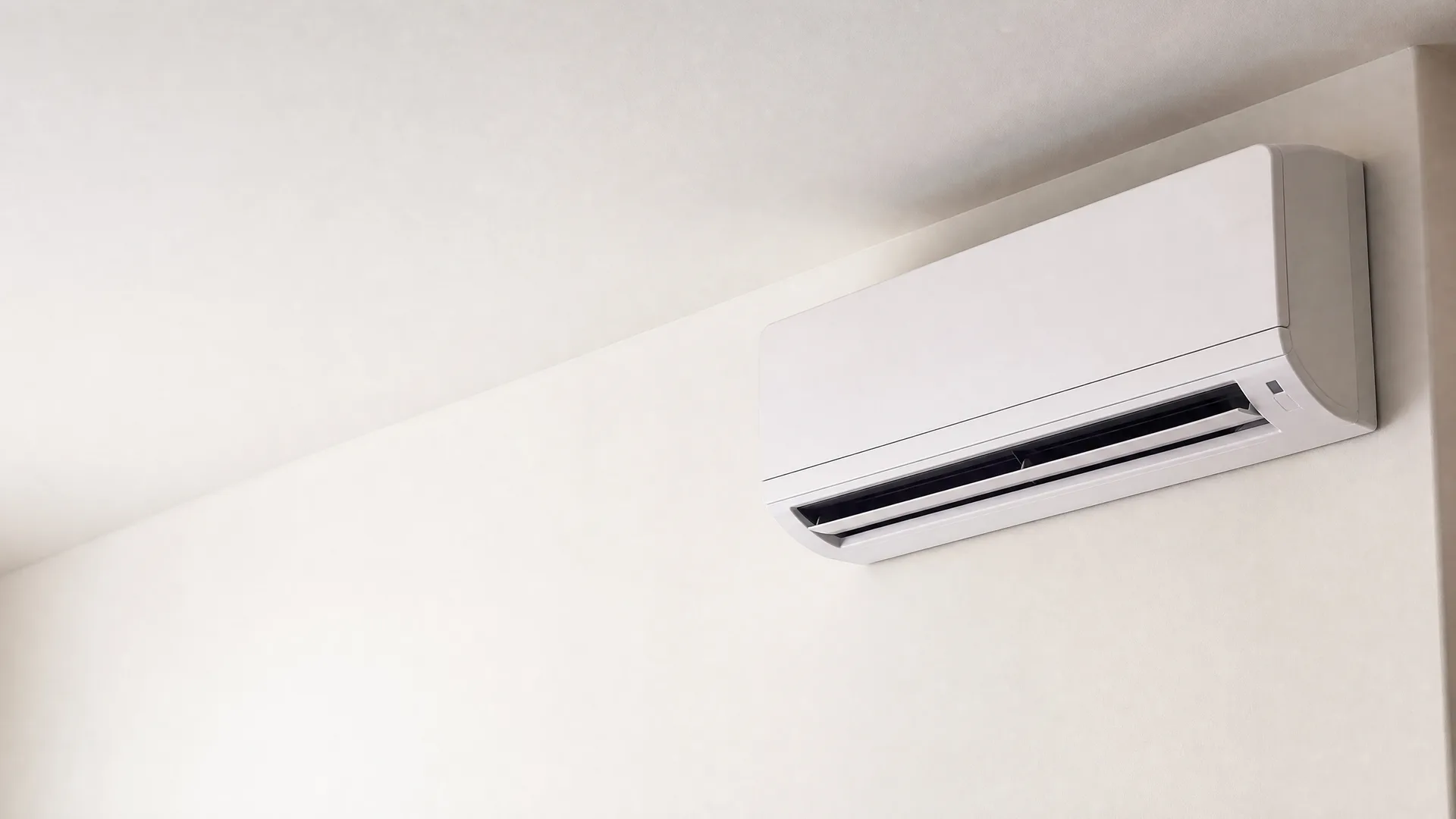
A white wall-mounted mini-split air conditioner installed high on a beige interior wall near the ceiling, with a sheer curtain and window at the left edge.
One head, sized and placed well, keeps that one room steady all summer without fighting the heat.
A white wall-mounted mini-split air conditioner indoor unit with visible dust and discoloration, installed near the ceiling on a plain beige wall.
A dusty, neglected unit loses capacity, so even the one room it used to handle starts falling behind.
  1. A contractor measures each room to size every zone correctly

  2. An outdoor compressor connects to multiple indoor heads at once

  3. A technician runs refrigerant lines to each new room

  4. Every zone gets its own thermostat and independent airflow

One Zone or Whole-House Cooling

Stay with one zone

  • One head keeps doing exactly what it does now, cooling the room it's mounted in without any new equipment to maintain.
  • There's no new refrigerant line set, no new wall penetration, and no second outdoor compressor to find space for.
  • Power here costs more than almost anywhere else, and running one zone instead of a whole-house system keeps that bill smaller.
  • You're still closing bedroom doors at night and still running a fan in whatever room doesn't have a head.
  • If gas heat already covers the house through winter, this unit's job stays limited to the one room it was bought for.

Add zones for the house

  • A multi-zone system puts a head in every room that currently falls back on a closed door and a fan.
  • Each zone runs off its own thermostat, so a bedroom can run cooler at night without cooling the living room to match.
  • Adding zones means a contractor sizing the new rooms, running refrigerant lines to each one, and connecting them all to one outdoor compressor.
  • You're not replacing the gas furnace. The mini split handles summer cooling while gas keeps doing what it already does in winter.
  • California's dry summer air means each new zone cools the room it serves without fighting humidity, so capacity goes where you aimed it.
  • More zones means more equipment drawing power, and with electricity priced the way it is here, that's worth sizing correctly before it's installed.
A dusty white wall-mounted mini-split air conditioner unit installed near the ceiling on a plain light-colored interior wall, with a small recessed ceiling fixture at upper left.
Before you get your mini split installation
A white wall-mounted mini-split air conditioner installed high on a beige interior wall below crown molding, with a sheer white curtain on a dark rod at the left edge.
After you get your mini split installation

How a multi-zone system actually works

  • A multi-zone system runs one outdoor compressor to several indoor heads, each sized to its own room.
  • The compressor adjusts its output as zones call for cooling, so a small bedroom doesn't get the same capacity as a living room.
  • Each indoor head has its own thermostat, so closing a bedroom door doesn't cut off its airflow the way it does with a single zone.
  • Refrigerant lines run from the outdoor unit to each new head, separate from the line serving your existing zone.
  • A contractor has to check that the outdoor compressor can support the combined load of every zone before adding more heads.
  • Adding zones means more line sets and more wall penetrations, which is why sizing the whole layout matters before work starts.

A single mini split is one outdoor compressor paired with one indoor head. Going whole-house usually means turning that into a multi-zone system, where one outdoor compressor serves several indoor heads at once, one per room. The compressor doesn't just split its output evenly. It reads what each zone is asking for and shifts capacity toward the rooms that need it, so the bedroom with the afternoon sun can pull more than the one that stays shaded. Each head runs off its own thermostat. That's the part that solves the closed-door problem you have now. Instead of cool air stopping at the hallway, the bedroom has its own head making its own cold air, with nothing for the shut door to block.

Getting there means new refrigerant lines, one set running from the outdoor unit to every new head, independent of the line already serving your living room. That's new wall penetrations too, one for each line set. None of this works by just adding heads to your existing compressor. A contractor has to check what that compressor can actually support once every zone is running at once, because a unit sized for one room isn't sized for four. That math, how many zones, how much total capacity, where the lines can run, is why a whole-house conversion gets planned as one layout rather than bolted on room by room.

A woman in a grey knit sweater leans back with closed eyes in an armchair beside a window, with a ceramic mug on a round wooden side table and a yellow-leaved tree outside.
An older man with gray hair and a navy knit sweater sits in an armchair with his eyes closed, near a bright window with potted green plants.

One more zone added to the system you already have, sized to the room that needs it.

A new outdoor compressor and a separate set of lines, with no tie to the head you're using now.

Power costs 31.35 cents per kilowatt-hour statewide

At 31.35 cents a kilowatt-hour, every room a mini split can't reach is a room you're cooling some other way, usually a fan or window unit pulling power on top of what you already pay. A system sized to cover the rest of the house once costs less over a summer than running extra equipment at that rate.

EIA-861 2025 statewide residential average

One mini split cools the room it's in. Whether it cools your whole house depends on how many rooms it reaches, and for most California homes with one head, that answer is no. The fix isn't a bigger unit in the living room. It's more heads, sized to the rooms that still run warm, tied into the compressor you already have. That's a job for a contractor who can measure your rooms and size each zone correctly, not a guess you make from a spec sheet. Finding one usually means calling around, explaining your layout more than once, and sorting through quotes that size things differently. You can skip that part. Tell us about your home and your mini split, and you'll be matched with a contractor who installs multi-zone systems in houses like yours, and they'll reach out to you directly. You'll still decide what to do next, but you won't have to go find them first.

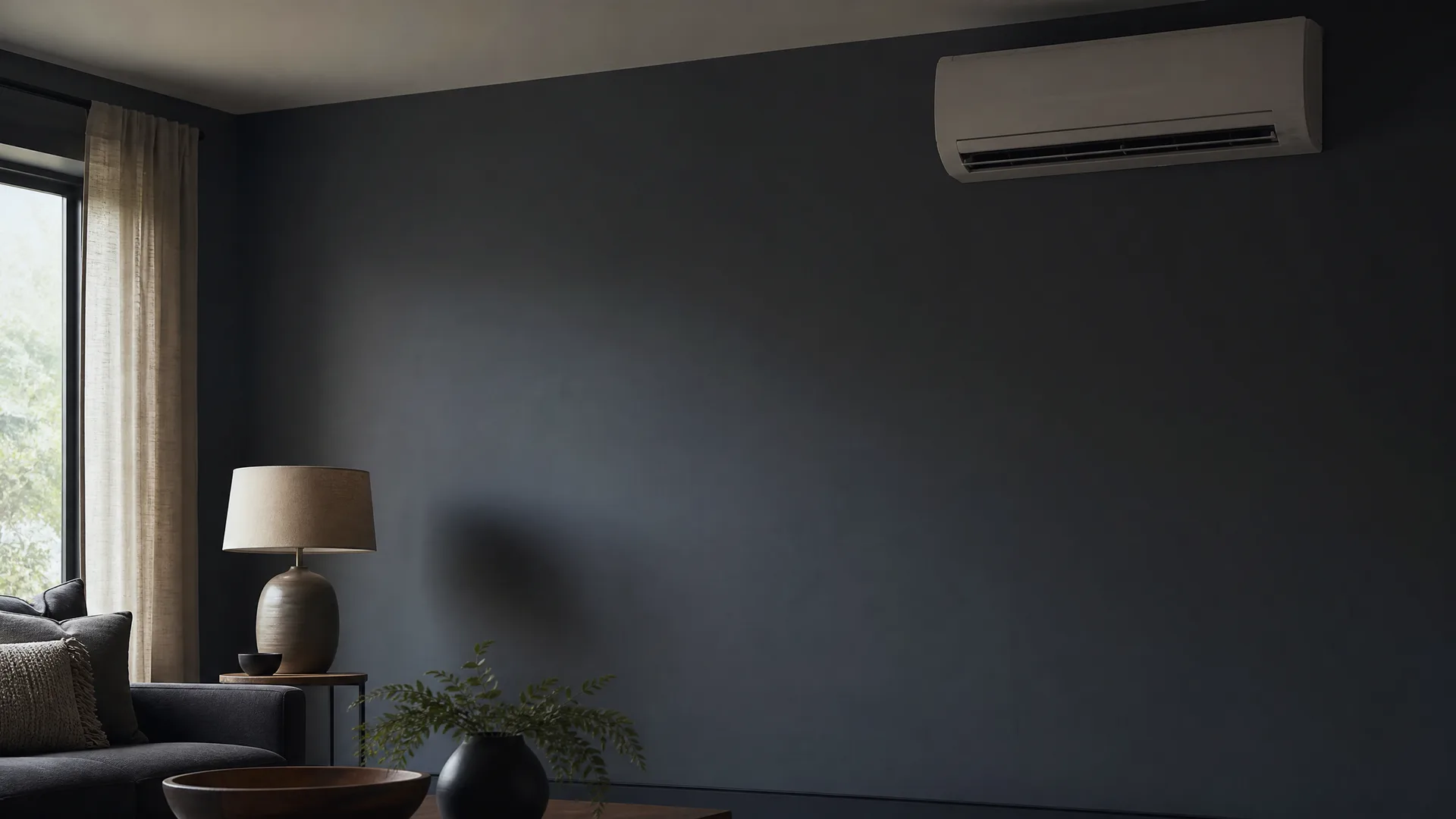
A dimly lit room with a dark gray wall holding a white wall-mounted mini-split air conditioner near the ceiling, with a sofa, table lamp, potted plant, and curtained window at left.

A local pro for your mini split installation

Skip the round of in-home estimates for a new mini split.

New system or replacementMini-splitCalifornia
Step 1 of 2

What ZIP code is the job in?