
AC Installation in California
Electricity costs homes more in California than in 48 of the other 49 states.
Tell us about the job
Takes about a minute. No obligation.
- 87°Fsummer afternoon high where people live
- 4 monthsof cooling, June through September
- 31.97¢ per kWhwhat homes paid for power in 2024 (kWh means kilowatt hours, the unit on an electric bill)
- 344hail events from 2015 to 2024
Electricity costs more here than almost anywhere. Efficiency matters more than the price tag.
- Southern counties need about twice as much cooling than northern ones
- Summer afternoons average 87°F where people live
- Cooling runs June through September
- 344 hail events from 2015 to 2024
- 4,171 damaging wind events from 2015 to 2024
- 17% of homes lost power a day or more in 2024
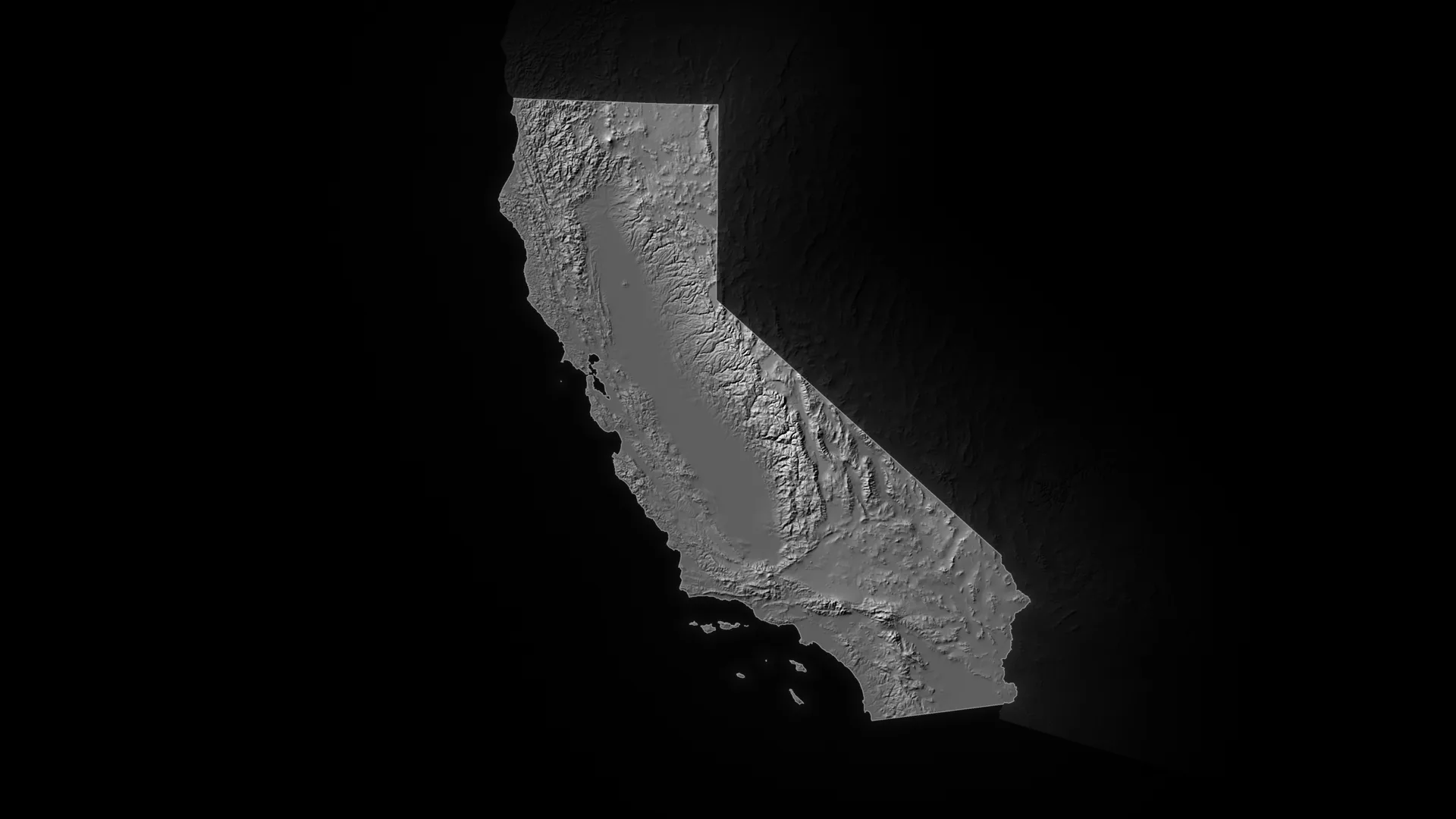
Most homes here already have the fuel sorted out
Utility gas heats 61% of homes in California, more than any other fuel, with electricity at 29.5% and propane at 3.4%. An AC installation almost always pairs with this existing setup rather than changing it. If your home heats with gas, the furnace and air handler stay gas, and the new AC unit ties into the ductwork already there. Matching what's already in the house keeps the installation simpler and gives the contractor a known system to work from.
What the efficiency rating actually buys you
A higher SEER2 number means something specific. Here's what to check before you trust it.
That yellow EnergyGuide label on the unit tells you how much cooling you get for the power it draws. The rating is SEER2 (seasonal energy efficiency ratio under the 2023 test, an AC's cooling efficiency over a season), and a higher number means the compressor is doing more with less electricity, not that the unit cools a bigger house. Size still comes from a load calculation on your home, not from the rating on the sticker. Where the rating earns its keep is the compressor itself. A high-efficiency unit usually has a variable-speed compressor that can throttle down and run long and steady instead of slamming on and off. That keeps temperatures more even room to room and puts less strain on the system over time. That same compressor costs more to replace, so ask what the warranty actually covers before you decide. And whatever rating you land on, it only holds up if the installation is done right, with the refrigerant charge set correctly and ductwork sized to move the air the unit is built to push. A high-efficiency unit choked by undersized ducts will never perform like its rating says it should.
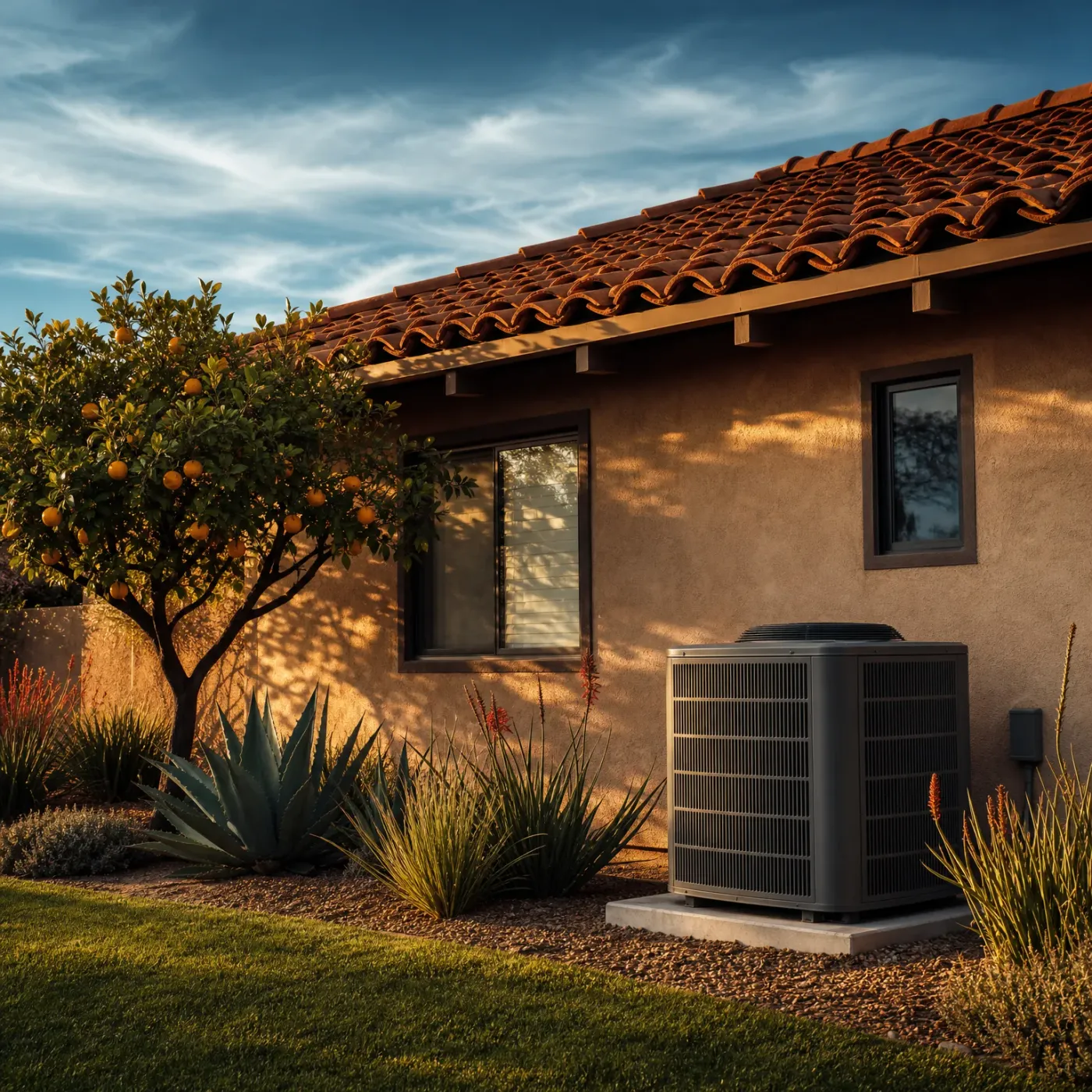
Cooling needs change a lot depending on where in the state you are. Homes across the southern counties need about twice as much cooling over a year as homes across the northern counties, and that gap shows up directly in how a new system gets sized and how often it runs.
Summer afternoons run hotter across the eastern counties than the western counties, and homes there run cooling longer too, close to 5 months a year against 3. A system sized for one side of that split won't fit the other.
Imperial County sits at one end of this. Summer afternoons there average 106°F, and homes run cooling about 8 months a year, the longest in the state. San Francisco County sits at the other end, with cooling running about 0 months a year. A system built for one would make no sense in the other.
Statewide, cooling runs about four months a year, June through September. Summer afternoons here run hotter than in most other states, and homes run cooling longer than in most too.
Damaging wind is also part of the picture, with thousands of recorded hits across the counties where people live over the past decade, more than in most other states. Where that risk is higher, outdoor equipment and how it's installed are worth planning around.
None of this points to one system that fits the whole state. What fits a home in Imperial County and what fits one in San Francisco County are different questions, and the answer starts with where you are, not just that you're in California.
What does an AC in California face?
How hot do summer afternoons get?
87°Faverage afternoon high where people live
Alaska66°F
Arizona101°F
How many months does the cooling run?
4 monthsof cooling a year
Alaska0 months
Hawaii12 months
What does electricity cost?
31.97¢per kWh, what homes paid in 2024
North Dakota11.51¢
Hawaii42.86¢
How often do storms hit?
239severe weather events per county from 2015 to 2024
Alaska5
Wyoming1,057
How many homes lost power for a day or more?
17%of homes in 2024
Arizona7%
Maine54%
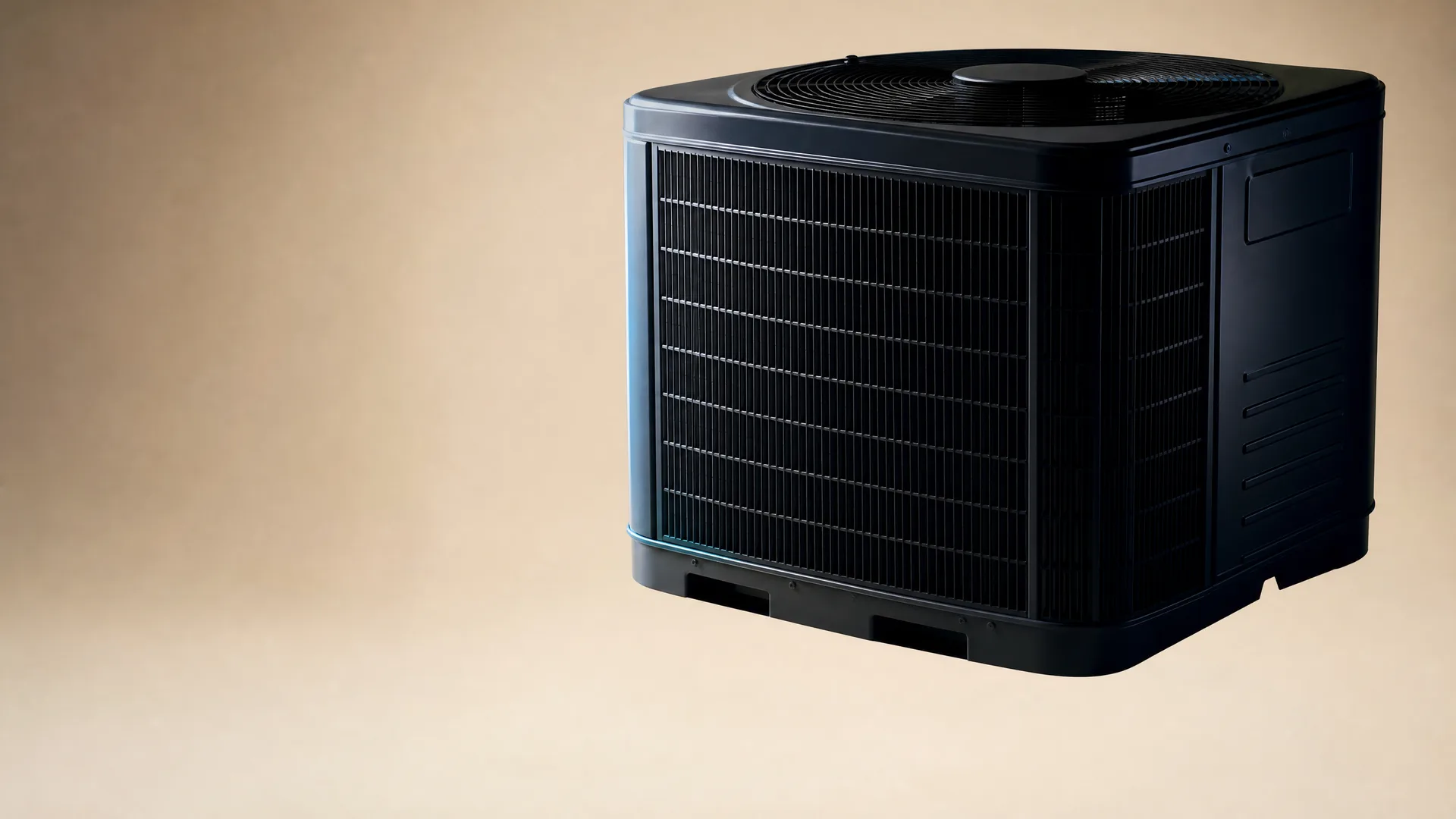
A standard unit, installed to handle the wind
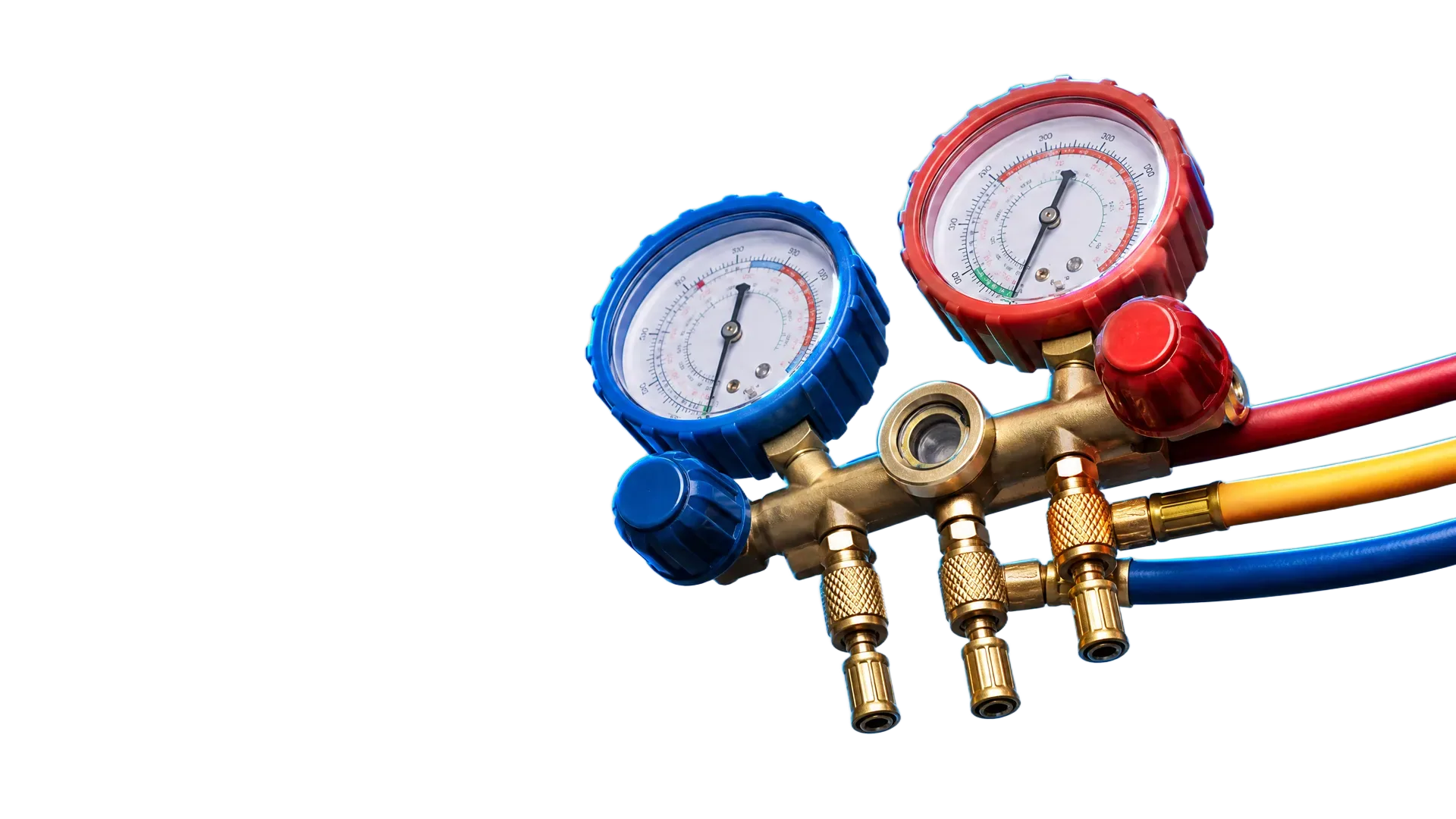
The unit in this photo doesn't need to be oversized or top of the line to hold up here. Summer afternoons across the state average 87°F, and cooling runs about four months a year, June through September. That's a longer season than in most other states, but it's not extreme heat running around the clock, and a properly sized system at a mainstream efficiency tier will keep up fine. Where the state stands out is wind. Damaging wind has hit California's counties thousands of times over the past decade, more than in most of the country, and that's worth factoring into how the outdoor unit gets mounted and secured. That's a question of placement and installation, not of buying a bigger or pricier machine.
Getting the size right
An air conditioner that's too big for the house cools the air fast and shuts off before it pulls the moisture out, so the room feels cold and clammy at the same time. One that's too small runs flat out on the hottest afternoons and still can't catch up. Either way the system cycles on and off more than it should, and every start puts wear on the compressor. The only way to get the size right is a load calculation, room by room, that accounts for the square footage, the windows, the insulation, the direction the house faces and how much shade it gets. Square footage alone doesn't tell you enough. Houses the same size can need different sized systems depending on how much sun hits the walls and how tight the building is. A contractor doing this right measures the house rather than guessing from the unit that's already there, because the old system may have been sized wrong from the start.

Half the homes in California were built in 1976 or earlier. That puts the state's housing older than 33 other states, and it matters when you're sizing a new AC system. An old duct run was built for the equipment of its time, not for a variable-speed compressor moving air the way today's units do.
Single-family houses make up about two-thirds of the housing in California, most of them with their own ductwork and their own attic or crawlspace runs rather than a shared system. Whatever is already in place, whether it's held up well or was patched together over the years, is worth having a contractor look at before the new unit goes in, since the installation only works as well as what it ties into.
Cooling costs more here than almost anywhere, on every bill for as long as the system runs.
Tell us about the job
Takes about a minute. No obligation.
Fill out the form once and California AC installers get back to you with what the job takes.