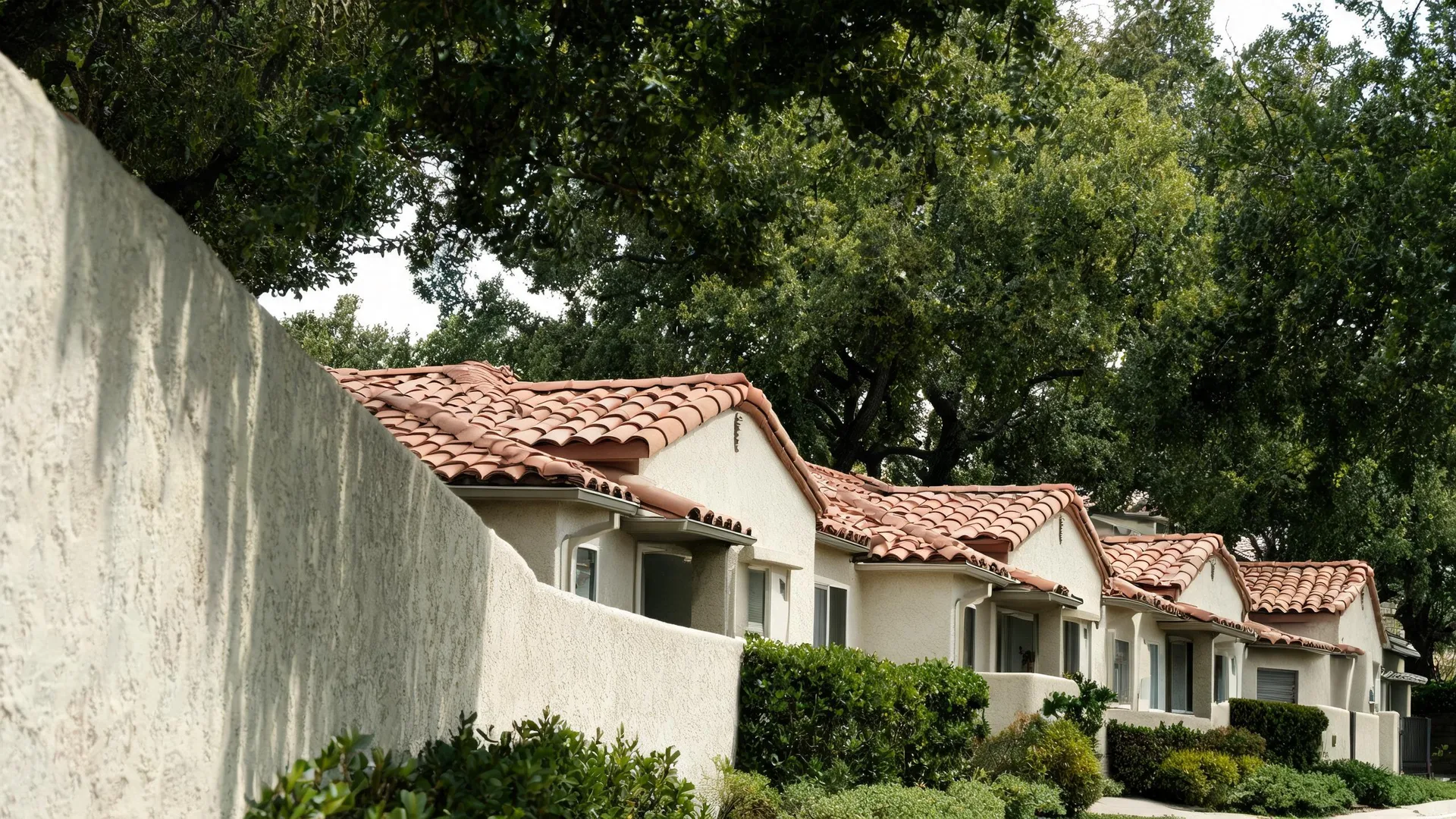






A row of single-story stucco houses with red clay tile roofs behind a tall white plaster wall and trimmed hedges, shaded by large leafy trees.

AC Installation in San Jose, CA

Tell us about the job

Takes about a minute. No obligation.

New system or replacementCentral ACSanta Clara County, CA
Step 1 of 2

What ZIP code is the job in?

Electricity in California ran 31.97 cents per kilowatthour in 2024, among the highest rates in the country. Every degree your new system squeezes out of each kilowatt matters more here than it would almost anywhere else. A unit with a higher SEER2 rating costs more to install but draws less power to deliver the same cooling, and that difference shows up on every bill for as long as you own it. When you're comparing options for San Jose, it's worth asking about the SEER2 rating on each one, not just the price to put it in.

3 months
July through September, your air conditioner is on duty
82°F
the average summer afternoon it cools against
33 hail events
in ten years, and hail bends the fins on outdoor coils
13.4 SEER2
the federal minimum any new unit must meet
Isometric cutaway illustration of a small house showing interior rooms, ductwork, an indoor air handler, and an outdoor condenser unit connected by lines, on a plain white background.
Your air conditioner works hardest from July through September.

NOAA nClimDiv, 1991–2020 normals

The size of the unit has to match the house, not the budget.

A system that's too big or too small costs more to install and run than one sized right the first time.

Wind and storms hit this county often. Where the outdoor unit goes, and how it's protected, matters.

298 severe weather events from 2015 to 2024
17% of homes statewide lost power a day or more in 2024
257 damaging wind events from 2015 to 2024

June is the month to get this done. Cooling starts in July and runs through September, about three months of real use. Put in a new system during those three months and you're asking a contractor to size and install it while it's already working hard for everyone else. Do it in June and there's no rush on either end, yours or theirs. The unit is also sitting ready on day one of the season instead of breaking in during the first hot week.

A new system here has to meet California's higher efficiency standard, and that can work in your favor

California requires new central air conditioners to hit at least 14.3 SEER2, higher than the federal minimum of 13.4 used in most of the country. That floor is already built into every unit a licensed contractor will quote you here. Installing now also qualifies for the federal energy efficiency tax credit on qualifying equipment, which lowers what the upgrade costs you after the fact.

Find a contractor
A man in a cap, dark long-sleeved shirt and tan work pants climbs wooden porch steps toward an orange front door, carrying a canvas tool bag with tools in it, beside a potted shrub in a terracotta planter.
An outdoor residential air conditioning condenser unit mounted on a concrete pad, surrounded by gravel with a blue sky in the background.

Sized for the house, not the season

Sizing starts with a load calculation, not a guess based on the old unit or the square footage alone. A contractor looks at the windows, the insulation, the ceiling height, and what else gives off heat inside, then works out how many BTUs need to come out of the house every hour. Too big and the unit blasts cold air and shuts off before it pulls the moisture out, so the place feels cold and damp at once. It also cycles on and off more often, and every start puts strain on the compressor. Too small and it runs flat out during the hottest stretch without ever catching up. The right size runs in long, steady stretches that bring the temperature down and take the humidity with it. That calculation is what decides the unit, not the size of whatever it's replacing.

The old unit has to come out first

A new outdoor unit can't just sit next to the old one. The old refrigerant has to be recovered, not vented, because it's against the law to release it into the air. The lines get disconnected, the old pad or mounting comes up, and the indoor coil usually comes out too, even if only the outdoor unit is being swapped. Mixing an old coil with a new condenser causes problems down the road.

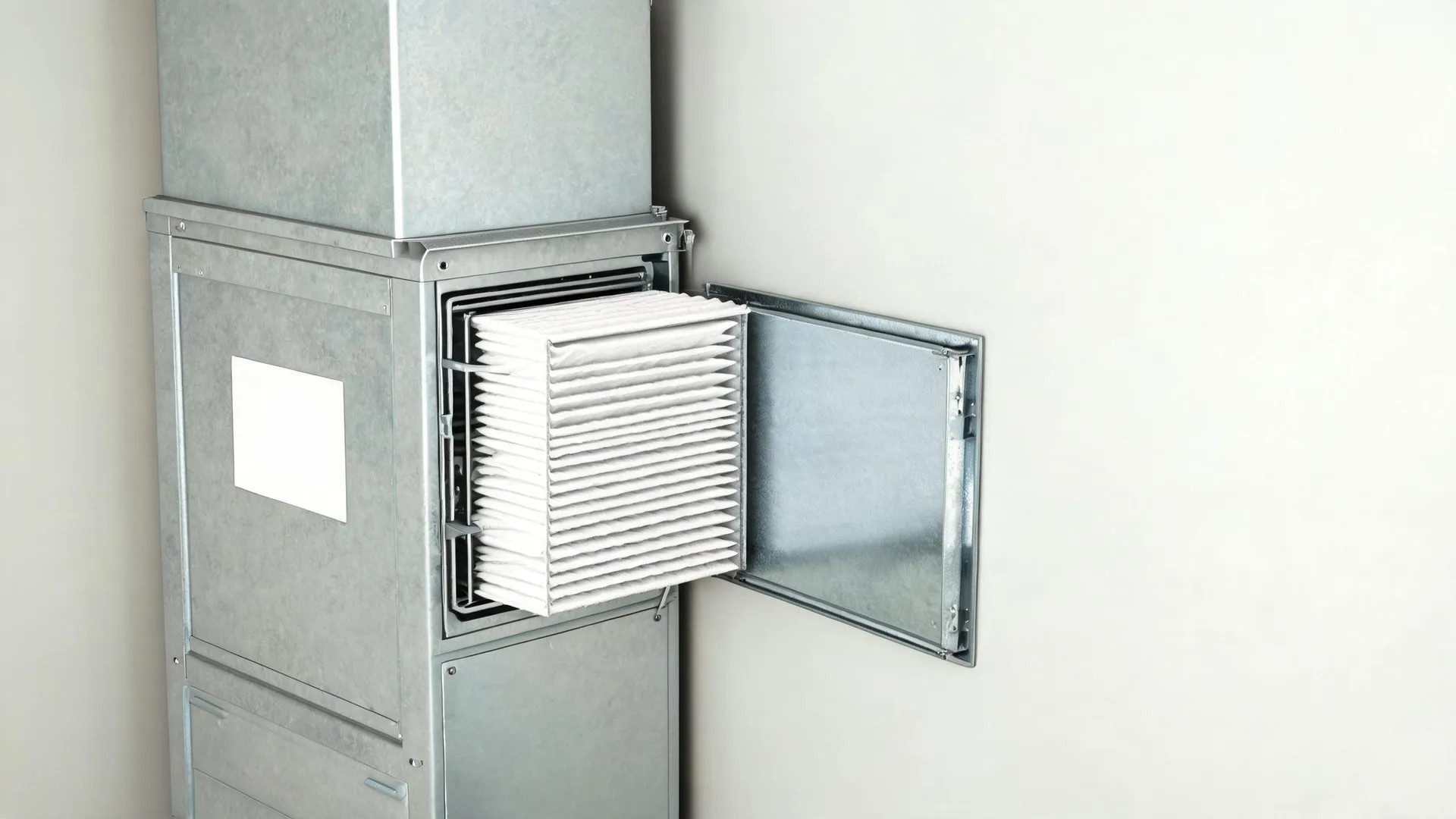
Matching parts matter more than the new unit alone

An air conditioner is a matched pair, the outdoor condenser and the indoor coil are designed to work together. Replacing one and leaving the other usually means the system runs at lower efficiency than the rating on the new unit's sticker, and some manufacturers won't honor the warranty on a mismatched setup. That's why most AC installations replace both pieces even when only one has failed.

Overhead view of an air conditioning condenser unit on a concrete pad next to a house with asphalt shingle roofing and vinyl siding.

Going above the federal minimum saves little here, about $20 a year.

  • A higher-efficiency unit$210 a year
  • A new unit at the federal minimum, 14.3 SEER2$230 a year

Estimates for a typical Santa Clara County home, from EIA household energy data, California fuel prices and NOAA climate normals. Your home will differ.

Installation day starts with the power off and the refrigerant lines open, so the house runs warm while the work is underway. The indoor coil and the air handler or furnace get disconnected first, since most jobs replace the coil along with the outdoor unit. Setting the new outdoor unit means leveling the pad and running new line sets if the old ones don't match the new unit's connections, then brazing those joints before anything gets charged. Once the lines are sealed, the system gets pulled into a vacuum to clear out air and moisture, because either one left behind damages the compressor over time. Only after that vacuum holds does the refrigerant go in, measured to what the unit calls for rather than topped off by feel. Startup comes last, checking airflow, checking the temperature split between the air going in and the air coming out, and confirming the thermostat is talking to the new equipment correctly.