Done looking for an air conditioner pro
AC won't turn on in Fresno, CA
You go to turn it on and nothing happens, not even a click or a hum. That usually points to power not reaching the unit, a tripped breaker, a bad thermostat, or a stuck contactor, and in Fresno heat none of those fix themselves. This page walks through why it happens and what to check first. Send the form and a local contractor who works on these systems takes it from there.
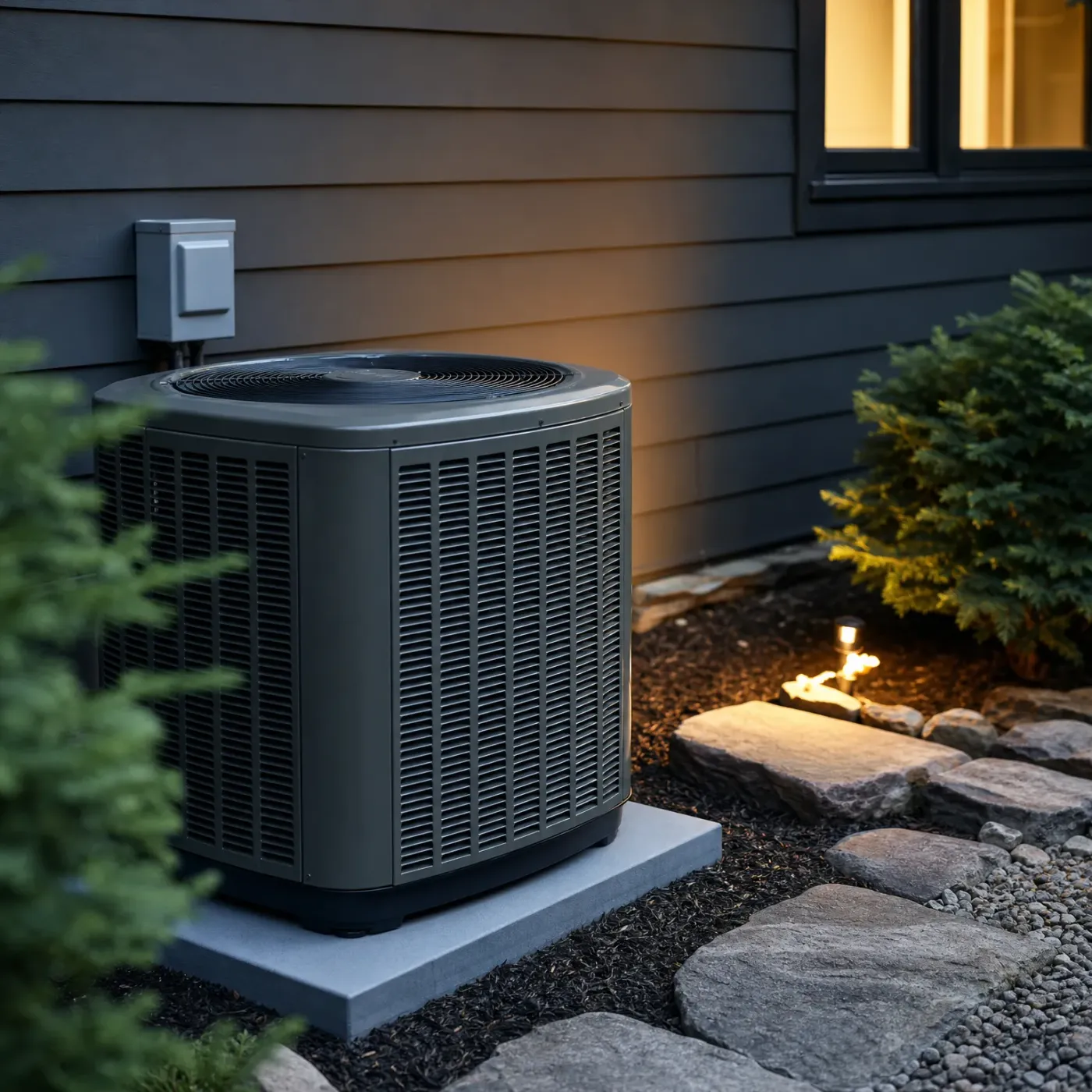
Send my requestWhen your AC won't turn on at all, the cause is almost always electrical, not the refrigerant side of the system. Start with the thermostat. If the screen is blank, check the breaker panel for your AC and your furnace or air handler, since many systems split power between the two. A tripped breaker that resets and trips again points to a short in the unit itself, not a fluke. If the breaker holds but the outdoor unit still won't run, the contactor, a small switch in the outdoor unit that sends power to the compressor and fan, may be stuck or burned. In Fresno, where the outdoor unit works hard through long stretches of 100-degree days, that contactor wears out faster than it would somewhere milder. A unit that stays off during a heat wave isn't a minor annoyance here. It's a repair worth getting to quickly.


Nothing happens by magic when you bump the thermostat down. It sends a small signal out to the outdoor unit, where a contactor is supposed to close and let full power reach the compressor. That contactor sees a lot of cycles over a Fresno summer, and the contacts inside it pit and wear until one day they don't pull in at all. Even with the contactor working, the compressor and condenser fan both need a capacitor to get started and keep running, and a weak one shows up as a hum with no start, or nothing at all. Power has to get to both the outdoor unit and the indoor air handler separately, since a trip or loose connection on either side stops the whole system. There's also a float switch sitting near the indoor coil that cuts the system off on purpose if the condensate line backs up. It's doing its job when that happens, but from the thermostat it looks exactly like the unit just died.
How the start signal actually travels
- The thermostat sends a low-voltage signal to a contactor in the outdoor unit, and that small switch is what actually closes the circuit to start the compressor.
- A contactor that's pitted or stuck open from months of cycling in Fresno heat won't pull in even when the thermostat is calling for cooling.
- The condenser fan motor and compressor both run off a capacitor, and a weak one can leave the unit humming or silent instead of starting.
- Many Fresno homes run AC and furnace off a shared disconnect or breaker, so a trip on one side can knock out power to both.
- A float switch near the indoor coil shuts the whole system down on purpose when the condensate line backs up, which protects the unit but reads as it being dead.
- The outdoor unit and the indoor air handler each need their own power path, so a problem at either one stops the whole system from starting.




It's off your list after this
A dead AC in a Fresno summer isn't something to sit with while you keep flipping the breaker and hoping. Once you've checked the thermostat and the panel and it still won't start, the cause is inside the outdoor unit, in the contactor or the wiring, and that calls for someone who opens up these units for a living. A contractor working Fresno County sees this exact failure through July and August, pitted contactors, tripped breakers from a dirty coil drawing too hard, and knows which one it is faster for having seen it before. Send the request and it goes to one licensed local contractor, not a handful competing for your callback, so you're not sorting through quotes while your house sits at 95 degrees. That part stops being your problem the moment you send it. What's left is getting the air moving again before the heat makes the house unlivable.
Why breakers trip in the heat
A compressor pulls the most power the moment it starts, and that surge is what a weak breaker can't handle once temperatures sit in the 90s and above for weeks at a time. Fresno summers push the unit to run long hours with little break overnight to cool back down, so a breaker that's been borderline all season is more likely to trip in July than in April. If yours trips once and holds after you reset it, that's worth mentioning to whoever looks at the system, since it can point to a short in the wiring rather than just an overloaded circuit.
What a stuck contactor costs you
A contactor is built to open and close every time the compressor cycles on and off, which in a Fresno summer can mean dozens of cycles a day. Each time it closes, a small arc of electricity wears the contact points a little more, and after enough seasons the metal pits or the switch sticks. A stuck contactor either won't pull in at all, so the unit never starts, or it stays closed and keeps the compressor running even after the thermostat is satisfied. Either way it's a part that fails from use, not from age alone, and replacing it is a straightforward fix once it's found.
Cooling runs June through September
Four months is most of your cooling for the whole year, so when the unit won't start in July or August, there's no mild stretch to wait out. A breaker or contactor that's borderline tends to fail during these months, not before them, because this is when the system runs longest and hardest.
NOAA nClimDiv 1991-2020


Where this leaves you
- A dead AC almost always comes down to power, the thermostat, the breaker, or the contactor, not the refrigerant.
- Checking the thermostat screen and the breaker panel first rules out the two easiest fixes before anything else.
- If those check out, the problem is inside the outdoor unit, usually the contactor or the wiring behind it.
- A local contractor who works on these systems all summer knows which of these parts fails first in Fresno heat.
- Sending one request means one licensed contractor looking at your unit, not a string of calls from companies you don't know.
- With summer carrying most of your cooling load here, getting the right part diagnosed matters more than guessing at it yourself.
A dead AC almost always traces back to one of a few things: power that isn't reaching the unit, a thermostat that's lost its signal, a tripped breaker, or a contactor that's worn out. None of that is refrigerant, and none of it fixes itself while you wait. Checking the thermostat screen and the breaker panel takes a few minutes and rules out the two things you can actually see. If both check out and the unit still won't start, the problem is sitting inside the outdoor cabinet, in the contactor or the wiring that feeds it, and that part isn't something to open up yourself.
This is where a local contractor earns their keep. Someone who works on these systems through a Fresno summer has already seen which parts give out first when the heat sits in the 90s for weeks straight, and they know a pitted contactor or a breaker worn down by heavy cycling the moment they get eyes on the unit. Sending one request puts your unit in front of one licensed contractor who takes it from here, rather than fielding calls from a handful of companies you didn't ask for. With summer carrying most of your cooling load in Fresno, there's no slow stretch to wait out while you guess at the part yourself. Getting the right diagnosis the first time matters more here than almost anywhere else, because the next hot afternoon is already on its way.
Hand off the search today
A licensed pro who works in Fresno County gets your request.