
AC keeps tripping the breaker in Anaheim, CA
Get matched with someone who does this kind of work in Orange County.
Get an air conditioner proWhy does my AC keep tripping the breaker?
It trips once, you flip it back on, and twenty minutes later it trips again. That cycle gets old fast, especially when the house is holding at 85 and everyone's waiting on the air to come back. A breaker that keeps tripping isn't being overly cautious. It's responding to something the system is actually doing, and running it again without knowing what that is just repeats the problem.
The breaker is tripping because your AC is pulling more current than it should
A breaker trips when something inside the unit is drawing too much power. That's usually a failing capacitor, a compressor that's working harder than it should, or a motor pulling extra current as it wears out. Dirty condenser coils can cause this too, since they force the compressor to run under more strain to move the same amount of heat. With Orange County summers running long, that system can rack up a lot of hours between April and October, and a part that's been struggling gets pushed past its limit on the hot afternoons when you need it most. Repeated trips mean a technician needs to check the compressor, the capacitor and the wiring before the breaker gets reset again, because flipping it back on without knowing the cause risks real damage to the unit.
Summer air here isn't the heavy, soaked kind you get closer to the Gulf. The National Weather Service puts the average summer dew point in Orange County at 59°F, which is on the dry side. That matters for a breaker that keeps tripping, because a drier load means your AC isn't fighting moisture on top of heat the way it would elsewhere. If it's still tripping, the strain is coming from somewhere else: a compressor pulling too much current, a capacitor on its way out, or wiring that can't carry what the unit is asking for. The dry air isn't masking the problem here. It's ruling out one explanation, which narrows down what's actually wrong with the unit itself.
NASA POWER T2MDEW




The breaker isn't the problem. It's doing its job, cutting power because something downstream is pulling more current than the circuit can carry. In a central AC system, the compressor is almost always where that extra draw comes from. It takes a hard pull of current just to get the motor turning, then settles down once it's running. If a part inside the unit makes that startup harder, or makes the whole run draw more than it should, the breaker is the one that notices first. A capacitor that's lost its charge, a fan motor that's dragging, refrigerant that's low and leaving the compressor working against pressure it wasn't built to fight against, any of these can push the draw past what a 15 or 20 amp circuit allows. Worth watching when it trips. If it's always on the hottest part of the afternoon and never first thing in the morning, that's a clue a contractor can use before they even open the panel.
What's Actually Tripping the Breaker
- A breaker trips when the current through it exceeds what the wire and the breaker are rated for, usually 15 or 20 amps for a dedicated AC circuit.
- The compressor draws the most current of any part in the system, several times its running amperage for the first second or two as it starts.
- A start capacitor that has weakened makes the compressor pull harder and longer to get moving, and that extra draw is what the breaker reacts to.
- A condenser fan motor that is seizing up or running slow adds load at the same time the compressor is starting, stacking two high draws together.
- Low refrigerant charge makes the compressor work against higher pressure than it should, so it draws more current through the whole run, not just at startup.
- A breaker that trips on a hot afternoon but not in the morning points to something that gets worse as head pressure builds through the day.



Compressor and fan motor draw a hard starting surge at startup.
A weak capacitor forces the compressor to pull extra current longer.
Worn compressor windings or a refrigerant issue raise amp draw further.
Current exceeds the breaker's rating and the breaker trips.


Cooling runs June through October
Five months is most of the year your AC carries the load for the house, June through October. A breaker that trips once in that stretch can get written off, but with that many months ahead, a weak capacitor or strained compressor will keep tripping it again and again.
NOAA nClimDiv 1991-2020


Find an air conditioner repair pro in Orange County
A breaker that keeps tripping is the panel protecting itself, not the problem fixing itself. Each trip means the compressor is pulling more current than the circuit is rated for, and that doesn't correct on its own. Left alone, it tends to go the other way: the compressor windings strain harder each time it tries to start, and a breaker that trips once a week starts tripping daily. Finding out whether it's a capacitor, a dirty coil, or something in the compressor itself means someone with gauges and a meter looking at the actual unit, not a guess over the phone. Instead of calling around Orange County for someone who can get out to Anaheim and look at it, you can hand this off and have a contractor who handles this kind of call reach out to you directly. The breaker will keep tripping until the cause gets found, and the part of that you don't have to do yourself is tracking down who's going to look at it.
What you notice in the house
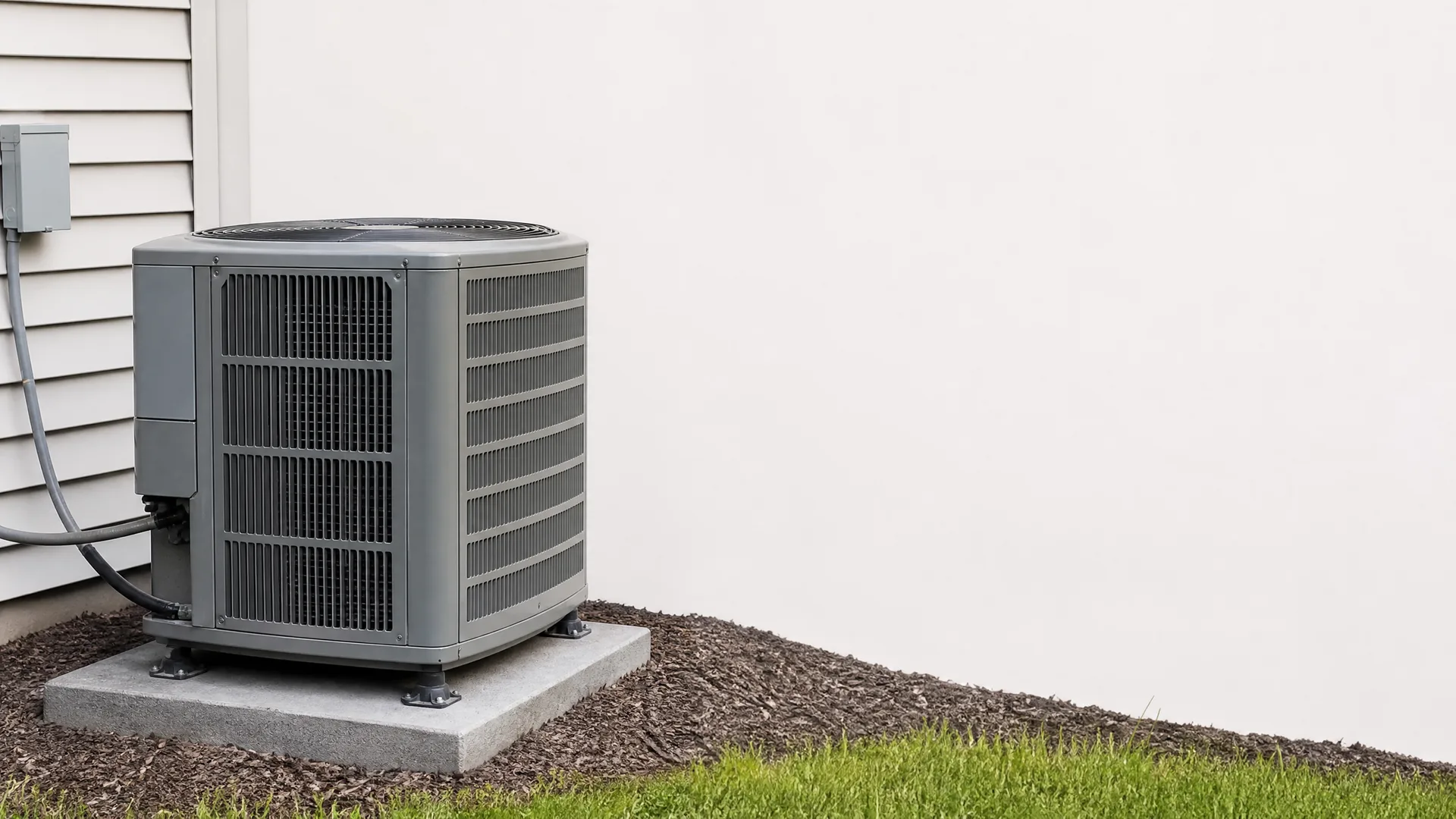
The air stops moving through the vents and the house starts climbing past whatever you had it set to. If it's the afternoon, you'll feel it fast, a room that was fine at noon is stuffy by three. You go flip the breaker back on, the unit kicks on, and you wait to see if it holds this time. Some households catch it after the second or third trip in a day, once it's clear this isn't a one-time thing.
What it risks if you wait
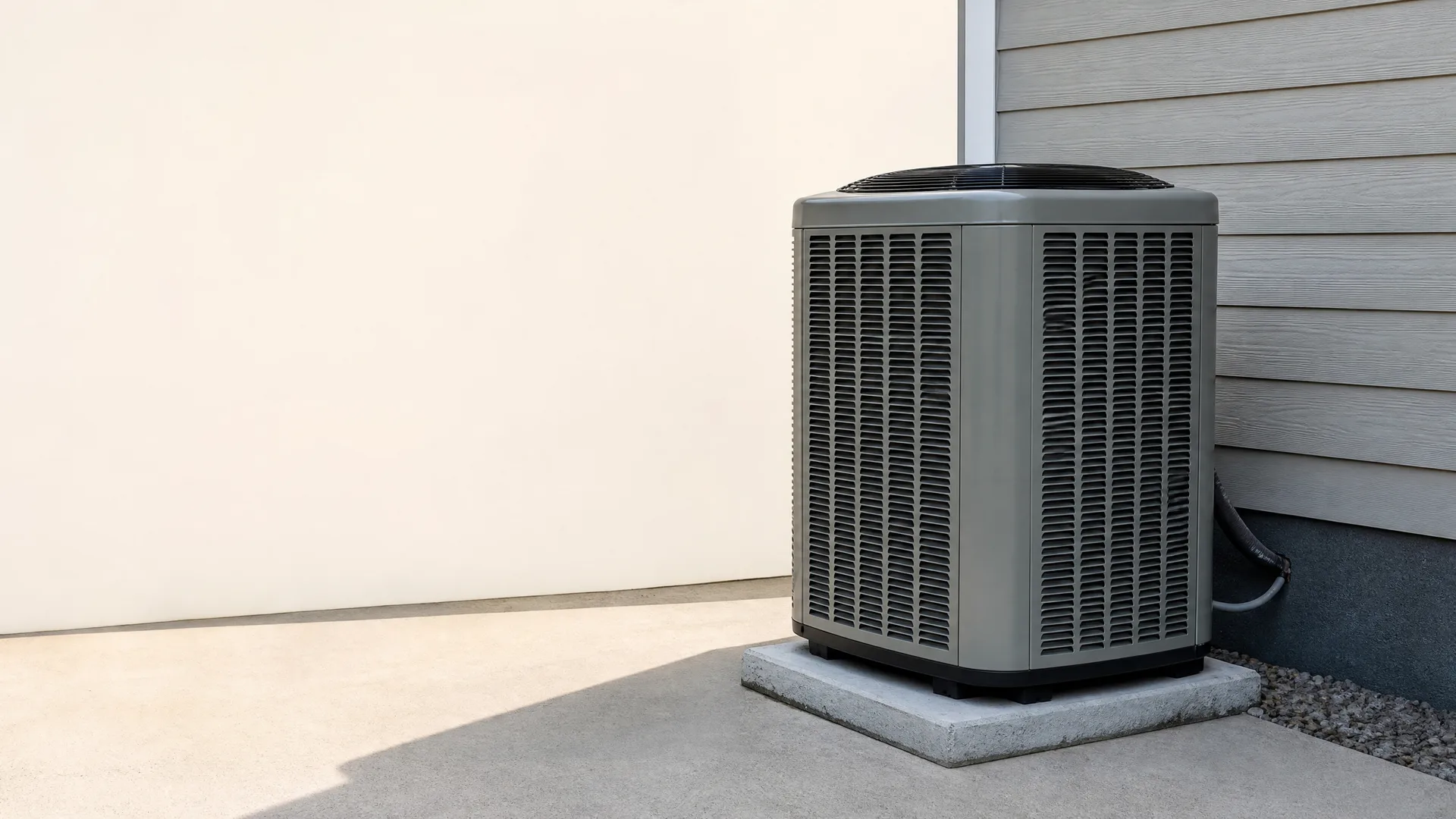
Each trip is the breaker doing its job, stopping current the compressor shouldn't be pulling. Ignore it long enough and the compressor itself takes the damage, since it's the part working hardest every time the breaker interrupts a hard start. A repair that might have been a capacitor swap can turn into a compressor replacement, and that's a bigger job than a failing part caught early. The breaker tripping isn't the failure. It's the warning before the failure.
A breaker that trips is telling you the compressor is pulling more current than the circuit can carry, and that points to a specific cause: a weak capacitor, a dirty coil, or windings that are wearing out. None of those get better by flipping the switch back on. Finding out which one it is means someone looking at the actual unit in the actual yard, not another guess over the phone. You could spend an afternoon calling around Anaheim, explaining the same thing to three different shops, waiting on quotes that don't line up, and still not know what's wrong. Getting matched with a contractor who handles this kind of repair skips that part. You explain it once, to someone who can look at the compressor and the panel and tell you which part is forcing the draw up. The house will keep needing the air to come back on through October, and a breaker that trips once a week now is one that trips more as the summer goes on.

Air Conditioner Repair
The right pro for this job

- Get matched with a pro who fixes air conditioners in Orange County.
- Get matched with a pro who works on air conditioners in Orange County.

- Send the request and finding a pro stops being your problem.
- After this form, you can stop searching for an air conditioner pro.

- Skip searching for an air conditioner pro and answer a few questions instead.
- One form replaces the calls you'd make to find an air conditioner pro.

- A licensed pro who works in Orange County gets your request.
- A licensed pro who repairs air conditioners in Orange County gets your request.