

Why your AC keeps turning on and off in California
Describe what your air conditioner is doing once, in one form.
Skip the searchWhy does my AC keep turning on and off?
You hear the compressor kick on, run for a few minutes, then quit, then start again a short while later. It never settles into a normal run. With power rates in California as high as they are, that kind of cycling worries you, and you want to know if it's something minor or the start of a bigger repair.
It's short cycling, and it usually means the system can't finish a normal cooling run
This is called short cycling. It means the system is shutting off before it has actually cooled the house, then starting again a few minutes later. A dirty air filter, a low refrigerant charge, a failing capacitor, or a thermostat sensing the wrong temperature can all cause it. An oversized unit will do it too, cooling the air near the thermostat fast without reaching the rest of the house. Each restart draws a surge of power to get the compressor moving again, and with electricity rates here among the highest in the country, that adds up fast on a summer bill. Left alone, the start-stop strain on the compressor is also what tends to shorten its life, so it's worth having someone look at it before a mild afternoon turns into a system that won't cool at all.




Short Cycling vs. Normal Cycling
Short Cycling
- The compressor starts, runs a few minutes, then shuts off before it pulls the heat down, so the thermostat calls for cooling again almost right away.
- A refrigerant charge that's too low will trip the system's safety switch well before the house reaches your set temperature.
- An oversized unit can cool the air near the thermostat fast without the rest of the house catching up, so it keeps restarting.
- A clogged filter or blocked return cuts off airflow across the coil, and the coil ices up and shuts the compressor down.
- A failing thermostat sensor can read the room wrong and call for the compressor to stop and start on its own schedule.
- Each restart draws a hard pull of power, and on California rates that adds up faster than a system that runs steady.
Normal Cycling
- The compressor runs long enough to bring the house down to the set temperature, then shuts off and stays off until it climbs back up.
- On a mild coastal day the compressor might run fifteen or twenty minutes and then sit idle for an hour or more.
- On a hot inland afternoon the same system runs longer stretches with shorter breaks between, which is expected when it's working harder.
- A correctly sized system matches its on time to the size of the house, so the thermostat isn't calling again within minutes.
- Airflow stays steady through the filter and coil, so the coil runs cold but doesn't ice over and force a shutoff.
- Fewer restarts mean fewer of the power spikes that come from the compressor forcing itself back on from a dead stop.
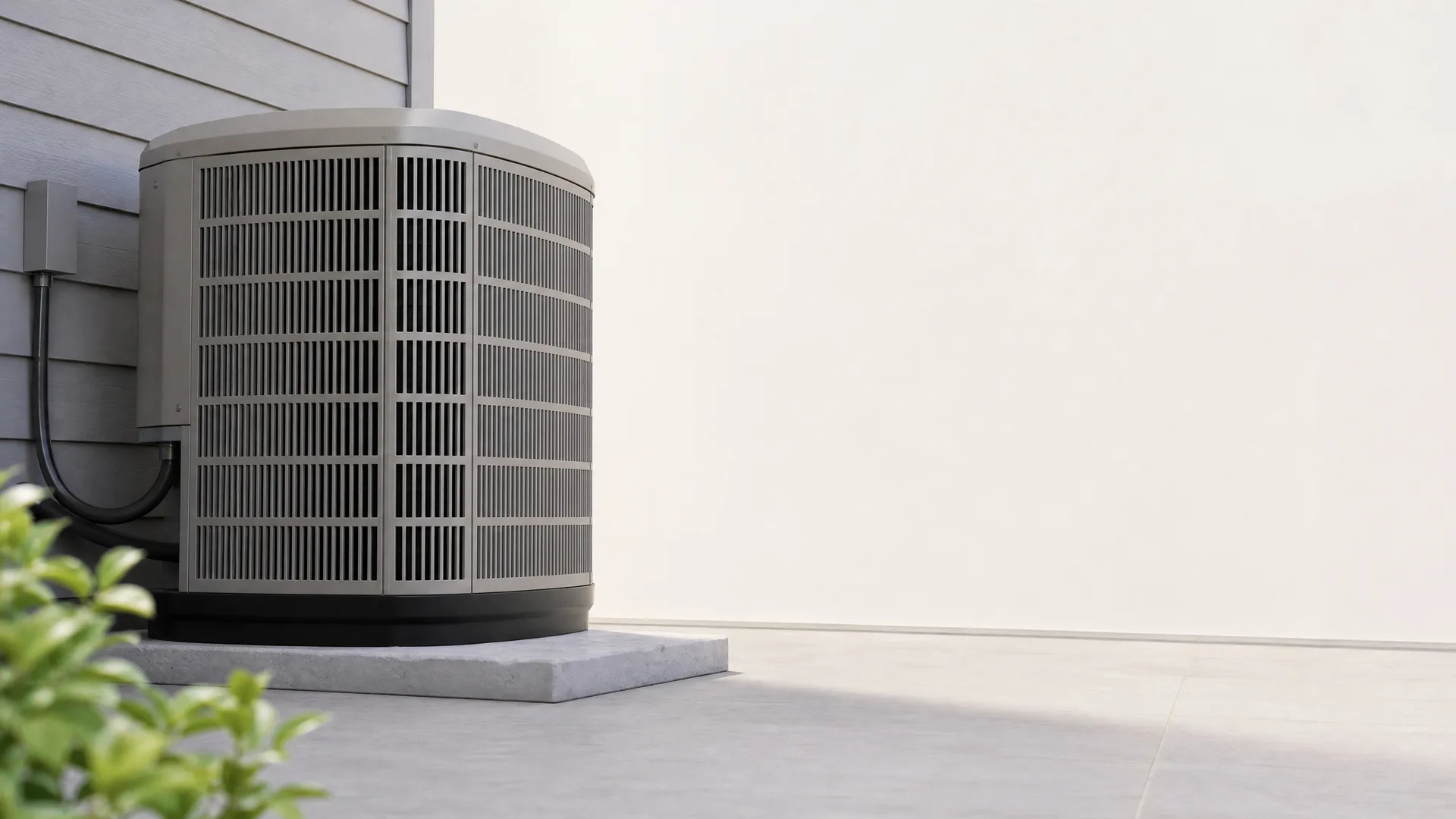
What a full cycle looks like
A system that's working right pulls the house down several degrees over ten to fifteen minutes, then shuts off and stays off until the house warms back up. That off time matters as much as the run time. It's when the coil drains and the compressor rests before it has to work again. If your thermostat is calling for cooling again in two or three minutes, the system never finished the job it started.
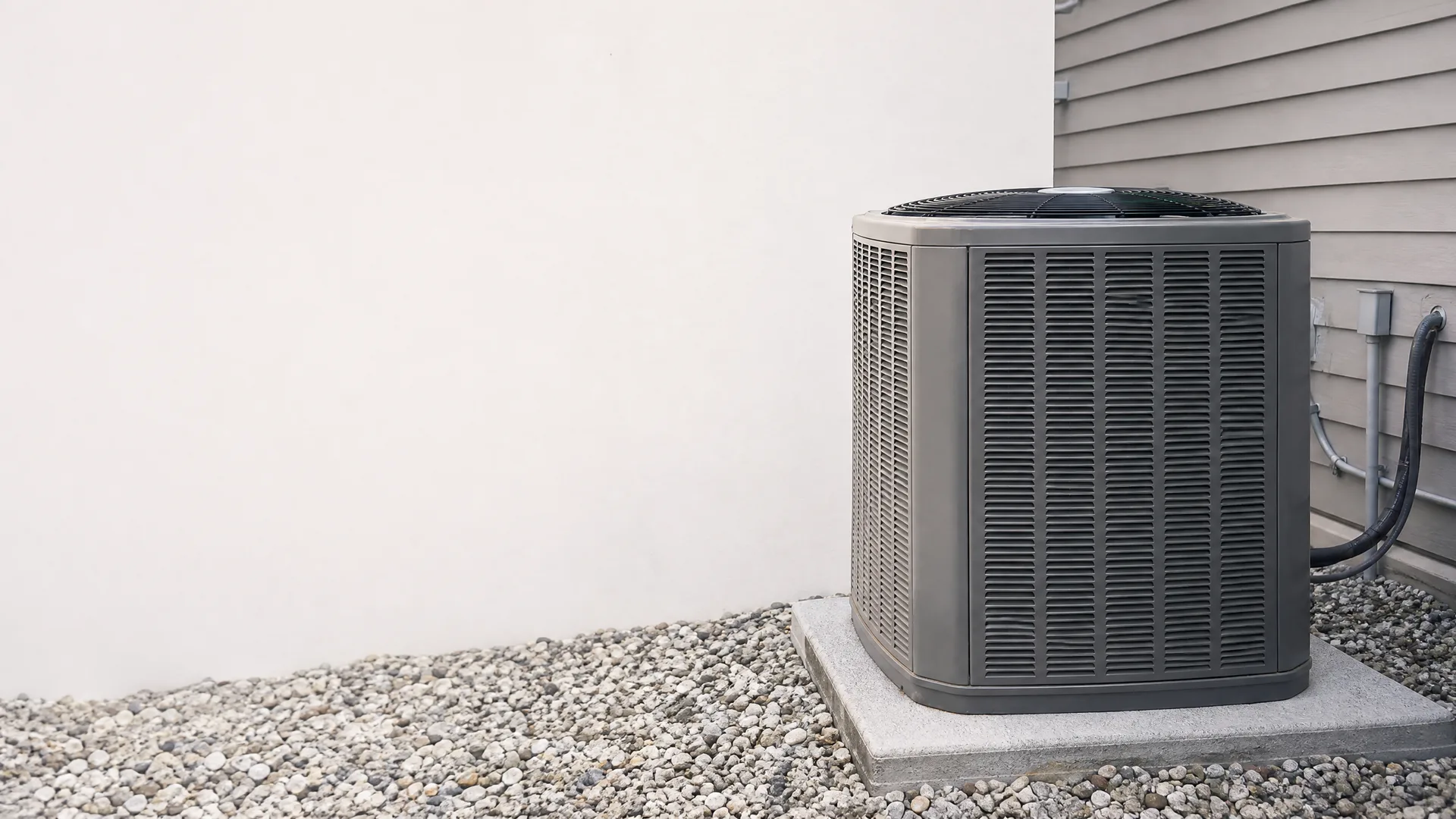
Why the compressor hates short runs
A compressor draws the most current in the first second it starts, more than it draws running steady. Each start also sends oil through the system before the compressor settles in and gets proper lubrication. A unit that starts and stops every few minutes is asking that motor to take its hardest moment over and over, all day, instead of once every quarter hour like it was built to do.
Power costs 31.35 cents per kilowatt-hour statewide
At 31.35 cents per kilowatt-hour, a compressor that short cycles isn't just failing to cool the house, it's pulling current over and over without finishing the job. Every false start costs you, and your power bill will show it before the house ever feels cooler.
EIA-861 2025 statewide residential average
A compressor that keeps restarting puts more wear on itself than one that runs a full cycle and shuts off clean. Every short cycle is a hard start, and hard starts are what burn out a compressor years before it should quit.
Replacing a compressor costs far more than the repair that would have stopped the cycling. The part that's making it cut out early, a bad capacitor, a stuck contactor, a low charge, is almost always the cheaper fix if it gets caught first.


Skip calling around
Only one pro gets your request, so you hear from one company.
Answer a few questions instead of calling shop after shop.
Asking costs nothing, and the choice to hire stays yours.
Is your house actually cooling down or just the AC noise cycling
Walk through your house when it's running and check whether the rooms actually feel cooler or just the sound of the compressor is what changed. You might notice the thermostat display flipping between "cooling" and "off" every few minutes. The vents blow cold for a bit, then warm, then cold again. Your energy bill will often tip you off before the house does, since each restart pulls a jolt of current without finishing the job of cooling anything. Left alone, this pattern doesn't fix itself. The parts taking the brunt of all those restarts keep wearing down every time the system kicks back on, and a compressor that fails from this usually fails for good.
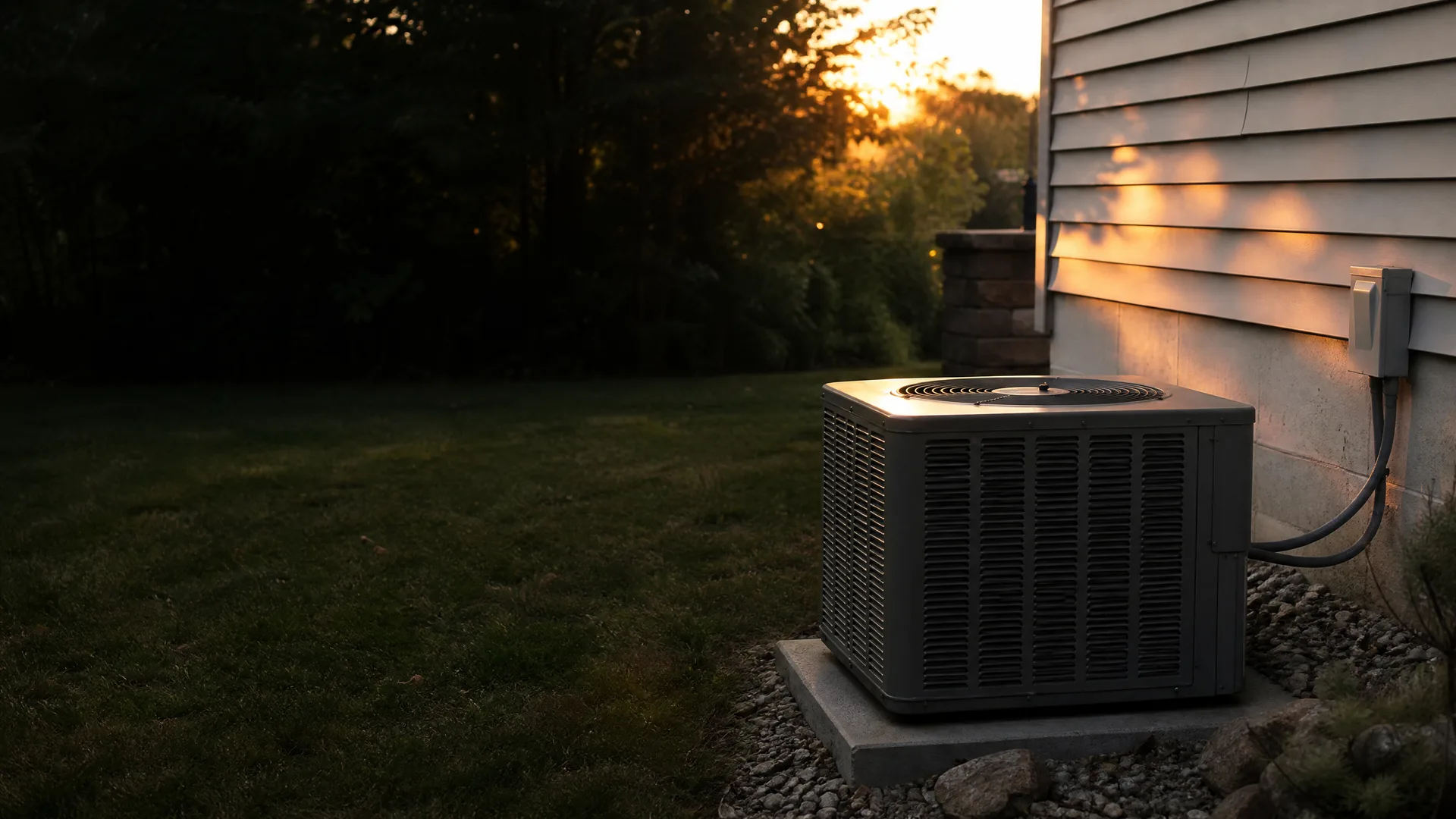
The sun's almost down and the backyard still holds the day's heat. You walk out to check on the condenser because the house hasn't cooled off the way it should by now. The unit clicks and goes quiet. You stand there a second, waiting for the fan to catch, and it doesn't. No hum, no blades turning, nothing. Inside, the thermostat still reads warmer than it's set for. You crouch down and look through the grille, half expecting to see why, but there's nothing obvious to see. The evening is mild, the kind of dry California evening that shouldn't be a problem for the house at all, and the unit just sits there, silent, between one cycle and the next that isn't coming.
A compressor that short cycles has a reason, and that reason is something a contractor can find and fix, whether it's a weak capacitor, a low charge, or a thermostat placed somewhere it shouldn't be. Left alone, it runs up your power bill and wears out a compressor that should have lasted years longer. Finding someone for this isn't like finding someone for a remodel. You want one contractor who shows up knowing what tends to fail on these systems after a California summer, not three companies competing for the job and blowing up your phone with quotes to sort through. A local contractor who works on this equipment all season has likely already seen your exact problem on the house down the street. You don't need to explain it twice or vet anyone. You need the cycling to stop, the compressor protected, and the house cooling the way it's supposed to.

Air Conditioner Repair
Describe it once

- Tell a local repair pro what your air conditioner is doing.
- Say what's going on with your air conditioner, and a pro who works on them reaches out.

- Send the request today and let an air conditioner pro reach out to you.
- Get the air conditioner repair search off your mind today.

- Fill out one short form instead of calling around.
- Explain the job once and skip repeating it on every call.

- Your request goes to one pro, not a list of companies.
- The pro who reaches out is licensed in California.