
AC Maintenance in California
Electricity costs homes more in California than in 48 of the other 49 states.
Tell us about the job
Takes about a minute. No obligation.
- 87°Fsummer afternoon high where people live
- 4 monthsof cooling, June through September
- 31.97¢ per kWhwhat homes paid for power in 2024 (kWh means kilowatt hours, the unit on an electric bill)
- 344hail events from 2015 to 2024
Electricity costs more here than almost anywhere A neglected AC wastes it all summer
- Southern counties need about twice as much cooling than northern ones
- Summer afternoons average 87°F where people live
- Cooling runs June through September
- 344 hail events from 2015 to 2024
- 4,171 damaging wind events from 2015 to 2024
- 17% of homes lost power a day or more in 2024
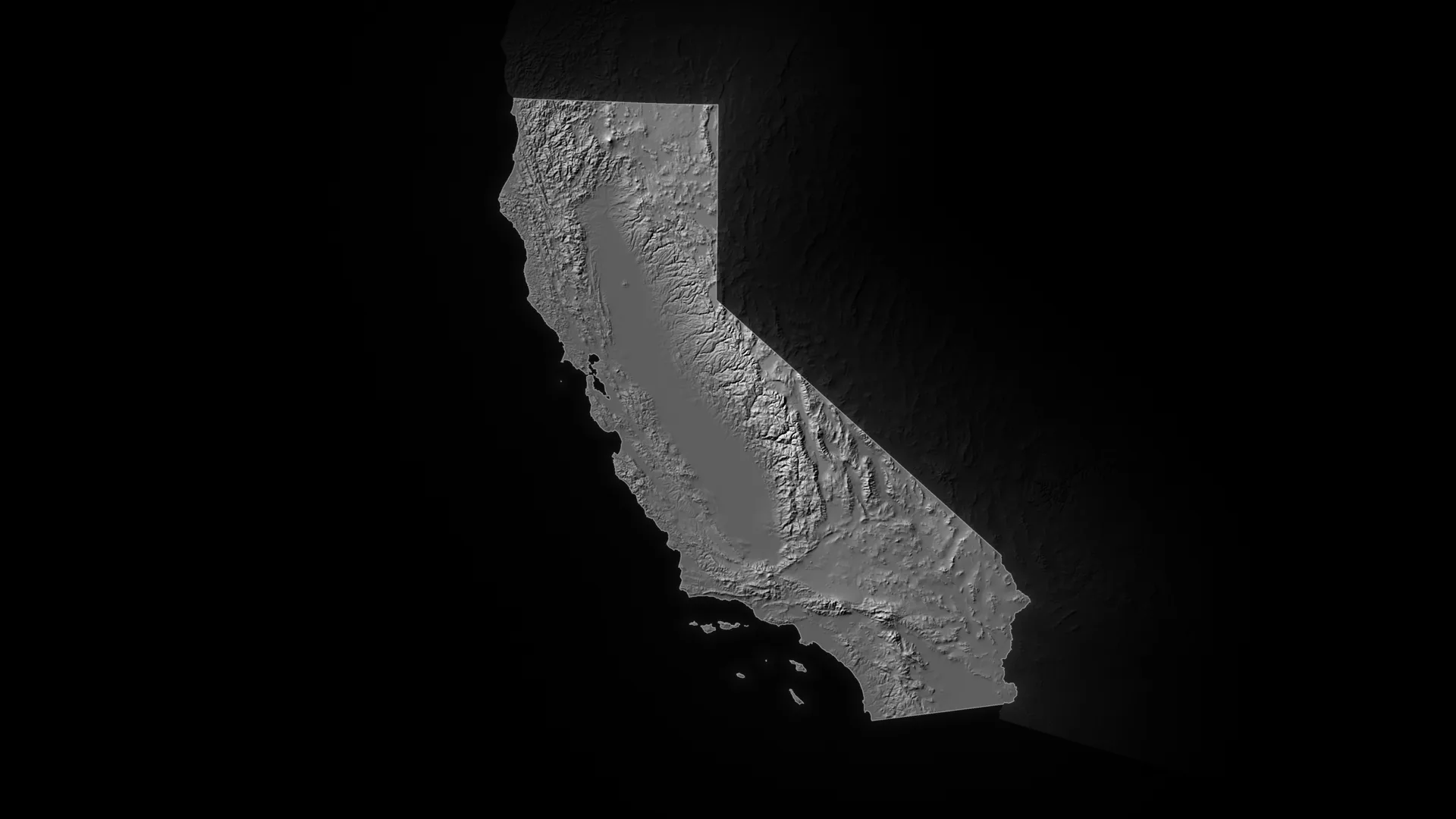

Half of California's homes were built in 1976 or earlier
What skipping it does to the system
A dirty filter is where most of the trouble starts. Airflow drops, the coil inside gets starved of air, and it can ice over even on a hot day. Once that happens the system can't move heat the way it should, so it runs longer to do less. The condenser coil outside collects its own problem. Dust, grass clippings, whatever blows through it settles in, and that coil has to shed heat into the outside air or the whole cycle backs up. A technician cleaning that coil once a year is doing a job the weather mostly doesn't do on its own. Low refrigerant charge creeps up quietly too. It doesn't blow out all at once. It seeps from a fitting or a worn connection, and the system keeps running on less than it needs, which means longer cycles and a compressor working harder for the same result. A compressor that runs hot for years because of any of this doesn't fail dramatically. It just wears down faster than it would have otherwise.

Storms here take their toll on outdoor units
Check for damage before the season asks the system to work through it
California sees more damaging wind than 40 of the other 48 states. That outdoor unit sits outside through all of it, along with whatever hail and debris come with the next storm. A bent fin or a cracked line isn't always obvious from the back porch. A tech checking the coil and the refrigerant lines before summer catches what the last storm left behind, before the system has to run on it for months.
What does an AC in California face?
How hot do summer afternoons get?
87°Faverage afternoon high where people live
Alaska66°F
Arizona101°F
How many months does the cooling run?
4 monthsof cooling a year
Alaska0 months
Hawaii12 months
What does electricity cost?
31.97¢per kWh, what homes paid in 2024
North Dakota11.51¢
Hawaii42.86¢
How often do storms hit?
239severe weather events per county from 2015 to 2024
Alaska5
Wyoming1,057
How many homes lost power for a day or more?
17%of homes in 2024
Arizona7%
Maine54%
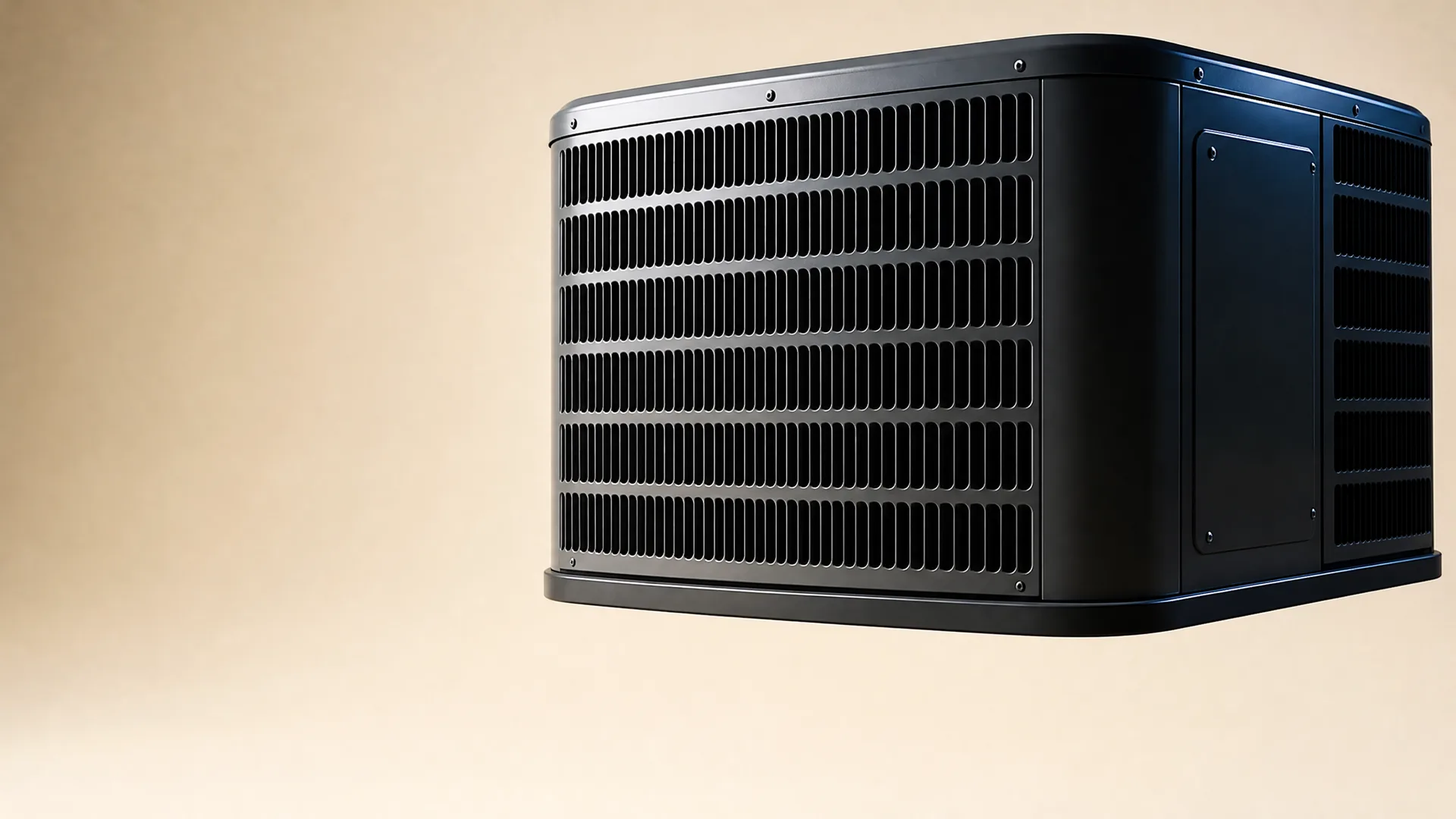
Get it looked at before June, not during it
June is when the work starts here, and it doesn't let up until September. A system that goes into June with a clean filter, a clear coil and the right charge can keep up with that stretch. One that goes in already behind falls further behind as the months pass, since every one of those problems makes the system run longer to do the same job. May is the window to get it looked at, before the season asks anything of it.
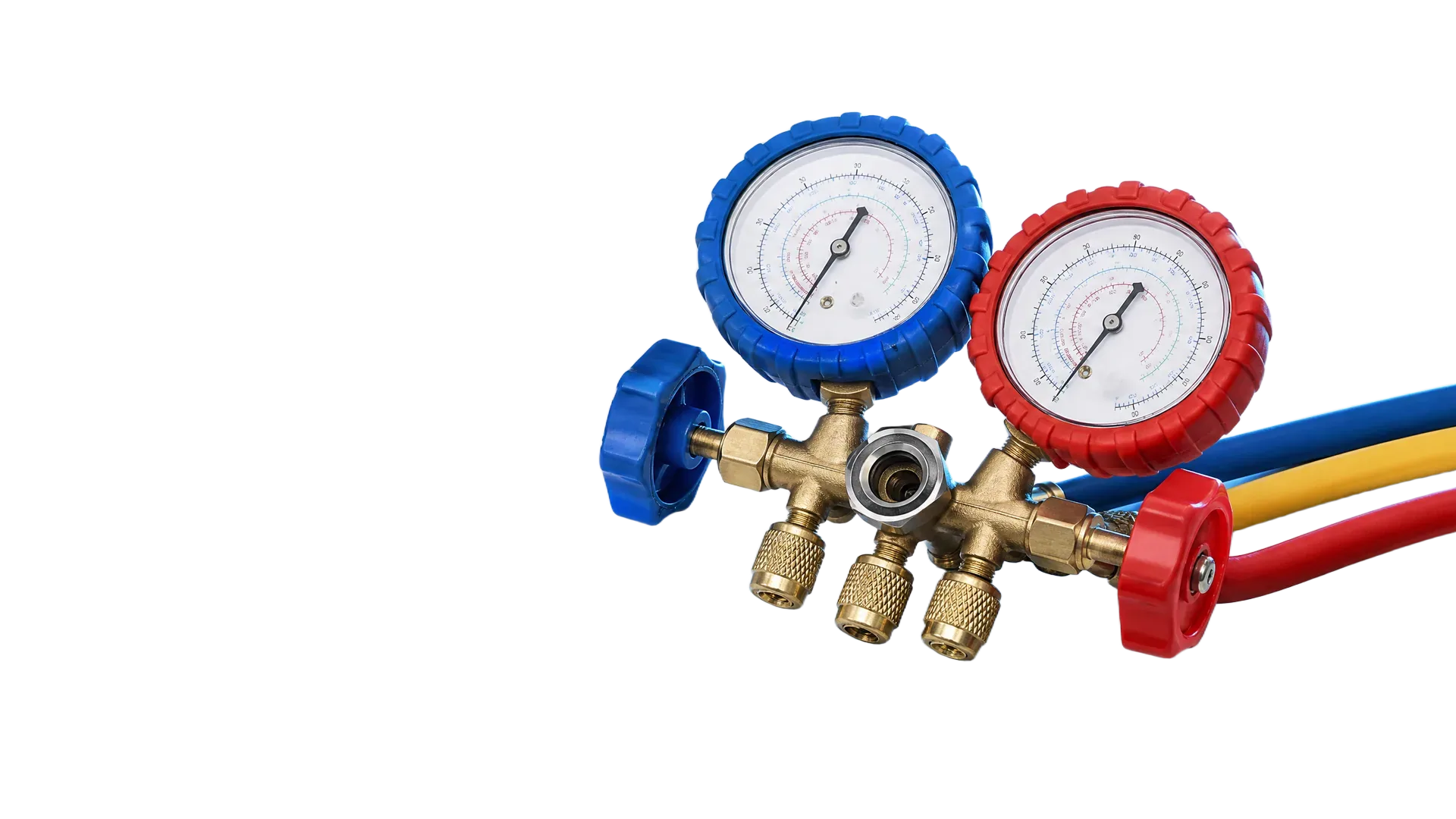
Between visits, the filter is the one job that's yours
The filter is the one part of this system meant for the homeowner's hands. Pull it out and hold it up to a light. If you can't see light through it, it's past due. A clogged filter starves the coil behind it, and a starved coil can ice over even when it's hot outside. Swap it on a schedule instead of waiting for it to look bad, since by the time it looks bad the system has already been working around it for weeks. Outside, keep the area around the condenser clear. Grass clippings, leaves, anything piled against those fins blocks the airflow that unit needs to shed heat. A garden hose can rinse light dust off the fins, but bend one and it stays bent, so go gentle or leave it alone. Inside the house, keep an ear out for anything that changes. A new rattle, a hum that wasn't there before, air coming out weaker than it used to. None of that is something to fix yourself, but it's exactly what a technician needs to hear before they open the panel. Past the filter and the clear space outside, the rest is refrigerant lines and electrical connections that call for the right gauges and training to read them.

The condensate drain is the part people forget because it never asks for attention until it backs up. Warm air passing over the cold evaporator coil leaves water behind, and that water is supposed to run off through a drain line and out of the house. Dust and a film that builds up in that wet environment narrow the line over time, and algae will grow in it given the chance. When it clogs, the water has nowhere to go but back up into the pan under the coil, and from there into the ceiling or the closet floor below it. Some systems shut themselves off when that pan fills, which is the system protecting itself, not a separate problem to chase down.
A filter, a coil and a drain tend to fail the same quiet way, slowly and usually together. A dirty filter starves the coil of airflow, the coil runs colder than it should, and it starts pulling more moisture out of the air than the drain is used to handling. More water through a line that's already narrowing is how a clog that built up over a long stretch suddenly turns into a puddle on the floor. None of these parts is serious on its own if someone looks at it regularly. Left alone and stacked on top of each other, they turn a simple maintenance visit into a repair.
Southern California homes cool about twice as much as northern ones, so your county sets the schedule.
Tell us about the job
Takes about a minute. No obligation.
Answer a few questions and a licensed contractor who services your area will reach out.