




Overhead view of an air conditioning condenser unit on a concrete pad next to a house with asphalt shingle roofing and vinyl siding.

AC Maintenance in Yuba City, CA

Tell us about the job

Takes about a minute. No obligation.

Tune-up, service, or cleaningCentral ACSutter County, CA
Step 1 of 2

What ZIP code is the job in?

Electricity in California ran 31.97 cents per kilowatthour in 2024, among the highest rates in the country. A dirty coil or a low refrigerant charge makes the compressor work harder to do the same job, and every extra minute it runs shows up on the bill. In a place where power costs this much, that difference matters more than it would somewhere else. A tune-up checks the coil, the refrigerant charge and the airflow, the things that make the compressor strain when they're off. Keeping those right is what keeps the unit from quietly costing more than it should.

5 months
May through September, your air conditioner is on duty
94°F
the average summer afternoon it cools against
4 hail events
in ten years, and hail bends the fins on outdoor coils
56 wind events
in ten years, and wind drives debris into outdoor units
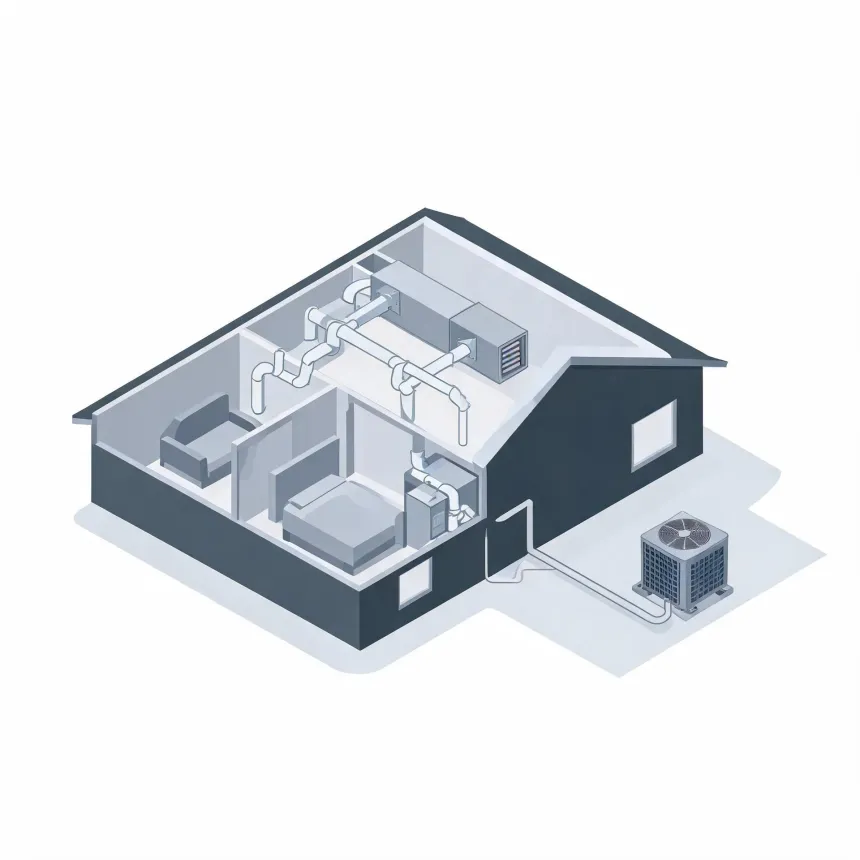
Isometric cutaway illustration of a house showing interior ductwork, an air handler and furnace unit, and an outdoor condenser connected by lines outside the wall.
Your air conditioner works hardest from June through September.

NOAA nClimDiv, 1991–2020 normals

May is when cooling starts in Sutter County, and it runs hard from the first week.

April is the month to get the coil and charge checked, before the system is working every day.

Half these homes date to 1982 or later, so most AC systems here still have years ahead of them worth protecting

Half the homes here were built by 1982
Cooling runs May through September
Summer afternoons average 94°F

A weak capacitor or a pitted contactor doesn't show up when the system is sitting idle. It shows up once the system is running every day, which in Sutter County starts in May and doesn't let up until September. By the time it fails, it's likely June or July, with afternoons averaging 94 degrees and no cooling until someone can get out to the house. Checking those parts before the season starts is easy work. Replacing one in the middle of a hot stretch is not.

A tune-up pays for itself here

A neglected system uses more power, and power costs more here. A tune-up pays for itself.

Find a contractor
An outdoor air conditioning condenser unit mounted on a concrete pad beside a house, with electrical conduit running to a wall-mounted disconnect box.

Worn parts don't wait for a slow month

Get the capacitor and contactor checked before the season starts. Both take the brunt of a five month run and both are easy to test while the system is sitting idle. Finding a weak one before June is a quick fix. Finding it in July is a breakdown at 94 degrees with no cooling until someone can get out to the house.

The refrigerant charge, checked against the gauges

A system low on refrigerant still blows cold air, so nothing feels wrong at the vent. The only way to know the charge is right is to connect gauges and measure it. Run it low long enough and the compressor works harder for the same result, and in time that wear reaches the compressor itself.

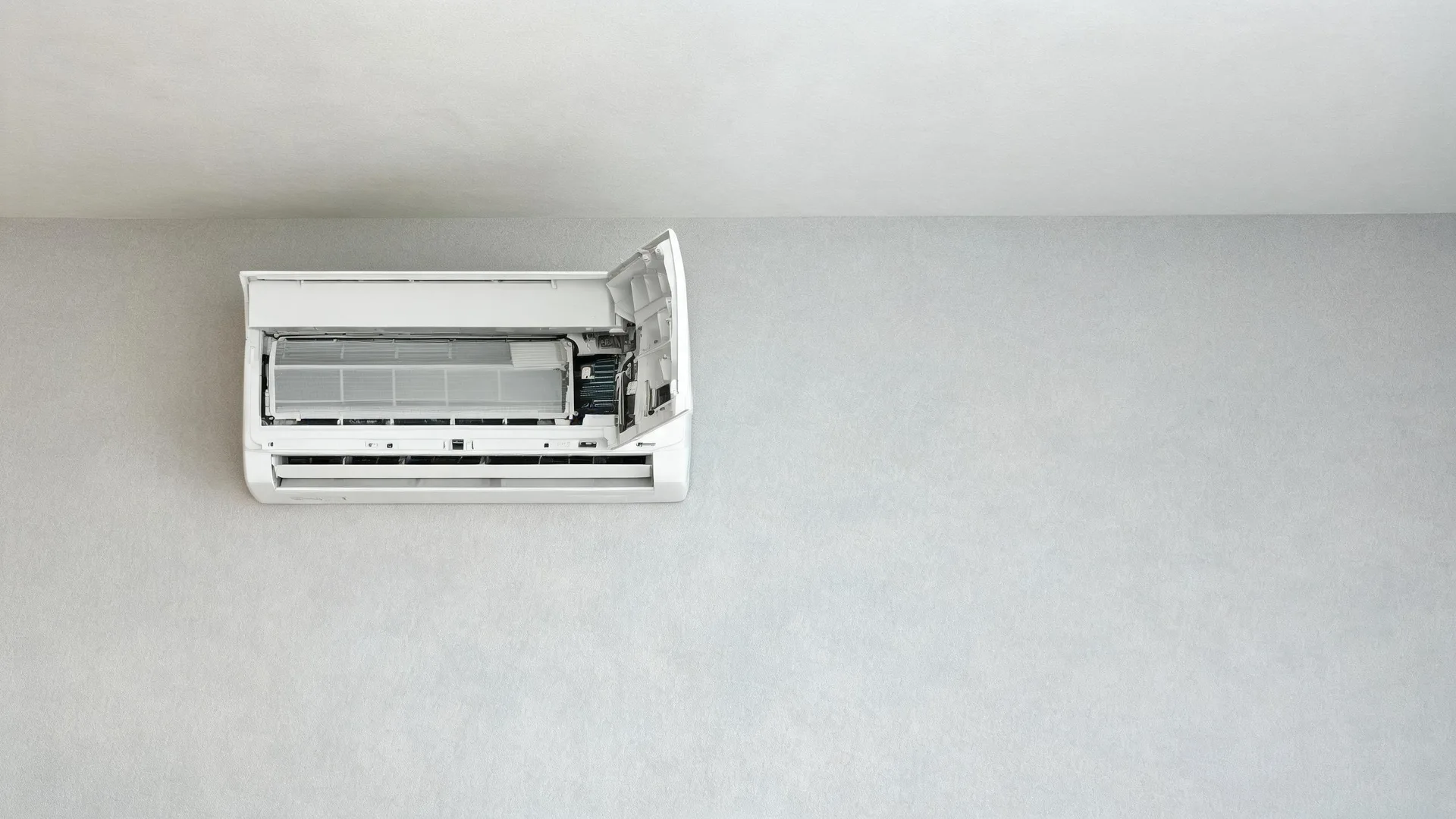
What a cleaned coil changes right away

Dust and a thin film build on the outdoor coil without ever looking dirty from a few feet away. That film holds heat against the coil instead of letting it release, so the system runs longer to pull the same heat out of the house. Washing the coil down is routine work, but it is the kind of thing a homeowner has no way to check without pulling the panel off.

An outdoor central air conditioning unit mounted on a concrete pad beside a blue-sided house at sunset.

Book your AC tune-up in April, before homes here start needing cooling in May.

  1. Jan
  2. Feb
  3. Mar
  4. Apr
  5. May
  6. Jun
  7. Jul
  8. Aug
  9. Sep
  10. Oct
  11. Nov
  12. Dec

A tune-up checks the refrigerant charge, cleans the coils, tests the capacitor and tightens the electrical connections.

A real tune-up means the panels come off, not just a glance at the thermostat. The technician checks refrigerant charge against gauges, not guesswork, because a system can blow cold air and still be running low. The capacitor and contactor get tested under load, since both wear out quietly until the day they don't start at all. The condenser coil gets washed clean of the film that builds up on it, and the evaporator coil gets checked too if it's accessible. Electrical connections get tightened, because a loose one generates heat and heat damages insulation over time. The blower wheel gets inspected for dust buildup, since a dirty wheel moves less air no matter how clean the coil is. None of this takes long when a system is working fine. It takes a lot longer when something's already failed.