

Heat pump tune-up in Concord, CA

One request and finding someone for the tune-up is handled.

Send my request

A heat pump tune-up is a yearly service where a contractor checks refrigerant charge, cleans the outdoor coil, tests the compressor and reversing valve, and makes sure the thermostat and airflow are working the way they should. Your heat pump runs both sides of the year here, cooling the house during the warm months and keeping it warm when the mild winter nights turn cold, so it gets more hours of work than a system that only cools. That wear adds up quietly: a coil caked with dirt or a refrigerant charge that's drifted low won't fail outright, but it makes the unit run longer to do the same job. Catching that before summer or winter settles in means fewer surprise breakdowns and a system that isn't straining to keep up. For most homes in Concord, once a year is enough to stay ahead of it.

A gray outdoor condenser unit on a concrete pad beside a light-green sided house, surrounded by mulch, ornamental grasses and a shrub, with mowed lawn in the foreground.

Running clean

The outdoor unit sits clear, with open space around the coil and nothing blocking the airflow in or out. Fins stay bright and the grille stays clean. A system kept up like this can move heat efficiently whether it's pulling it in or pushing it out, through a Concord summer and a Concord winter both.

An outdoor air conditioning condenser unit with a top fan grille sits on a concrete pad beside a house with horizontal siding and a concrete step.

Coil caked with dust

Dust and debris have built up thick across the coil fins and the grille. Airflow across that coil drops, so the system works harder to move the same amount of heat. Left alone, that strain falls on the compressor, the part of the heat pump most expensive to replace.

How much does your heat pump really work in Concord?

  • Winter nights average 41°F

    Winter nights average 41°F here, cold enough that your heat pump leans on its compressor most nights from November through April.

  • Heat runs November through April

    Heat runs November through April, six months of the year, so a tune-up before fall means the system is ready before you need it every night.

  • Cooling runs June through September

    Cooling runs June through September, the same unit switching jobs twice a year, which is why both sides need checking, not just one.

NOAA nClimDiv 1991-2020

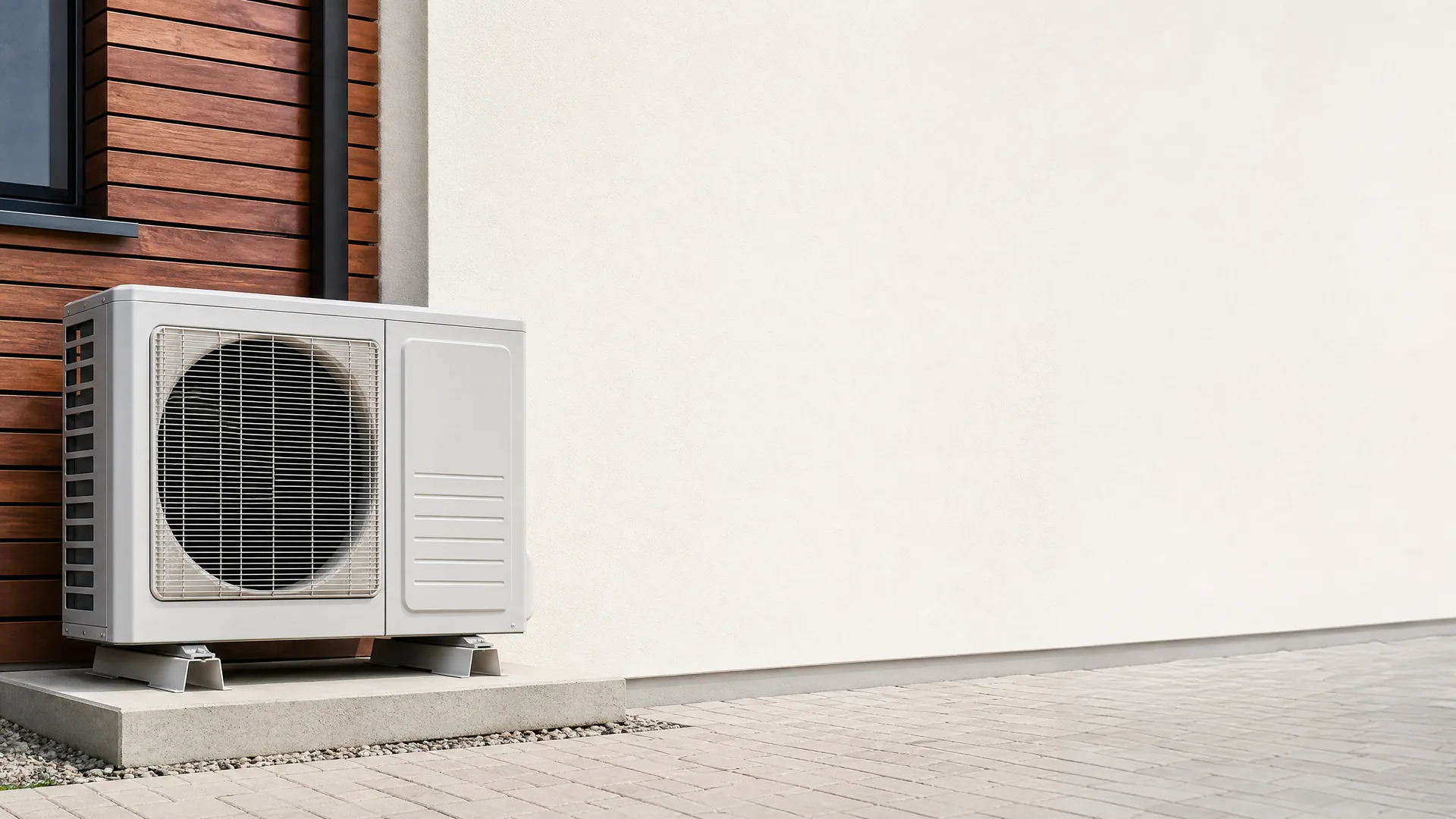
A white outdoor heat pump unit on a concrete pad beside a house with wood-slat siding and a large plain light-colored stucco wall, with paving stones in the foreground.

The reversing valve switches both ways

The reversing valve is what lets your heat pump pull heat from the outside air in winter and push it back outside in summer. It's a part a gas furnace never has, and it's the part most likely to stick or fail if it sits unused. A tune-up has a contractor cycle it both directions to confirm it's shifting cleanly before you need it to.

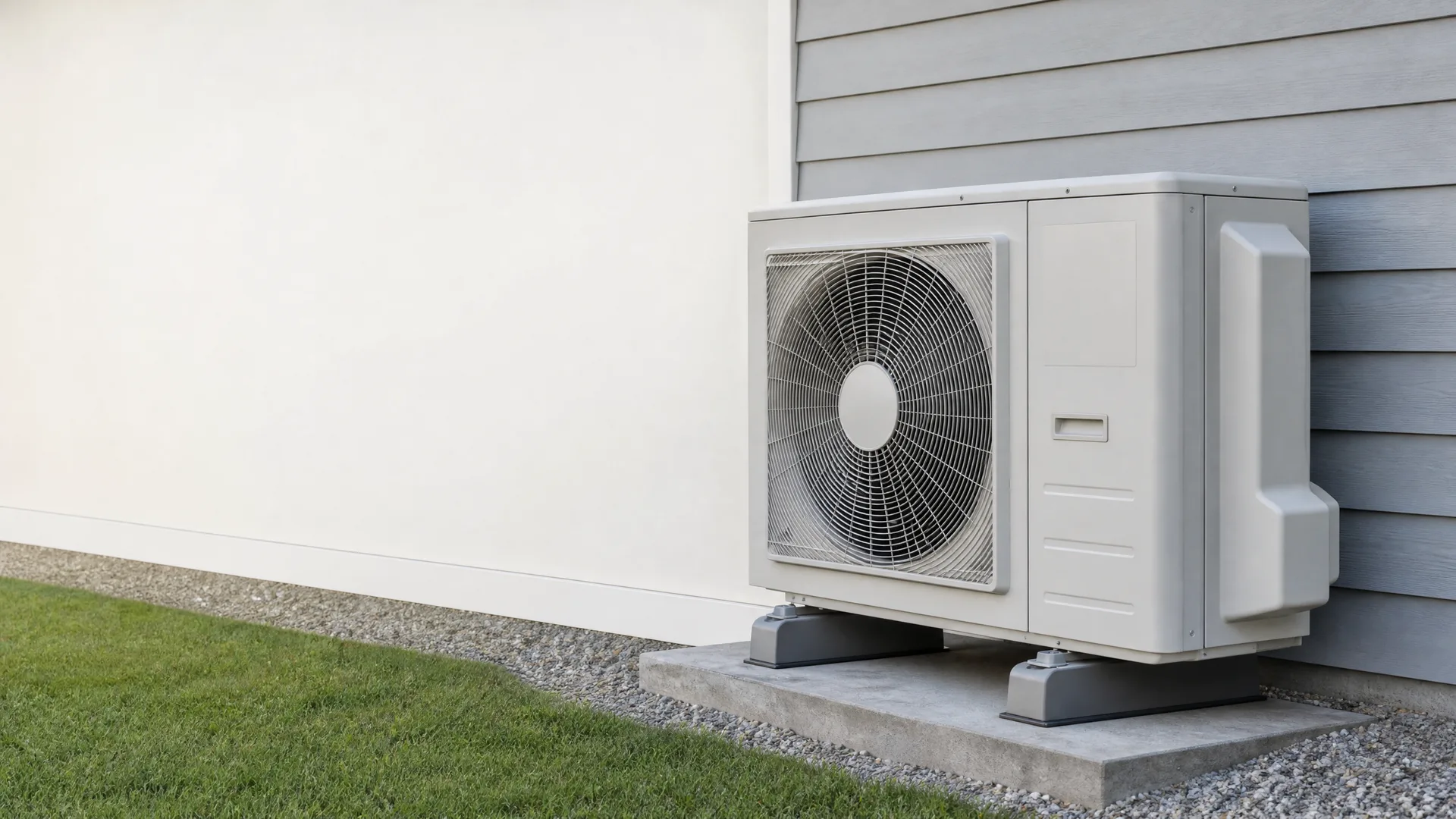
A white outdoor heat pump unit on rubber feet sits on a concrete pad beside a gray-sided house wall, next to a smooth light wall, gravel strip and lawn.

Refrigerant charge affects both seasons

A heat pump low on refrigerant has to run its compressor longer to move the same amount of heat, whether it's heating your house in January or cooling it in July. That extra run time shows up on your bill, and with power costs what they are in Contra Costa County, a correct charge keeps the compressor from working harder than it has to in either direction.

Skip It or Keep It Checked

Tune-up skipped

  • A low refrigerant charge makes the compressor work harder to move the same amount of heat, and it can wear out years before it should.
  • A dirty outdoor coil can't shed heat in summer or pull it in during winter, so the system runs longer to hit the same temperature.
  • A failing reversing valve can leave you with a heat pump stuck in one mode, blowing cold air in January or warm air in July.
  • Weak airflow from a clogged filter forces the system to cycle more often, and those extra cycles add up on a power bill that's already high here.
  • A problem with the defrost control can go unnoticed until the outdoor unit ices over on a cold night and stops pulling heat at all.

Tune-up done

  • A contractor checks refrigerant charge against the manufacturer's spec, so the compressor isn't working against a system that's over or under on charge.
  • Cleaning the outdoor coil restores the airflow the system needs to move heat efficiently in both directions.
  • Testing the reversing valve catches a sticking valve before it leaves you without heat or without cooling on the day you need either.
  • Checking the thermostat and defrost cycle confirms the system is switching modes and defrosting the way it's supposed to.
  • A system that's been checked through goes into November, when it starts leaning on the compressor most nights, already running the way it should.
A man in a blue denim shirt sits in an armchair with his eyes closed, beside a side table with a lamp and a folded newspaper, in a room with shelving and a window seat.
A bearded man in a blue sweatshirt sits in an armchair with his eyes closed and head tilted back, beside a side table with a mug and folded newspaper, with a potted plant, window and bookshelf behind him.
A bearded man in a gray pullover reclines with closed eyes on a brown leather sofa in a sunlit room with a window, framed picture, potted plant, and a wooden cabinet holding papers and a dark mug.
A man in a blue sweatshirt reclines with closed eyes in a brown leather armchair in a living room with a bookshelf, houseplant, sofa, window, and a side table holding newspapers and a dark mug.

Why is your heat pump running so much lately?

You might notice the outdoor unit running longer than it used to, or kicking on and off more through the night. Maybe the air coming out feels cooler than it should on a cold morning, or the system seems to struggle to catch up once you've bumped the thermostat. Sometimes there's a hum from the compressor that sounds like it's working harder than it needs to. None of this means the system is done. It usually means something inside it, the charge, the coil, the valve, isn't working the way it was built to. Left alone through another Concord winter and summer, that strain adds up, and a part that could've been serviced ends up failing instead.

  1. Contractor checks refrigerant charge against the system's specs

  2. Outdoor coil and fins get cleaned of dirt and debris

  3. Compressor and reversing valve get tested under both modes

  4. Thermostat and airflow get checked for proper operation

An older man with gray hair in a dark blue henley sweater leans back on a beige sofa with his eyes closed, beside houseplants and bright windows.
A woman with shoulder-length brown hair and a cream knit sweater sits with her eyes closed and a slight smile in a chair beside a window showing orange autumn foliage, with a gray mug on a wooden table and a lit lamp in the background.
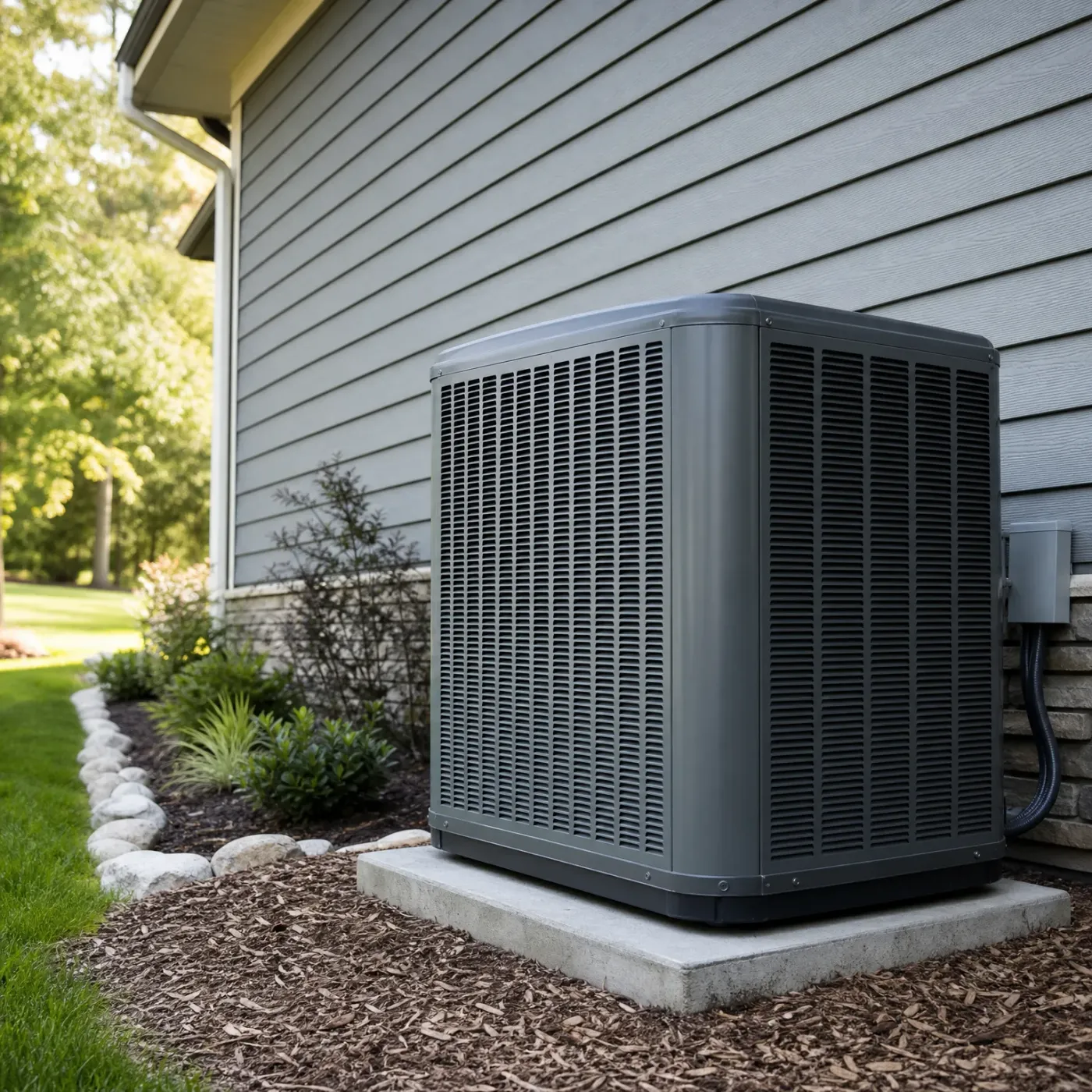
A gray outdoor condenser unit on a concrete pad beside a house with light gray lap siding, surrounded by mulch, shrubs, a stone border and lawn.

Send one request and you're done looking

Skip calling around to set up a heat pump tune-up.

Send the form, and lining up the heat pump tune-up stops being yours to chase.

Skip calling around

There's no charge for the request.

A closed silver laptop and a light ceramic mug of dark coffee on a wooden table, with a wooden chair at left, a gray wall, a window at right, and a counter with a potted plant and tiled backsplash in the background.

What a skipped tune-up ends up costing you

You'd see it on the power bill first. Your heat pump works both sides, pulling heat in all winter and pushing it out all summer, and a system running on a low charge or a dirty coil has to run longer to do the same job. In Concord, with power priced the way it is, that difference adds up over months, not days.

You'd also be the one tracking it down. Looking up contractors, calling a few, explaining what the system's been doing, waiting on quotes and comparing them against each other. Send the form instead and that part of it is off your plate. Someone licensed gets matched to your house and takes the next steps from there, so the only thing left for you to track is the appointment.

A dark ceramic vase holding a leafy green branch sits on a round wooden table, with a blurred cushioned wooden armchair, woven basket, window and shelving with pottery in the background.
A gray outdoor heat pump unit on a concrete pad beside a house with horizontal lap siding, connected by conduit and a flexible line to a wall-mounted disconnect box, with low shrubs and mulch nearby.

What a working unit looks like

Clear space around the cabinet, the fan grille unobstructed, the pad clean. Refrigerant lines run tight to the disconnect box with no frost or oil staining. A unit set up like this moves heat in both directions without a fight, and the compressor inside isn't working harder than it has to.

An outdoor air conditioner condenser unit on a concrete pad beside a house with horizontal lap siding, with a shrub to the left, bare dirt in front, and conduit and a metal disconnect box on the wall.

What trouble looks like from outside

The shrub has grown in close to the cabinet, crowding the airflow the coil needs. Nothing about the outside tells you the refrigerant charge is low or the reversing valve is starting to stick. By the time you hear it struggling, the compressor has already been working too hard for too long.

An outdoor air conditioning condenser unit on a concrete pad beside a house with horizontal siding above a brick foundation, with a flexible conduit running to a wall-mounted disconnect box.
Before you get your heat pump maintenance
A gray outdoor heat pump unit on a concrete pad beside a house with horizontal lap siding, with a conduit running to a wall-mounted disconnect box and a green shrub to the left.
After you get your heat pump maintenance

Booking it yourself

You're searching review sites, calling contractors one at a time, and asking each one to explain the same thing about your system before you even get to whether they can come out. Some don't service heat pumps at both ends, winter and summer, so you're screening for that too. Then you're lining up quotes against each other with no easy way to tell if they checked the same things. All of that sits on you before a contractor ever looks at your unit.

Sending the form instead

You answer a few questions about your heat pump and your place, and the search for someone qualified stops being your problem. No calling around, no repeating the same details to three different contractors, no guessing which quote covers refrigerant charge and which doesn't. A contractor who services heat pumps in Concord gets in touch, and the tune-up itself still takes the time it takes. The part that's gone is the legwork of finding them.

Power here costs 38.55 cents per kilowatt-hour

At that rate, every extra hour your compressor runs to make up for a dirty coil or a low charge shows up fast on the bill. Since your heat pump is also what heats your house, that cost follows you through the winter as well as the summer.

EIA-861 2025

Where your heat pump stands

  • A yearly tune-up checks the refrigerant charge, cleans the outdoor coil, and tests the compressor and reversing valve in both modes.
  • Your heat pump runs nearly year round in Concord, so a skipped tune-up shows up on the power bill in both summer and winter.
  • A low charge or a dirty coil makes the compressor run longer to move the same amount of heat, and parts wear out sooner for it.
  • Finding a contractor who services heat pumps on both the heating and cooling side is the hard part, not the tune-up itself.
  • A working heat pump moves heat in both directions without strain, with clear airflow around the outdoor unit and no frost or oil staining on the lines.
  • Sending one request means you stop calling contractors one by one and explaining your system each time.

A heat pump tune-up comes down to a few checks: refrigerant charge, the outdoor coil, the compressor and reversing valve, the thermostat and airflow. Nothing exotic, but all of it matters because your system is working both sides of the year here, pulling heat in through the winter and pushing it out all summer. Skip the tune-up and the system doesn't fail outright. It just runs longer than it should, on a charge that's a little low or a coil that's caked with debris, and that extra run time is what shows up on the power bill whether it's July or January. The compressor and the reversing valve take the wear for it, and those aren't cheap parts to replace early.

None of that is the hard part, though. The hard part is finding a contractor who actually works on heat pumps both ways, who won't need your system explained to them twice, who can tell you over the phone whether they even service the brand sitting outside your house. That's the part that eats an afternoon: searching review sites, calling around, repeating yourself to each one before you get anywhere near scheduling. A working heat pump looks the way it should on both ends, clear space around the cabinet, no frost or oil on the lines, moving heat in either direction without strain. Getting it checked once a year is what keeps it that way. Sending one request is what gets you there without doing the legwork yourself.

At dusk, a white clapboard house with black shutters and a dark front door is lit from within, with a wet stone walkway leading to the steps past low path lights, hydrangeas, and a clipped hedge beside a lawn.

Heat Pump Maintenance

Finding a pro stops being your job

Tune-up, service, or cleaningHeat PumpContra Costa County, CA
Step 1 of 2

What ZIP code is the job in?

  • A brown leather armchair with a cream knit throw draped over one arm, on a woven jute rug beside a wooden side table holding books and a mug, with large windows showing green and yellow foliage outside.
    • Your heat pump tune-up request goes to a pro who covers Contra Costa County.
    • Get matched with a pro who does heat pump tune-ups in Contra Costa County.
  • Three folded knit blankets in cream, rust, and white stacked on a wooden surface beside a woven basket, a ceramic vase of dried orange branches, a curtained window, and a framed landscape print on the wall.
    • After this form, you can stop searching for a heat pump pro.
    • One request and the search for a pro is handled.
  • A single-story house with gray lap siding, a gabled covered porch with white columns on stone bases, a wooden chair with cushions and a blanket, flanked by hydrangeas and trimmed shrubs along a flagstone walkway.
    • Fill out one form instead of calling around for a heat pump tune-up.
    • Answer a few questions instead of calling shop after shop.
  • Corner of a house with dark gray lap siding and white trim, a single white-framed window, and a mulched bed of hydrangeas, shrubs and ornamental grasses beside a mowed lawn, with trees backlit by low sun.
    • A licensed local pro takes the request for your heat pump tune-up.
    • Your request goes to one pro, not a list of companies.