








A gray outdoor heat pump unit with a circular fan grille sits on a concrete pad beside a dark wood-clad house, next to a gravel bed with ornamental grasses and a stepping-stone path.

A local pro for your heat pump maintenance

What a heat pump tune-up covers in California

A heat pump tune-up covers the refrigerant charge, the coils, the airflow and the controls that switch it between heating and cooling. In California that switch matters, since most homes here still lean on gas for heat and run the heat pump mainly for cooling. This page walks through what gets checked and what it means for your system, then can match you with a contractor who services heat pumps in your area.

Find a pro near me

A heat pump tune-up checks the refrigerant charge, cleans the indoor and outdoor coils, tests airflow across the system, and confirms the reversing valve switches cleanly between heating and cooling. That reversing valve is worth watching here. Most California homes use gas for heat and lean on the heat pump mainly to cool, so it can sit idle for months at a time and the valve can stick from disuse rather than wear. A low charge or a dirty coil also makes the compressor work harder to move the same amount of heat, and with power costing what it does in this state, that shows up fast on a bill. None of this needs a breakdown first. A tune-up catches a sticking valve or a weak charge while it is still a small fix, before it turns into a system that will not switch over when you need it to.

A bearded man in a plaid flannel shirt sits indoors looking out a window at snow-covered trees, with a steaming mug on the sill and wooden kitchen shelves behind him.
A smiling man in a dark blue T-shirt sits on a light gray sofa in a living room with a wooden shelf and window behind him, with a laptop edge visible in the foreground.

The Full Checklist Behind the Tune-Up

  • A tune-up tests the reversing valve by running the system in both modes and checking that it shifts without sticking.
  • The technician measures refrigerant pressure and temperature split across the coil to confirm the charge matches the system's specs.
  • Outdoor coil fins get cleaned since a blocked coil forces the compressor to work harder in both heating and cooling.
  • Airflow gets checked at the filter and ducts, since a heat pump moving less air loses efficiency faster than a furnace does.
  • Electrical connections and the contactor get inspected, since a heat pump cycles on and off far more often than a gas furnace.
  • The defrost control gets tested, since a heat pump that can't clear frost from the outdoor coil loses heating capacity.

The reversing valve is the part that makes a heat pump a heat pump, and it gets tested by forcing the system through both modes and watching for a clean switch. A valve that hangs or sticks can leave you heating when you wanted cooling, or the other way around. From there the check moves to the refrigerant itself. The technician reads pressure and temperature across the coil, because a charge that is even a little off makes the compressor run longer to do the same job, and in California that shows up on the power bill fast. The outdoor coil gets cleaned next. Dirt and debris on those fins hold heat in during summer and cold in during winter, and either way the compressor strains to push past it. Airflow gets measured at the filter and through the ducts, since a heat pump depends on moving a steady volume of air more than a gas furnace does. The electrical side gets a look too. The contactor and the connections around it take more wear here than they would on a furnace, because a heat pump cycles on and off more often through the day. Last comes the defrost control, which matters most on the cold mornings this system has to work through. If it fails to clear frost from the outdoor coil, the unit loses heating capacity right when you need it.

A gray outdoor condenser unit on a concrete pad beside a light green lap-sided house, with a wall-mounted electrical disconnect box, mulch bed with shrubs, river rock, and a paved walkway in the foreground.
A clean heat pump like this one moves heat efficiently in both directions, which matters when California power costs this much to use.
An outdoor air conditioner condenser unit on a concrete pad beside a house with horizontal lap siding, with refrigerant lines entering the wall and a shrub on bare soil to the left.
A dirty outdoor coil like this makes the system work harder to do the same job, and the extra cost shows up on the power bill.

Is your heat pump struggling to keep up lately?

You might notice the air coming from the vents feels less warm than it used to, or the system runs longer to reach the same temperature. Some homeowners hear a clicking or hesitation when the system switches between heating and cooling. Others notice the outdoor unit looks dusty or has leaves packed around the coil. The power bill is where it usually shows up first, since a system working harder to move the same amount of heat pulls more electricity to do it. Left alone, a coil that stays dirty or a charge that stays low keeps the system under strain, and that strain is what tends to shorten how long the equipment lasts.

A woman in a cream cowl-neck sweater sits by a window with snow outside, in a dimly lit living room with a sofa, lit lamp, mirror, candles and a fireplace.
A woman in a gray turtleneck sweater sits beside a large window looking out at snow-covered evergreen trees, in a dimly lit living room with a lit fireplace, lamps, couch and houseplant.
A woman in a cream turtleneck sweater stands beside a large window with snow-covered ground and bare trees outside, in a dimly lit living room with lamps, a sofa and framed art.
A woman in a grey cowl-neck sweater stands indoors near a window, looking out at falling snow, with a lamp, framed picture and couch in the warmly lit room behind her.

Tune-Up Now or Wait for a Sign

Tune-Up Now

  • A technician catches a weak capacitor or a reversing valve starting to stick before it leaves you without heat on a cold morning.
  • Refrigerant charge gets checked against the system's specs, so the heat pump isn't quietly working harder than it needs to all year.
  • Coils get cleaned on both the indoor and outdoor units, which matters more here given what power costs per kilowatt-hour.
  • Airflow gets tested across the system, so a clogged filter or blocked return isn't forcing the compressor to run longer than it should.
  • A problem caught during a tune-up is usually a part or an adjustment, not a full system failure.

Skip It, Wait

  • A reversing valve that's starting to stick usually doesn't announce itself until it fails to switch modes entirely.
  • A system low on refrigerant keeps running, just less efficiently, and the power bill is the only place that shows up.
  • Dirty coils make the compressor work harder to move the same amount of heat, and that strain adds up over time.
  • Waiting means the first sign of trouble is often the heat pump not heating or not cooling, not a warning beforehand.
  • A failure that could have been a minor repair during a tune-up sometimes becomes a bigger one once it's ignored.
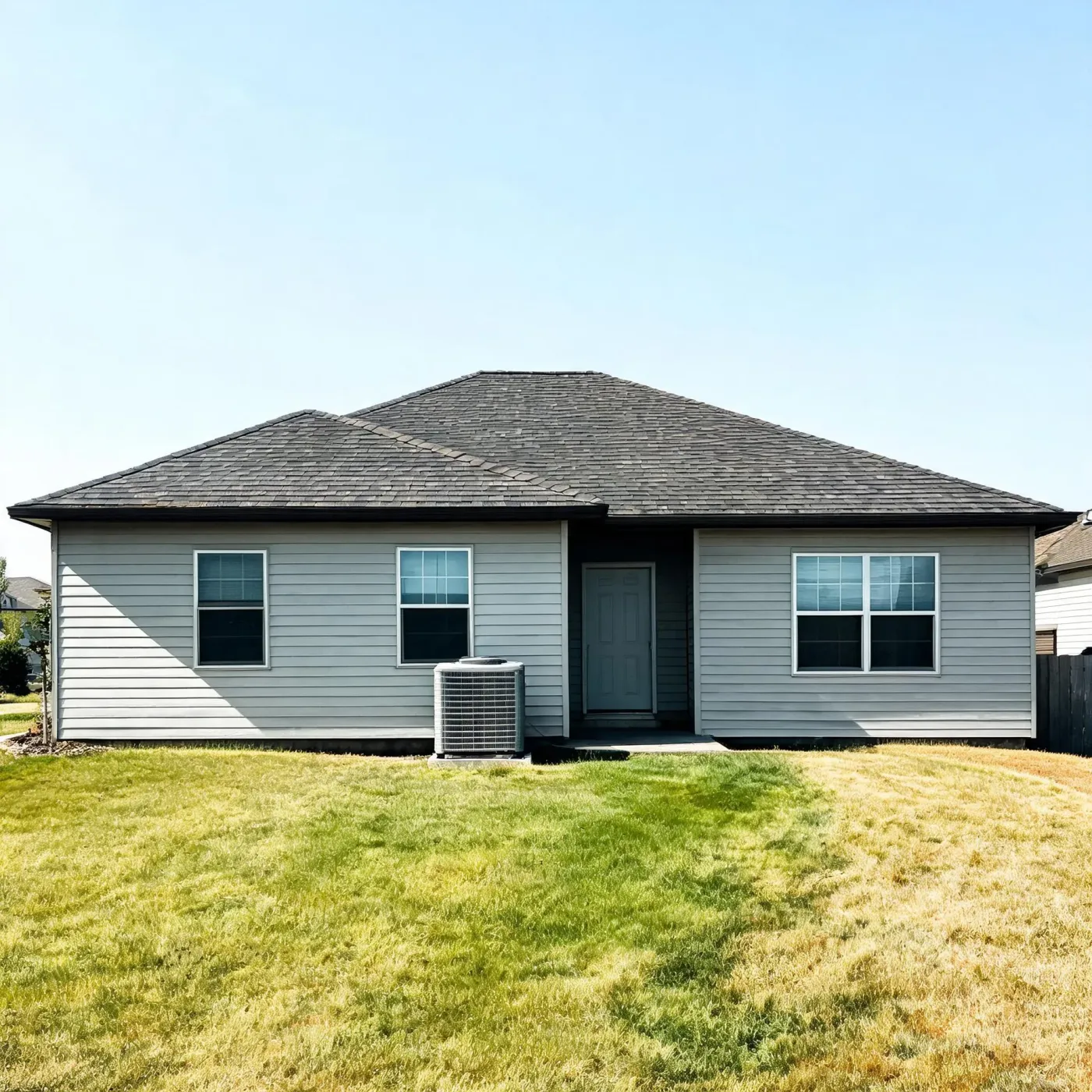
Rear view of a single-story gray vinyl-sided house with a dark shingled hip roof, three windows, a center door, an outdoor air conditioning unit, and a patchy green and brown lawn under a clear sky.

California summers don't carry much moisture. The dew point averages 50°F across June, July and August, based on weather data for where homes in the state sit, and that's a dry number. A heat pump doesn't have to wring much water out of the air to cool a house, so the coil isn't fighting humidity the way it would somewhere muggy. That lighter load is exactly why a dirty coil or a low charge stands out more here. The system is already running under easy conditions, so if it's struggling anyway, something is off. Once a tune-up is done, that's one less thing to check when the heat climbs. If you'd rather hand this off, send the form and a contractor will take it from there.

NASA POWER T2MDEW county cells weighted by homes

Get the right pro for your heat pump

A heat pump switching badly between modes or running longer than it should doesn't announce itself with a dead system. It shows up as a higher power bill, and power here costs enough that the difference gets noticed. The reversing valve, the coils, the refrigerant charge all affect how hard the system has to work to hold a temperature, and a tune-up is how those get checked before they turn into a bigger repair or a bill that keeps climbing. You don't need to know which part is the problem, or whether it's the valve sticking or the coil needing a cleaning. That's what the visit sorts out. What's left is finding someone qualified to look at your system and do the work right. Send the request and that part is off your plate.

What the reversing valve does

The reversing valve is what lets a heat pump heat your home in January and cool it in July, using the same unit. A spring inside shifts to send refrigerant one direction or the other. When it sticks, the system can get stuck blowing cold air when you called for heat, or it hesitates and clicks before it settles into the mode you want. A tune-up runs the system through both modes and watches for that hesitation, since it's easier to catch and fix than to live with.


What a dirty coil costs you

The outdoor coil gives off heat in summer and pulls it in during winter, and it can only do that as fast as air moves across it. Dust and grass clippings slow that air down, so the coil holds onto heat it should be shedding and the compressor runs longer to finish the same job. A tune-up includes washing that coil clean. With power priced the way it is in California, a coil that's been neglected for a year or two shows up as extra draw on the meter, not just a dirtier fin.

Power costs 31.35 cents per kilowatt-hour statewide

At that rate, a heat pump that's lost a few points of efficiency doesn't just run longer, it runs longer at a price you feel. A tune-up that keeps the coils clean and the charge correct is what keeps that number from working against you.

EIA-861 2025 statewide residential average

An outdoor heat pump unit on a concrete pad beside a house corner, with a small electrical box and conduit on the wall, gravel border, grass, and a plain light-colored wall filling the right side.

Skipping the tune-up

A heat pump left alone keeps running, so nothing seems wrong. The coils pick up dust a little at a time. The charge drifts a little low. None of it trips a switch or throws a code. You just pay for it every month on your power bill, and since power here costs what it does, a system working harder than it needs to adds up faster than it would somewhere with cheaper rates. The system still heats your house and cools it. It just costs more to do the same job it did last year.

A grey outdoor heat pump unit on a concrete pad beside a white stucco wall and dark siding with a downpipe, with gravel and grass in the foreground.

Getting it looked at

A technician checks the charge, cleans both coils, and runs the system in heating and cooling to see how the reversing valve handles the switch. If something is starting to wear, like a capacitor losing strength, it shows up on a gauge before it shows up as a cold morning with no heat. You find out what the system needs while it still has a choice in the matter, instead of finding out on the day it quits.

A woman in a gray sweater and jeans stands in an open wood front door of a white stucco house while a man in a dark jacket walks toward her on the entry path.

What a tune-up covers, and what it's worth checking

A heat pump tune-up in California comes down to four things: the refrigerant charge, the coils, the airflow, and the reversing valve that switches the system between heating and cooling. Each one gets checked against what the system is supposed to do, not just whether it still runs. A system that still runs can still be costing you more than it should every month, and power here isn't cheap enough to ignore that.

If you've read this far, you already know whether your heat pump has been acting off, or whether you just want to stay ahead of it before it does. Either way, the next step is finding a contractor who can look at your specific system and tell you where it stands. Once you send the request, that part isn't on you anymore. Someone who works on heat pumps in your area will reach out and take it from there.

Interior corner with sheer white curtains at a window, a brown upholstered sofa in the foreground, and a wooden multi-drawer cabinet holding a round ceramic vase with leafy branches.
A modern two-story house with dark siding and stone base at dusk, with lit soffit lights, a path of large rectangular pavers set in dark gravel, planting beds, a lawn, and an orange and blue sunset sky above distant trees and water.

Heat Pump Maintenance

A pro who works on heat pumps

Tune-up, service, or cleaningHeat PumpCalifornia
Step 1 of 2

What ZIP code is the job in?

  • A gray upholstered sofa arm with a cream knit fringed throw sits beside a wooden side table holding a stack of books, a shallow wooden bowl, and a ceramic vase of leafy branches, on a wood floor near a window.
    • Describe your heat pump job, and a local pro who handles it gets in touch.
    • Say what's going on with your heat pump, and a pro who works on them reaches out.
  • A living room corner with a cream upholstered sofa and cushion beside a wooden side table holding a ceramic vase of olive branches and a small dark bowl, with a framed landscape painting on the gray wall and a linen curtain at the window.
    • One request and finding someone for the tune-up is handled.
    • Send the request and finding a pro stops being your problem.
  • A wood-framed armchair with a beige cushion and knitted throw sits beside a round wooden side table holding a ceramic mug, with a potted green plant near a window in the corner and a framed picture on the wall.
    • Fill out one form instead of calling around for a heat pump tune-up.
    • Skip calling around to set up a heat pump tune-up.
  • Interior corner with beadboard wainscoting, a gray cabinet with wood countertop holding a vase of greenery below a window, and a potted leafy plant in a woven basket on a wood floor with a fringed jute rug.
    • A licensed local pro takes the request for your heat pump tune-up.
    • Your request stays with one local pro.






