Finding a pro stops being your job
AC tune-up before summer in Oakland, CA
Most AC tune-ups in Oakland happen in spring, before the first real warm stretch hits, so the system is ready when you need it instead of failing on the day you turn it on. This page covers what a tune-up actually checks and why it matters here, where power costs more than almost anywhere else. Send the form once and stop calling around for someone who can get to it before summer.
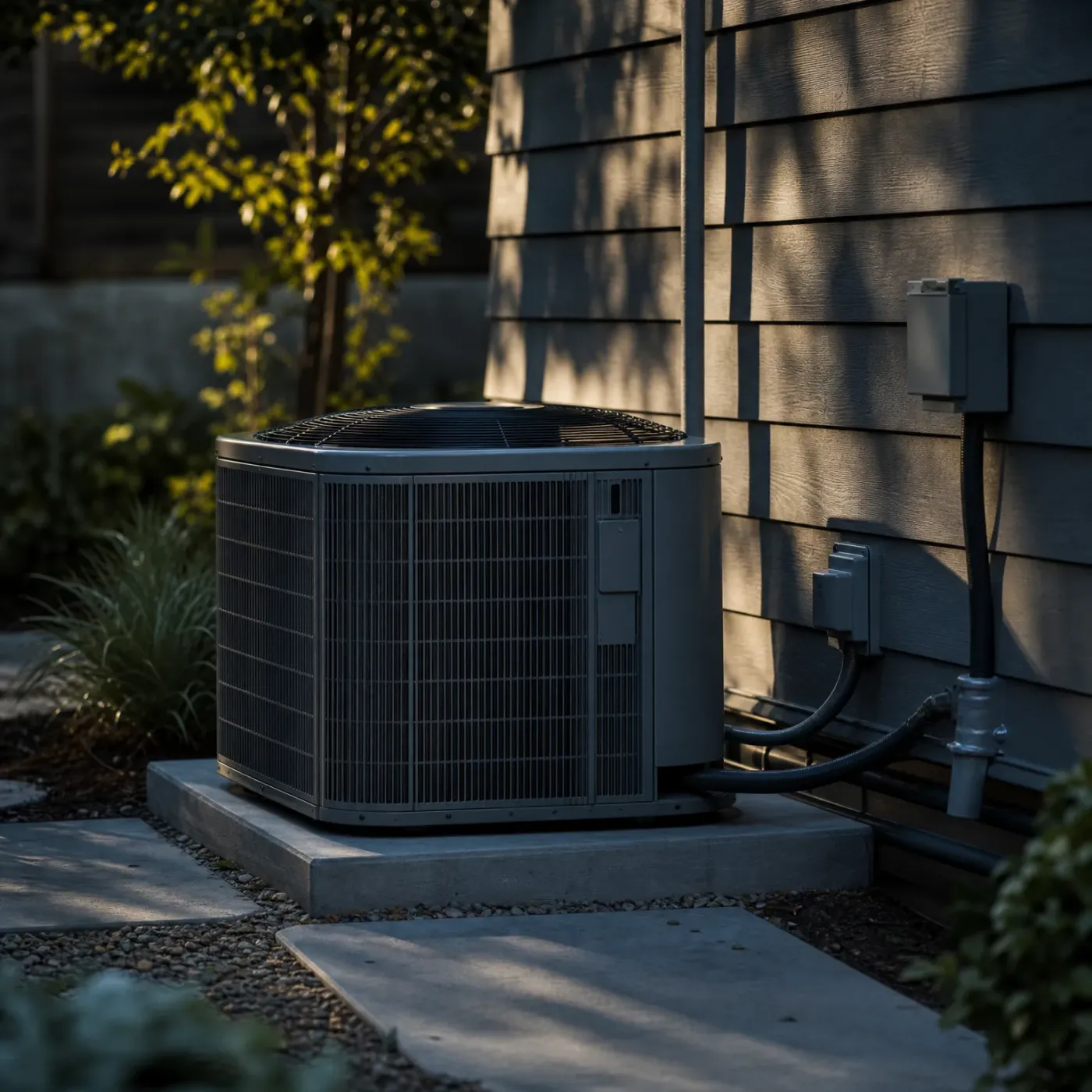
Let a pro reach outA tune-up before summer means having someone check your air conditioner while it's idle, before the first hot stretch asks it to run all day. The tech checks the refrigerant charge, cleans the condenser coil outside, tests the capacitor and contactor, and checks that the system is actually pulling enough airflow across the evaporator coil to cool the house. Summers around Oakland don't get the heavy heat you find further inland, but the warm stretches still come, and a system that hasn't run since last fall can have a weak capacitor or a coil caked with a winter's worth of dust without anyone knowing until it's asked to work. Catching that in spring means the fix happens on a day of your choosing, not on the first 90-degree afternoon when every AC in the county needs the same technician. For a system that's otherwise sound, a tune-up also means it isn't working harder than it has to, which matters most where power costs what it does here.


A tune-up is mostly about pressure and electricity, not dust. Low refrigerant makes the compressor run longer to hit the same temperature, and that longer runtime is what wears it down over a summer of daily use. The capacitor is what gives the compressor and the fan motor their starting jolt. When it weakens, you get hard starts, or a unit that hums for a second and doesn't turn over. Outside, the condenser coil has to shed the heat the system pulls out of your house. Caked with dirt, it can't do that, so the system works harder and cools less for the same run time. The contactor is the switch feeding power to the outdoor unit, and pitted contacts cause failures that look random, working one day and not the next. Dirty coils and weak airflow both push up the pressure the compressor works against, and that pressure is what shortens its life. None of this shows up in a quick look. It shows up when the system is running under load, which is why testing it while it's actually on catches what a visual check misses.
What a tune-up actually checks
- A low refrigerant charge makes the compressor run longer to reach the same temperature, which wears it faster.
- The capacitor gives the compressor and fan motor their starting jolt, and a weak one causes hard starts or a system that hums but won't kick on.
- A dirty condenser coil outside can't shed heat properly, so the system works harder and cools less for the same run time.
- The contactor is the switch that sends power to the outdoor unit, and pitted contacts can cause intermittent failures that look random.
- Dirty coils and low airflow both raise the pressure the compressor works against, and that pressure is what shortens its life.
- Testing under load, with the system actually running, catches a weak part that passes a simple visual check.




What a dirty coil costs you
The condenser coil sits outside and gives up heat to the air. When it's coated with dust or cottonwood fluff, it can't shed that heat as well, so the system runs longer to cool the same house. A unit that runs longer pulls more power the whole time, and power here already costs more than most places in the country. A coil cleaning during a spring tune-up is a straightforward way to keep that from piling up before the first warm stretch arrives. It's also one of the easier things to check for yourself between visits, since the coil is right there outside.
Why the thermostat gets checked too
A tune-up usually includes a look at the thermostat, not just the parts outside. If the thermostat is reading the room wrong or cycling the system on and off more than it should, the rest of the equipment can be in good shape and still leave you uncomfortable or running longer than needed. Checking it alongside the refrigerant charge and the capacitor means the whole path from the thermostat to the condenser gets looked at as one system, not a handful of separate parts. Oakland's summers don't put the heavy, constant load on a system that you'd get somewhere with thick humidity, so a thermostat that's off tends to show up as discomfort before it shows up as a big jump in the bill.
Cooling runs July through September
Three months is all your AC gets to prove itself here, and most of that load lands in July and August. A system that limps through the first warm week with a weak capacitor or a low charge won't get easier to deal with as the summer goes on.
NOAA nClimDiv 1991-2020
An AC that's low on charge or dragging a dirty coil into July doesn't fail quietly. It runs longer, pulls more power doing it, and shows up on the bill you get in August, when power here already costs more than most places.
A tune-up in spring catches the weak capacitor or the low charge while the unit is sitting idle, before it's the only thing standing between your house and a hot week. Checked now, it's a part swapped. Ignored, it's a no-cool call in August with every other house on your block calling too.


Let someone else find the pro

One form instead of hunting for a pro who does air conditioner tune-ups.
It costs nothing to send, and you don't have to hire anyone.

Alameda County summers don't feel heavy the way the Midwest or the Gulf does. The dew point here averages 50°F across June, July and August, according to NOAA climate data, which is on the dry side as these things go. That matters for your air conditioner because it doesn't have to work as hard to wring moisture out of the air, only to cool it. A unit low on charge or dragging a dirty coil still won't keep up, but it won't be fighting humidity on top of heat the way it would elsewhere. What you'll notice at home is a system that, when it's running right, cools the house without feeling clammy or stale while it does it.
NASA POWER T2MDEW
Tune It Up Now or Risk It in July
Tune-up now, in spring
- A tech can take the time to check refrigerant charge, clean the coil, and test the capacitor without rushing to get your air back on in an hour.
- If a part is wearing out, like a weak capacitor or a contactor with pitted contacts, there's time to order it and swap it before you need the system.
- The system sits idle in spring, so nobody in the house is without cooling while it gets checked.
- Catching a low charge or a dirty coil now means the system isn't running long and hard through July and August on top of whatever is already wrong with it.
- Scheduling is easier before the rush, since every other household in Alameda County isn't calling at the same time.
Waiting until it's hot
- If the system fails on a 90 degree day, you're without air conditioning in the heat while you wait for a tech to get to you.
- Every contractor in the area is booked solid in July, so a same-week appointment is harder to get than it is in April.
- A failing capacitor or low charge that's been ignored all spring has already made the compressor work harder for weeks by the time anyone looks at it.
- A breakdown in peak summer often means paying for an emergency call instead of a routine visit.
- If parts need to be ordered, you're waiting for them while the house sits hot, not while the system is idle and it doesn't matter.

The tech cuts power and pulls the panel off the condenser.
A gauge set checks the refrigerant charge against the target.
The condenser coil gets rinsed clean of dust and debris.
The capacitor gets tested for the microfarad rating it should hold.
Is your AC already telling you something's off?
Go turn it on and listen. A hum that doesn't turn into the compressor starting means a capacitor that's about to fail. Warm air out of the vents, or air that's barely cool, points to a low charge or a coil so dirty it can't shed heat. If the outside unit cycles on and off every few minutes instead of running a steady stretch, something's making it work harder than it should. Any of these on a mild day in April only gets worse once July asks the system to run all day instead of a few hours. A compressor that's been struggling along quietly can fail outright on the week you need it most, and that's a harder repair than anything caught now.
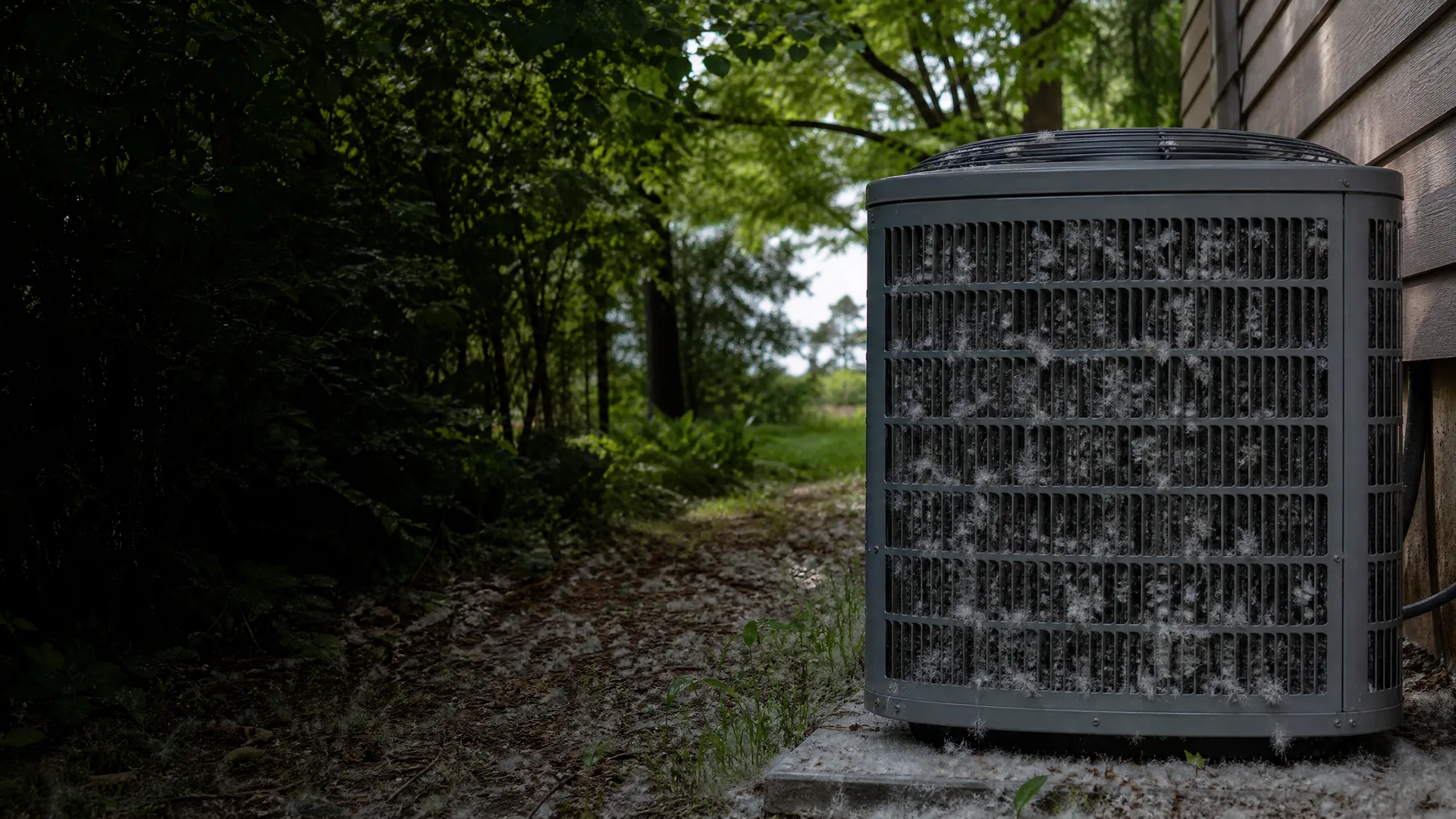
Late May, and the cottonwoods along the side yard have been shedding for a couple of weeks. You walk past the condenser to grab the hose and notice the fins have gone white, like a thin layer of snow pressed flat against the coil. You run a finger across it and the fluff comes away soft and dry, packed in tight between the ridges. The unit hasn't run much yet, just a day or two when it got warm early. You make a note to deal with it, then get pulled back inside, and the fluff keeps catching, a little more every afternoon the wind picks up.

A working AC in July starts with a check in spring
A tune-up before summer comes down to this: someone checks the charge, the coil, the capacitor and the contactor while the system is idle, so none of it is guessing by the time Oakland hits its first real warm stretch. That's the whole job. Catch a weak part in May and it gets replaced on a tech's schedule. Miss it, and the same part fails in July, on your schedule, during the three months your AC has to prove itself.
Finding someone to do this is its own chore. Searching, calling a few places, explaining the same thing about your condenser to each one, then sitting with quotes trying to tell them apart. Send the form on this page and that part is done. You're not the one tracking down who's available or sorting through estimates anymore. You'll know where you stand with your AC before the heat does.

One request and it's handed off
Fill out one form instead of calling around for an air conditioner tune-up.