


Overhead view of an outdoor AC condenser unit on a concrete pad next to a house with a dark shingle roof.

AC Maintenance in El Centro, CA

Tell us about the job

Takes about a minute. No obligation.

Tune-up, service, or cleaningCentral ACImperial County, CA
Step 1 of 2

What ZIP code is the job in?

Electricity in California ran 31.97 cents per kilowatthour in 2024, among the highest rates in the country. Out here, your AC is also working harder and longer than units almost anywhere else just to keep up. A dirty coil or a low charge makes the compressor run longer to do the same job, and every extra minute shows up on the bill. A tune-up catches that early, before the cost of ignoring it adds up month after month.

8 months
March through October, your air conditioner is on duty
106°F
the average summer afternoon it cools against
1 hail events
in ten years, and hail bends the fins on outdoor coils
66 wind events
in ten years, and wind drives debris into outdoor units
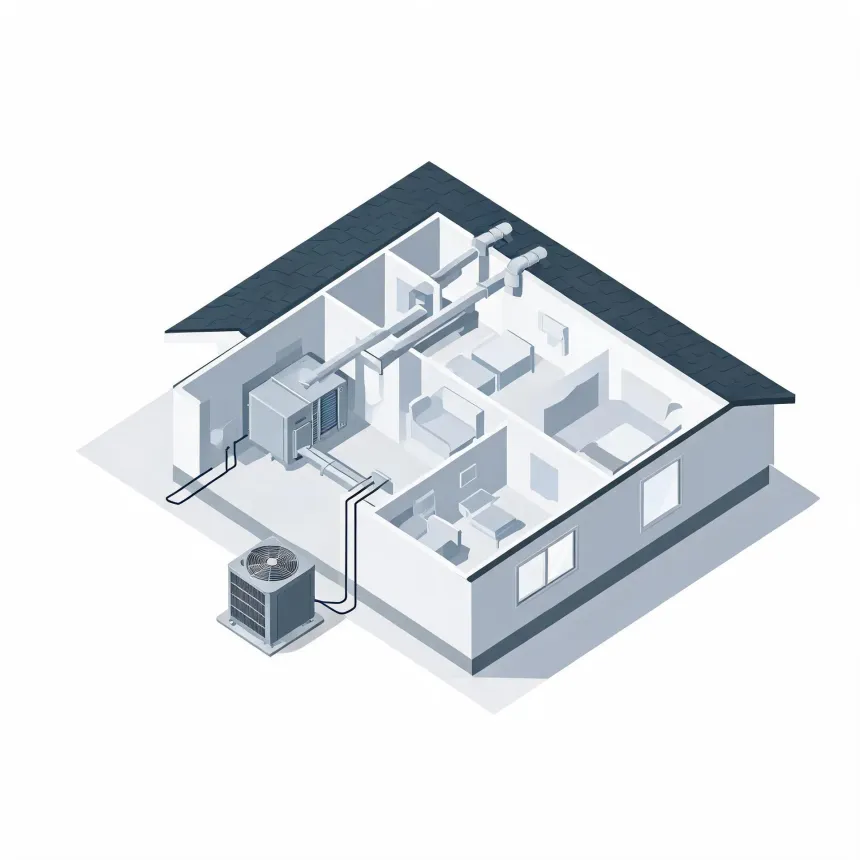
Isometric cutaway illustration of a single-story house showing interior rooms, ceiling ductwork, an indoor air handler, and an outdoor condenser unit connected by lines, in gray and white tones on a white background.
Your air conditioner works hardest from May through September.

NOAA nClimDiv, 1991–2020 normals

Cooling starts in March here.

February is when a tune-up still beats the rush.

Eight months of cooling in El CentroAfternoon highs average 106°F in June, July and August.

Between visits, check the filter and change it when it looks gray or clogged. A dirty filter is the one thing that chokes airflow across the coil, and that makes the whole system work harder for less cool air. Walk outside and look at the condenser too. Keep leaves, grass clippings and weeds clear of the cabinet so air can pass through the coil fins. Inside, look at the vents in each room and make sure nothing is blocking them, no furniture pushed in front, no rugs draped over a floor return. If you have a condensate drain line with an access cap, a cup of warm water poured down it now and then helps keep algae from building a clog. None of this replaces a coil cleaning or a refrigerant check, but it keeps the system breathing right between them.

Half the homes in Imperial County were built in 1988 or later

If your system came with the house, there's a good chance it's not old. A yearly check is what keeps it that way, catching a dirty coil or a weak capacitor before it turns into a bigger repair.

Find a contractor
An outdoor residential air conditioning condenser unit mounted on a concrete pad, surrounded by gravel with a blue sky in the background.

Get the weak part found before March

Eight months of running time wears a capacitor or a contactor down faster than a short season would. Those parts sit under load most of the year here, not just a few weeks of it. A tune-up now is what finds the one that's already going, while it can still be swapped out on a mild day instead of a 106 degree one with the compressor already straining.

The coil has to stay clean to cool at all

Refrigerant moves heat out of your house through the indoor coil, then dumps it outside through the condenser coil. Dust on the indoor coil and debris packed into the outdoor fins both block that exchange. The system does not stop working, it just stops moving heat the way it should, so the compressor runs longer to get the same result.

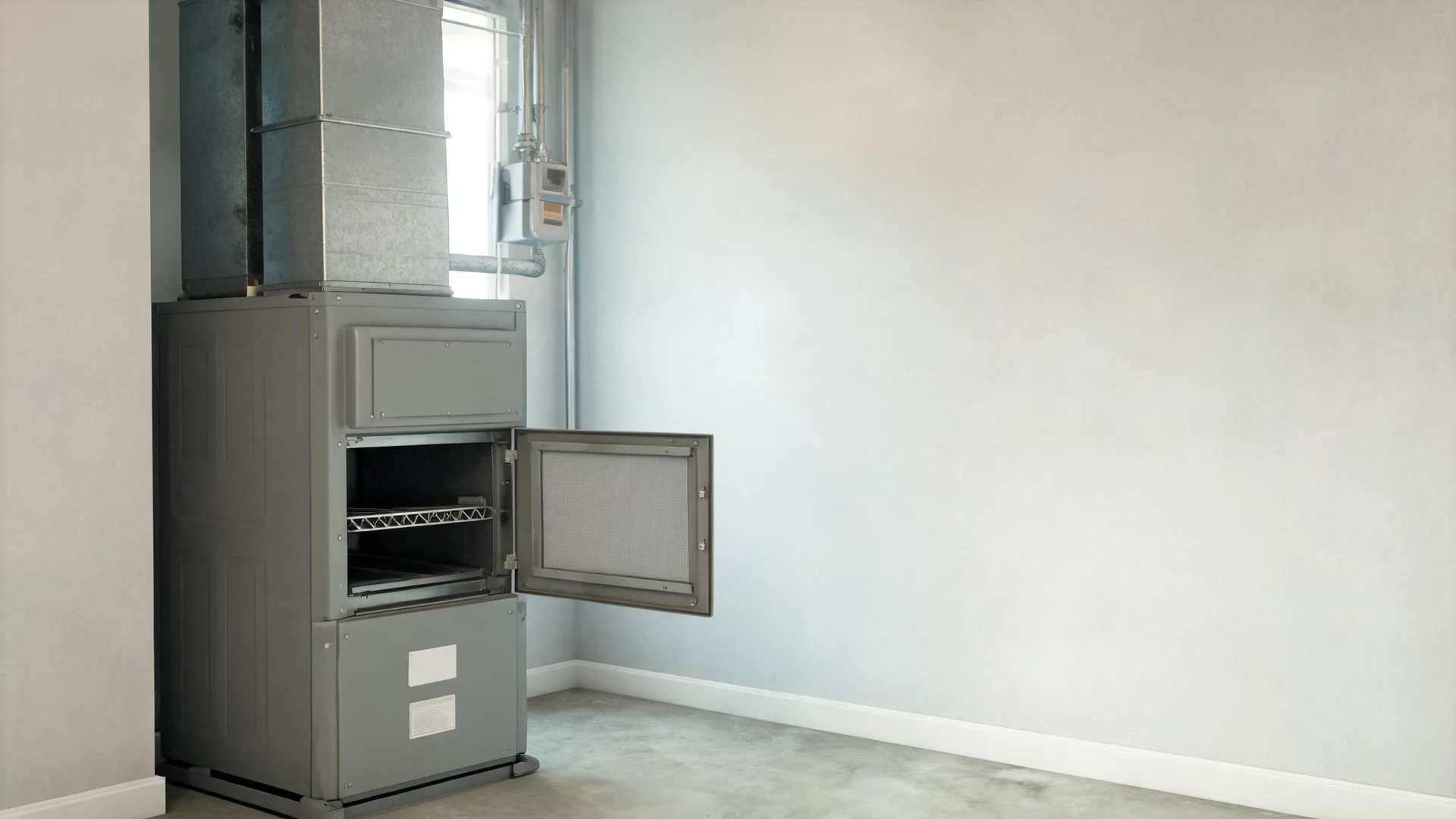
The drain line is the part people forget

As the indoor coil pulls moisture out of the air, that water has to leave through the condensate drain. Algae grows in that line on its own, slowly narrowing it until it backs up. A clogged drain does not just cause a puddle, it can trip a float switch that shuts the whole system off, or let water reach places it should not.

An overhead view of a residential air conditioning condenser unit mounted on a concrete pad next to a house with vinyl siding.

Book your AC tune-up in February, before homes here start needing cooling in March.

  1. Jan
  2. Feb
  3. Mar
  4. Apr
  5. May
  6. Jun
  7. Jul
  8. Aug
  9. Sep
  10. Oct
  11. Nov
  12. Dec

A tune-up checks the refrigerant charge, cleans the coils, tests the capacitor and tightens the electrical connections.

A tune-up checks things you can't see from across the room. Refrigerant charge is one. Too little and the compressor runs long and still falls short of the temperature you set. A gauge catches that, your thumb can't. The capacitor is another thing worth checking. It can test weak well before it fails outright, and a weak one makes the compressor strain every time it starts. Electrical connections loosen with heat cycling over time. A loose one can burn a wire or a terminal before it ever trips a breaker. None of that shows up as a sound or a smell until it's further along than you'd like.