Electricity here costs more
California electricity ran 31.97 cents per kilowatthour in 2024, well above the national average. A system that has to work harder than it should burns through more of that expensive power every month it runs.
Takes about a minute. No obligation.
California electricity ran 31.97 cents per kilowatthour in 2024, well above the national average. A system that has to work harder than it should burns through more of that expensive power every month it runs.
A clogged filter, a dirty condenser coil, or a low refrigerant charge makes the compressor and fan work longer to cool the same house. A tune-up catches those problems before they turn into a higher bill.
NOAA nClimDiv, 1991–2020 normals
The filter is the one part you can check yourself.
Pull it out, hold it up to a light, and if you can't see through it, swap it.



Summer here runs May through September, five months of the compressor working most days. Afternoons in June, July and August average 91°F, and the system has to hit that every time the thermostat calls for cool air. That kind of stretch wears on a capacitor or a contactor faster than a shorter season would. A system running fine in May can start struggling by the time July's heat sets in day after day. Getting it checked before the season starts means finding a weak part on a bench, not in the middle of a 91 degree afternoon.
Cooling runs May through September here. May is when the compressor starts working daily, so April is when a weak part still shows up on a bench instead of in the middle of a hot afternoon.
Find a contractorA quick visit gets you a glance at the coil, a filter swap, and maybe a reading off the gauges. A thorough one puts a meter on the capacitor and the contactor, since both parts can read fine with your eyes and still be a few weeks from failing. It checks the refrigerant charge against what the system is supposed to carry rather than just confirming it runs cold. It pulls the blower wheel to look for the condenser coil and evaporator coil both, not just the one you can see from outside. A tech who's in and out in a few minutes checked that it runs. A tech who stays checked whether it's going to keep running.
When a vent that used to push air hard now barely stirs a curtain, the blower or the duct behind it is struggling. Left alone, the system makes up for weak airflow by running longer, which puts more hours on the same worn part.
A drain pan with standing water in it, or a damp patch on the ceiling under a unit upstairs, means the condensate line is clogged or the pan itself has rusted through. That one is worth catching early, since a clogged line backs up and overflows the pan it was supposed to drain.
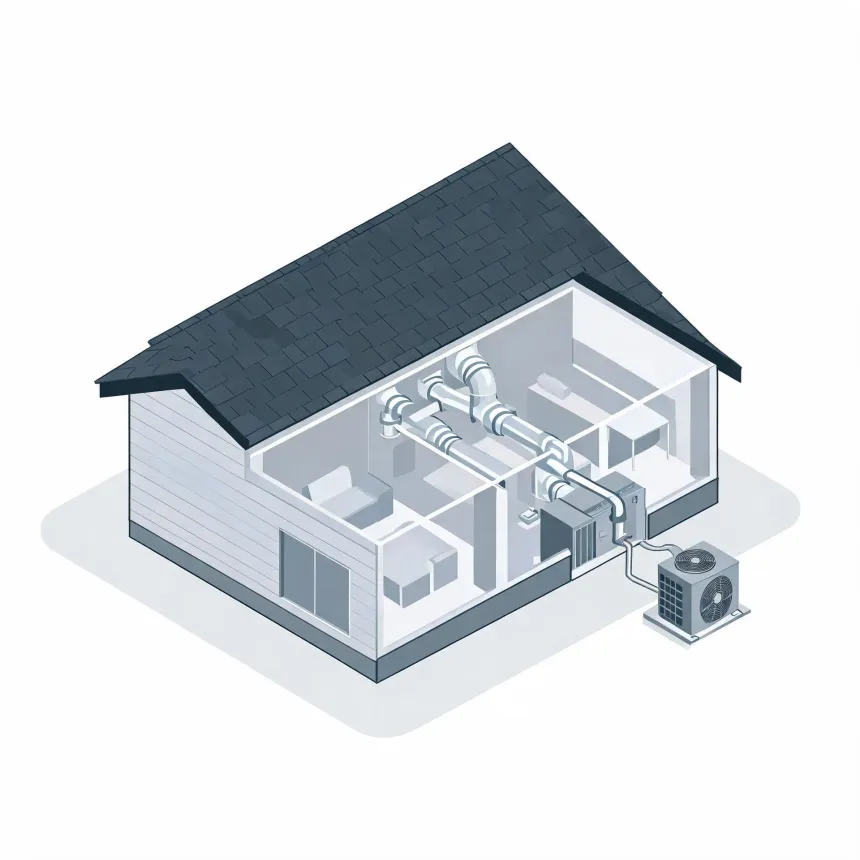
A tune-up checks the refrigerant charge, cleans the coils, tests the capacitor and tightens the electrical connections.
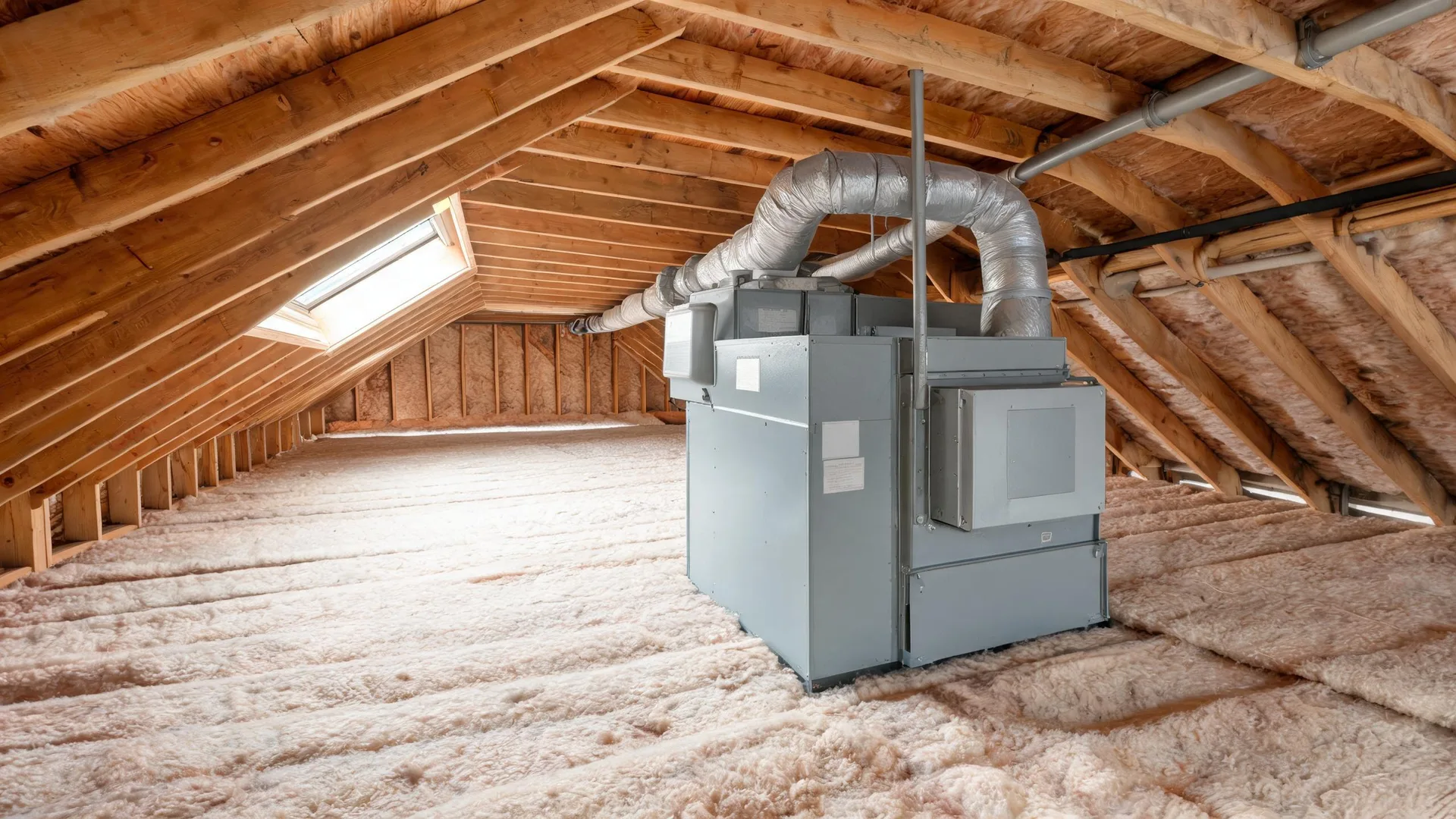
A proper tune-up starts outside, with the condenser coil. If it's caked with dirt or grass clippings, the system can't shed heat the way it needs to, and the compressor works harder for the same result. The tech checks the refrigerant charge next, since a system low on refrigerant cools poorly and puts extra strain on the compressor the whole time it runs. The capacitor and contactor get tested, not just looked at, because both can be close to failing while still working the day of the visit. The blower motor and the fan get checked for wear, and the electrical connections get tightened, since a loose connection generates heat on its own. A system caught in good shape stays a quick check. One with a failing part already underway turns into a repair instead.