This county gets hit
Tulare County logged 346 severe weather events between 2015 and 2024. Damaging wind came through 191 times, and winter storms affected the county 149 more. There were 4 hail events in that stretch, and one tornado touched down.
Takes about a minute. No obligation.
Tulare County logged 346 severe weather events between 2015 and 2024. Damaging wind came through 191 times, and winter storms affected the county 149 more. There were 4 hail events in that stretch, and one tornado touched down.
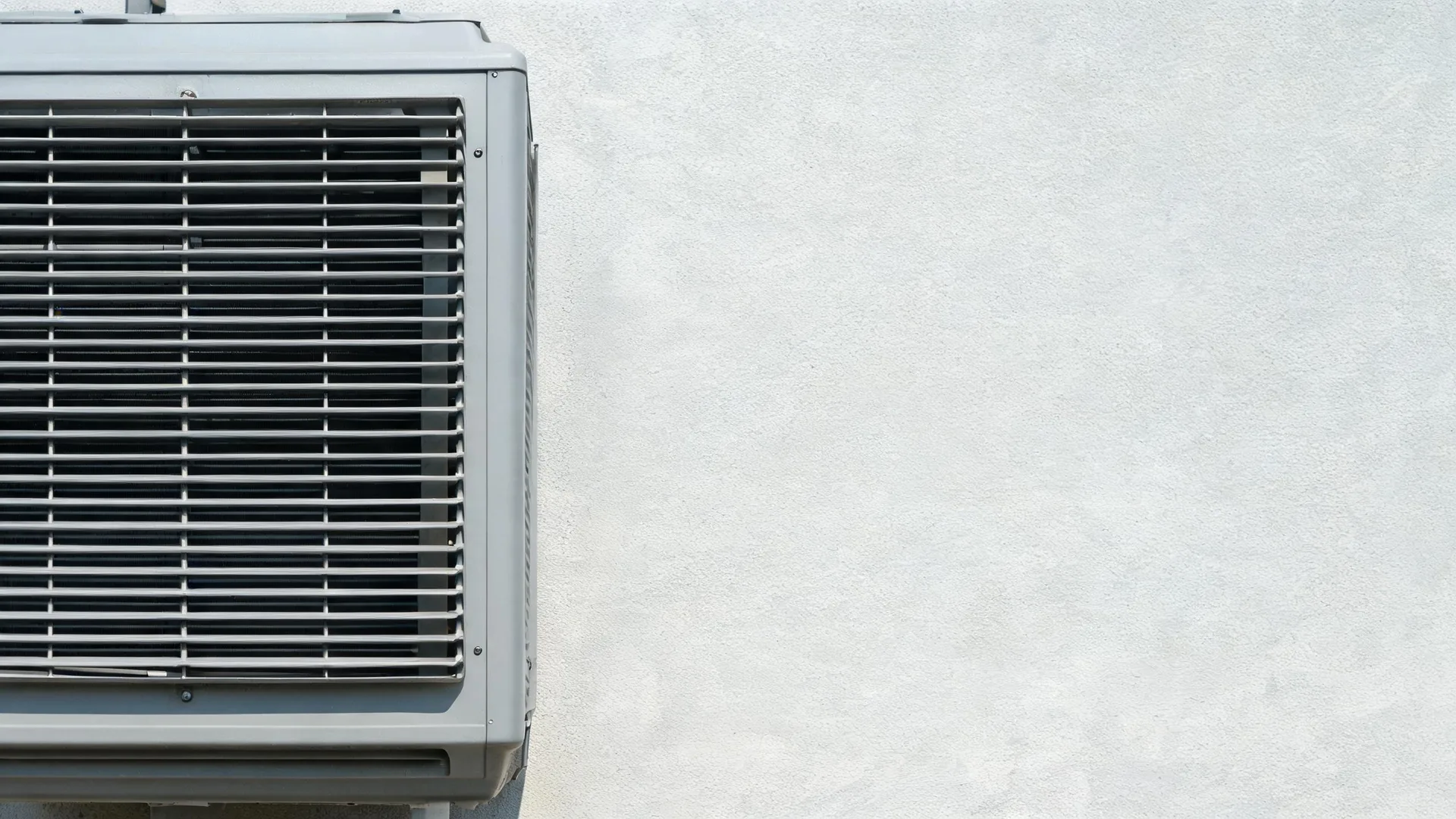
The condenser sits outside with no cover from wind or hail. Storm debris can bend the fins or crack the fan, and none of that shows up until the unit is running hard. A check before storm season catches it while it's still simple.

NOAA nClimDiv, 1991–2020 normals
Cooling starts in June here.
Have the unit checked in May, before it has to work.



Half the homes in Tulare County were built in 1983 or later. If yours is one of them, the system behind the house may still be well within its working life. A yearly check is what keeps it there. Dirt on the coil, a weak capacitor, low refrigerant, none of that breaks the unit outright, but it makes the unit work harder to do the same job, and that wear adds up faster than people expect. Catching it early is what a newer system has going for it. There's still time to keep it running the way it did on day one.
A condenser that took on wind or hail damage this year won't necessarily show it yet. A pre-storm check catches bent fins and fan damage while the fix is still simple, and confirms the unit is ready to run once summer gets here.
Find a contractor
A newer system still runs every day of a hot, dry summer here, with no break between months. That is a lot of hours on a unit that may still have most of its working life ahead. A yearly check is the one chance to find a weak part before the heat finds it first. Keep that check up every year and a system built in 1983 or later has a real shot at running the way it was meant to for a long time yet.
A capacitor going bad makes the compressor struggle to start, so the unit hesitates or hums before it kicks on. A low refrigerant charge shows up as warm air from the vents even though the fan runs fine. Ice on the copper line means airflow or charge is off somewhere. None of these stop the system right away. They just make it work harder until something else gives out.
A technician checking the unit tests the capacitor's actual strength, not just whether it still works, and measures the refrigerant charge against what the system calls for. A dirty coil or a clogged filter gets caught and cleared before it drags down airflow. Catching a weak part on a bench test is a quick fix. Catching it after it fails usually means a bigger repair, because a struggling compressor wears out faster than one running the way it should.
A tune-up checks the refrigerant charge, cleans the coils, tests the capacitor and tightens the electrical connections.
A tune-up is a set list, not a glance under the hood. The technician pulls the panel and checks the capacitor and contactor, since those are what get the compressor started and keep it running without drawing more than it should. The coil gets inspected and cleaned if it's caked with dirt, because a dirty coil can't shed heat the way it needs to. Refrigerant charge gets checked against what the system was built to run, not topped off by guess. The blower wheel and motor get looked at too, since a dirty wheel cuts airflow even when the filter is clean. Drain line gets cleared so condensation has somewhere to go. None of this takes long, and none of it means much on its own, but skipped long enough, each one turns into a reason the system works harder than it should.