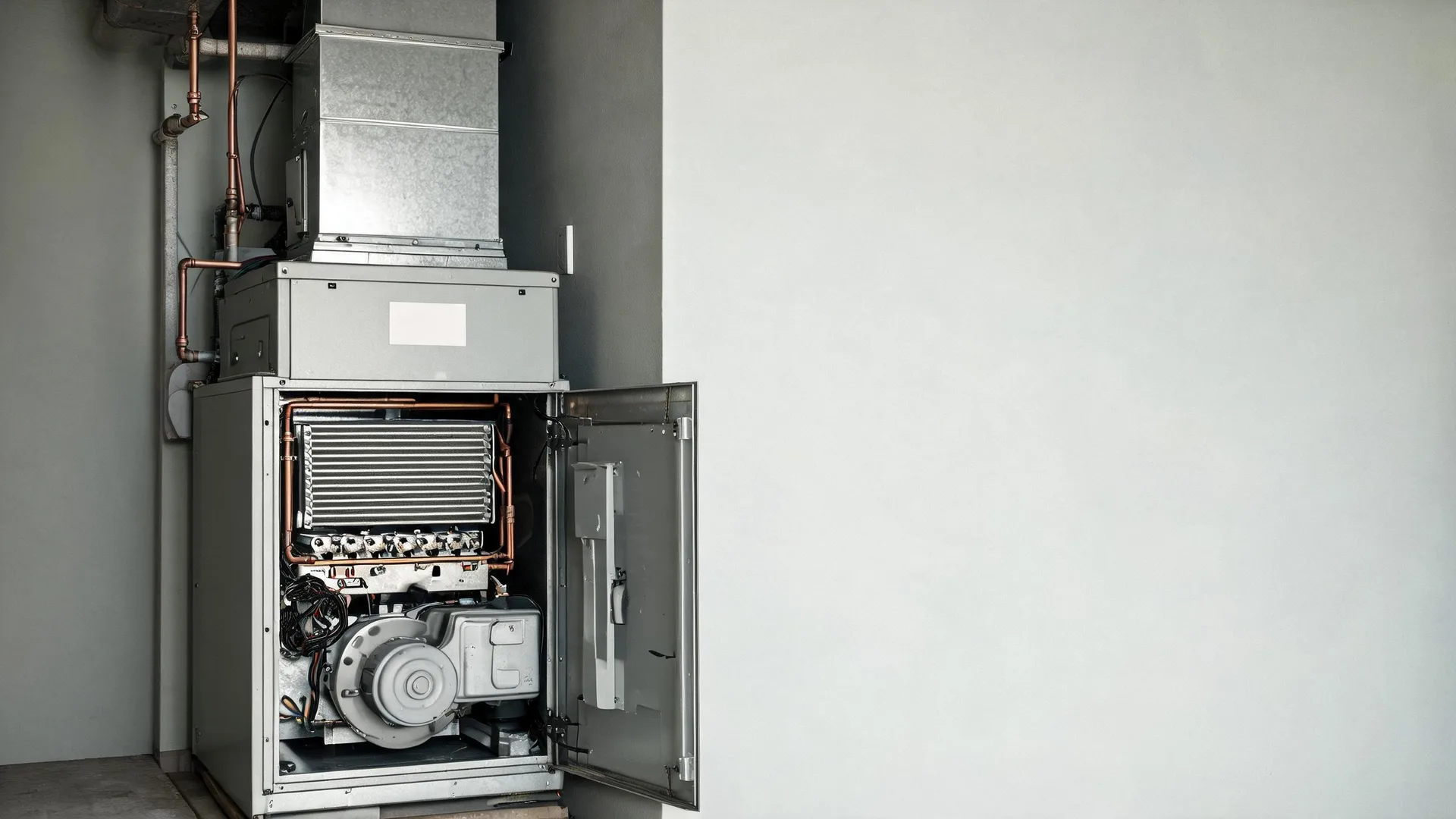
A dirty system pulls more power
A coil caked with dust or a compressor running low on refrigerant has to work harder to cool the same house. That extra effort shows up as more electricity drawn every hour the AC runs.
Takes about a minute. No obligation.
A coil caked with dust or a compressor running low on refrigerant has to work harder to cool the same house. That extra effort shows up as more electricity drawn every hour the AC runs.
California homes paid 31.97 cents per kilowatt-hour in 2024, among the highest rates in the country. A system losing efficiency burns power at that rate every time it cycles on.

NOAA nClimDiv, 1991–2020 normals
Your AC only runs four months a year here, June through September.
A yearly check before summer is usually enough to keep a system with duty that light running right.



May is the last quiet month before the AC has to work. Book the check then, not in June once the house already needs it. A technician can test the capacitor and the refrigerant charge while the system is idle, and catch a weak one before it's asked to run every day. Cooling here only runs June through September, so there isn't a slow ramp-up to catch problems early. The season just starts, and the system is expected to keep up from day one.
At 31.97 cents per kilowatt-hour, a coil or a low charge that makes the AC work harder shows up on every bill while it runs. A check now finds that before the season does.
Find a contractorNone of this shows up by looking at the unit from across the yard. A capacitor can read weak on a meter and still spin the fan when you test it by hand, so the only way to know is to put a gauge on it. Refrigerant charge is the same problem from the other direction, a system can be down a little and still blow cold air at the vent while the compressor works harder than it should to get there. The wear happens on the inside of parts you'd have to open the cabinet to see, and most of it gives no warning before the day it quits.
A dirty filter chokes airflow across the coil, and a coil that can't breathe struggles to pull heat out of the air. Check the filter monthly and swap or wash it when it looks gray. This is the one thing a homeowner can do that actually protects the system between visits.
The refrigerant charge, the capacitor, the contactor, none of that is something to open up or test yourself. Low refrigerant needs a gauge and a trained eye to fix right, and a capacitor can hold a charge even with the power off. Keep the outdoor unit clear of leaves and clutter, and let a technician handle anything past the filter.
A tune-up checks the refrigerant charge, cleans the coils, tests the capacitor and tightens the electrical connections.
A proper tune-up starts at the condenser outside. The technician checks the refrigerant charge against what the system calls for, since too little means the coil can't pull heat out of the air and too much strains the compressor. The capacitor and contactor get tested, since those are what get the compressor and fan motor started, and a weak capacitor is one of the most common reasons an AC won't start on a hot day. Coils get checked for dirt and grime, indoors and out, because a dirty coil can't transfer heat the way a clean one does. The condensate drain gets checked for clogs, since a blocked drain backs up and can shut the system down or cause water damage. Electrical connections get tightened, since a loose one generates heat and can fail under load.