





Overhead view of a gray outdoor AC condenser unit on a concrete pad beside a mulched garden bed and a house with vinyl siding.

AC Maintenance in Hanford, CA

Tell us about the job

Takes about a minute. No obligation.

Tune-up, service, or cleaningCentral ACKings County, CA
Step 1 of 2

What ZIP code is the job in?

Electricity in California ran 31.97 cents per kilowatthour in 2024, well above what most states pay. A dirty coil or a low charge makes the compressor work harder to do the same job, and that extra draw shows up on the meter every month the system runs. In Hanford, that's most of the year. A unit that's been serviced runs closer to the way it was built to, pulling less power to hit the same temperature. At California rates, that difference is worth catching early.

6 months
May through October, your air conditioner is on duty
95°F
the average summer afternoon it cools against
2 hail events
in ten years, and hail bends the fins on outdoor coils
41 wind events
in ten years, and wind drives debris into outdoor units
Isometric grayscale illustration of a cutaway house with the roof lifted, showing interior rooms, ductwork, an indoor air handler, and an outdoor condenser unit beside the building.
Your air conditioner works hardest from June through September.

NOAA nClimDiv, 1991–2020 normals

Half the homes in Kings County were built in 1986 or later.

A system that age still has a lot of working life left, and a yearly check is what keeps it that way.

May is when it starts working. Have it checked in April.

Cooling runs May through October
Summer afternoons average 95°F
Power costs 31.97 cents a kWh statewide

Six months of cooling a year is a long stretch, and Hanford's summers don't ease into it. Afternoons average 95°F through June, July and August, which means the compressor runs long hours just to hold a house steady. A worn part doesn't wait for a convenient time to fail. It fails under load, and the load here starts early and stays heavy through October. A capacitor or contactor that's been weakening all winter often won't make it through July, and when it goes it tends to go on one of those 95 degree afternoons when the system is working hardest.

A checked system costs less to run

A tune-up now costs a lot less than a summer of high draw at 31.97 cents a kilowatt-hour. Get the coil and charge checked before the compressor has to work harder for the same cooling.

Find a contractor
An outdoor residential air conditioning condenser unit mounted on a concrete pad, surrounded by gravel with a blue sky in the background.

A real tune-up checks what a quick one skips

A quick visit checks that the system turns on and blows cold. A thorough one checks why it will keep doing that under a full load. That means gauges on the refrigerant charge, not a glance at the thermostat. It means pulling the capacitor and testing it, not just looking for a bulge in the case. It means washing out the condenser fins, not brushing off the top layer of leaves and grass clippings. A tech who's only there for a few minutes can tell you the system is running. One who checks the charge, the contactor and the blower can tell you it's running the way it was built to, and that's the difference that shows up once the compressor is working its hardest.

Airflow starts at the filter

A clogged filter starves the coil of air. The coil still tries to pull heat out of the house, but with less air moving across it, the refrigerant inside runs colder than it should and the coil can ice over. Once that happens, the system is cooling less while running longer, and the compressor behind it is working against ice instead of air.

The drain decides where the water goes

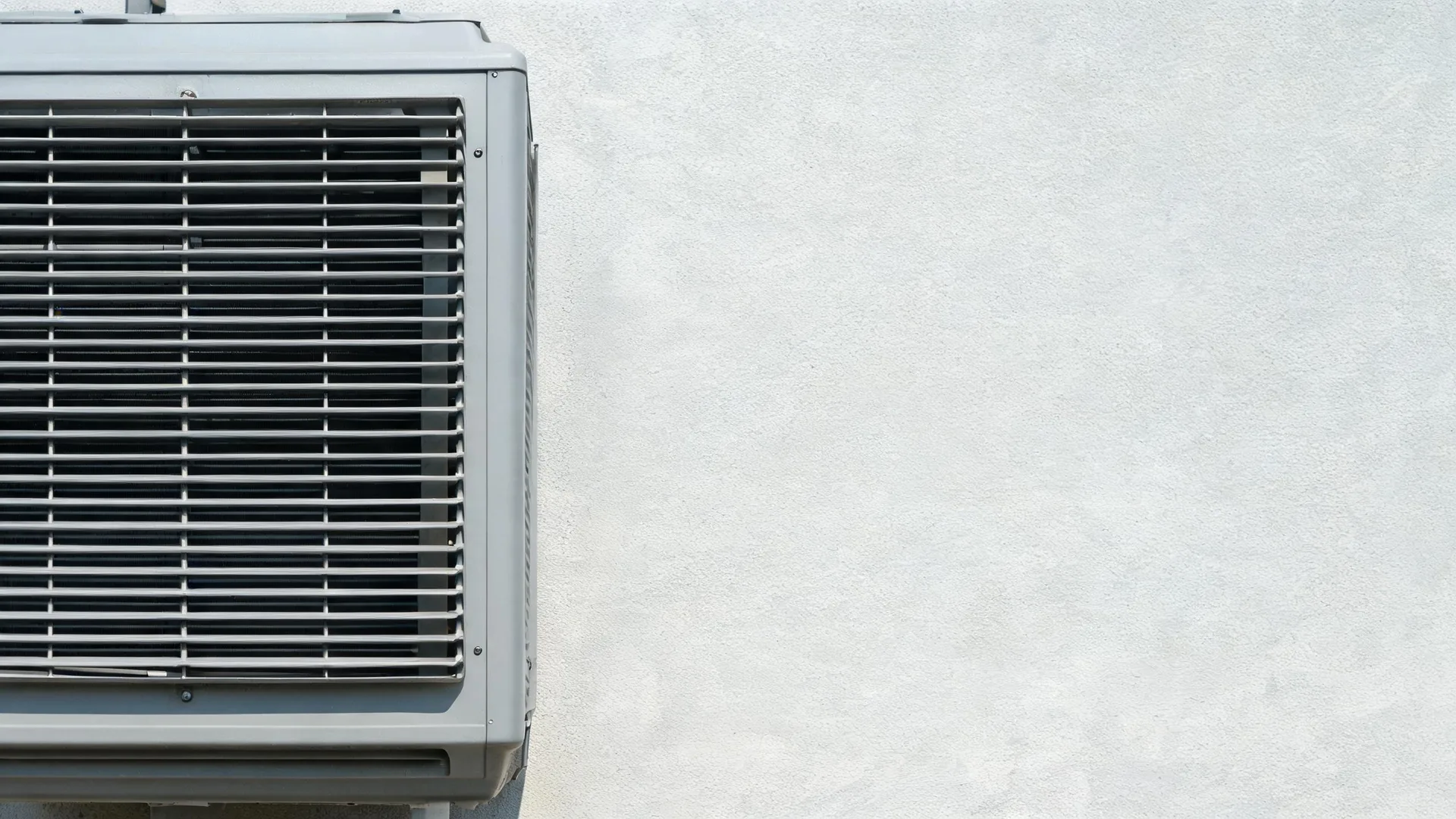
Every hour an AC runs it pulls moisture out of the air, and that water has to leave through the drain line. Algae and dirt narrow that line over time, and when it blocks fully the pan backs up and overflows wherever the system sits. Clearing that line is part of a proper check, not an extra.

An outdoor central air conditioning unit mounted on a concrete pad beside a blue-sided house at sunset.

Book your AC tune-up in April, before homes here start needing cooling in May.

  1. Jan
  2. Feb
  3. Mar
  4. Apr
  5. May
  6. Jun
  7. Jul
  8. Aug
  9. Sep
  10. Oct
  11. Nov
  12. Dec

A tune-up checks the refrigerant charge, cleans the coils, tests the capacitor and tightens the electrical connections.

A tune-up starts with the refrigerant charge. A tech checks it with gauges against what the system is rated for. Too little and the coil runs cold enough to ice up. Too much and the compressor works harder than it should on every cycle. The capacitor gets checked next, since it's what gets the compressor and fan motor started, and a weak one leaves them straining on every cycle. The contactor gets looked over too, for pitting and wear, before it fails outright. Outside, the condenser coil gets cleaned. Dirt and grass clippings packed into the fins keep it from shedding heat the way it needs to. The blower and its motor get checked as well. A system can have good refrigerant and a clean coil and still fall short if the air moving through the house slows down. A tech checks each part against what it should be doing, not just whether it runs.