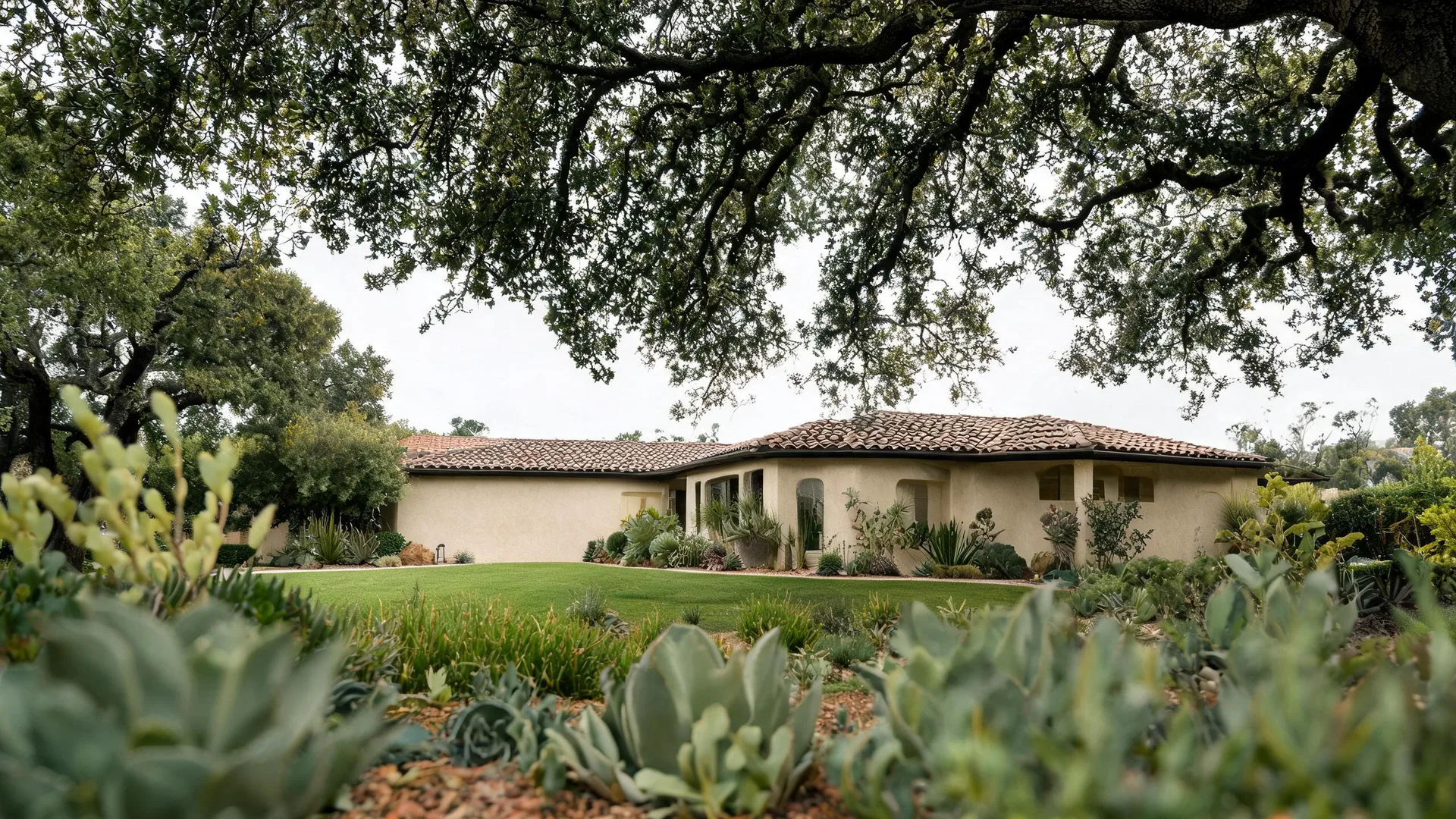





A single-story stucco house with a tiled roof sits behind a lawn, framed by overhanging oak branches and a foreground of succulents and agaves.

AC Installation in South Lake Tahoe, CA

Tell us about the job

Takes about a minute. No obligation.

New system or replacementCentral ACEl Dorado County, CA
Step 1 of 2

What ZIP code is the job in?

Taking out the old unit is part of the job, not an extra step tacked on. The outdoor condenser gets disconnected from its electrical whip and the refrigerant lines, then hauled off. If the job includes a new indoor coil or air handler, the old one comes out too, along with whatever refrigerant is still sitting in the lines. That refrigerant has to be recovered properly, not vented, so plan on the crew bringing recovery equipment even for a straightforward swap. Old line sets sometimes get reused and sometimes don't, depending on their condition and whether the new system needs a different size. Any pad or mounting bracket the old condenser sat on gets checked too, since a new unit doesn't always match the footprint of what was there before.

2 months
July through August, your air conditioner is on duty
83°F
the average summer afternoon it cools against
10 hail events
in ten years, and hail bends the fins on outdoor coils
13.4 SEER2
the federal minimum any new unit must meet
Isometric line illustration of a cutaway single-story house showing interior rooms with furniture, ceiling ductwork, an indoor air handler, and an outdoor condenser unit connected by lines along the exterior wall.
Your air conditioner works hardest from July through August.

NOAA nClimDiv, 1991–2020 normals

Gas heats more homes in El Dorado County than anything else, at 34.3 percent.

If your South Lake Tahoe home already has a gas line in, matching the new system to it is usually the straightest path.

Two months of real work a year, so reliability matters more than the SEER number

Cooling runs July through August
Summer afternoons average 83°F
225 damaging wind events from 2015 to 2024

El Dorado County logged 687 severe weather events between 2015 and 2024, more than most counties see. Winter storms made up most of that, with wind right behind it. A condenser installed here sits outside through all of it, so where it goes matters. Keep it clear of snow slide off the roof and away from branches that could come down on it, and set it up on a stand high enough to stay above drift depth. Power cuts are the other piece. A cooling system does nothing in an outage no matter how well it was sized, so if backup power is already something you're weighing for the house, ask whether the new system can run on it.

What goes in has to meet California's efficiency floor, not the national one

A new condenser going in here has to meet 14.3 SEER2 at minimum, with an EER2 of 11.7 or 9.8 depending on the unit, and California's efficiency rules go further than what's required in most of the country. That narrows what a contractor can actually install. A system bought now may also qualify for the federal tax credit on efficient equipment, worth looking into before you settle on a model.

Find a contractor
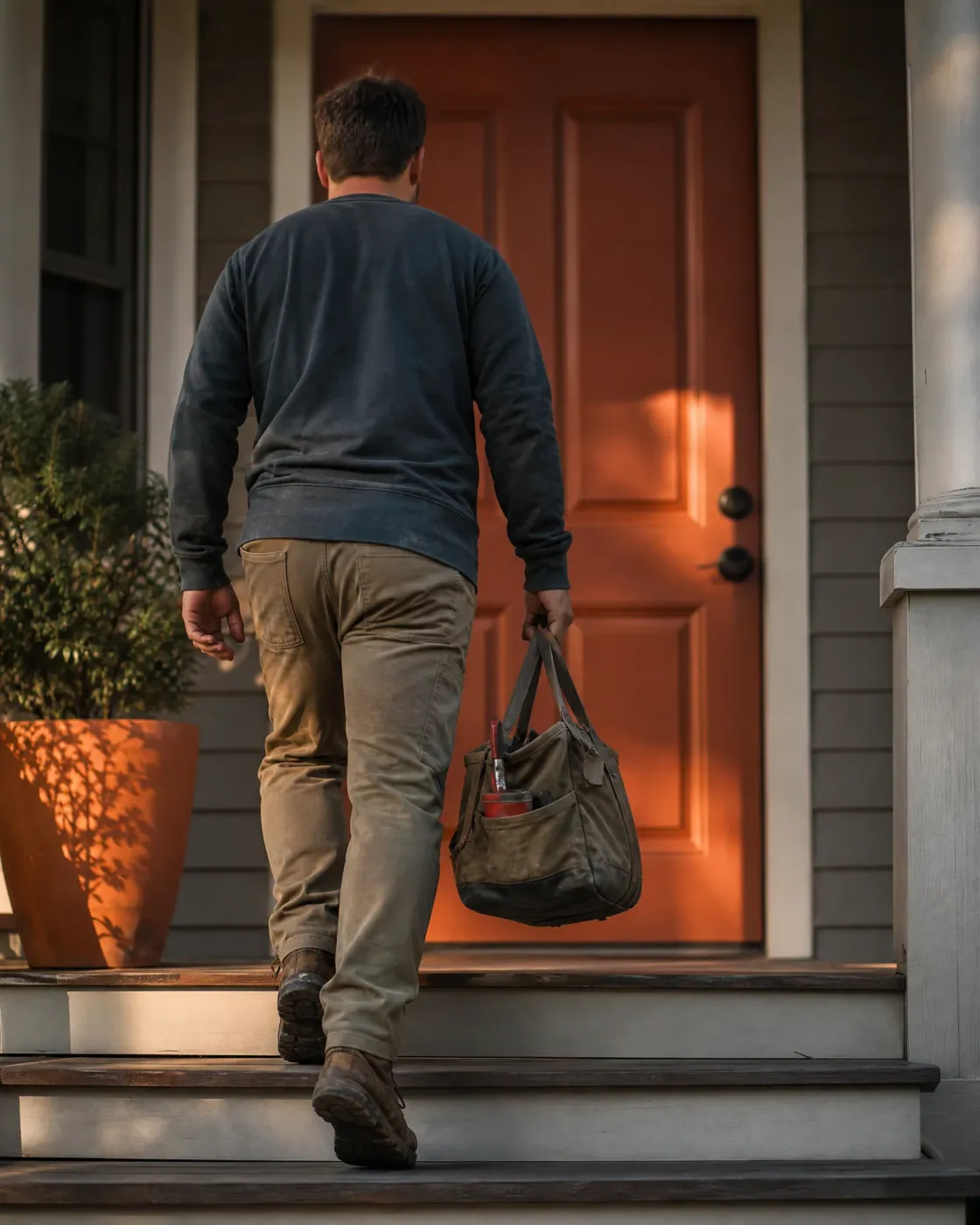
A man in a dark sweatshirt and tan work pants, seen from behind, climbs porch steps toward a red-orange door while carrying a worn canvas duffel bag.
A gray residential air conditioning condenser unit mounted on a concrete pad outdoors, surrounded by green grass under a partly cloudy blue sky.

June, not July

Cooling here runs July through August, about two months a year. Get the new system in during June, before the first hot stretch hits, and you pick the install date. Wait until July and you're choosing from whatever's in stock, on whatever day a contractor can fit you in, maybe with the old unit already dead.

Bigger isn't better here

An oversized condenser cools the room fast, shuts off, then starts again a few minutes later. Each of those short runs skips the long middle stretch of the cycle where the system actually pulls moisture out of the air. The room hits temperature but feels damp and clammy, and the compressor wears out faster from all the starting and stopping.

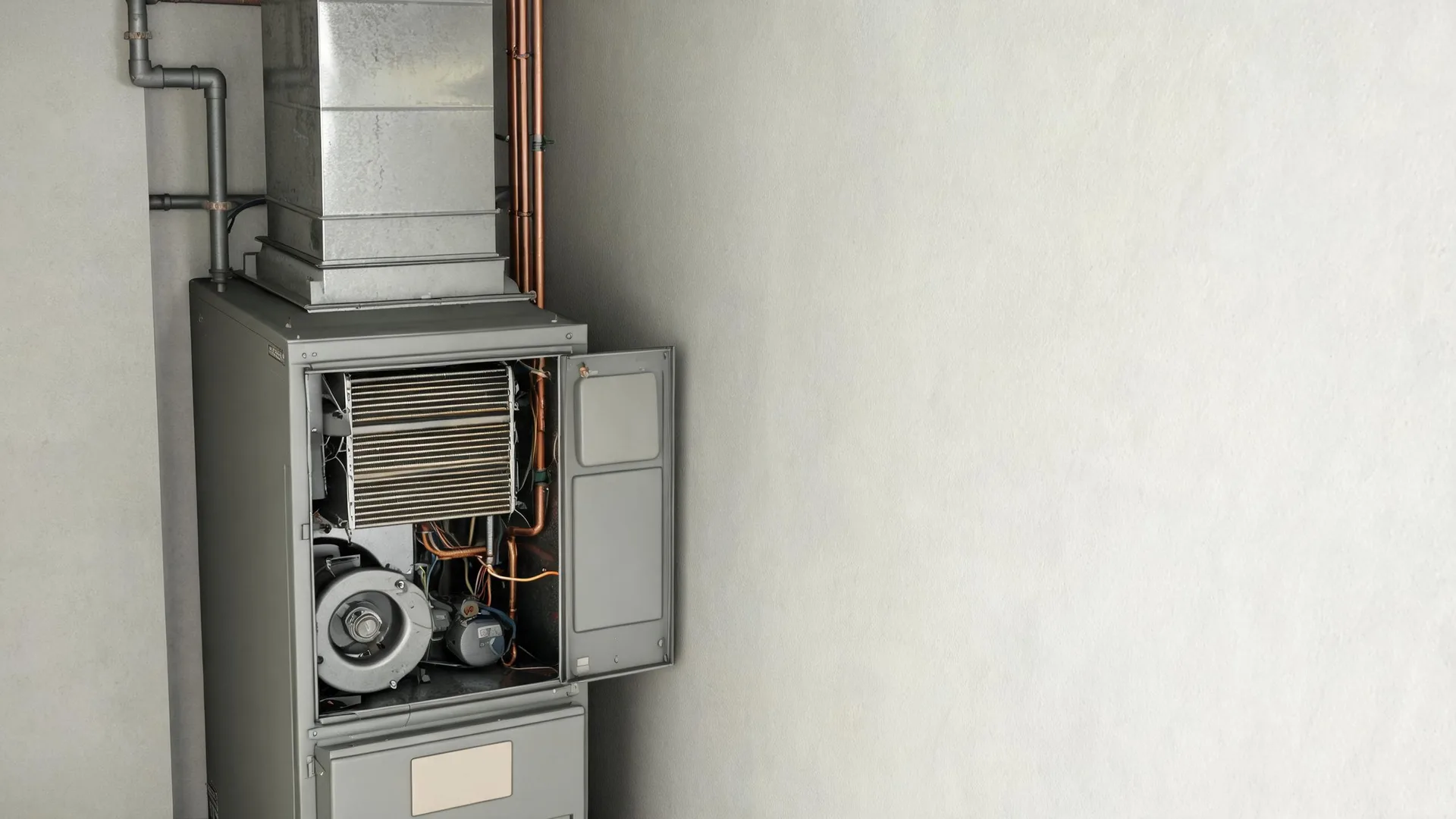
The load calculation is the job

A contractor works out the right size by running a load calculation on the house itself. That means square footage, window area and orientation, insulation, ceiling height, how many people are usually inside. That math produces a number in tons or BTUs, and the condenser gets matched to it. Skipping this step and sizing off the old unit just carries forward whatever mistake was already there.

Overhead view of a gray residential air conditioning condenser unit mounted on a concrete pad beside a house with asphalt shingle roofing.

Going above the federal minimum saves little here, about $10 a year.

  • A higher-efficiency unit$220 a year
  • A new unit at the federal minimum, 14.3 SEER2$230 a year

Estimates for a typical El Dorado County home, from EIA household energy data, California fuel prices and NOAA climate normals. Your home will differ.

Install day starts with a walkthrough. The crew confirms the line set path, where the new condenser sits, and where the indoor coil ties into the ductwork before anything gets disconnected. Once the old equipment is out, the new line set gets brazed, pressure tested, then pulled down into a vacuum to clear out any moisture or air left inside. Skipping that step is how a brand new system ends up with a refrigerant charge that's off from day one. After the vacuum holds, refrigerant goes in to the weight the manufacturer specs, not by feel. Then the crew checks static pressure in the ducts, the temperature split across the coil, and amp draw on the compressor, and runs the system through a full cycle before calling the job done.