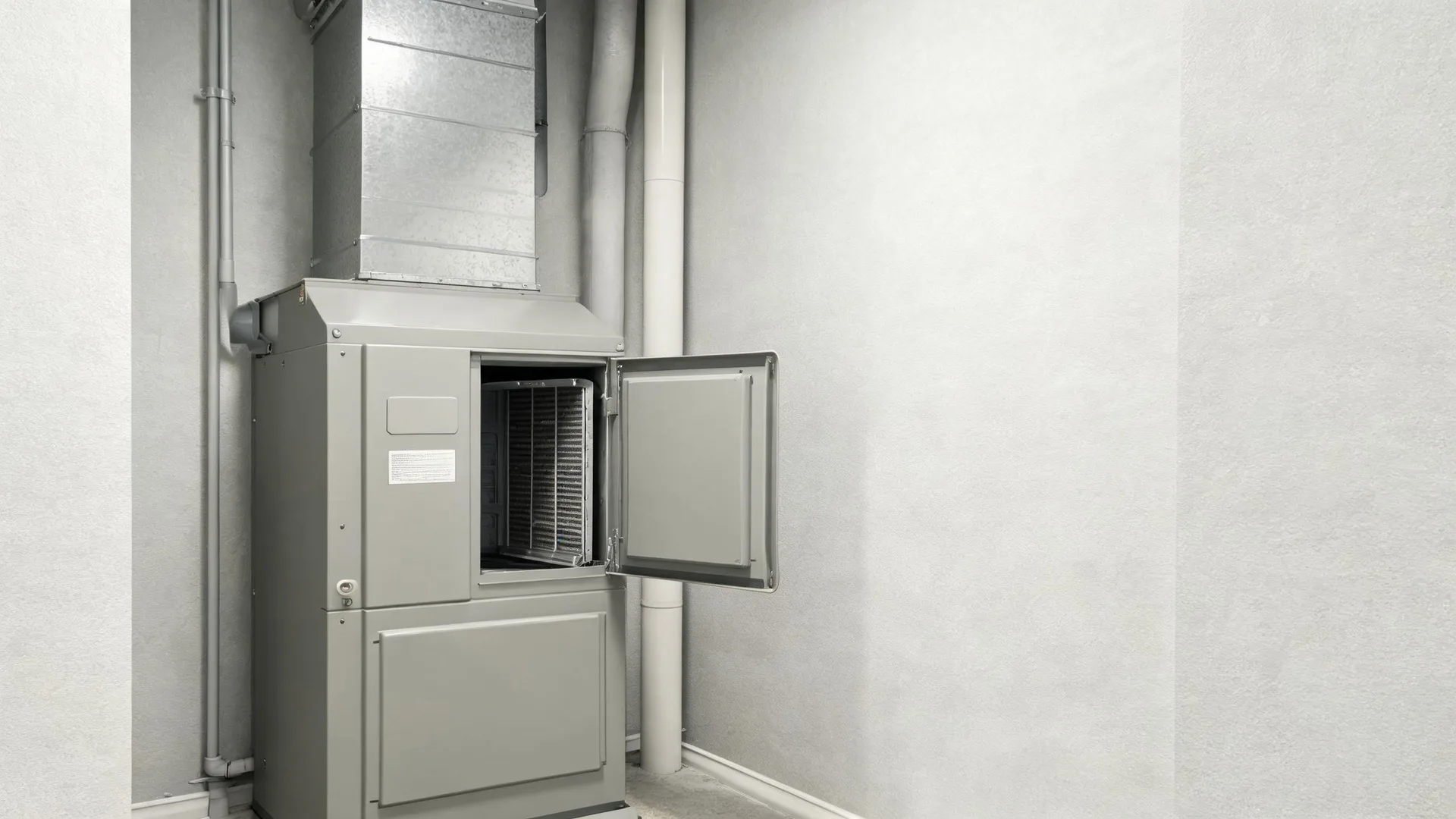
Electricity here runs 37.80 cents a kilowatt-hour
That is higher than what most counties in the country pay. A new air conditioner draws power every time it cycles on, and in Alameda County that power costs more than almost anywhere else.
Takes about a minute. No obligation.
That is higher than what most counties in the country pay. A new air conditioner draws power every time it cycles on, and in Alameda County that power costs more than almost anywhere else.
The dew point here averages 50°F through June, July and August, lower than most of the country sees. An air conditioner that runs well won't fight humidity it doesn't have to. One that runs poorly still costs you for every hour it's on.
NOAA nClimDiv, 1991–2020 normals
Half the homes in Alameda County were built in 1969 or earlier.
A system going into a house that old has to match the ductwork and layout already there, not a generic spec sheet.




Alameda County falls under zone 3C in the 2021 energy code, a warm zone with mild, marine-influenced winters. Any split-system air conditioner installed here under 45,000 Btu an hour has to clear 14.3 SEER2 at minimum, along with a separate EER2 requirement of 11.7 or 9.8 depending on how the unit is certified. Those numbers set a floor, not a target. They narrow what a contractor can legally put in your house, so the question isn't whether a unit is efficient enough to pass but how far past that floor it sits. A federal tax credit is available on qualifying equipment, on top of whatever the unit saves you on its own.
The install happens once. The power bill comes every month after that, for as long as the system runs. Picking a unit that clears the minimum by more costs you less here than it would somewhere with cheaper power.
Find a contractor
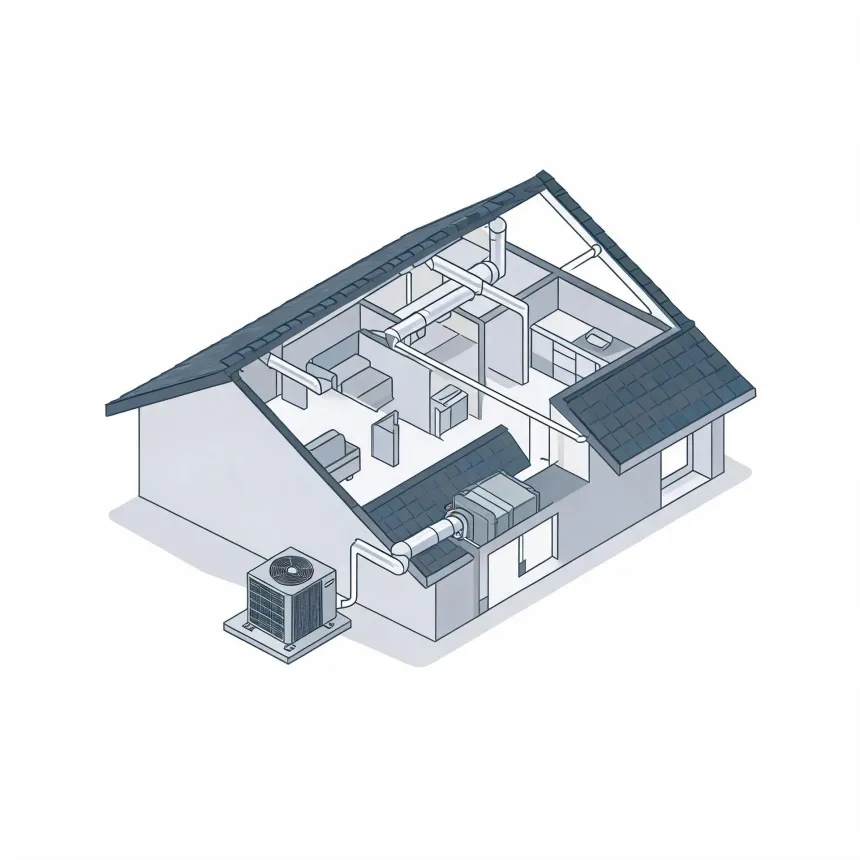
That ductwork is already sized for whatever system is running now. When the new unit goes in, matching it to the house means sizing it to those ducts and that layout, not just picking a bigger or more efficient model off a spec sheet. A contractor who checks the ducts before quoting the install is doing that match. One who quotes off the square footage alone is guessing.
A contractor disconnects the power, recovers the refrigerant from the lines, and unbolts the condenser from its pad. Inside, the old coil comes out of the plenum. None of that refrigerant can just be vented. It gets captured and taken off site, because letting it go into the air is against the law.
If the new system uses the same refrigerant line set and ductwork, a lot of the old infrastructure stays in place and just gets connected to the new equipment. The line set gets checked for the right size and flushed before reuse. If it's the wrong diameter or has a leak, it gets replaced instead of reused, which is a decision made during the install, not before it.
Estimates for a typical Alameda County home, from EIA household energy data, California fuel prices and NOAA climate normals. Your home will differ.
The crew shows up with the new condenser and coil already matched as a pair, not picked separately. Power to the old system gets locked out before anyone touches a line or a panel. Once the old equipment is out and the line set is checked, the new coil goes into the plenum and the condenser gets set on its pad. Every joint in the refrigerant line gets brazed, then the whole system is pressure tested before it's charged. A system that's never been opened to the air has no moisture or dirt in the lines, so that test matters more than it looks like it does. After the charge is set, the contractor runs the system and checks the temperature split across the coil to confirm it's cooling the way it should, not just that it turns on.