






How long an AC unit lasts in Oakland, CA

Send the form and stop researching installers for the new air conditioner.

Let a pro reach out

A central air conditioner in Oakland typically lasts 15 to 20 years, longer than the 12 to 15 years common in hotter parts of the country. Summers here are warm but not punishing, and the unit outside your house never has to fight the kind of heat and humidity that wear a compressor down fast. It still runs hard enough on the warm stretches of summer to need regular service, and the parts inside it age whether the weather is mild or not. A refrigerant leak, a failing capacitor, or a compressor that's simply worn out can end its life well before 20 years, mild climate or not. If your system is original to your house and pushing past 15 years, it's worth having someone look at whether repair still makes sense or whether you're better off planning for a new one before the next hot stretch arrives.

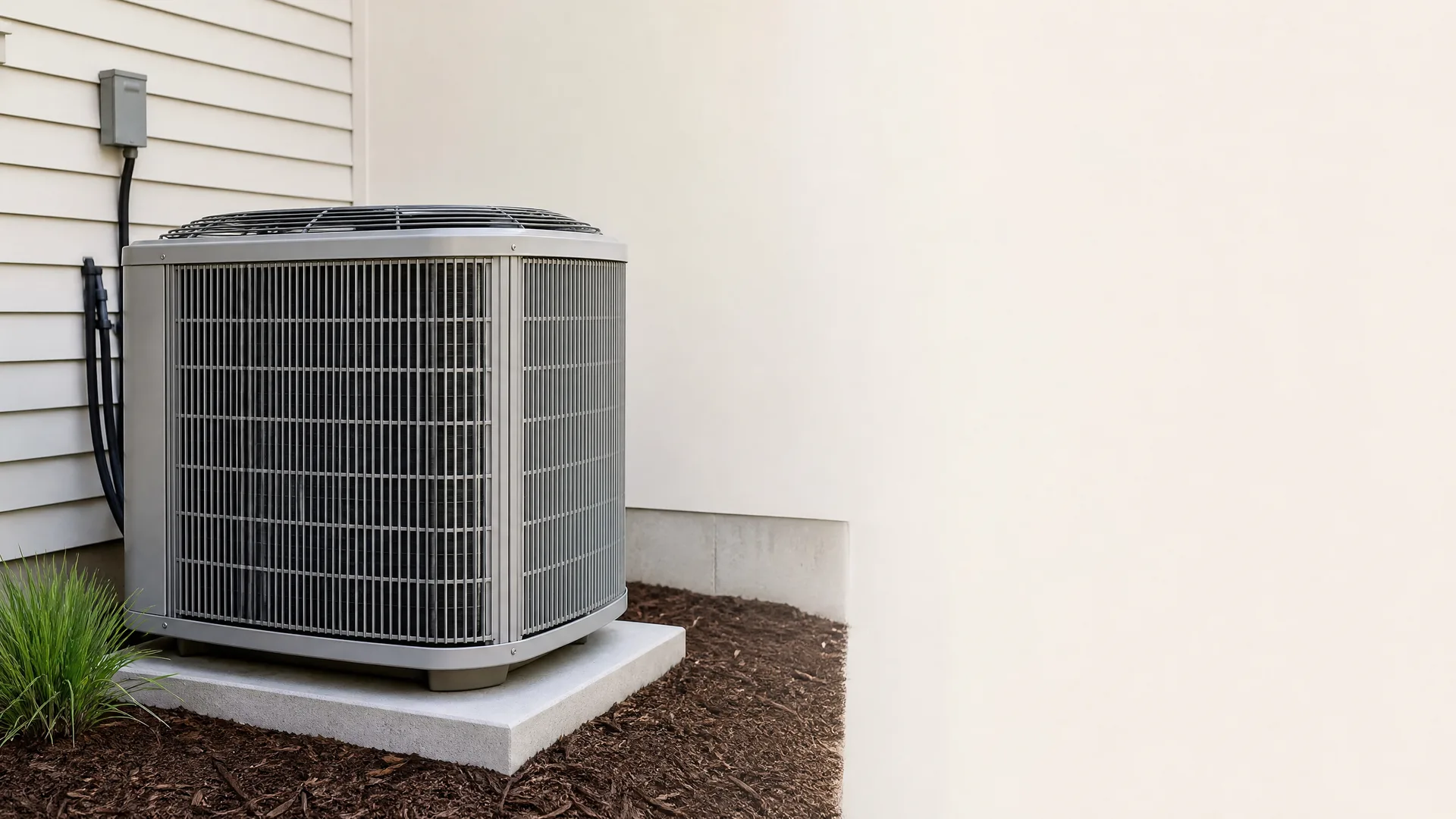
An outdoor air conditioner condenser unit on a concrete pad beside a house with horizontal lap siding and a light stucco wall, surrounded by dark mulch and an ornamental grass.

Why the compressor runs easier here

The compressor outside your house is what wears out first, and heat is what wears it down. In Fresno or Sacramento, that compressor might run flat out for hours on summer afternoons when it's 100 degrees or hotter. In Oakland, it rarely has to work that hard. Most days top out in the 70s even in July and August. Less strain each time it cycles on adds up over the years the unit is in service.

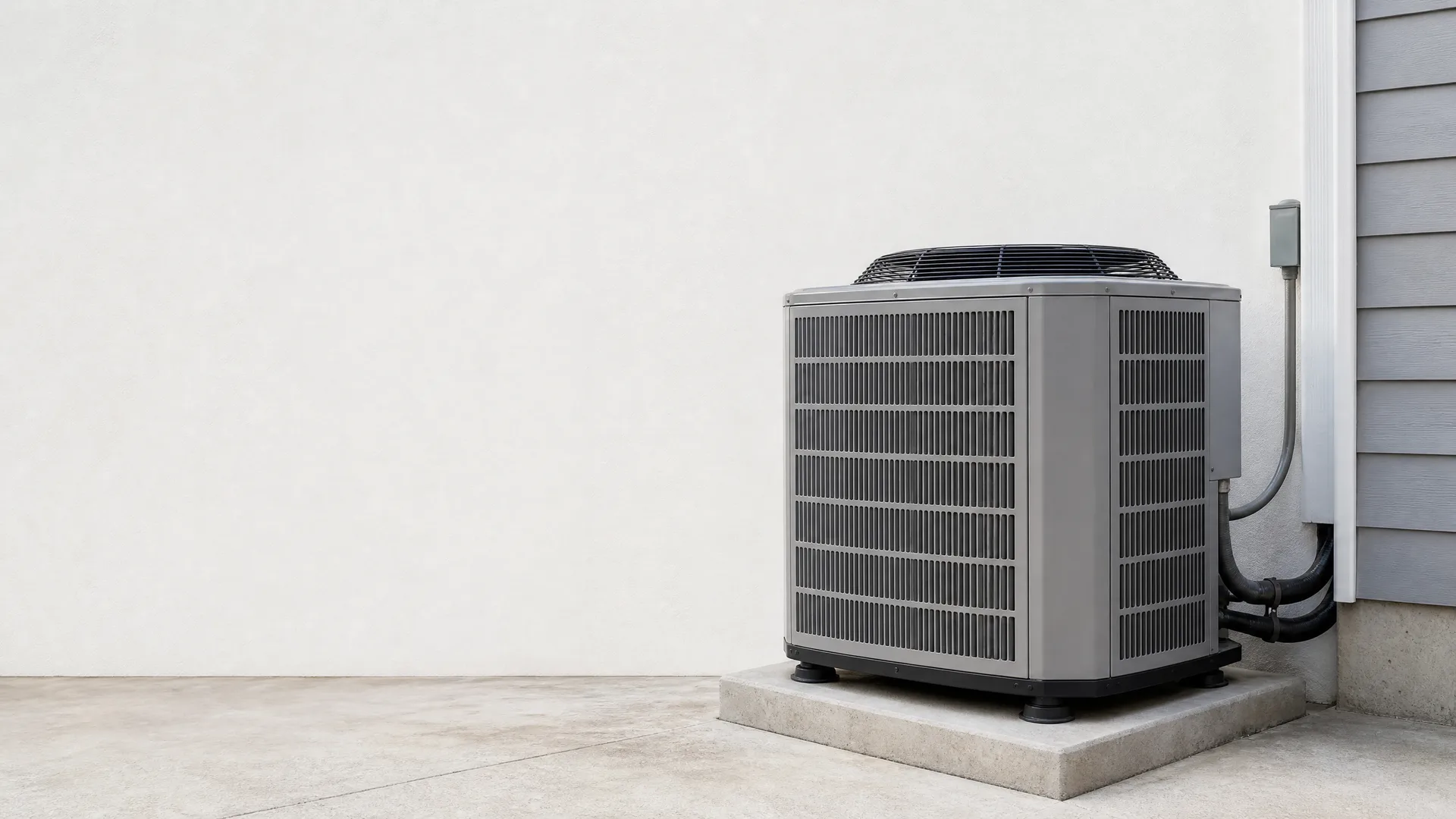
An outdoor air conditioning condenser unit on a concrete pad beside a light stucco wall, with a disconnect box and refrigerant lines running to adjacent lap siding.

What actually shortens the life

Age alone doesn't end a unit's life. Neglect does. A system that never gets its coils cleaned or its refrigerant checked will fail years before one that gets serviced on a normal schedule, no matter how mild the summers are outside. Dust and debris around the outdoor unit make the compressor work harder to move the same amount of heat, which is the opposite of what Oakland's climate gives you for free.

Does that mean my AC will actually last 20 years?

That 15 to 20 year range is a average, not a promise. You want to know what actually decides where your unit falls in that range, and whether there's anything that pushes it toward the short end or the long end regardless of Oakland's mild summers.

It depends on maintenance more than it depends on the weather

The mild summers here give your unit an easier working life than one in Fresno or Phoenix, but that's only half the story. A unit that never gets a filter changed or a coil cleaned will wear out early no matter how gentle the climate is. Dirt on the coil makes the compressor work harder to move the same amount of heat, and a clogged filter does the same thing from the other side. A unit that's serviced yearly, with the filter changed on schedule and the coils kept clean, is the one that reaches 20 years. One that's ignored might not see 15, even in Oakland. The climate sets the ceiling. What you do with the unit decides how close you get to it.

A man in a navy sweater reclines with closed eyes in a beige armchair in a living room, with a lamp, wooden cabinet, bookshelf, potted plant, and a side table holding a newspaper and mug nearby.
A man in a blue henley shirt reclines on a leather chair with his eyes closed, beside a window, a houseplant, a side table with a newspaper and a dark mug.
A man in a gray sweatshirt reclines with his eyes closed in a dark leather chair, with a bookshelf behind him and a side table holding folded newspapers, a mug, and a potted plant by a window.
A man in a blue sweater leans back on a brown leather chair with his eyes closed and a slight smile, in a room with bookshelves, framed pictures, a potted plant by a window, a folded newspaper and a dark mug on a table.

Is your AC starting to show its age?

A unit nearing the end of its life tells you before it quits. It runs longer than it used to, cycling on and off more often without really cooling the house down. You might hear a rattle or a hum that wasn't there before, or notice a room that used to feel fine now runs warm. Some owners catch a musty smell when the system kicks on, which usually means moisture sitting somewhere it shouldn't. None of this means the unit is finished. But a system working harder than it used to is costing you more on every power bill, and power here isn't cheap. Left alone, a struggling unit tends to fail on the hottest afternoon of the year, not a convenient one.

A two-story house with light horizontal siding, a gabled roof and a white front door, set on a grassy lawn between two leafy trees, with a wet street and sidewalk in the foreground under low sunlight.

The air here holds less moisture than it does in most of the country. Alameda County's summer dew point averages 50°F across June, July and August, which is on the dry side as these things go. That matters for your compressor because it only has to cool the air, not wring the water out of it first. In a muggy climate, the same unit spends part of every cycle pulling moisture out of the air before it can get the temperature down, and that extra work adds up over a summer. Yours doesn't carry that load. If your AC does struggle here, it's more likely heat or age than humidity behind it. Figures from NOAA.

NASA POWER T2MDEW

It's off your list after this

Skip collecting and comparing quotes for the new air conditioner.

No charge to send it. You decide if you hire them.

Keep running it as is

If your AC is cooling fine and the bills haven't jumped, there's no reason to replace it on a schedule. An AC that's past 15 years but still holding steady can keep going for a while yet, especially here where the compressor isn't under the kind of strain it would face in a hotter climate. Keep an eye on the signs of age, but a unit that's doing its job doesn't need to be swapped out just because of a number. Replacing early means paying for cooling capacity you already have.


Replace before it fails

Waiting for a compressor to die means waiting for the hottest week of the year to do it, since that's when the unit works hardest. A failure then means days without cooling while you find a contractor, get a quote and wait for the install, all during the stretch you need it most. Replacing an aging unit on your own timeline, in spring before the heat sets in, means you're choosing when the work happens instead of a breakdown choosing for you. It also means picking the new unit without pressure.

A gray-haired man in a blue sweater over a checked collared shirt sits in an armchair with his eyes closed and head tilted back near a bright window, with a houseplant and lamp nearby.
A woman in a cream knit sweater sits with eyes closed in a light upholstered armchair beside a window showing autumn foliage, with a ceramic mug on a side table and a lit lamp and shelves in the background.

What's actually happening inside the unit

  • Refrigerant leaving the indoor coil as a cool gas gets squeezed by the compressor, which raises its pressure and temperature so it can dump heat outside.
  • The outdoor fan pulls air across the condenser coil to carry that heat away before the refrigerant turns back to a liquid.
  • A capacitor gives the compressor and fan motor the jolt of current they need to start, and a weak one causes hard starts that strain the compressor over time.
  • The compressor has to work harder for every degree of pressure difference it's pushing against, so a mild afternoon costs it less than a 100 degree one.
  • Low refrigerant from a slow leak makes the compressor run longer to hit the same temperature, and that extra runtime adds up over the unit's life.
  • The thermostat just tells the system when to start and stop; everything that actually wears out is in the compressor and the coils doing the work.

Your AC is moving heat out of the house, not making cold air. Refrigerant comes back from the indoor coil as a cool gas, and the compressor squeezes it until the pressure and temperature climb high enough to dump that heat into the outside air. That's the step that does the work, and it's the step that wears. Outside, the fan pulls air across the condenser coil so the refrigerant can let go of the heat and turn back into a liquid before heading inside to do it again. A capacitor gives both the compressor and the fan motor the jolt of current they need to get started. When a capacitor weakens, the compressor starts hard instead of smooth, and that strain adds up over years of starts. How hard the compressor works depends on how big a gap it's pushing against. A 75 degree afternoon asks less of it than a 100 degree one, which is part of why the pressure difference it fights here tends to be smaller than in hotter inland cities. A slow refrigerant leak doesn't show up as a sudden failure. It shows up as the compressor running longer to hit the same temperature on the thermostat, cycle after cycle, and that extra runtime is what shortens its life. The thermostat itself does none of this work. It just tells the system when to start and stop. Everything that actually wears down, the compressor and the coils, is doing the real work every time the system runs.

Cooling runs July through September

Three months of real work a year is light duty for a compressor built to run all day, every day in hotter climates. That short season is a big part of why AC units here stretch toward the long end of their lifespan instead of wearing out early.

NOAA nClimDiv 1991-2020

Replace it before it fails

Waiting for a compressor to die means waiting for the hottest week of the year to find out. A planned replacement lets you pick the week, not the heat.

A gray outdoor air conditioner condenser unit on a concrete pad beside a house with beige horizontal siding, with an electrical disconnect box and insulated refrigerant lines on the wall and dry leaves on the ground.
Before you get your air conditioner installation
A gray outdoor air conditioning condenser unit on a concrete pad beside a house with horizontal gray siding, with a wall-mounted electrical disconnect box and insulated refrigerant lines, and blue hydrangeas in a mulched bed to the left.
After you get your air conditioner installation
  1. Refrigerant in the indoor coil pulls heat out of the air in your house.

  2. The compressor squeezes that refrigerant into a hot, high pressure gas.

  3. The outdoor fan blows air across the condenser coil to carry that heat outside.

  4. Refrigerant cools and turns back to liquid before it heads indoors again.

A wooden table with a closed laptop, a ceramic mug of dark coffee, and a glass vase of eucalyptus stems beside a window, with a dark green kitchen cabinet, wooden counter, potted herb, cutting boards and bowl blurred in the background.

Where that leaves you

An AC unit in Oakland runs 15 to 20 years, and the mild summers here are the reason why. Whether yours lands at the start of that range or the end comes down to how it's been run and maintained, not luck. If yours is getting old or starting to struggle, you already know it, and now you know why it's worth taking seriously before the next warm stretch.

When it's time to replace it, finding someone to do the work is its own job: searching for a contractor, calling a few, explaining the same thing to each one, waiting on quotes and sorting through them to see who's actually worth hiring. Send the form and that part is off your plate. You'll have someone qualified to talk to about your install without doing any of that legwork yourself.

A living room with a cream sofa and knit throw beside a window, with a wooden coffee table in the foreground holding a round woven tray, a small bowl, and a speckled vase of green leafy branches.
A single-story white stucco house with dark roof, stone-clad entry tower and three dark garage doors, lit from within at dusk, with a curved concrete driveway and dark mulch beds with boulders and bare young trees in the foreground under an orange and blue sunset sky.

Air Conditioner Installation

Stop chasing an air conditioner pro

New system or replacementCentral ACAlameda County, CA
Step 1 of 2

What ZIP code is the job in?

  • A multi-pane white window looking out on snow-covered evergreen and bare trees, with a ceramic mug, pine cones, a book, a knit blanket and a burlap cushion in the foreground.
    • Your new air conditioner project goes to an installer who works in Alameda County.
    • Get matched with a pro who works on air conditioners in Alameda County.
  • A cream knit throw and striped pillow on a light upholstered sofa beside a window, with a woven basket of split firewood in the foreground.
    • After this form, you can stop searching for an air conditioner pro.
    • Send it once and finding someone is no longer on you.
  • A weathered wooden bench with a beige cushion and a fringed brown throw sits on a wood-plank porch beside a large planter with a thin-branched shrub, against a light-colored house wall with a dark-framed window.
    • Describe the project once instead of to every installer.
    • Answer a few questions instead of calling shop after shop.
  • Exterior of a dark shingle-sided house with a white-trimmed divided-light window, a yellow-leaved tree, trimmed shrubs, and two small pumpkins on a stone pillar cap.
    • A licensed installer who works in Alameda County gets your project.
    • The pro who gets in touch is licensed in California and works in Alameda County.