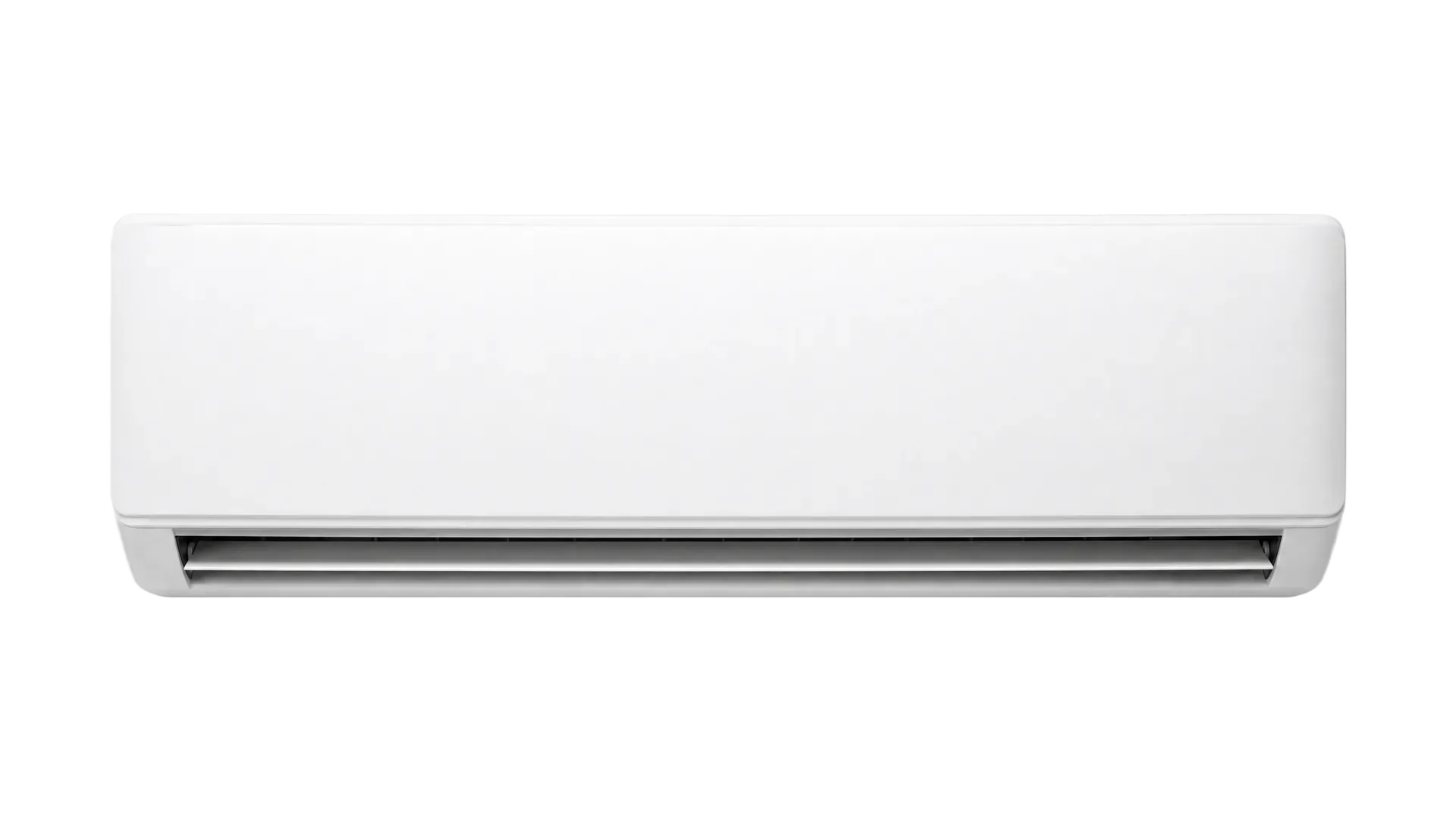
15 to 20 years
With gas heat handling winter, your mini split's compressor only has to work hard for cooling, which is a smaller share of the year here.
A mini split in California typically runs 15 to 20 years before it needs replacing. That's longer than what you'd see in a lot of other states, and the reason comes down to how lightly the system gets worked here. Mild summers mean the compressor isn't cycling on hard, long hours the way it would somewhere with brutal heat, and since most homes here heat with gas, the mini split often only handles cooling duty rather than running double shifts through the winter too. Less strain year after year adds up to a longer life. What that means for you: a mini split that's maintained well can outlast what the brochure promises, but one that's skipped on maintenance or was installed poorly won't get there no matter how easy the climate is on it. Given what power costs in California, a unit that's aging and losing efficiency also costs you more to run long before it actually fails.


The compressor sits outside and does most of the work, so it's the part that eventually gives out. How hard it works depends on your climate. Since summers here stay mild, the compressor rarely has to run flat out, and that alone adds years to its life compared to a system working through hotter stretches elsewhere. Gas heat in most homes here means the compressor also skips the long winter runs it would see in an all-electric house, so the wear stays lower on both ends of the year. Inside, the coil needs attention too. Dust builds up on it slowly, and once it does, the compressor has to push harder to move the same amount of heat, which shortens its life even in a mild climate. The inverter board, which controls how the compressor speeds up and slows down, tends to be the next part to fail, usually somewhere past the ten year mark. Refrigerant lines rarely cause trouble on their own. If one leaks, it's almost always a loose fitting rather than the refrigerant wearing out.




With gas heat handling winter, your mini split's compressor only has to work hard for cooling, which is a smaller share of the year here.
A mini split carrying both heating and cooling wears faster. Installed right for your home, it holds up through more of the 15 to 20 years.

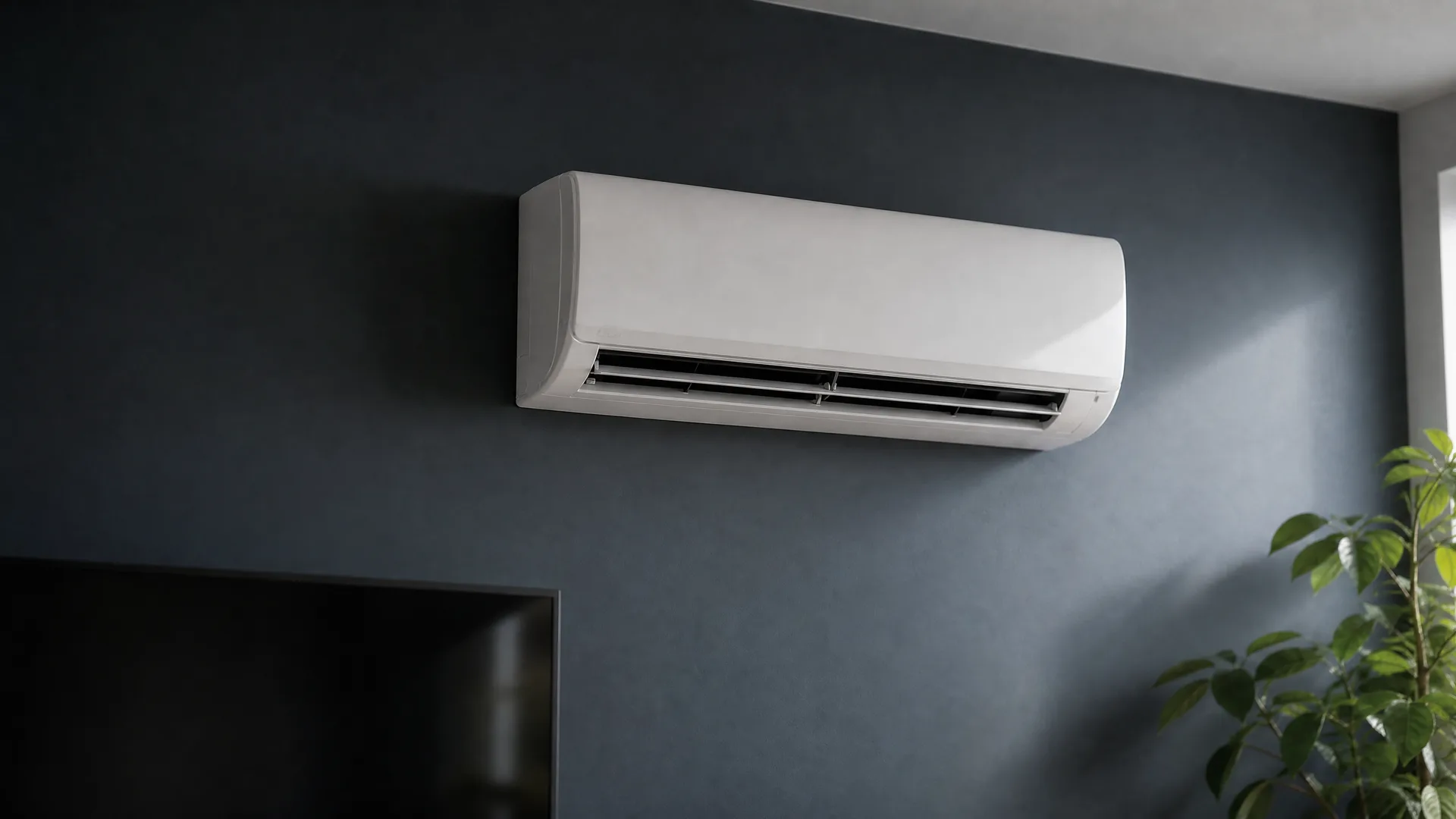
A mini split that's maintained keeps air moving freely through the vents, and the coil stays clear enough to do its job. The wall unit stays close to the color it started. Airflow out of the vents feels steady, and the room cools or heats evenly.

Dust and grime along the vents mean the coil behind them is likely coated too, and a dirty coil makes the compressor work harder to hit the same temperature. Left this way, that extra strain adds up over the years the unit's supposed to last.


A mini split that lasts 15 to 20 years is still a system you'll own long enough to need a new one eventually, or to want a second unit in another room now that you've seen what it does to a power bill next to running gas heat and AC separately. Getting that installed right the first time, with the lines sized correctly and the outdoor unit placed where it won't labor, is most of what decides whether you get the long end of that range or the short end. Finding someone qualified to do that usually means searching around, calling a few contractors, explaining your house and your setup more than once, then sitting with quotes trying to tell them apart. That's the part worth handing off. You already know what you want installed. What you don't want is the week it takes to find who should do it.
A summer dew point averaging 50°F is low. That's dry air by most standards, the kind that doesn't leave a film on your skin the second you step outside. For your mini split, it means the coil isn't pulling much moisture out of the air to keep the room comfortable, just heat. Less moisture load is less work for the system on top of its regular cooling job. You'd notice it in how quickly a room feels right after the unit kicks on, and over the life of the system, that lighter load is part of what lets the compressor hold up as long as it does.
Source: regional climate averages, June through August
NASA POWER T2MDEW county cells weighted by homes
You've had the mini split for a while and you're wondering what's actually going to go wrong with it first, so you know what to watch for or ask about when it's time for service. It's a fair question, since the system has more than one moving part and they don't all wear at the same rate.
The compressor sits outside and runs every time the system is asked to heat or cool, so it logs more hours than anything else in the unit. Over the years that adds up to more wear than the fan motor, the indoor coil or the electronics ever see. In California, mild summers mean the compressor doesn't push to full capacity as often as it would in a hotter climate, which is part of why it tends to hold up for 15 to 20 years here instead of less. When a mini split does fail, it's usually the compressor that goes, not the parts inside the wall unit.


At 31.35 cents per kilowatt-hour, every hour your mini split's compressor runs shows up on the bill fast. That's what makes the light cooling load here work in your favor, and it's also why a unit that's losing efficiency as it ages is worth catching before it drags your costs up further.
EIA-861 2025 statewide residential average
You set the temperature, and the thermostat sends that call to the indoor unit.
The indoor unit's blower pulls room air across the evaporator coil.
Refrigerant inside that coil absorbs the heat and turns to gas.
The line set carries that refrigerant gas out to the compressor.

That's the span a mini split in California gets when the light cooling load here isn't undone by a coil nobody's checked in years. The number holds up because of your climate, not because the equipment is special. What happens to it between now and then is still up to whoever maintains it.
If yours is getting close to that range, or you're past it and wondering whether a repair is worth paying for, the next step is talking to someone who can look at the actual unit instead of guessing from a number on a page. That beats calling around to a handful of installers, explaining the same thing each time, and trying to compare quotes that aren't for the same scope of work. A contractor who takes mini split installations in California gets matched to what you've described and reaches out to you directly.

Get your mini split to the right pro