
Running clean
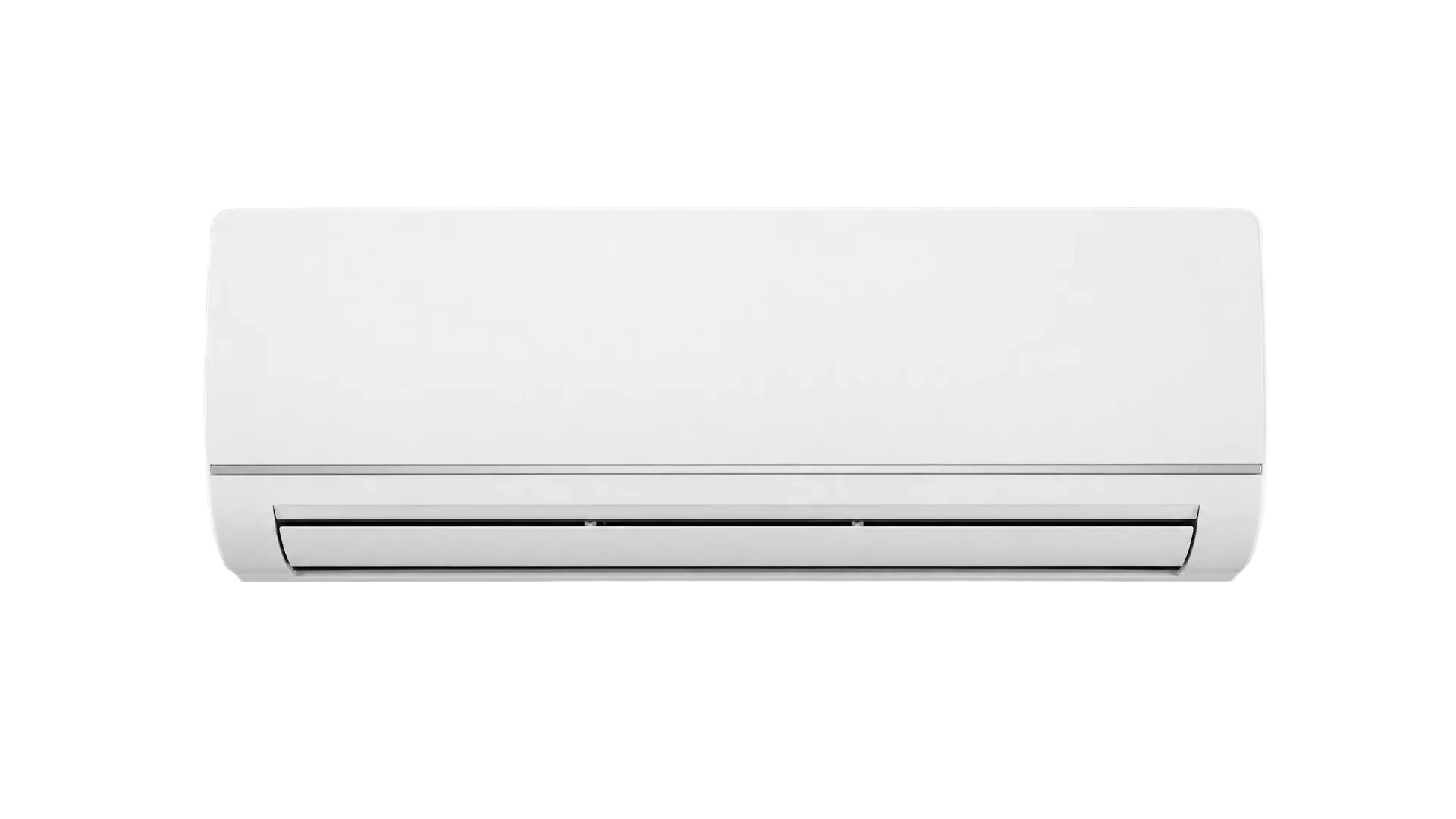
This is what a mini split looks like when the filter gets rinsed on schedule. The casing stays white, the vents stay open, and air moves through without resistance. Nothing about it is remarkable, which is the point.
Clean the filters on a mini split yourself every two to four weeks, more often if you run it most of the year. California summers don't carry the heavy humidity that clogs a coil fast, but dust and pollen still build up on the filter mesh and the indoor coil behind it, and a dirty filter makes the unit pull harder to move the same air. Beyond the filters, have the coils, the blower wheel, and the condensate drain looked at once a year. Since most homes here heat with gas, the mini split is doing cooling duty for a long stretch of the year rather than running double duty for heat too, and that steady summer use is what wears on it. With power costing what it does in California, a dirty coil or a clogged drain is the kind of thing that quietly raises the bill and shortens the life of the unit before it ever breaks down outright.


The filter catches most of what's in the air, but not all of it. What gets past settles on the indoor coil behind it, and that's not something you can wipe down yourself. A coated coil can't pull heat out of the air the way a clean one does, so the compressor runs longer for the same result, and in a state where power costs what it does here, that adds up fast. Water needs somewhere to go too. A mini split clears condensate through a line rather than a pan, and if that line gets a clog, the signs show up slowly, as a musty smell or water where it shouldn't be. The blower wheel picks up dust the same way the coil does, and an unbalanced wheel can run noisy or move less air without you noticing right away. Outside, the condenser has its own coil, open to whatever blows into the yard. A yearly visit covers all of it at once, filter, coil, drain line, blower and the refrigerant charge, and catches what builds up quietly between the times you clean the filter yourself.


The outdoor unit has its own coil, and it sits outside taking in dust, leaves, and whatever blows through the yard. A filter catches what goes into the indoor unit, but nothing filters the air moving through the outdoor coil. Once that coil gets coated, the system has a harder time releasing the heat it pulled out of your house, so it works longer to do the same job. A contractor checking a mini split will clear debris from around the outdoor unit and rinse the coil, something that goes beyond what the filter alone can handle.
A mini split run with a dirty filter or a clogged coil doesn't fail outright. It keeps running, just drawing more power to move the same amount of air, and on a California electric bill that difference shows up. A yearly visit from someone who works on these systems all season catches a weak connection or a refrigerant level that's drifted before it turns into a unit that won't cool at all. Since you're likely heating with gas and using the mini split mainly for cooling, a check before summer starts is the point in the year it matters most.





A licensed local pro takes the request for your mini split tune-up.
A local pro who knows mini splits gets your details and gets in touch.
You're not committing to anything by asking.
You notice it most when the room never quite feels done. The unit is blowing, the fan sounds the same as always, but the house takes longer to cool down than it used to. Check the indoor unit and you might see a thin gray film across the plastic fins when you pull the filter out, or notice the air coming out feels weaker than you remember. Some households catch a musty smell when the unit first kicks on. None of this is dramatic, but a mini split working harder to do the same job pulls more power to get there, and with electric rates in California what they are, that difference shows up on the bill before it shows up anywhere else.

Summer dew points average 50°F across the parts of California tracked by NOAA, which is on the dry side as these things go. That's why the coil inside your mini split doesn't gum up the way it would somewhere muggy. The air moving through it is light, so the unit isn't fighting moisture on top of heat. What still gets you is dust. California summers kick up plenty of it, and dry dust rides into the indoor coil and outdoor coil just as easily as damp dust would. You won't see water dripping off the lines the way someone in Florida might, but you'll still notice weaker airflow if the mesh and fins go too long unchecked.
NASA POWER T2MDEW county cells weighted by homes
This is what a mini split looks like when the filter gets rinsed on schedule. The casing stays white, the vents stay open, and air moves through without resistance. Nothing about it is remarkable, which is the point.

Dust has settled into the casing and dulled the plastic, and that same dust is working its way past the filter mesh. Once it reaches the coil behind it, rinsing the filter won't touch it. That takes a contractor who can get into the unit.
At 31.35 cents a kilowatt-hour, a coil losing contact with the air it's supposed to cool runs your mini split longer to do the same job, and you feel that on every bill. A clean coil keeps the runtime down and keeps that rate from working against you.
EIA-861 2025 statewide residential average
Technician removes the covers and slides out both filters
Indoor coil gets brushed and rinsed clean of built-up dust
Condensate drain line gets flushed so water keeps draining
Blower wheel gets wiped down to clear dust buildup

Rinse the filters yourself on that two to four week schedule. Once a year, get the indoor coil, the outdoor coil, and the drain line looked at by someone who does this for a living. That combination is what keeps a mini split running the way it did when it was new.
A contractor who services this equipment all over California sees the same coils and the same drain lines every week, in houses not far from yours. They know what a unit overdue for service looks like before they open the panel, and what usually needs attention first. When you put in a request here, it goes to one licensed contractor local to your area, not a handful of companies competing for your callback, and that contractor reaches out to you directly to work out what your unit needs.

A local pro for your mini split maintenance