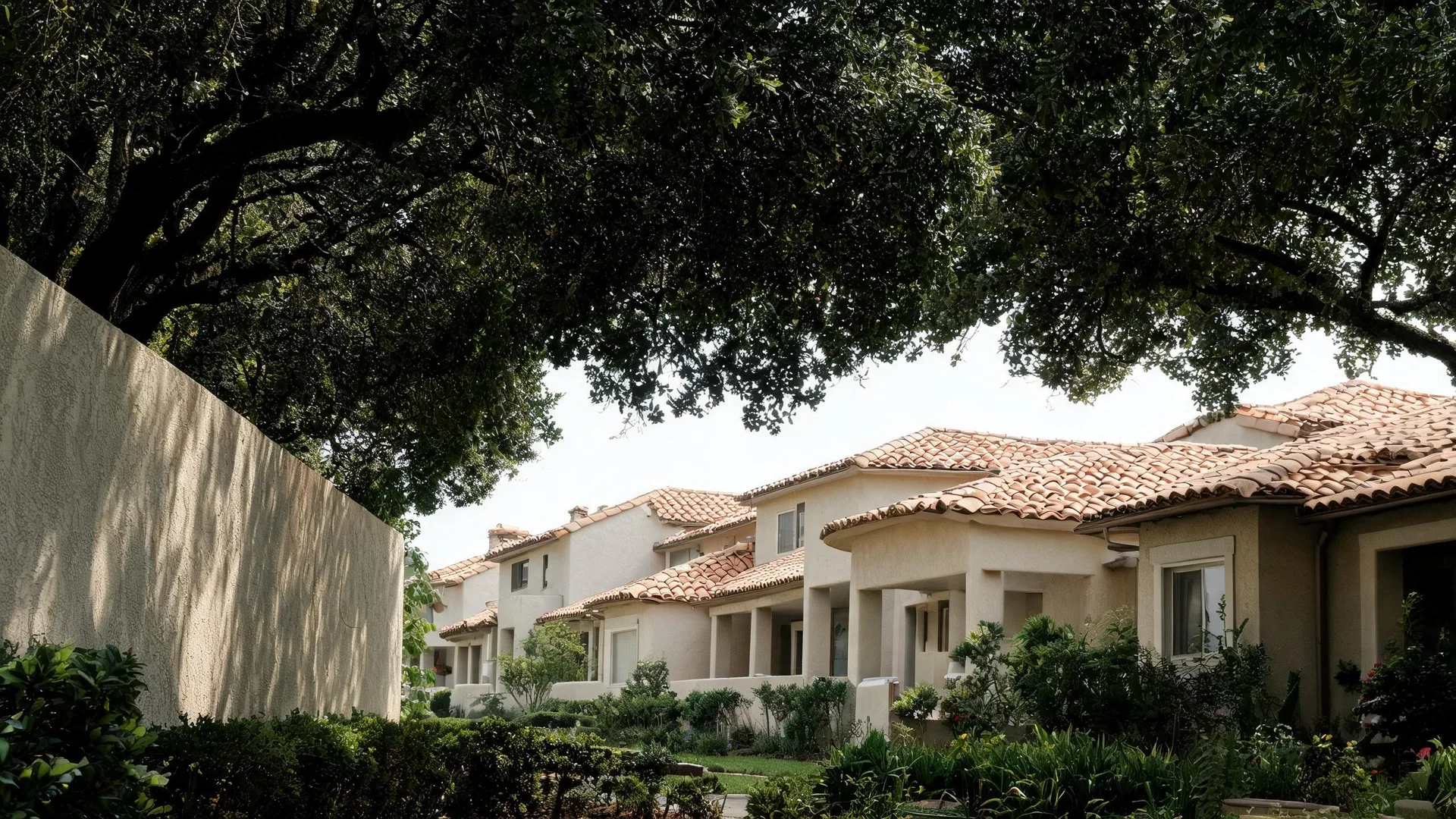






A row of cream stucco houses with red clay tile roofs behind landscaped shrubs, with a tall stucco wall at left and a large oak tree canopy overhead.

AC Installation in Fresno, CA

Tell us about the job

Takes about a minute. No obligation.

New system or replacementCentral ACFresno County, CA
Step 1 of 2

What ZIP code is the job in?

Fresno County logged 378 severe weather events between 2015 and 2024. Wind did most of that damage, 179 events, with winter storms close behind at 189. A new outdoor unit sits outside through all of it, so where it goes and what shelters it matters. The same storms knock out power, and statewide 17% of California households went at least a full day without it in 2024. A day without power in a Fresno summer means a day without cooling, and your furnace needs that same power to run its blower, gas or not.

4 months
June through September, your air conditioner is on duty
86°F
the average summer afternoon it cools against
2 hail events
in ten years, and hail bends the fins on outdoor coils
13.4 SEER2
the federal minimum any new unit must meet
Isometric cutaway illustration of a house interior showing ducted HVAC piping, an indoor air handler unit, and an outdoor condenser with fan connected by a line, rendered in grey tones on a white background.
Your air conditioner works hardest from July through August.

NOAA nClimDiv, 1991–2020 normals

Electricity in Fresno County runs 38.45 cents per kilowatt-hour, among the highest rates in the country.

An inefficient system burns through that expensive power every hour it runs, not just across a long summer.

Most of Fresno County heats with gas, and an AC install usually keeps it that way

53.7% of homes heat with gas
Climate zone 3B
Power here costs 38.45 cents per kilowatt-hour
Get it done before JuneCooling runs June through September here, so May is the time to put in a new system.

Fresno County falls under zone 3B, the warm dry zone in the 2021 energy code, and that sets a floor on what can go into your house. Any split system under 45,000 Btu/h made from 2023 on has to hit at least 13.4 SEER2, the federal minimum everywhere. Install it here in the Southwest and the bar goes up to 14.3 SEER2, with a separate EER2 requirement of 11.7 or 9.8 depending on where the unit falls against 15.2 SEER2. That second number matters in a climate like this one. SEER2 reflects performance over a full summer, but EER2 reflects how the system holds up on the hottest afternoons, which is when Fresno asks the most of it.

Plan for what this county throws at it

Decide where the outdoor unit goes and what shelters it from wind and debris while the system is going in, not after. The same storms that bring that wind are the ones that knock out power, so ask about keeping heat and hot water running when it does.

Find a contractor
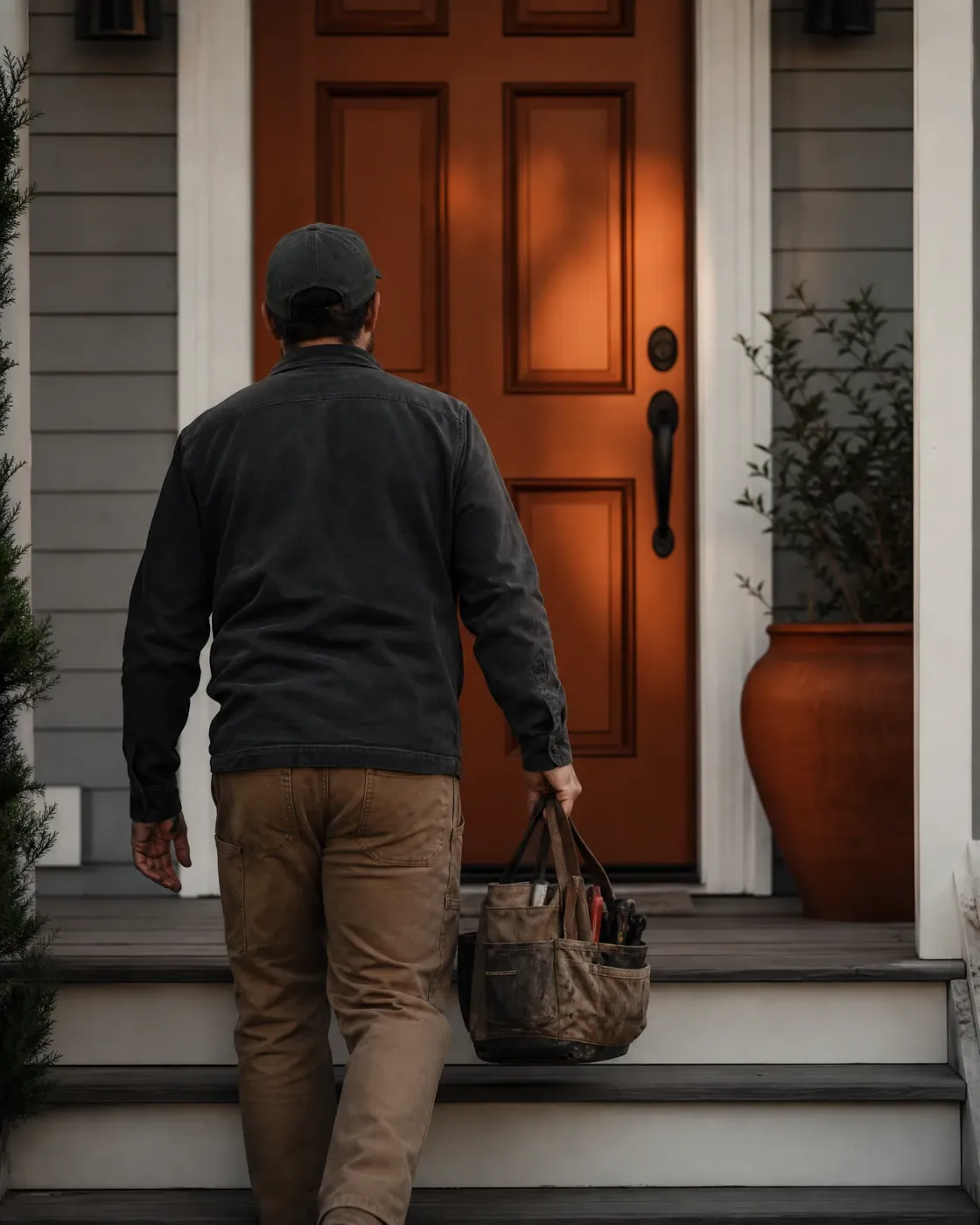
A man in a dark cap and jacket and tan work pants, seen from behind, climbs porch steps toward an orange-brown front door while carrying a worn canvas tool bag.
An outdoor air conditioning condenser unit mounted on a concrete pad beside a house, with electrical conduit running to a wall-mounted disconnect box.

What a rating doesn't tell you

Ask what happens to the system the day the power goes out and the day it comes back. A compressor that short cycles on restart, switching off and on in quick bursts after an outage, wears down faster than one that waits a few minutes before it starts pulling a full load again. Some systems have that delay built into the control board. Others don't, and the fix is a separate hard start or time delay device added at install. Ask too about the outdoor unit's cabinet and coil. A coil left exposed to wind-blown grit and debris loses airflow over time, and a bent fin is a harder repair than a dent in the cabinet around it. None of this shows up on a spec sheet that only lists efficiency ratings, so it has to be asked outright, before the unit is set and wired in.

The old unit doesn't just get unplugged

A refrigerant line runs from the outdoor unit to the indoor coil, and that line holds refrigerant under pressure. Before the old unit comes off its pad, that charge has to be recovered into a tank, not vented. The line set itself may or may not get reused, depending on its size and condition against what the new system calls for.

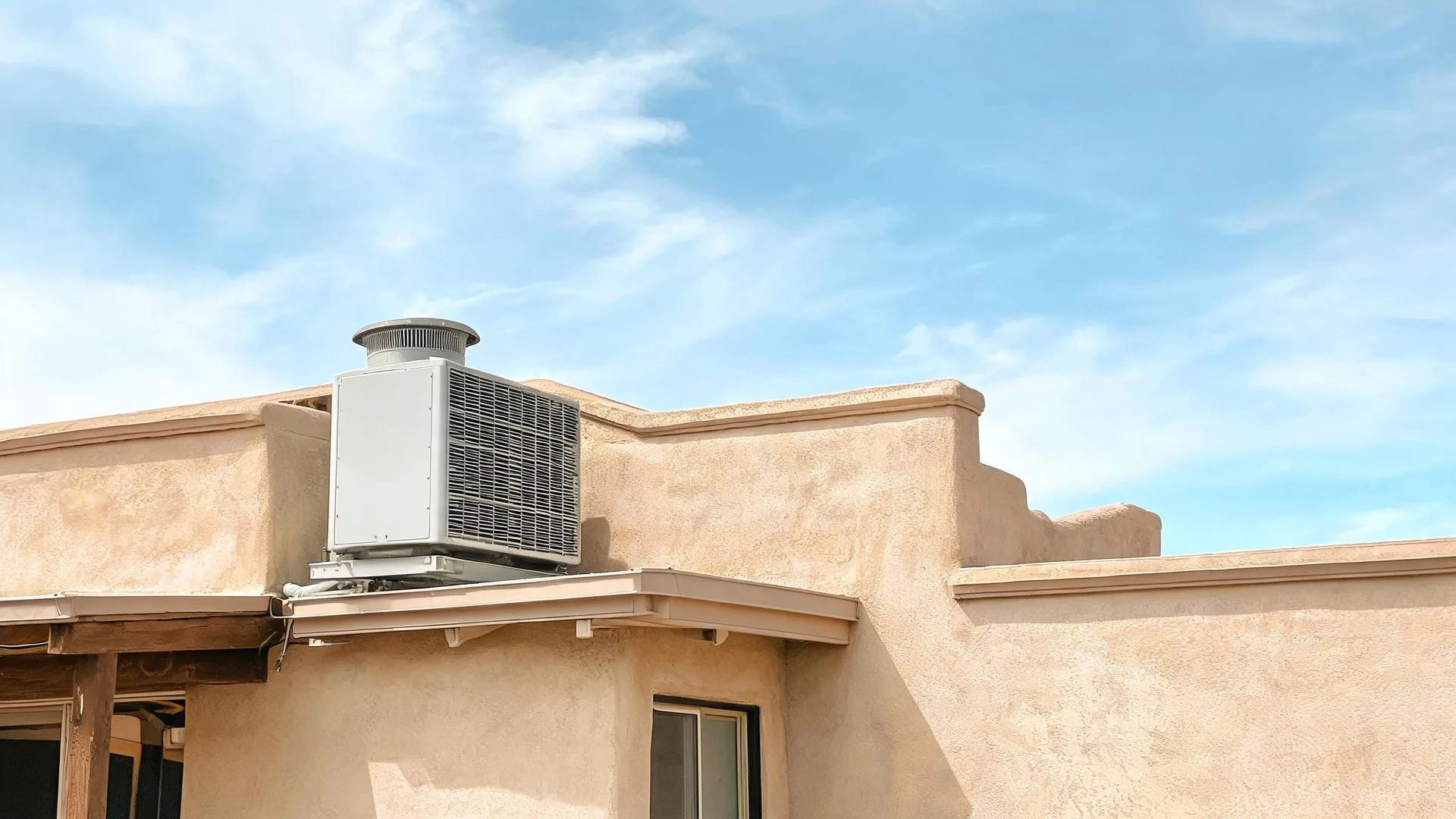
What's buried in the slab can outlast the unit

The electrical whip, the disconnect box, and the condensate drain line were all sized and placed for the old system. A new unit can need a different breaker size or a disconnect in a different spot, and the drain line has to pitch correctly or condensation backs up instead of draining clear. Reusing what's there only works if it still matches what the new equipment needs.

An outdoor air conditioning condenser unit on a concrete pad next to the gray vinyl siding of a residential home.

Going above the federal minimum saves little here, about $20 a year.

  • A higher-efficiency unit$280 a year
  • A new unit at the federal minimum, 14.3 SEER2$300 a year

Estimates for a typical Fresno County home, from EIA household energy data, California fuel prices and NOAA climate normals. Your home will differ.

Ask for the EER2 and SEER2 rating of each unit under consideration, not just the price. A system at the minimum and one rated higher both cool your house, but the higher-rated one pulls less power doing it, every hour it runs. With power priced the way it is here, that difference shows up on every bill the summer brings. Ask too about the size of the unit against your house. An oversized system cycles on and off more than it should, and an undersized one runs constantly trying to keep up. Either way costs more than a system sized right for the space.