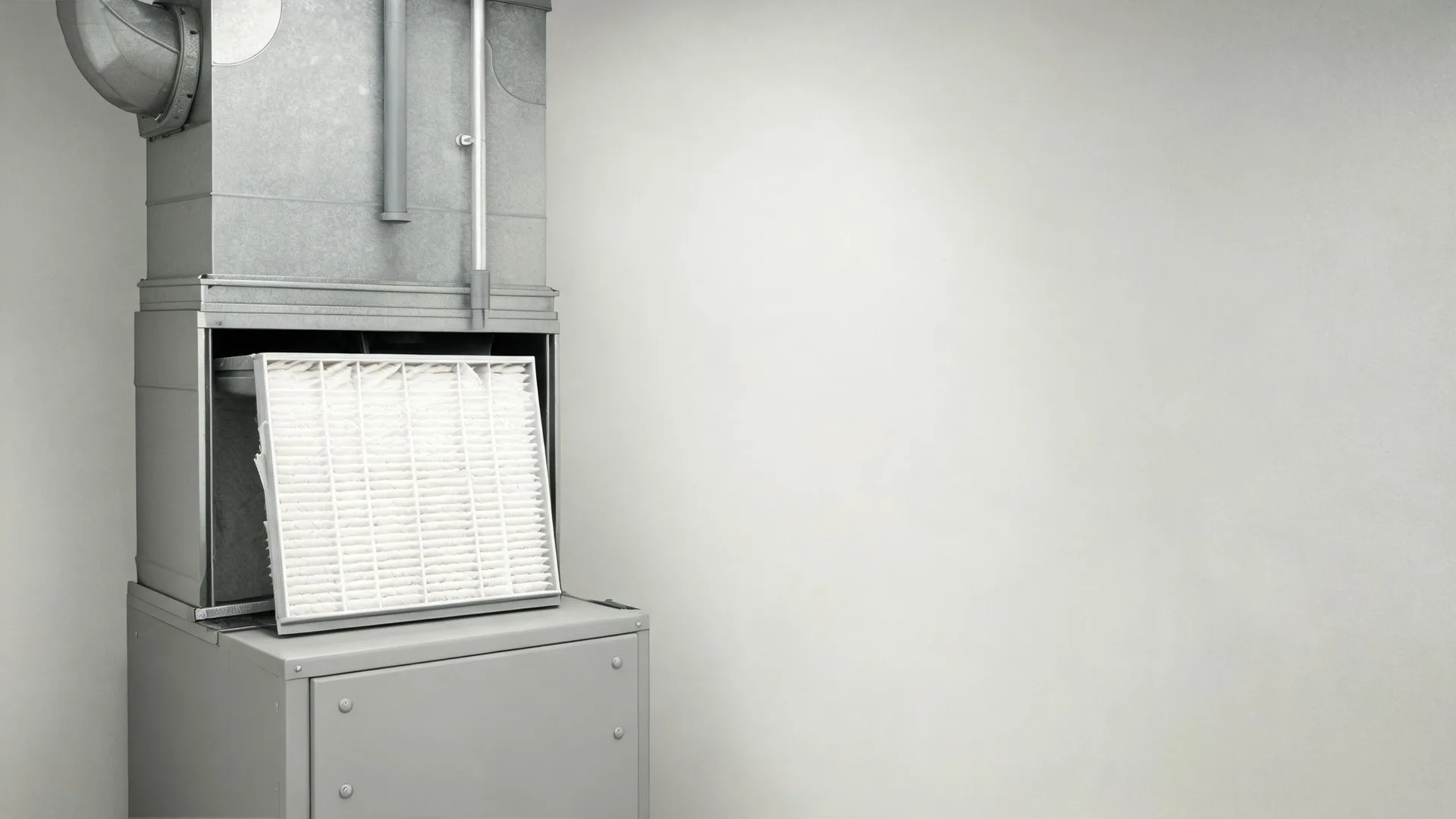
Most homes here run on gas heat
Utility gas heats 55% of homes in San Francisco County, more than any other fuel. Electricity is second at 35.7%. If your furnace runs on gas, a new AC system pairs with it rather than replacing it.
Takes about a minute. No obligation.
Utility gas heats 55% of homes in San Francisco County, more than any other fuel. Electricity is second at 35.7%. If your furnace runs on gas, a new AC system pairs with it rather than replacing it.
Adding central air to a gas-heated home means fitting a cooling system alongside the furnace you already have, not swapping out the heat source. The gas furnace stays, and the new ductwork or line set has to work around what's already in place.

NOAA nClimDiv, 1991–2020 normals
June, July and August average a 70 degree afternoon high in this county.
An AC system here rarely runs flat out, so a well-built standard system holds up fine without reaching for the highest efficiency tier.




San Francisco County falls under zone 3C, the marine zone in the 2021 energy code. The federal minimum for a new split system under 45,000 Btu/h is 13.4 SEER2, and that's the floor here, not the stricter rule the Southwest has to meet with its added EER2 requirement. A unit built to the regular federal minimum is legal to install in this county. Given how mild the cooling load is here, that's the tier most homes need. A federal tax credit is available for equipment that goes above the minimum, worth checking before deciding which tier to buy.
A standard system fits what this county asks of it. Get one sized right for your home and move forward with installation.
Find a contractor
Have the contractor size the system off your actual house, not a rule of thumb. In a home this old, that means someone measures the rooms, checks the windows, and looks at what insulation you have before settling on a tonnage. An older line set or duct run may also need work to carry a new system properly, so ask what the installer checked before they quote a number.
A new system needs matched parts. The outdoor condenser and the indoor coil are rated to work together, so an old condenser paired with a new coil runs poorly even if it still turns on. Expect the old unit to come out, not stay as a backup.
Old refrigerant lines were sized and charged for the old equipment. A new system often calls for a different line size or a fresh charge, so the installer typically pulls the old line set rather than reusing it. If the old lines run through finished walls or ceilings, that's worth asking about before work starts.
Estimates for a typical San Francisco County home, from EIA household energy data, California fuel prices and NOAA climate normals. Your home will differ.
Installation day starts with the old equipment coming out, not the new going in. The condenser gets disconnected and hauled off, the old line set gets pulled, and if there's a coil sitting in the furnace plenum, that comes out too. Once the space is clear, the new line set goes in and gets brazed, then pressure tested before any refrigerant goes near it. That test matters because a leak found now is simple to fix, while one found after the system is running and sealed up is a harder job to trace. The new coil goes into the plenum, the condenser gets set on its pad outside, and the electrical and control wiring gets run last. Only after the lines hold pressure does the system get its charge and get switched on.