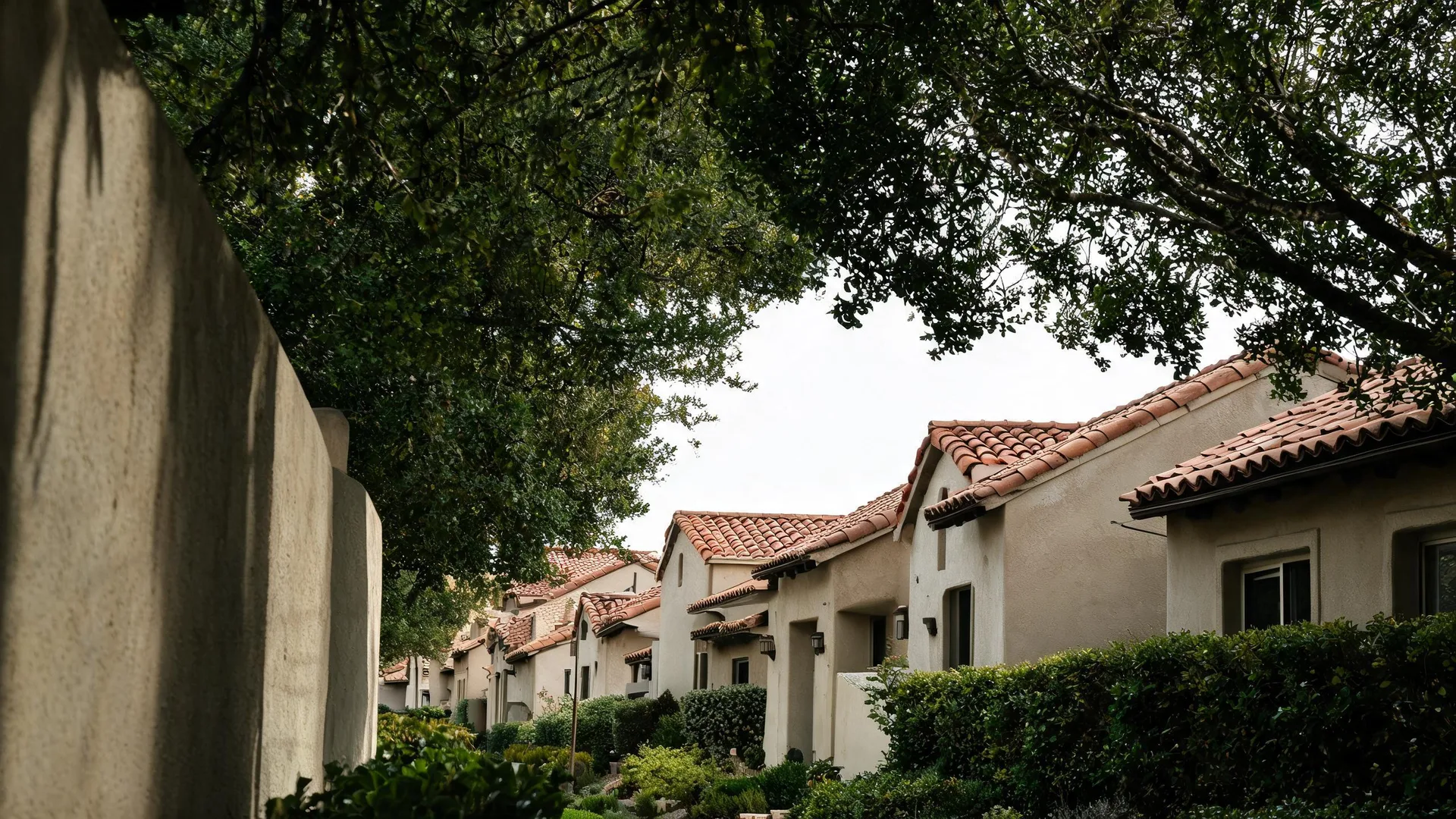





A row of stucco houses with red clay tile roofs seen behind hedges and overhanging tree branches, with a tall stucco wall in the left foreground.

AC Installation in Stockton, CA

Tell us about the job

Takes about a minute. No obligation.

New system or replacementCentral ACSan Joaquin County, CA
Step 1 of 2

What ZIP code is the job in?

Electricity in California ran 31.97 cents per kilowatt-hour in 2024, among the highest rates in the country. An AC that's sized wrong or aging out runs longer to hit the same temperature, and every one of those extra hours shows up on the bill. A unit matched to your house, installed so the charge is right and the airflow is right, is the one place you control what this costs you every summer from here on.

5 months
May through September, your air conditioner is on duty
91°F
the average summer afternoon it cools against
2 hail events
in ten years, and hail bends the fins on outdoor coils
13.4 SEER2
the federal minimum any new unit must meet
Isometric grayscale illustration of a cutaway house with the roof lifted, showing interior rooms, ductwork, an indoor air handler, and an outdoor condenser unit beside the building.
Your air conditioner works hardest from June through September.

NOAA nClimDiv, 1991–2020 normals

Gas heats 61.6% of homes in San Joaquin County.

Most AC installs here pair with an existing gas furnace, not a full electric swap.

April is the month to get it done, before May turns the heat on

Cooling runs May through September
Summer afternoons average 91°F
Power costs 31.97 cents a kWh statewide

San Joaquin County falls under the Southwest regional standard, not just the national minimum. A split-system AC installed here now has to hit 14.3 SEER2, stricter than what's required in most of the country. It also has to meet a separate EER2 requirement, a number that measures how the unit holds up on the hottest afternoons rather than its average over a mild season. That matters here more than in places with shorter, cooler summers. A federal tax credit is available on top of this for equipment that qualifies, worth checking against whatever system you're considering.

Five months of 91-degree afternoons is the job this system has to do

Cooling runs five months here, May through September, with afternoons averaging 91 degrees across June, July and August. A new system is going to spend most of its summer working near the top of its range, not cycling on and off in mild weather. That's a heavier load than the same unit would see in a cooler county, and it's worth sizing the system for that load.

Find a contractor
A man in a gray T-shirt and tan work pants, carrying a canvas tool bag, climbs porch steps toward an orange front door beside a potted shrub.
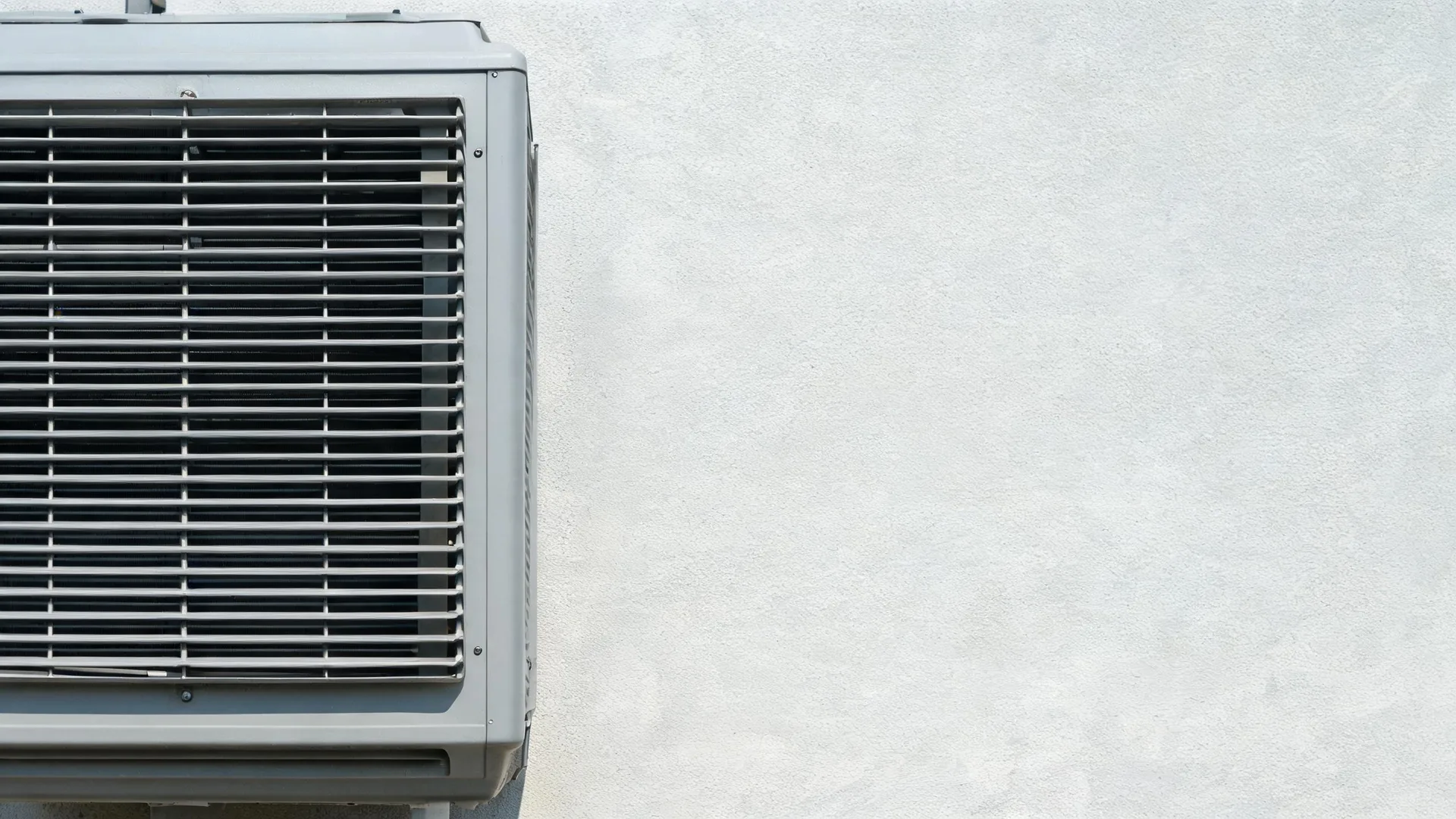
An outdoor residential air conditioning condenser unit mounted on a concrete pad, surrounded by gravel with a blue sky in the background.

Five months a year is a long time to run on a bad guess

Five months of hard running is where a wrong-sized system shows the difference. Too big, and it cools the air fast without running long enough to pull the humidity down, so the house feels clammy even at the right temperature. Too small, and it runs flat out all afternoon trying to catch up, which is the heavier wear on the compressor. Either way you feel it by July. A contractor who sizes this off your house, not off the unit you had before, is the one decision here that affects every summer after this one.

The math behind the number

A contractor works out the right size with a room by room load calculation, checking square footage, window area and direction, ceiling height and insulation. Houses the same size can need different tonnage depending on how much glass faces west or how much shade the roof gets in the afternoon. Going off square footage alone, or matching whatever unit was pulled out, skips the part of the job that actually determines the right fit.

What the ductwork has to carry

A correctly sized compressor still depends on ducts that can move the air it produces. Undersized or leaky ductwork chokes airflow no matter how well the outdoor unit matches the house, so a proper install checks the duct runs and the supply registers along with the equipment. A system sized right but choked by bad ducts ends up with the same uneven cooling and short cycling as one sized wrong from the start.

Overhead view of a gray outdoor AC condenser unit on a concrete pad beside a mulched garden bed and a house with vinyl siding.

A higher-efficiency unit would save about $30 a year to run in San Joaquin County compared with a new unit at the federal minimum.

  • A higher-efficiency unit$470 a year
  • A new unit at the federal minimum, 14.3 SEER2$500 a year

Estimates for a typical San Joaquin County home, from EIA household energy data, California fuel prices and NOAA climate normals. Your home will differ.

Install day starts with taking out the old equipment. The outdoor unit and the indoor coil both come out, and the refrigerant lines get checked. If those lines aren't sized right for the new system, they get replaced instead of reused. The new coil goes in above the furnace or air handler, the new outdoor unit gets set on its pad, and the electrical disconnect gets wired in. Once it's all connected, the system gets charged with refrigerant to the exact weight the manufacturer calls for, not just until the lines feel cold. Then the contractor runs the system, checks the airflow at the registers, and confirms the charge against the temperature split between supply and return air. A system that's closed up and running isn't the same as one that's been checked.