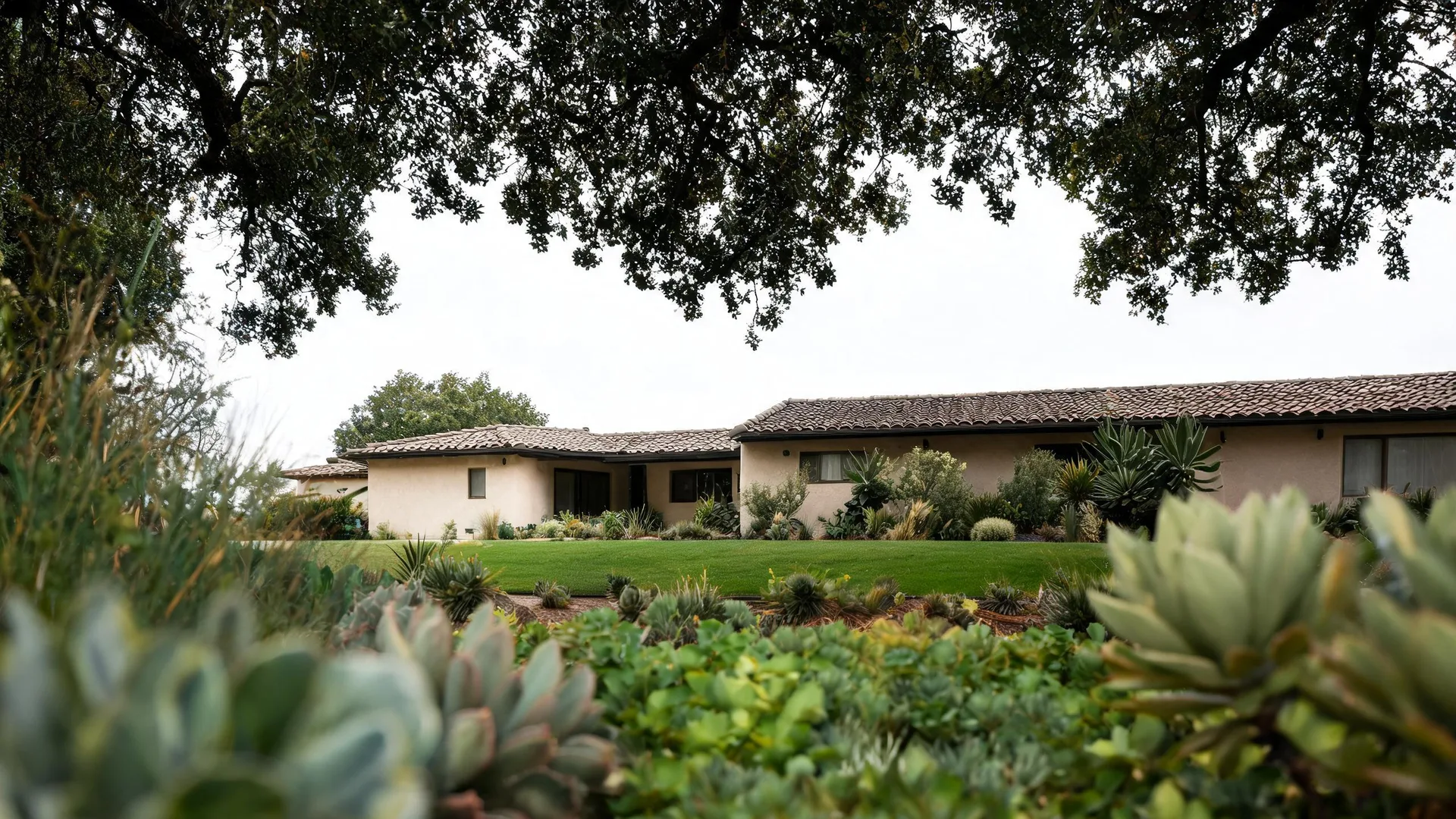





A single-story stucco house with a tiled roof behind a lawn and beds of succulents and agaves, framed by overhanging oak branches under an overcast sky.

AC Installation in Merced, CA

Tell us about the job

Takes about a minute. No obligation.

New system or replacementCentral ACMerced County, CA
Step 1 of 2

What ZIP code is the job in?

Electricity in California ran 31.97 cents per kilowatthour in 2024, well above what most of the country pays. An air conditioner here is going to run for months at a stretch once summer sets in, so that rate hits every single cycle. A unit sized right for your house and installed correctly earns that cost back by using less power to do the same job. One rated lower on efficiency will keep costing you more, year after year, for as long as it runs.

5 months
May through September, your air conditioner is on duty
92°F
the average summer afternoon it cools against
2 hail events
in ten years, and hail bends the fins on outdoor coils
13.4 SEER2
the federal minimum any new unit must meet
Isometric cutaway illustration of a single-story house showing interior ductwork and an air handler connected by lines to an outdoor condenser unit on a pad beside the building.
Your air conditioner works hardest from June through September.

NOAA nClimDiv, 1991–2020 normals

Gas heats 61.5% of homes in Merced County, more than any other fuel.

A house already set up with gas heat usually has the ducts an AC installation needs too.

Five months of 92 degree afternoons is what your new system is signing up for

Cooling runs May through September
Summer afternoons average 92°F
Power costs 31.97 cents a kWh statewide

At installation, ask what SEER2 rating the contractor is quoting and why. That number is what decides your power draw every time the system runs, not just on the hottest day but on every mild one too. A contractor who sizes the unit to your house, not just to the room it's going in, is the one who gets that rating to mean something. Get the rating in writing along with the sizing calculation behind it.

Your new system has to clear a higher bar here. Make sure the quote does too.

Any split system installed here has to hit 14.3 SEER2, higher than the 13.4 floor that applies in most of the country. Depending on how the unit is certified, it also has to clear a minimum EER2 rating. That rules out the lower end of what's sold elsewhere. There's a federal tax credit available on qualifying equipment, so ask what the unit you're quoted qualifies for before you sign anything.

Find a contractor
A gray residential air conditioning condenser unit mounted on a concrete pad outdoors, surrounded by green grass under a partly cloudy blue sky.

The warranty has to match how hard this thing runs

Five months of cooling here means five months of this unit starting and stopping, day after day, with no mild stretch to rest in. That is more cycles on the compressor than a system in a milder climate ever sees. Ask what warranty the manufacturer backs the equipment with, and what the installer backs their labor with. A unit sized and installed right for your house should hold up to that kind of use. One that is undersized or poorly matched to your ductwork will show strain long before the warranty runs out.

The refrigerant comes out before anything else moves

Recovering the refrigerant in the old system is the law, not a courtesy, so that happens before any line gets cut. After that the old condenser comes out, the indoor coil too if it's being swapped, along with the old refrigerant lines. A contractor doing this right isn't just dropping a new unit next to the old one and leaving the rest in place.

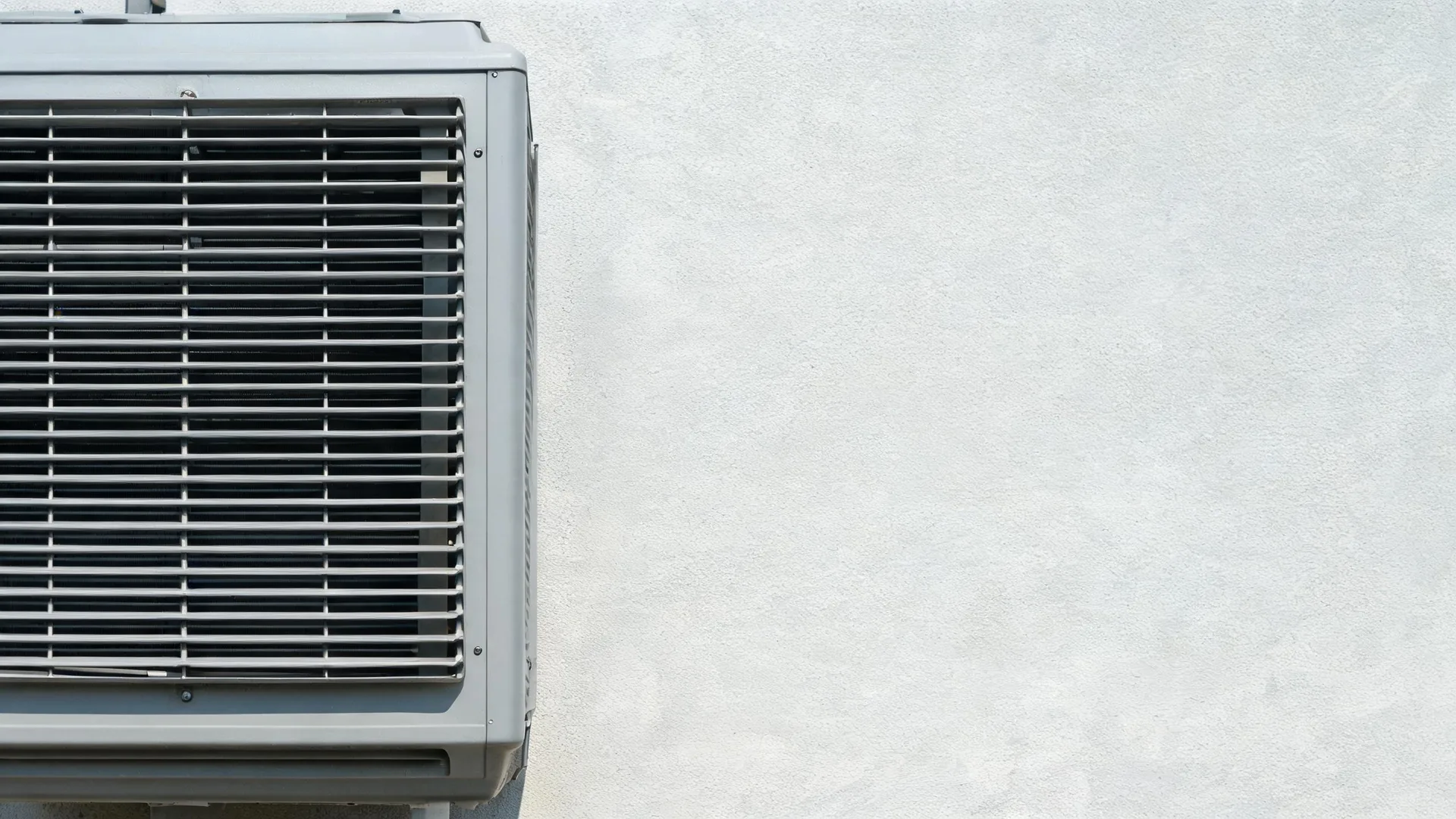
The pad, the disconnect and the line set often stay

If the old pad, the electrical disconnect and the line set running to the indoor coil are in good shape, a contractor may reuse them instead of replacing them outright. Checking those before quoting the job means looking at more than which box to sell. A line set that's the wrong diameter for the new unit, or a flush skipped when refrigerant types don't match, is how a new system starts out already compromised.

An outdoor central air conditioning unit mounted on a concrete pad beside a blue-sided house at sunset.

A higher-efficiency unit would save about $40 a year to run in Merced County compared with a new unit at the federal minimum.

  • A higher-efficiency unit$530 a year
  • A new unit at the federal minimum, 14.3 SEER2$570 a year

Estimates for a typical Merced County home, from EIA household energy data, California fuel prices and NOAA climate normals. Your home will differ.

Once the old equipment is out, the installer runs new line set or pressure tests the existing one before anything gets charged with refrigerant. The electrical gets checked next. The disconnect, the breaker and the wiring to the condenser all have to match what the new unit draws. Low voltage wiring to the thermostat gets tested too, since a lot of new systems want a different wire count than what's already run. Once the indoor coil, the condenser and the line set are all in place, the system gets evacuated to pull moisture and air out of the lines, then charged to the weight the manufacturer specifies for that line length. After that comes startup. The installer checks airflow across the coil, checks the temperature split between the air going in and the air coming out, and confirms the compressor is pulling the current it should. A system that gets fired up without that last check can run for a while before a problem shows itself, and by then it's harder to trace back to installation day.