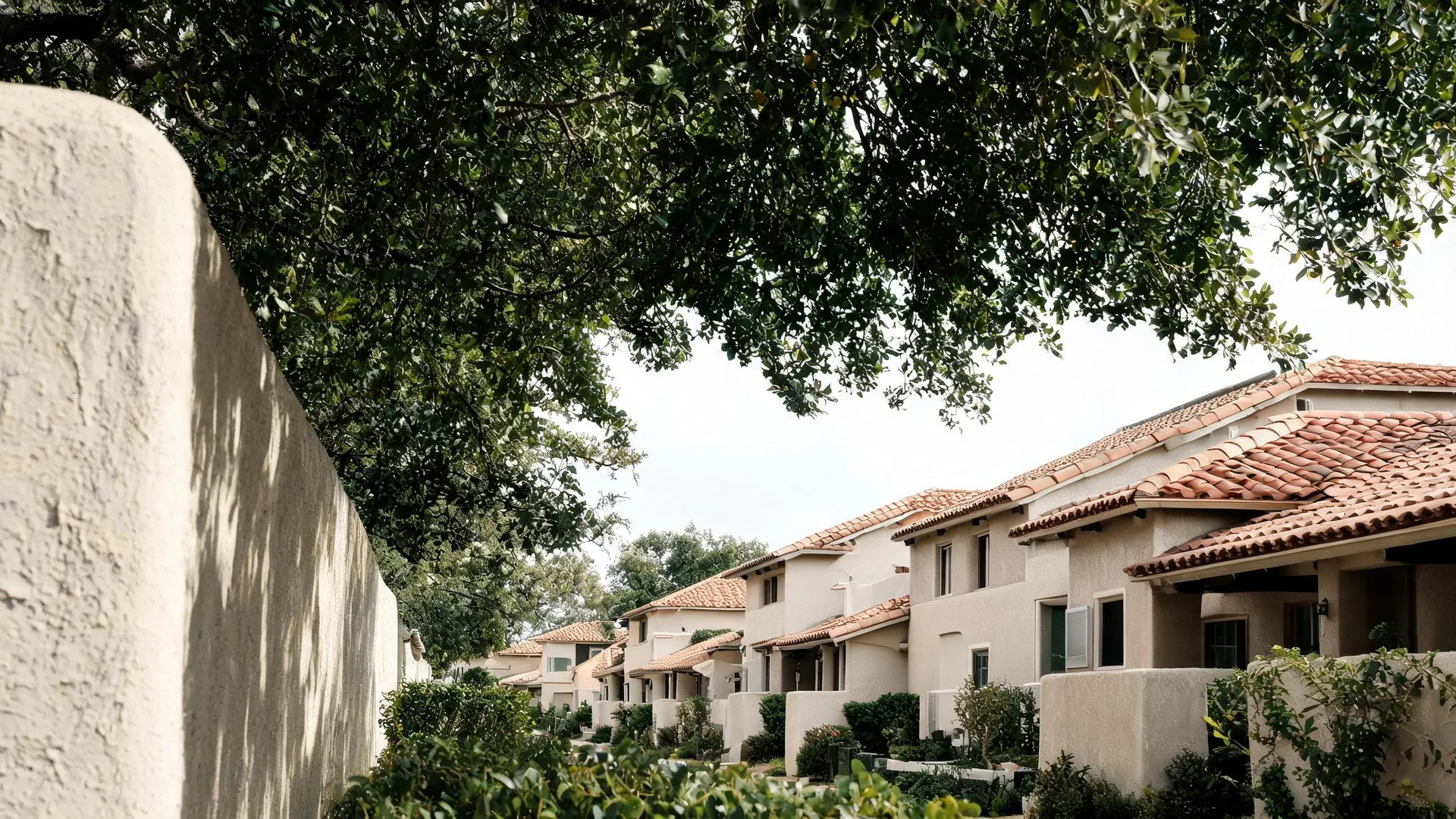




A row of stucco houses with red clay tile roofs recedes into the distance beside a tall white plaster wall, with overhanging tree branches and shrubs in the foreground under an overcast sky.

AC Installation in San Diego, CA

Tell us about the job

Takes about a minute. No obligation.

New system or replacementCentral ACSan Diego County, CA
Step 1 of 2

What ZIP code is the job in?

California homes paid 31.97 cents per kilowatthour for electricity in 2024, among the highest rates in the country. Every degree of cooling you run gets billed at that rate, so the efficiency of the system you choose matters more here than somewhere with cheap power. A unit with a higher SEER2 rating uses less electricity to move the same amount of heat out of your house. That difference shows up on the bill every month the AC runs, not just once a year. When you compare systems for installation, the rating on the label is worth as much attention as the price tag.

4 months
June through September, your air conditioner is on duty
89°F
the average summer afternoon it cools against
11 hail events
in ten years, and hail bends the fins on outdoor coils
13.4 SEER2
the federal minimum any new unit must meet
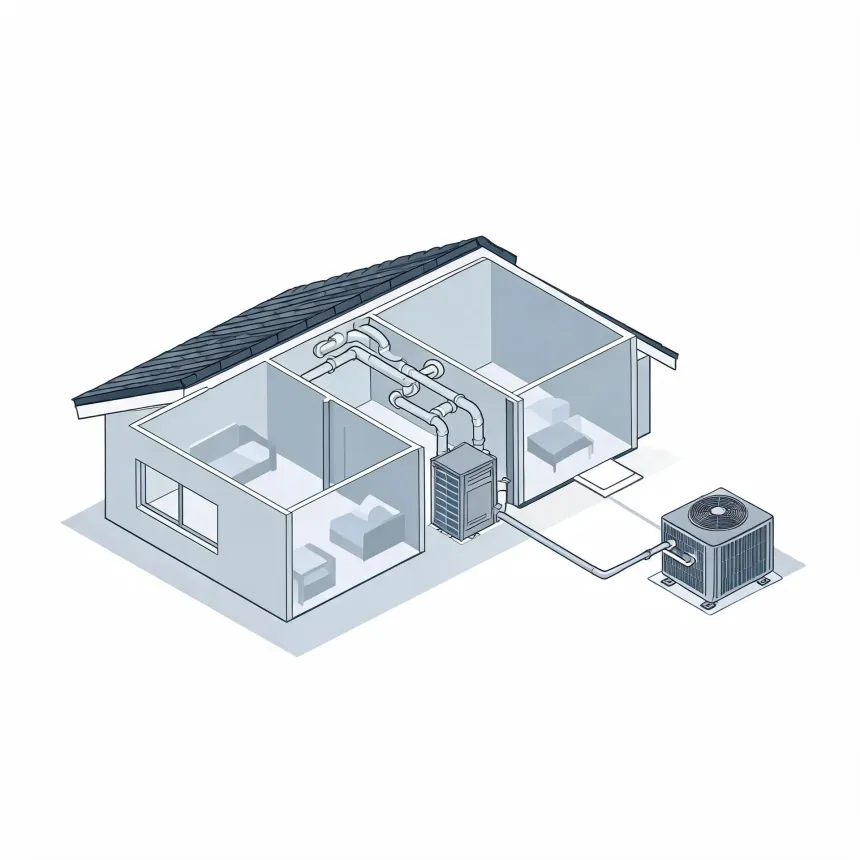
Isometric line illustration of a cutaway single-story house showing interior rooms, ductwork, an indoor air handler or furnace, and a refrigerant line running to an outdoor condenser unit on a pad.
Your air conditioner works hardest from July through September.

NOAA nClimDiv, 1991–2020 normals

AC here runs from June through September.

Get the new system installed in May and it's already running before the first hot day, not during it.

Storms hit this county often, and the power doesn't always hold through them

442 severe weather events from 2015 to 2024
17% of homes statewide lost power a day or more in 2024
370 damaging wind events from 2015 to 2024

Gas heats more homes in San Diego County than anything else, at 53.7%. Electricity is a distant second at 35%. That matters for AC installation because a gas-heated home almost always pairs its furnace with a separate cooling system, usually an air conditioner matched to the existing ductwork. If your home already has a gas furnace, the AC install is about matching a new outdoor unit and coil to what's already moving air through the house, not rebuilding the system from scratch. Homes on electric heat often run a heat pump instead, which handles both jobs at once. Knowing which setup you have tells you which quote you're actually comparing.

Four months of 89 degree afternoons is hard on a system sized wrong

June through September, the afternoon high here averages 89°F. That's four straight months of the compressor running most of the day to keep up. A system sized or installed wrong won't just run longer, it'll run harder, and the parts inside it will show that strain sooner than they would somewhere milder. Get the sizing right the first time.

Find a contractor
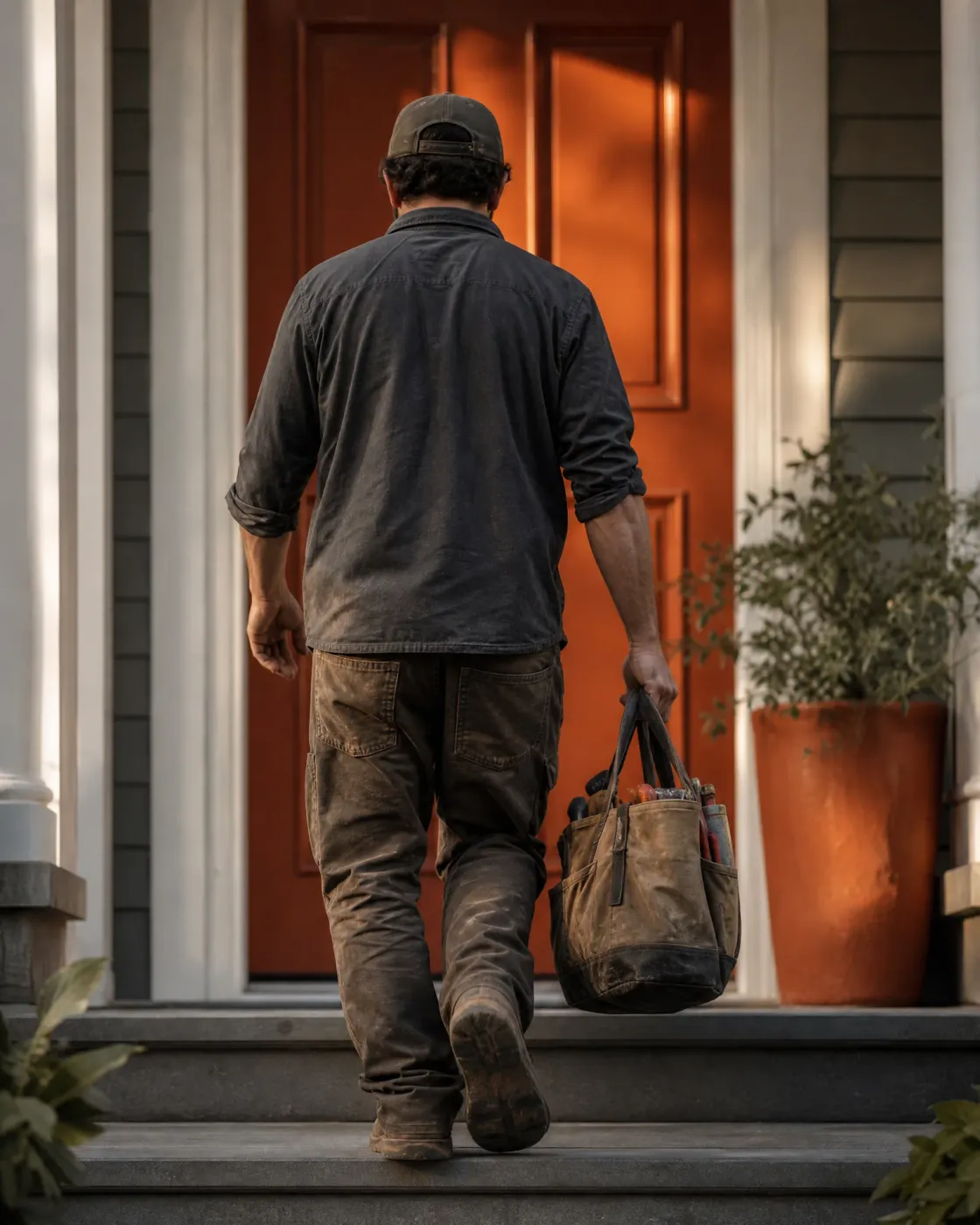
A man in a cap, dark shirt and worn brown work pants walks up concrete steps toward an orange front door, carrying a canvas tool bag in his right hand, with a potted shrub beside the entry.
An outdoor residential air conditioning condenser unit mounted on a concrete pad, surrounded by gravel with a blue sky in the background.

Right-sized once, not fixed later

A contractor sizing your system has to work from a load calculation, not a guess based on square footage or what the last unit was. That calculation accounts for the four months of 89 degree afternoons this county sees every summer. Skip it, or size off a rule of thumb, and you get a compressor that's either too small to keep up on the hot afternoons or too large and short-cycling the rest of the time. Ask what method they used before you sign.

The old unit gets hauled away

A licensed contractor disconnects the old outdoor unit and indoor coil, recovers the refrigerant left in the lines, and removes the equipment from the property. Refrigerant can't legally be vented into the air, so it gets captured and taken off site along with the unit itself.

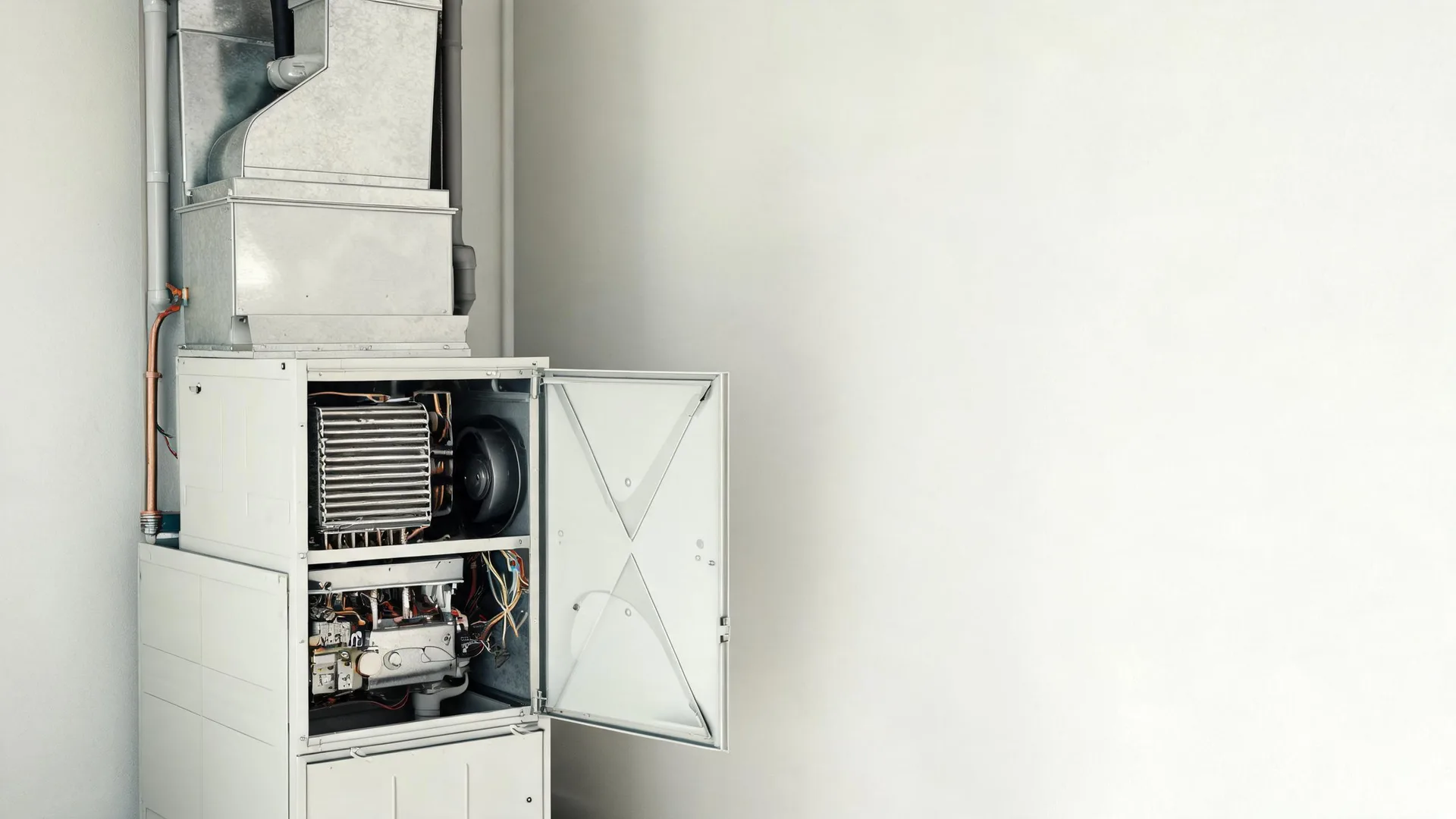
The line set and pad usually stay

The copper lines running between indoor and outdoor units often get reused if they're in good shape, and the concrete pad the old unit sat on usually stays put for the new one. A contractor checks the lines for damage or the wrong size before deciding whether to reuse or replace them, since that affects how the new system performs.

An outdoor air conditioning condenser unit installed beside the exterior wall of a blue vinyl-sided house at sunset.

A higher-efficiency unit would save about $30 a year to run in San Diego County compared with a new unit at the federal minimum.

  • A higher-efficiency unit$480 a year
  • A new unit at the federal minimum, 14.3 SEER2$510 a year

Estimates for a typical San Diego County home, from EIA household energy data, California fuel prices and NOAA climate normals. Your home will differ.

The outdoor unit and the indoor coil go in first, then the line set connecting them gets pressure tested before any refrigerant moves through it. A contractor pulls a vacuum on the lines to draw out moisture and air, since either one left behind damages the compressor over time. Once the system is charged, the refrigerant level gets checked against the manufacturer's spec, not by feel. Then it runs through a full cycle to confirm it's cooling and the airflow at the vents matches what the ductwork is supposed to deliver. The thermostat gets set up and tested last, after the equipment is already proven to work.