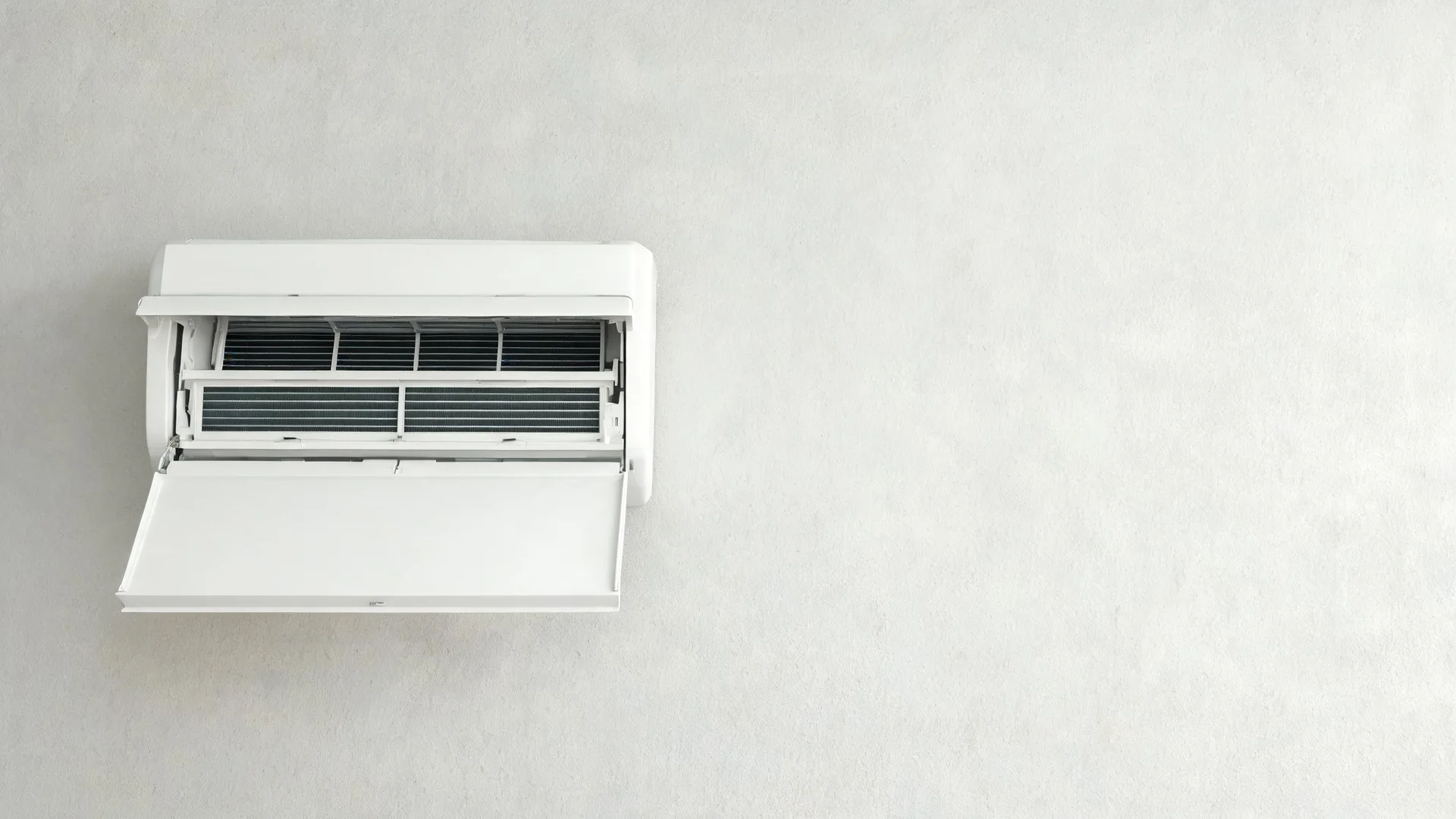
Electricity here runs 31.97 cents per kilowatt-hour
California power costs more than it does in most of the country. Whatever your new AC uses to cool this house, that rate is what you pay for it, all summer long.
Takes about a minute. No obligation.
California power costs more than it does in most of the country. Whatever your new AC uses to cool this house, that rate is what you pay for it, all summer long.
At this price per kilowatt-hour, the gap between a low-efficiency system and a high-efficiency one shows up clearly on the bill. Ask what SEER2 rating you're being quoted, and compare that number across bids.
NOAA nClimDiv, 1991–2020 normals
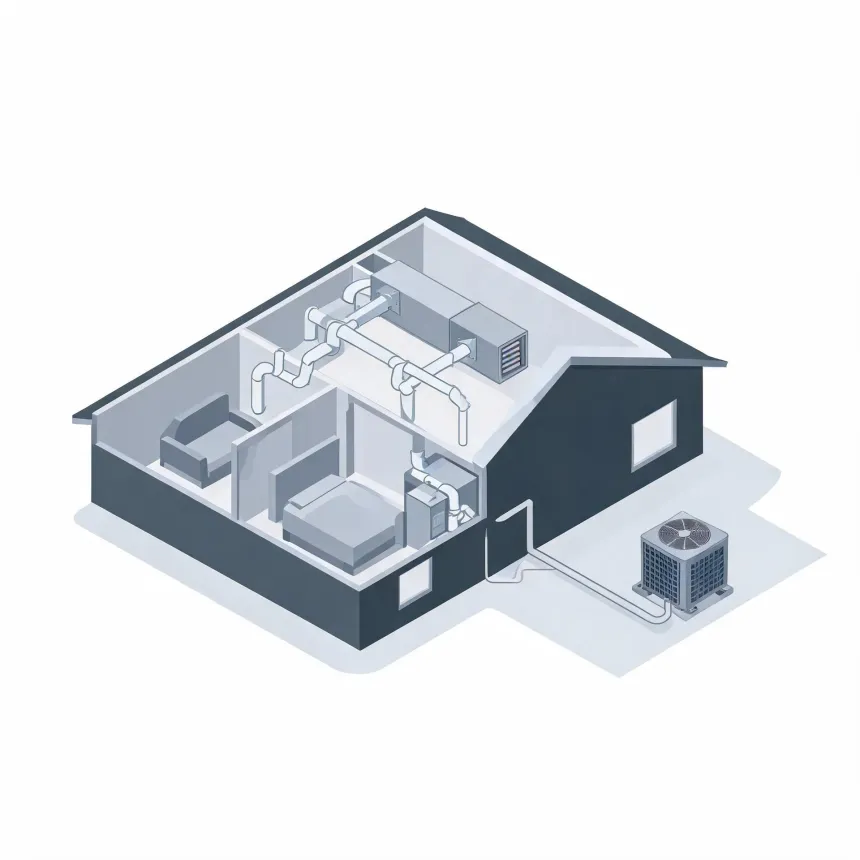
Utility gas heats 70.8% of homes in San Bernardino County.
If gas already runs the furnace here, a matching gas furnace is usually the simplest swap when the AC gets replaced too.




San Bernardino runs its AC six months a year, May through October, and summer afternoons average 99°F through June, July and August. That is the stretch a new system has to handle, day after day, not just a handful of hot afternoons. A unit sized too small will run constantly trying to keep up, and one sized too large will cycle on and off without pulling the humidity down. Either way it wears faster than the same mistake would in a milder climate. Get the load calculated for this house rather than going by the size of the unit it's replacing.
Any split system going in now has to meet 14.3 SEER2 at minimum, with an EER2 requirement on top of that, because San Bernardino falls under the Southwest regional standard. That floor is higher than what the rest of the country requires. A federal tax credit is available for units that go beyond it, so it's worth asking a contractor which models on their bid qualify.
Find a contractor
Six months of running, May through October, with afternoons averaging 99 degrees through the worst of it. That is the stretch a new system sits in every year, not a few hot days here and there. A load calculation looks at this house, not the unit it's replacing, and it's worth asking the contractor to walk through the numbers instead of just handing over a size.
SEER2 is a seasonal average, not the efficiency of any single moment. It compares how much cooling the system puts out over a whole season against the electricity it draws to do it. A higher number means the compressor and fan are doing more work per watt across mild days and brutal ones alike, not just when it's running flat out.
A SEER2 number gets tested in a lab with the refrigerant charge and airflow set exactly where they should be. A system installed with a short charge or ducts that restrict airflow will run below its rated efficiency no matter what the label says. The rating is the ceiling, and the installation decides how close the system gets to it.
Estimates for a typical San Bernardino County home, from EIA household energy data, California fuel prices and NOAA climate normals. Your home will differ.
Installation day starts with the old equipment coming out, not the new one going in. The outdoor unit gets disconnected and removed, the indoor coil gets pulled, and the line set usually gets replaced rather than reused, since old refrigerant lines can carry contamination into a new system. Once the new coil and outdoor unit are set, the lines get connected, pressure tested, and pulled into a vacuum to clear out moisture and air before any refrigerant goes in. That vacuum step matters more than people expect, because trapped moisture turns into acid inside the system over time. After the charge is weighed in, a good contractor checks airflow across the coil and verifies the charge against the manufacturer's numbers rather than just eyeballing the pressures. The thermostat gets wired last, and the system runs through a full cycle before anyone calls the job done.