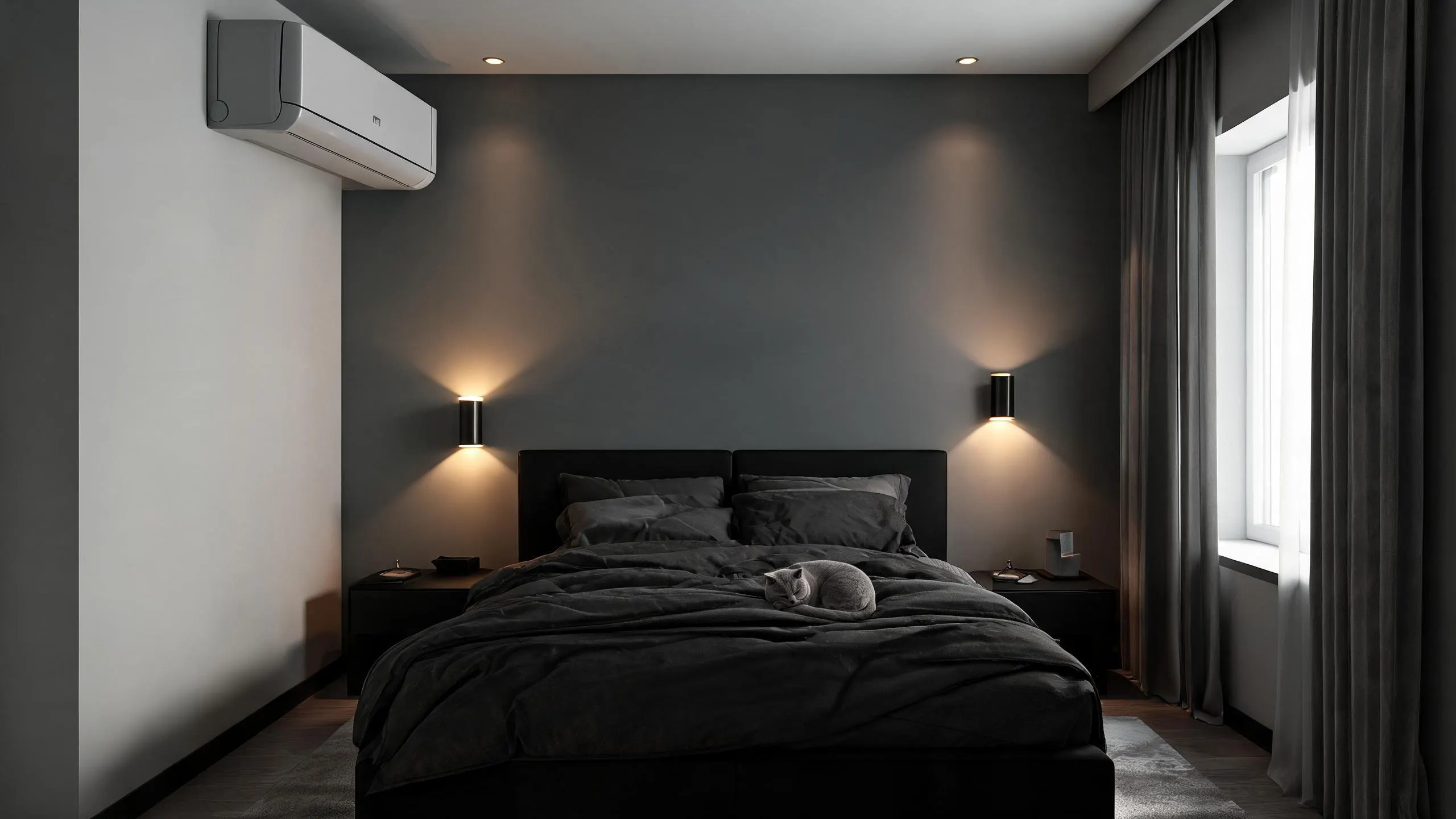




A minimalist bedroom with dark grey walls, a large bed with charcoal bedding, a sleeping cat, two warm-toned wall sconces, and a wall-mounted air conditioning unit.

Mini Split Installation in San Diego, CA

Tell us about the job

Takes about a minute. No obligation.

New system or replacementMini-splitSan Diego County, CA
Step 1 of 2

What ZIP code is the job in?

Electricity in California ran 31.97 cents per kilowatthour in 2024, among the highest rates in the country. A mini split runs on electricity, nothing else, so that rate hits every hour the system works to heat or cool your home. The efficiency rating matters more here than it would somewhere with cheap power, because a unit that uses less to do the same job saves you more on every bill that comes through the door. Two systems can look alike on a spec sheet and cost very different amounts to run once they're on your wall. Ask what the efficiency rating is on anything you're considering, and compare that number as closely as the price tag.

6 months
November through April, your system heats
4 months
June through September, it cools
41°F
the average winter night it heats against
89°F
the average summer afternoon it cools against
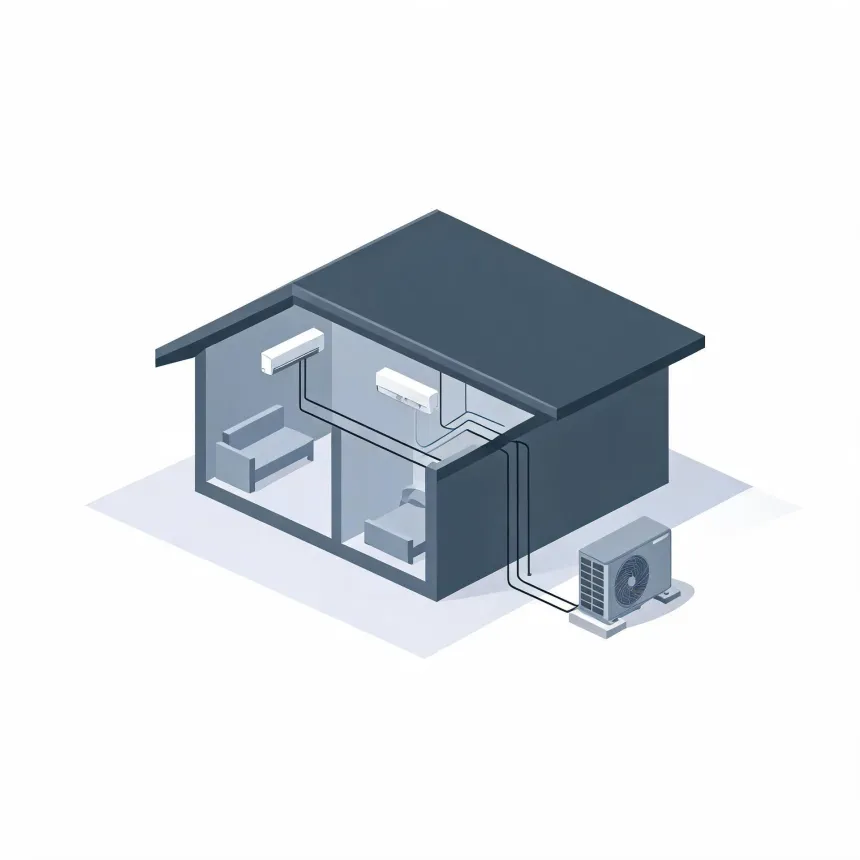
Isometric illustration of a cutaway house showing two wall-mounted mini-split indoor units connected by line sets to an outdoor condenser on a pad outside.
Your system heats November through April and cools June through September.

NOAA nClimDiv, 1991–2020 normals

Cooling runs June through September here.

Install before May and the system is ready for it, not playing catch up in June.

The efficiency number on the spec sheet is what sets your bill here

Power costs 31.97 cents a kWh statewide
Cooling runs June through September
Summer afternoons average 89°F

Gas heats more San Diego County homes than anything else, 53.7 percent. Electricity is next at 35 percent, and a mini split falls into that second group since it runs on electricity alone. If your home is one of the gas-heated majority, a mini split means adding a system that works on a different fuel than what you already have for heat, not swapping one for the same kind. That's worth knowing going in, because it changes what the installation involves compared to replacing a furnace with another furnace.

Four months of 89 degree afternoons. Size it for that.

Afternoon highs average 89 degrees here across June, July and August, and the mini split carries that load for four months straight, June through September. Wind hits the county often enough to matter, and storms have come through too. A unit sized right for this place handles all of that without strain. One sized wrong is the one that struggles first.

Find a contractor
A white outdoor air conditioner condenser unit mounted on metal wall brackets against gray horizontal siding, with a blue sky and white clouds behind it.

Right the first time, because it runs this way every year

Four summers in, then four more. The load doesn't change and neither should the unit you put in. Ask for the manual J calculation before you sign anything, not a guess based on square footage. A mini split sized off the wall area alone can land wrong in either direction, and the one that's undersized is the one you'll be calling about first, probably in July.

The number of zones sets the scope

A mini split system can run one indoor head off one outdoor unit, or several heads off a single outdoor unit covering different rooms. Each additional zone means another indoor head, another line set run, another spot on the wall or ceiling to mount it, and another thermostat or remote to account for. A single zone system is a simpler job than one built to cover a whole house room by room.
Where the line set has to travel changes the labor

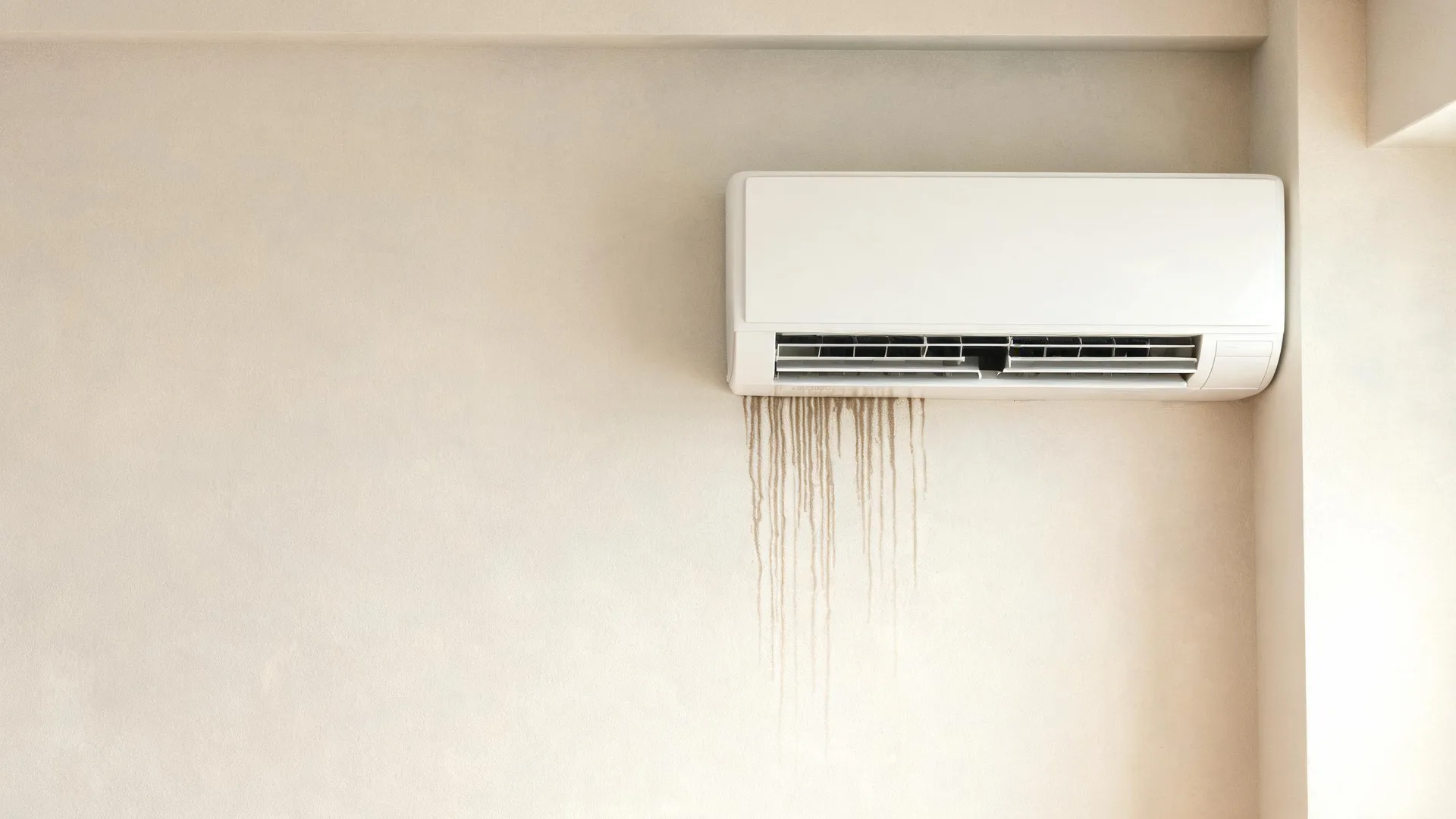
The indoor head and outdoor unit connect through a line set carrying refrigerant between them, and that line has to pass through a wall and run to wherever the outdoor unit sits. A short, straight run is quick work. A run that has to go up through a second story, around framing, or across a longer distance to reach the outdoor unit takes more time and more material, and that shows up in what the installation involves before the system ever turns on.

Manual J is the calculation a contractor runs to size a mini split, and it has nothing to do with square footage. It accounts for how many windows a room has, which way they face, how high the ceiling runs, what's above and below the room, and how many people use the space. Skip that and size off the floor plan alone, and the unit that goes in is a guess wearing a number. Oversized is its own problem, not a safe bet. A unit too big cools the room fast, shuts off, then starts again a few minutes later, and that cycling never lets it run long enough to pull moisture out of the air, so the room feels cold and damp instead of just comfortable. Undersized means it runs constantly and still can't catch up on the hottest afternoons. The right size is the one that runs long, steady cycles and keeps up without ever maxing out.

Installation starts outside, not with the indoor head going on the wall. The outdoor unit needs a spot with clear airflow on all sides and some distance from the wall it sits against, so the first job is finding that spot and running the line set from there to each room getting a head. That line set has to pass through the wall, which means a hole gets drilled, usually small enough to look like nothing once it's finished and sealed. Inside, the head mounts to a bracket fixed to studs, not just drywall, because it has to hold weight and stay level for years. Once the indoor and outdoor units are connected, the line gets evacuated with a vacuum pump to pull out air and moisture before refrigerant goes in, since either one left in the line causes problems down the road. After that, the system gets charged, powered on, and run through its paces, heating and cooling both, before anyone calls it done.