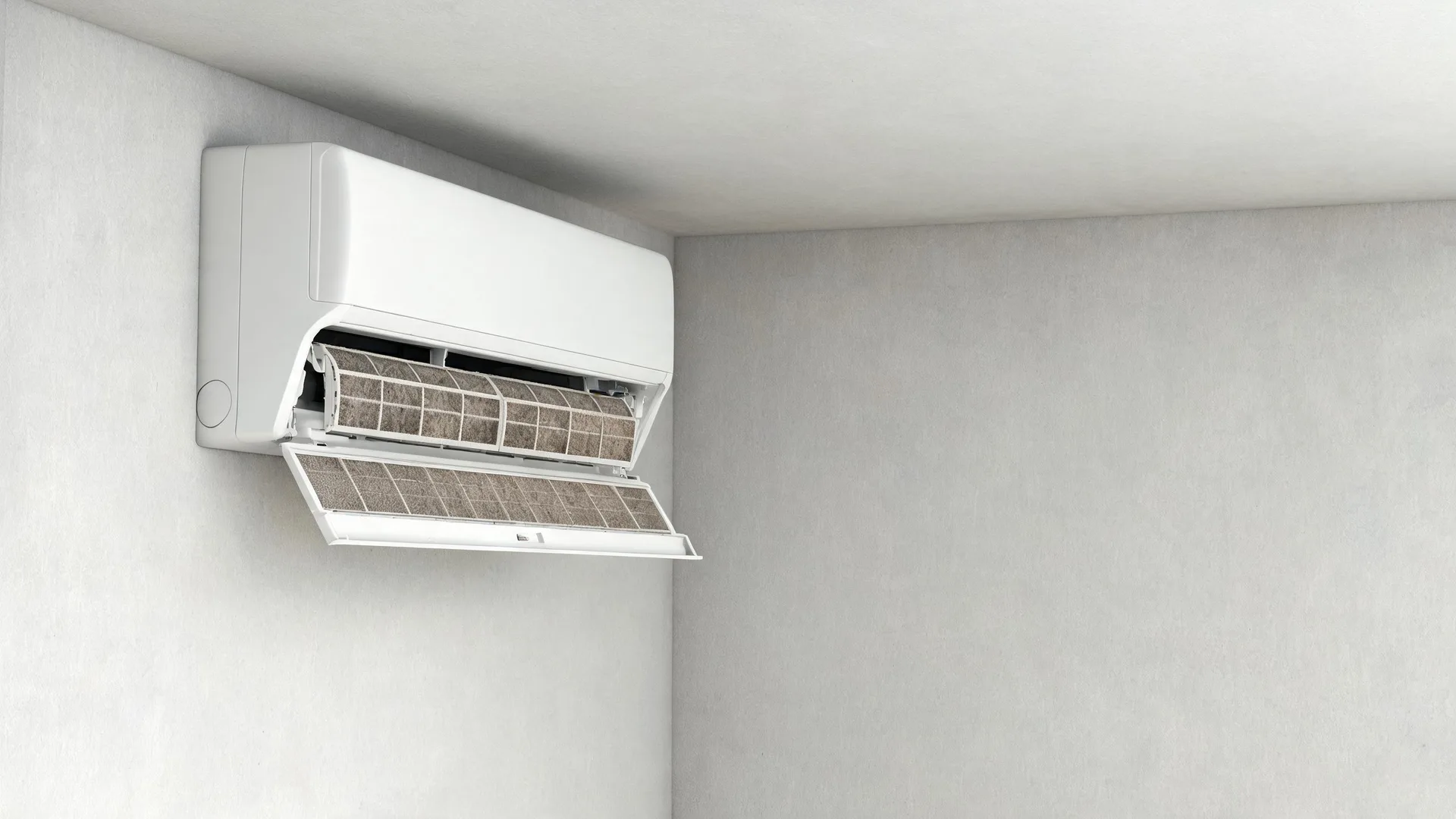
Electricity here runs 29.69 cents a kilowatt-hour
That is higher than what most US counties pay. A mini-split draws power every time it cycles on, so that rate applies to every hour it runs.

Takes about a minute. No obligation.
That is higher than what most US counties pay. A mini-split draws power every time it cycles on, so that rate applies to every hour it runs.
Two systems that cool a house the same way can land on very different bills once you factor in what power costs in Los Angeles County. A higher rating earns back more of its difference here than it would somewhere with cheaper power.
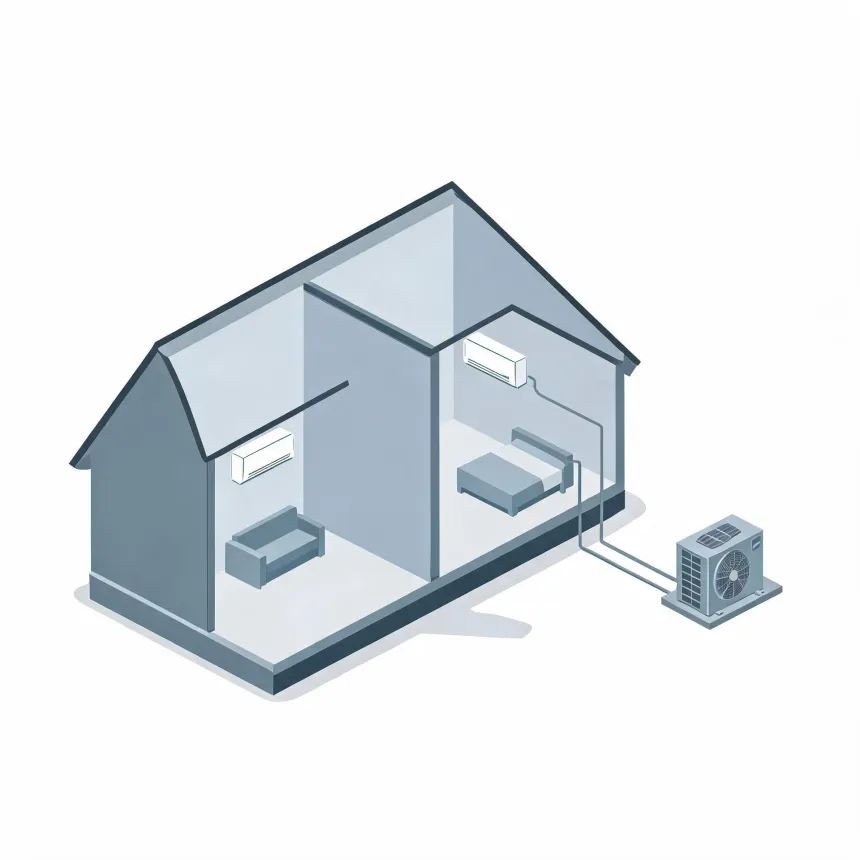
NOAA nClimDiv, 1991–2020 normals
Most homes in Los Angeles County heat with gas, 62.6% of them.
A mini-split takes over cooling and sometimes heating, but the furnace next to it is probably staying put.



Half the homes in Los Angeles County were built in 1965 or earlier. If yours is one of them, a mini-split installer is working with walls, attic space, and electrical panels that were never laid out with this equipment in mind. The line set has to run somewhere, usually through an exterior wall, and the condenser needs a spot outside with enough clearance to service it. An older panel may also need a look to see if it has room for a new circuit. None of this makes the install impossible. It just means the house decides the path, not the brochure.
The rating on the unit gets picked once, at installation, and it governs every bill after. Power here costs more than in most places, so that choice carries more weight than it would somewhere cheaper. Worth comparing ratings between systems before deciding which one goes in.
Find a contractor
Once the system goes in, it runs for years in whatever path the house gave it. On an older home, that often means a line set routed through a wall that was not built with it in mind, or a condenser set wherever the side yard allows rather than where it runs best. Ask the installer to walk through that path before anything gets cut or mounted. The route it takes now is the one it keeps.
The rating on the spec sheet is measured under set lab conditions. A system can hold that number at a mild temperature and fall off hard once it gets hotter outside. Ask for the capacity at the high end of what the outdoor unit will actually face, not just the headline figure.
Two installers can land on different sizes for the same house, and the size matters more than the rating on the box. A unit too big for the space cycles on and off instead of running steady, and that short cycling wears the compressor and leaves rooms uneven. Ask whether the size came from a load calculation on your house or a guess based on square footage.
Sizing a mini-split comes down to matching the compressor's output to the heat gained in the space it's cooling, not to the square footage on a listing. A unit too small runs flat out and never quite catches up on the hottest afternoons. A unit too big cools the air fast, shuts off, then starts again a few minutes later, and that short cycling is harder on the compressor than running a long steady stretch. It also leaves the room feeling clammy, because a system needs run time to pull moisture out of the air, not just drop the temperature. The right size comes from a load calculation that accounts for window area, insulation, ceiling height and which way the walls face, room by room if the system covers more than one zone. A tape measure and a square footage chart can't account for any of that.
Los Angeles County falls under zone 3B in the 2021 energy code, a warm zone with a long cooling season. Any ductless heat pump going in here has to meet the federal minimum for that kind of system, which calls for at least 14.3 Btu of cooling delivered for every watt-hour of power it draws, and at least 7.5 Btu of heat the same way. That floor applies whether the house is small or large, old or new. It sets a baseline, not a ceiling, and plenty of systems on the market clear it by a wide margin. Given what power costs here, a unit that only meets the minimum is leaving savings on the table that a better rated one would catch.