Gas heats most homes here
Utility gas heats 62.6% of homes in Sonoma County, with electricity next at 26.1%. A mini split installed here is usually going in alongside an existing gas furnace, not replacing the only heat source in the house.
Takes about a minute. No obligation.
Utility gas heats 62.6% of homes in Sonoma County, with electricity next at 26.1%. A mini split installed here is usually going in alongside an existing gas furnace, not replacing the only heat source in the house.
If gas furnace stays in place for the coldest nights, the mini split can be sized and placed for the rooms where you actually want cooling and shoulder-season heat, rather than carrying the whole house through winter.
The efficiency number on a mini split tells you how much heat it moves per unit of power, not how big a room it can handle.
Pick the unit by the room's size and insulation first, then compare efficiency ratings between models that already fit.




Sonoma County sees its share of damaging wind and hail, but neither changes how a mini split is built or sized. The outdoor unit is rated to take wind and weather on its own. Power is the thing that actually matters here. A mini split won't run without it, and outages do happen in California. That's worth weighing if you're deciding between a mini split and a furnace for backup heat, but it has nothing to do with sizing the unit itself. Pick it for the room, not for what's happening outside.
Afternoon highs average 79°F here in June, July and August, and the rest of the year is milder still. A mini split in this climate isn't working against much. That means you can pick a reliable, mid-range unit sized right for the room instead of paying for the highest efficiency model on the shelf.
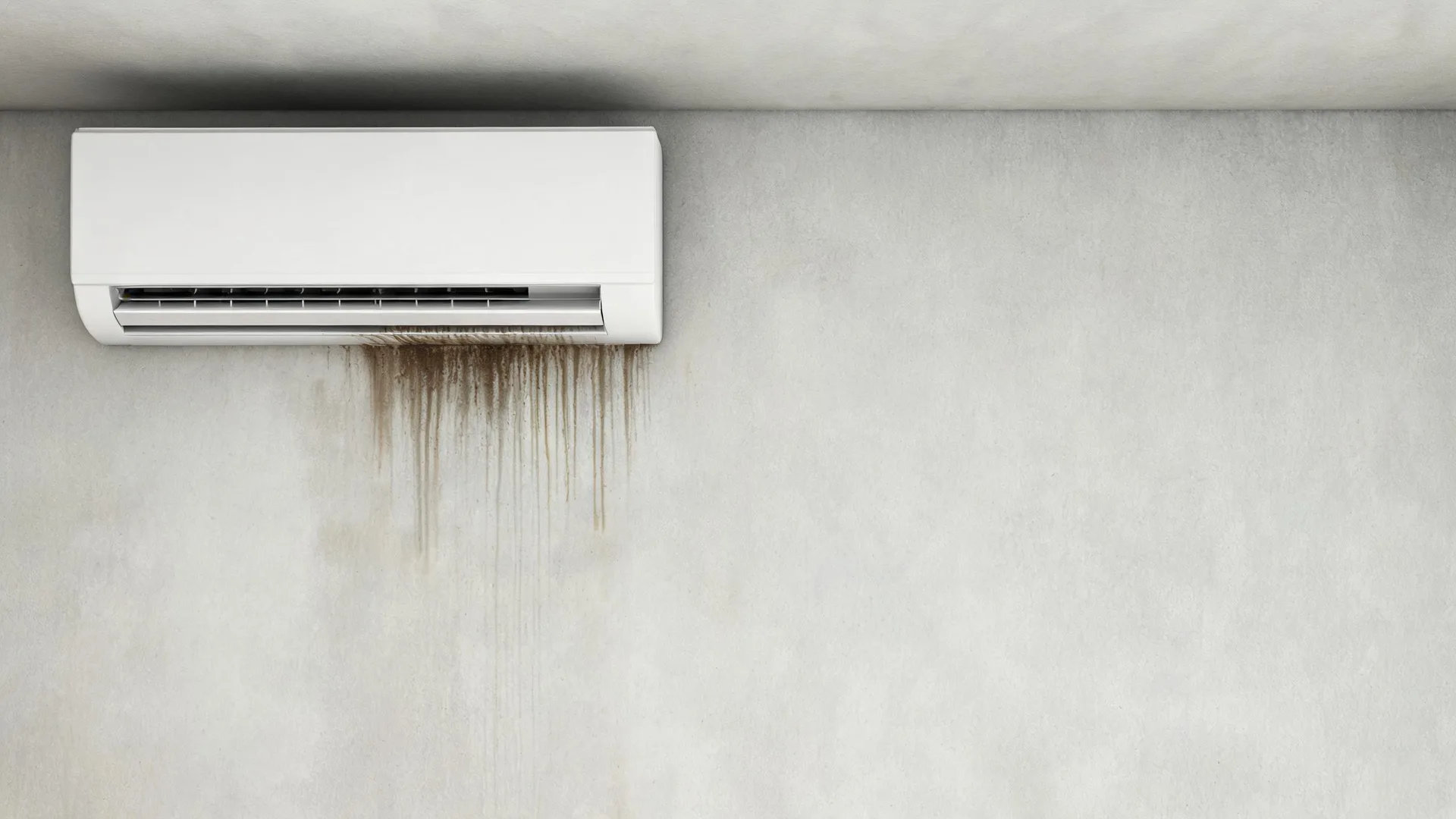
Find a contractorIf a mini split is going in alongside the furnace rather than replacing it, the existing ductwork and gas system don't go anywhere. They keep doing the job they've always done. Removing an old window unit or a worn-out mini split is a different matter. The old outdoor unit gets disconnected, the refrigerant recovered rather than vented, and the line set either reused or replaced depending on its condition. Reusing old line sets is sometimes possible but it depends on their size and shape matching what the new system needs, so it's worth asking rather than assuming. An old wall-mounted indoor unit leaves a mounting plate and usually a wall penetration behind. Patching that hole properly matters more than it seems. Left open or poorly sealed, it's a path for air, moisture and insects into the wall cavity, which causes problems long after anyone's thinking about the old unit at all.
An oversized mini split cools the room fast, shuts off, and starts again a few minutes later. That cycling never gives the room time to settle, so the temperature swings and the air stays damp since the coil never runs long enough to pull moisture out of it.
A room's size alone doesn't size the unit. Window area, which way the room faces, how much insulation is behind the walls, and what's generating heat inside all factor into the load calculation a contractor runs before picking a model. Skip that step and you're guessing.
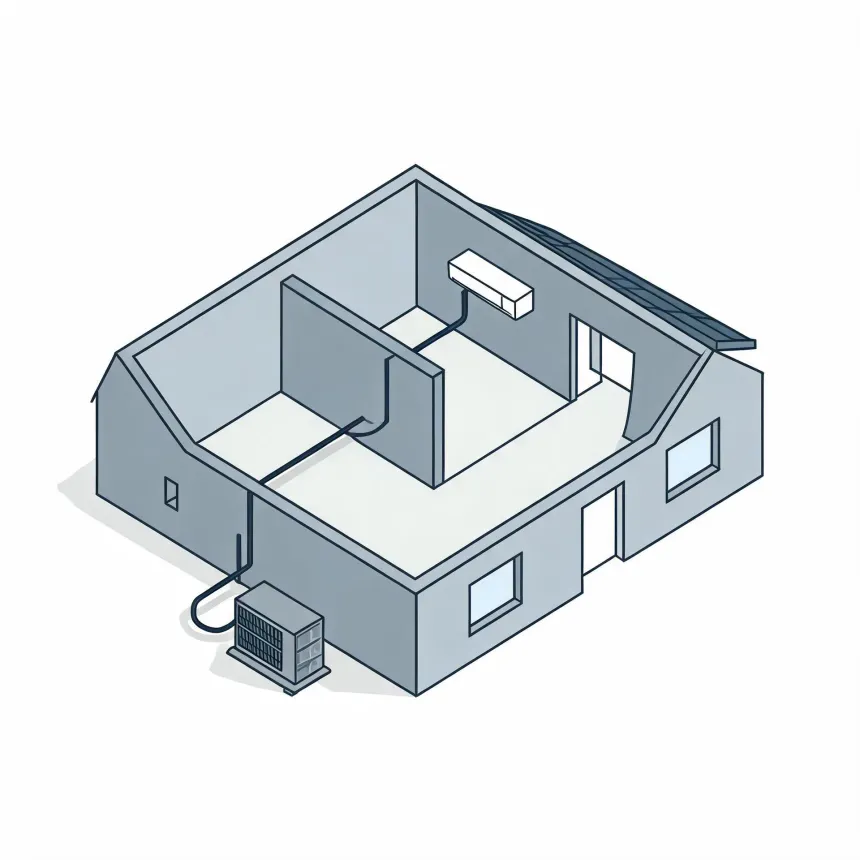
Labor usually drives the cost more than the equipment does, and labor moves with how far the indoor and outdoor units sit from each other. A straight shot through an exterior wall is quick work. A line set that has to run through an attic, drop down an interior wall, or cross a finished ceiling takes longer, and the price follows the time. Electrical matters too. A mini split needs its own dedicated circuit, and whether the panel has room for it and how far that circuit has to run changes how much work happens before the system ever turns on. A multi-zone system, where one outdoor unit feeds several indoor heads, costs more than a single zone because every indoor head needs its own line set and its own path back outside. None of this has anything to do with the unit itself. The same equipment can cost very differently to install depending on what it takes to get refrigerant lines, wiring and drainage from one end to the other.
Ask how the contractor arrived at the sizing. A load calculation looks at window area, insulation and what the room is used for, not just square footage, and a quick guess here leads to a unit that's wrong for the space either way. Ask how many zones the system supports and whether that covers every room you actually want conditioned. Ask about the sound rating on the outdoor unit if it's going near a bedroom window or close to a neighbor's fence. Ask who makes the compressor and whether parts are easy to get locally, because a broken unit waiting on a hard-to-find part can sit that way for a long time. Ask what voids the warranty, since some manufacturers only honor it when a certified installer handles the setup.