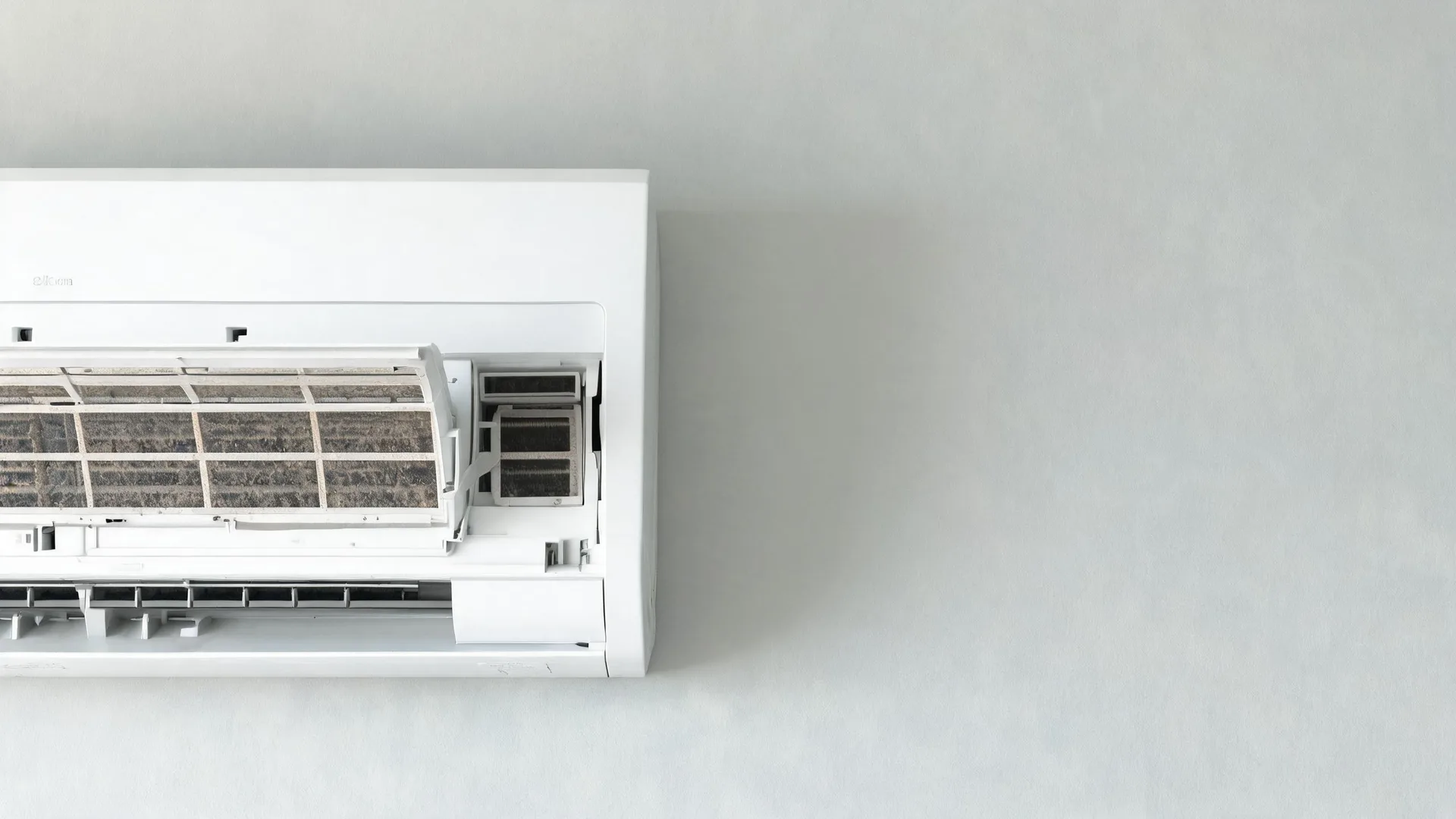
Gas heats most homes in Marin County
Utility gas heats 66.6% of occupied homes in Marin County. Furnaces and gas-fired setups are what most contractors here see and size for.
Takes about a minute. No obligation.
Utility gas heats 66.6% of occupied homes in Marin County. Furnaces and gas-fired setups are what most contractors here see and size for.
A mini split works well alongside a gas furnace, handling a room or zone the main system doesn't reach well, or covering cooling where there isn't any now.
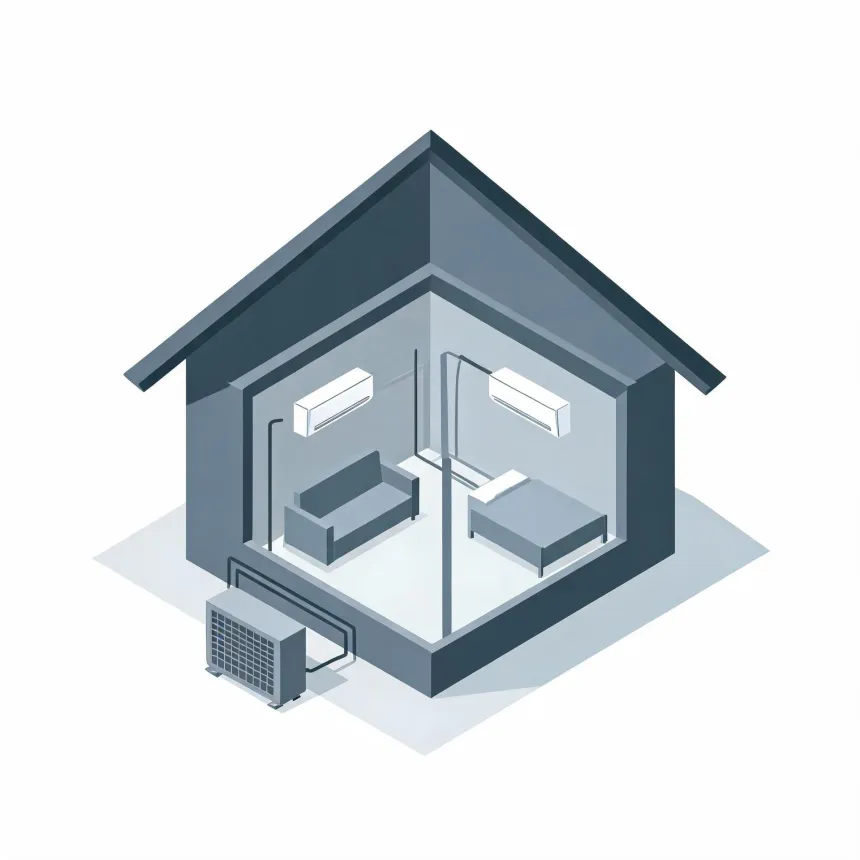
A mini split here runs on electricity, and California electricity isn't cheap at 31.97 cents per kilowatthour.
Sizing a mini split correctly for the room it serves matters more here than in places where power costs less.




San Rafael is in climate zone 3C, warm with mild winters and a long stretch of cooling weather most of the year. Any mini split installed here counts as a split system under federal rules, which means it has to hit at least 14.3 SEER2 for cooling and 7.5 HSPF2 for heating. That's not a target a contractor is aiming for, it's the floor every qualifying unit has to clear. A system that meets it may also qualify for the federal tax credit on heat pumps, worth asking about when you're comparing units and quotes.
A standard mini split, sized right for the room it's heating or cooling, is what this job calls for. Nothing about San Rafael's weather pushes you toward a bigger unit or a higher-end one.
Find a contractor
When a contractor quotes this job, ask where the line set is going before anything gets installed. Older homes weren't built with a mini split's indoor head and refrigerant line in mind, so a crew has to decide where that line runs, through a closet, an attic, an exterior wall, and that path is different in every house. It's worth walking the route with the installer rather than finding out after the hole is cut.
Adding a mini split doesn't retire the furnace or whatever is already heating and cooling the house. The old system keeps running in the rooms it already covers. A mini split just takes over the room or zone it was installed for.
If the mini split is replacing an old ducted system or an aging unit outright, that equipment has to be disconnected, drained of refrigerant, and hauled out before the new lines go in. That removal is its own step in the quote, not something that happens on the side.
What drives the cost of a mini split install is mostly labor, not the unit itself. Running the line set is the biggest variable. A short, simple path between the outdoor compressor and the indoor head costs less than one that has to snake through an attic, drop inside a wall cavity, or cross a long distance to reach the room that needs it. Electrical work adds to it too, since most mini splits need a dedicated circuit, and if the panel doesn't have room for one, that's its own job before the unit goes in. Where the outdoor unit sits matters as well. A spot close to the house with easy access costs less to run line to than one tucked around a corner or up a level. Multi-zone systems, with more than one indoor head tied to a single outdoor compressor, cost more than a single-zone setup simply because there's more line, more mounting, and more refrigerant work for each additional head.
Installation starts outside. A contractor mounts the outdoor compressor on a pad or brackets, then runs the line set to where the indoor head will hang. That path usually means one small hole drilled through an exterior wall, carrying the refrigerant lines, the power wire and the condensate drain together. The indoor head goes up next, mounted high where air can move freely across the room. Once both ends are connected, the line gets pulled down with a vacuum pump before any refrigerant goes in. Any moisture left behind can freeze or corrode parts later, so that step doesn't get skipped. After that the system gets charged, powered up and run through both heating and cooling to check that the head responds properly to its thermostat or remote. Most of the day goes into the line set and the electrical hookup, not the equipment itself.