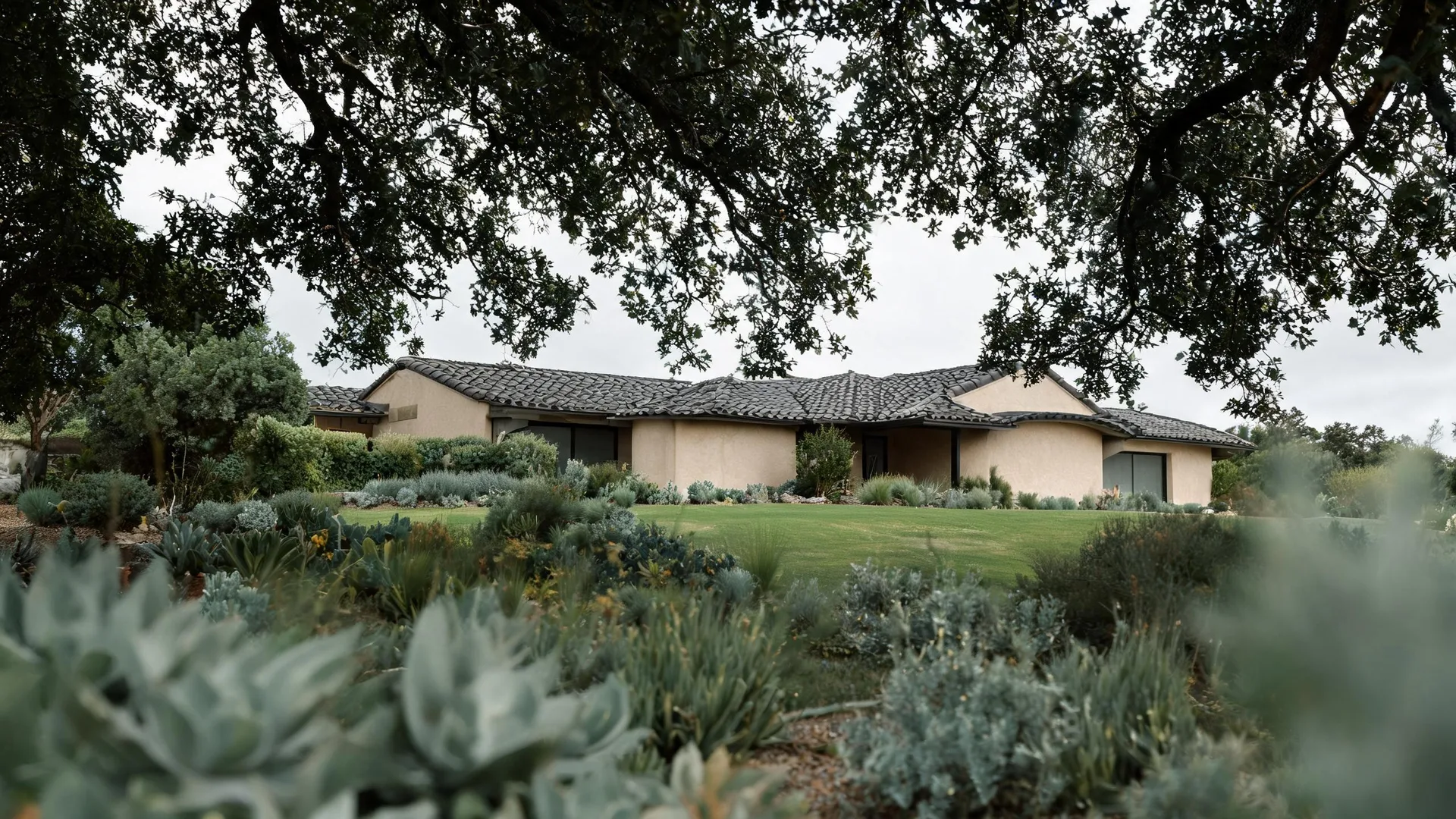






A single-story stucco house with a tiled roof seen across a lawn, framed by overhanging oak branches and surrounded by beds of succulents and gray-green shrubs under an overcast sky.

Mini Split Installation in Marysville, CA

Tell us about the job

Takes about a minute. No obligation.

New system or replacementMini-splitYuba County, CA
Step 1 of 2

What ZIP code is the job in?

Electricity in California ran 31.97 cents per kilowatt-hour in 2024, among the highest rates in the country. At that price, how efficiently a mini split runs matters more than it would somewhere power is cheap. These systems use a variable-speed compressor, so they draw only what the room needs instead of switching on at full power and cutting off. Run one most of the year in Marysville and that difference shows up on every bill. Getting the size right for the space matters just as much, since a unit that's too big cycles on and off and never settles into the range where it runs efficiently.

6 months
November through April, your system heats
5 months
May through September, it cools
38°F
the average winter night it heats against
91°F
the average summer afternoon it cools against
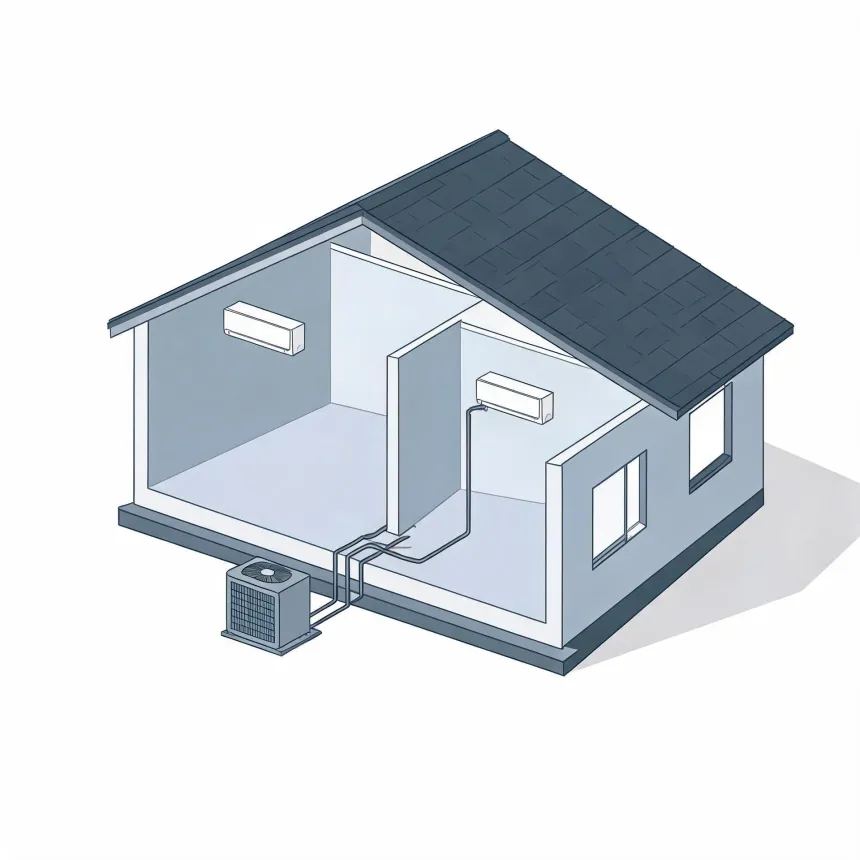
Isometric cutaway illustration of a small house with a dark shingled roof, showing two wall-mounted indoor units connected by lines running to an outdoor condenser unit beside the building.
Your system heats November through April and cools May through September.

NOAA nClimDiv, 1991–2020 normals

Marysville runs its cooling five months straight, May through September.

June through August, the afternoon high averages 91 degrees, so a mini split here runs long days all summer.

Most homes here heat with gas, and a mini split works alongside it

48.3% of homes heat with gas
Cooling runs May through September
Summer afternoons average 91°F
Get It In Before MayCooling runs May through September here, so April is the month to get it done.

A contractor sizing the system for your space is the part worth paying attention to during installation. Ask what load calculation they ran and what it came back with, not just what size unit they're quoting. At California's electricity prices, an oversized unit cycling on and off wastes more over the years than most homeowners expect, and an undersized one runs flat out all summer without keeping up. The right size is specific to your rooms, your windows, and how they face the sun, so it's worth asking the contractor to walk you through the number rather than take the recommendation on faith.

A new mini split here has to meet zone 3B's efficiency floor

Yuba County sits in zone 3B, and any mini split installed here has to clear 14.3 SEER2 for cooling and 7.5 HSPF2 for heating, the federal minimum for split-system heat pumps since January 2023. A ductless system counts as a split system under that standard, so it has to meet the same floor as any other heat pump. Units that meet it can also qualify for the federal tax credit on heat pump installations.

Find a contractor
A man in a dark shirt, cap and tan pants, seen from behind, steps onto a porch toward a red door while carrying a canvas tool bag, with a potted shrub to the right.
A white mini-split air conditioner outdoor condenser unit mounted on metal brackets against a beige stucco exterior wall, with a blue sky and scattered clouds in the background.

Built for a long summer

Five months at a 91 degree average is the load this system sees every summer, not just on the worst afternoons. Ask the contractor to size it for that stretch, not for a mild week in May. A mini split sized for this load holds steady through the afternoon instead of maxing out and falling behind by August.

How many zones and what each head is rated for

A multi-zone system splits one outdoor unit across several indoor heads, and each head has its own capacity. Ask what size head goes in each room, not just the total capacity of the outdoor unit. The outdoor unit can run every head at once, but it can't always deliver full output to all of them at the same time if every room calls for heat or cooling together. Ask what happens when several zones run at once, since that's the normal case, not the exception.
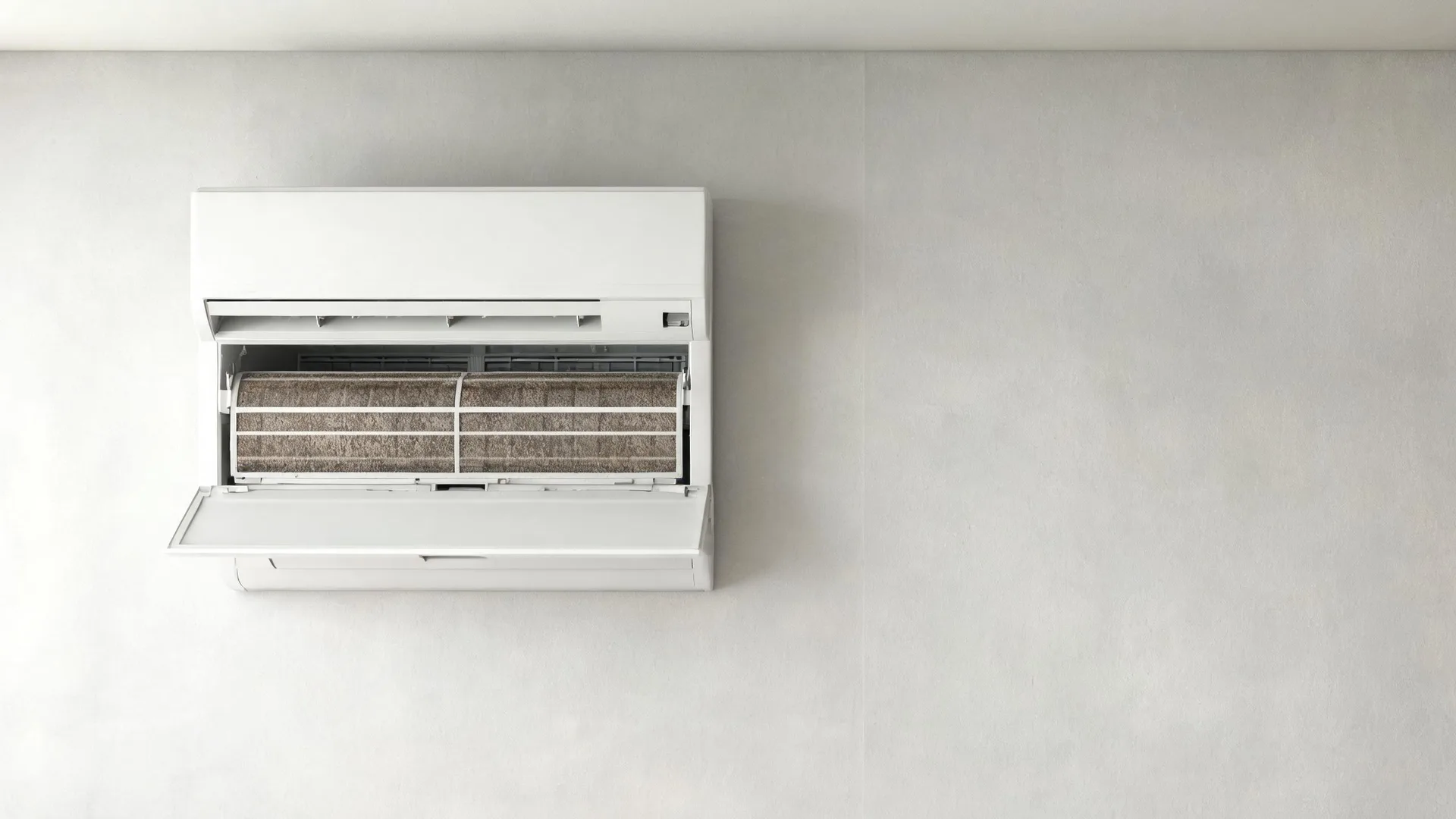
What the warranty actually covers

Compressor warranties and parts warranties often run different lengths, and some manufacturers void the compressor warranty if the installer isn't certified on that brand. Ask whether the warranty needs the unit registered within a set window after installation, and whether it covers labor or only the part. A unit that fails under warranty still costs money to diagnose and remove if labor isn't included.

If the old system is a central furnace and air conditioner, it usually stays in place. A mini split handles specific rooms or zones, and the existing ducted system can keep running for the rest of the house or as backup on the coldest days. If what's coming out is an older ducted heat pump or a window unit, a contractor will disconnect it, recover the refrigerant, and haul it away. Refrigerant can't legally be vented into the air, so that part of the removal has to be done properly regardless of what the equipment is. If ductwork fed the old system and nothing else will use it, ask whether it gets sealed off or just left alone, since abandoned ducts can pull conditioned air into attics or crawl spaces if they're not closed up.

Installation starts with the outdoor unit placement, since that drives the whole layout. The condenser needs clearance on all sides for airflow and a spot where the line set can run to each indoor head without too many bends. Running the line set is the slow part of the day. The refrigerant lines, the power wire and the condensate drain all have to pass through a wall, usually through a single sleeve, and the hole gets sealed once they're through. Once the indoor head is mounted and the lines are connected, the system gets evacuated with a vacuum pump to pull out moisture and air before refrigerant ever enters the lines. Skip that step and moisture left in the lines turns into acid that eats at the compressor over time. Only after the vacuum holds does the contractor open the line and charge the system, then run it in both modes to check that every zone is actually heating and cooling.