





A row of stucco houses with red barrel-tile roofs seen past a tall stucco wall in the foreground, framed by overhanging tree branches and dense green shrubs.

Mini Split Installation in Oakland, CA

Tell us about the job

Takes about a minute. No obligation.

New system or replacementMini-splitAlameda County, CA
Step 1 of 2

What ZIP code is the job in?

Electricity in California runs 31.97 cents per kilowatt-hour, among the highest rates in the country. A mini split's efficiency matters more here than it would somewhere with cheaper power, because every hour of runtime costs more to begin with. The SEER2 rating on the unit you choose shows how much electricity it pulls to do the job, not how strong it is. A lower rated system in Oakland still means a higher bill than a better rated one, month after month. Worth comparing SEER2 numbers closely when you're looking at options, since the gap between them means more here than it would most other places.

6 months
November through April, your system heats
3 months
July through September, it cools
41°F
the average winter night it heats against
82°F
the average summer afternoon it cools against
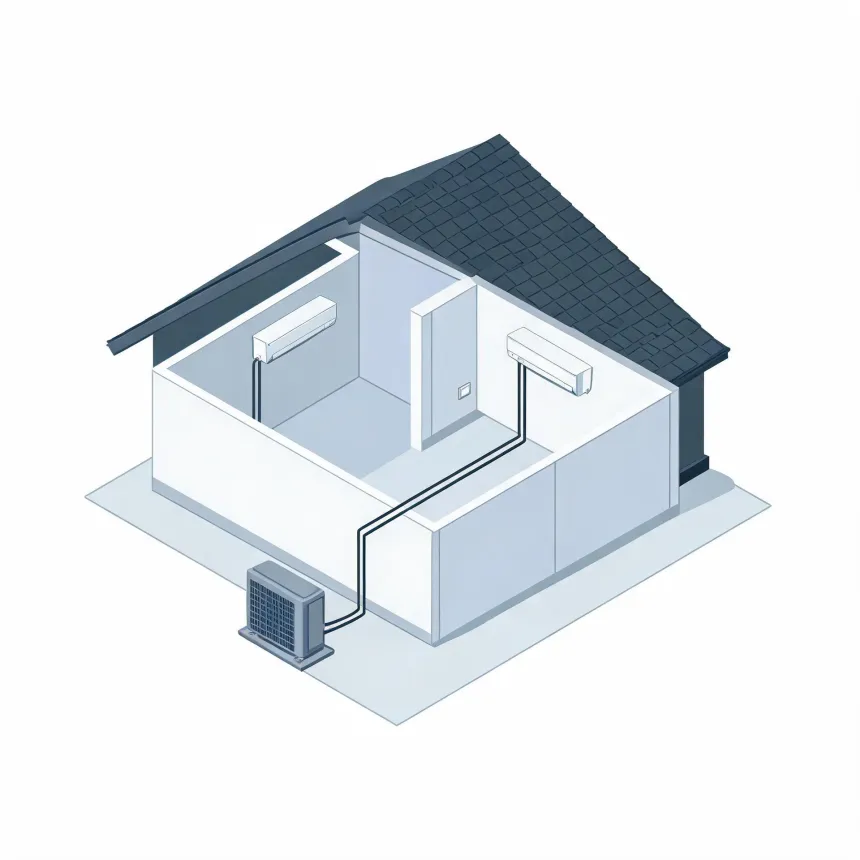
Isometric cutaway illustration of a small house with a dark shingled roof, showing two wall-mounted indoor air conditioning units in separate rooms connected by lines to an outdoor condenser unit on the ground outside.
Your system heats November through April and cools July through September.

NOAA nClimDiv, 1991–2020 normals

Half the homes in Alameda County were built in 1969 or earlier.

A mini split going into a house that old has to work with the walls and wiring already there, not the ones in a showroom.

Gas heats 65.2% of homes here, so a mini split usually adds cooling, not a replacement furnace

65.2% of homes heat with gas
Cooling runs July through September
Summer afternoons average 82°F
An easy job most of the yearCooling runs three months a year here, with afternoons averaging 82°F.

Oakland falls in zone 3C, the mild marine band of the state's energy code. Any mini split put in now has to clear the federal minimums for a split-system heat pump, 14.3 SEER2 for cooling and 7.5 HSPF2 for heating, since the rule doesn't carve out a separate class for ductless units. That sets a floor, not a target. Systems at the floor still cost more to run here than systems rated above it, for the reasons on this page already. A federal tax credit is available on qualifying equipment, which is worth factoring in alongside the SEER2 number when you're pricing out options.

Efficiency pays here

Power costs more here, so an efficient system pays you back on every bill.

Find a contractor
A white outdoor air conditioner condenser unit mounted on metal wall brackets against gray horizontal siding, with a blue sky and white clouds behind it.

Get it in before July

Cooling here runs July through September. Put the install in before July and it's running the day it gets hot, on a schedule that works for you. Wait until the first warm week and you're booking the job at the same time everyone else with a system on the fritz is, with June already behind you.

The rating is a ratio, not a size

SEER2 compares the cooling a mini split produces against the electricity it draws to make it. It says nothing about how big a space the unit can handle. A small unit can carry a high rating and so can a large one, but only the one sized right for the room will actually cool it. Sizing and efficiency are separate questions, and both have to be answered.
The rating holds up only with upkeep

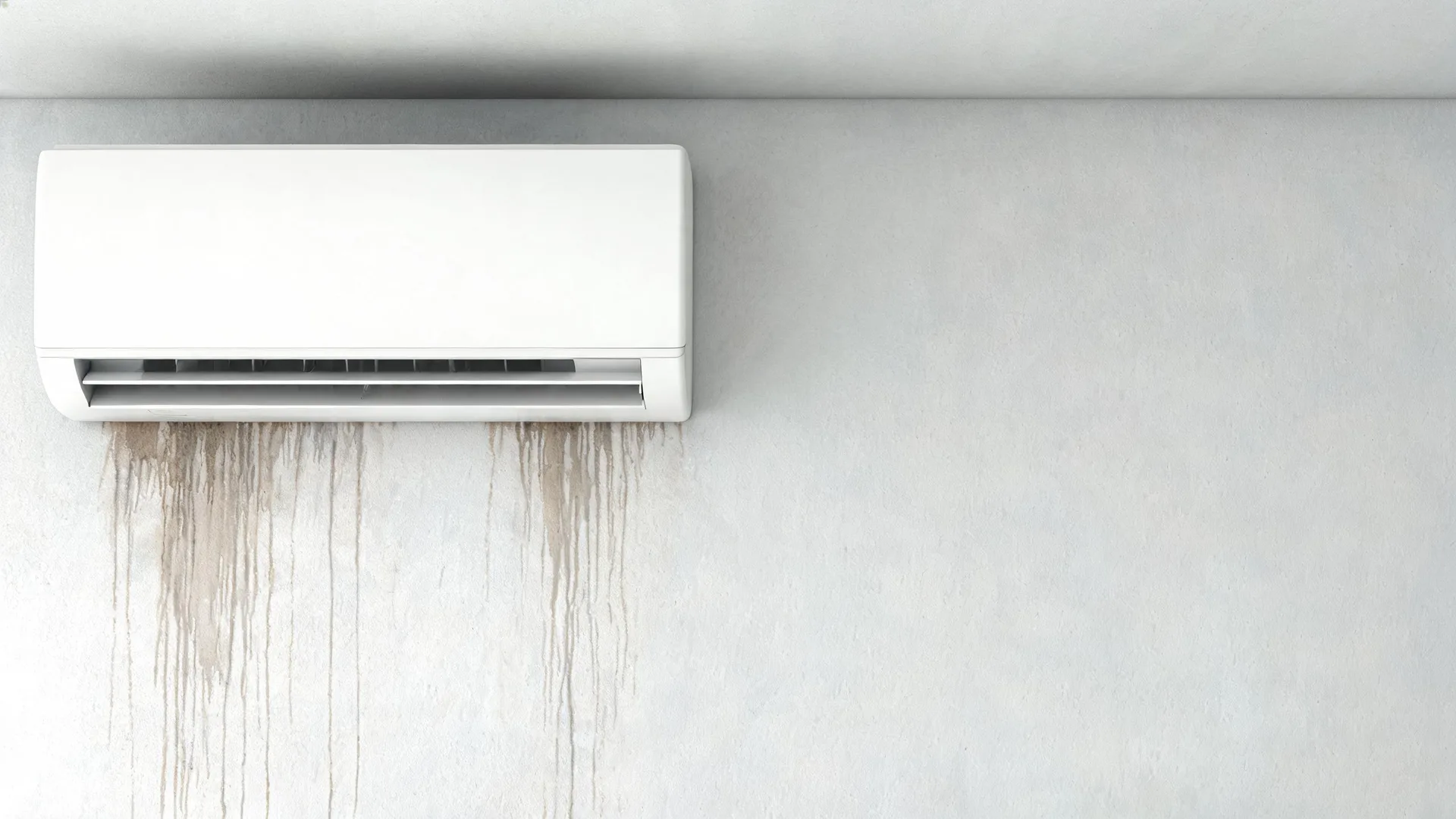
A mini split keeps running near its rated efficiency as long as the coils stay clean and the refrigerant charge stays correct. A dirty coil makes the system work harder to move the same heat, and a low charge does the same thing. The number on the label describes a unit that's maintained. Skip the filter cleaning and the coil checks, and the real efficiency drifts below what the sticker says.

The quote on a mini split install covers more than the equipment. How many rooms need coverage decides how many indoor heads the system needs, and each head adds its own line set, its own mounting work, its own spot on the outdoor unit's capacity. A single zone system is simpler to install than a multi-zone one, since a multi-zone setup has to split output across heads correctly and still keep each one running near its rating. Where the outdoor unit can go and how far the line set has to run to reach it changes the labor too, since longer runs take more time and more material. The wall or ceiling the indoor head mounts on matters as well, since some surfaces take the bracket and the line penetration easier than others. None of this shows up on the unit's price tag, but all of it shows up in what the job takes to do.

When comparing quotes, ask how each contractor arrived at the size they're proposing. A load calculation looks at the room itself, the windows, the insulation, what else is nearby, not just the square footage. A contractor who sizes off a tape measure alone is guessing, even if the number happens to land close. Ask whether the system is single-zone or set up to cover multiple rooms, and if it's the latter, ask how output gets divided across the heads. A system can be rated right on paper and still leave one room short if the zones aren't balanced against each other. Ask where the outdoor unit will sit and how far the line set has to run to reach it, since that changes both the labor involved and how well the system performs once it's running. And ask who's responsible for the coils and the refrigerant charge after the install is done, because that upkeep is what keeps the unit running near the efficiency it was sold on.