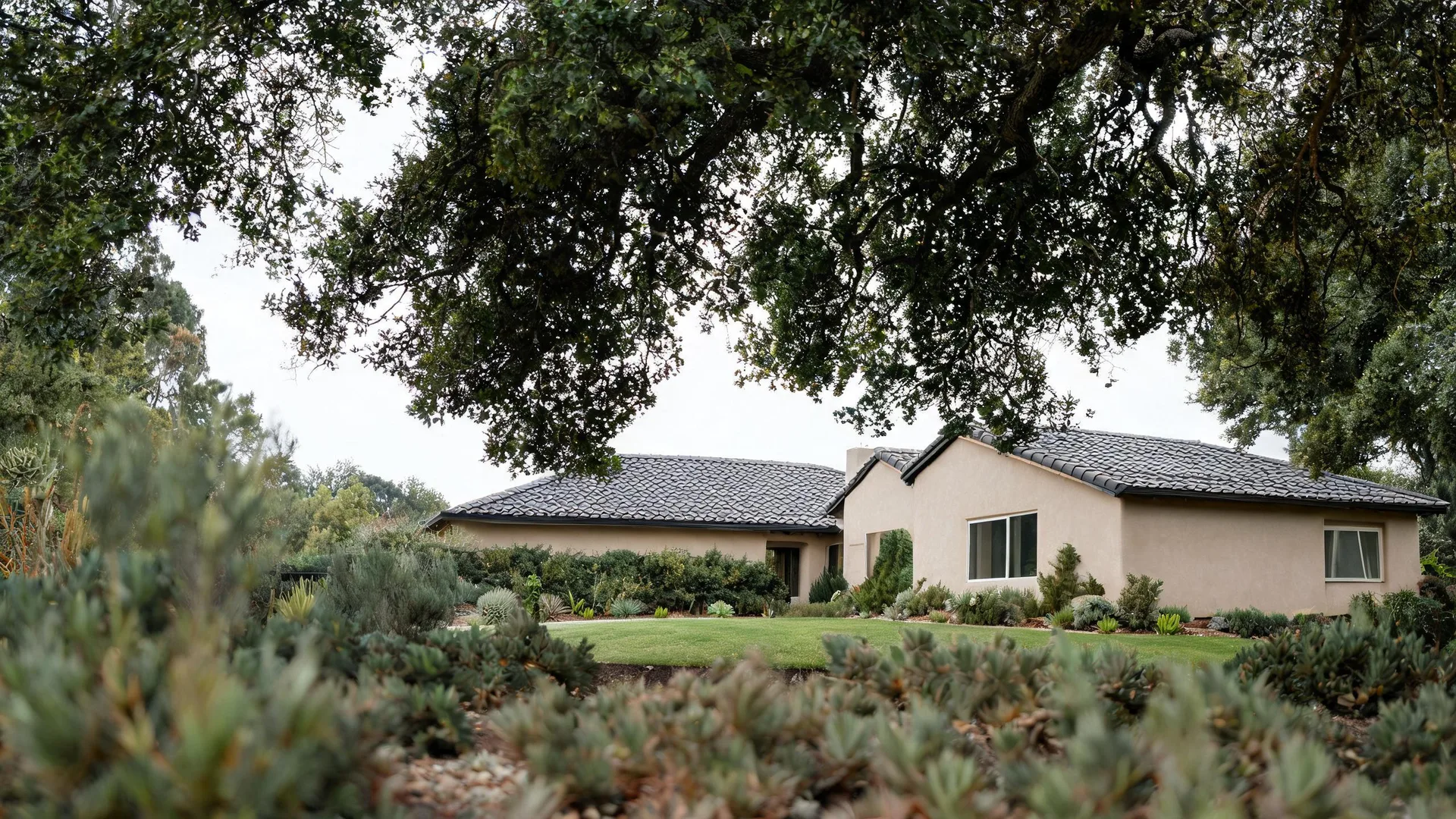





A single-story stucco house with a gray tile roof behind a lawn, framed by large oak branches overhead and succulent and shrub plantings in the foreground.

Mini Split Installation in Santa Cruz, CA

Tell us about the job

Takes about a minute. No obligation.

New system or replacementMini-splitSanta Cruz County, CA
Step 1 of 2

What ZIP code is the job in?

Electricity in Santa Cruz County runs 38.48 cents a kilowatt-hour, well above most of the country. A mini split here doesn't run as hard as it would somewhere with heavy, humid summers. The mild weather and low dew point mean shorter runtimes than a lot of places get. That changes what matters when you install one. With cheap power, a few wasted hours on a poorly set up unit barely show up on the bill. Here, every hour it runs working harder than it should costs more than it would almost anywhere else.

7 months
November through May, your system heats
41°F
the average winter night it heats against
76°F
the average summer afternoon it cools against
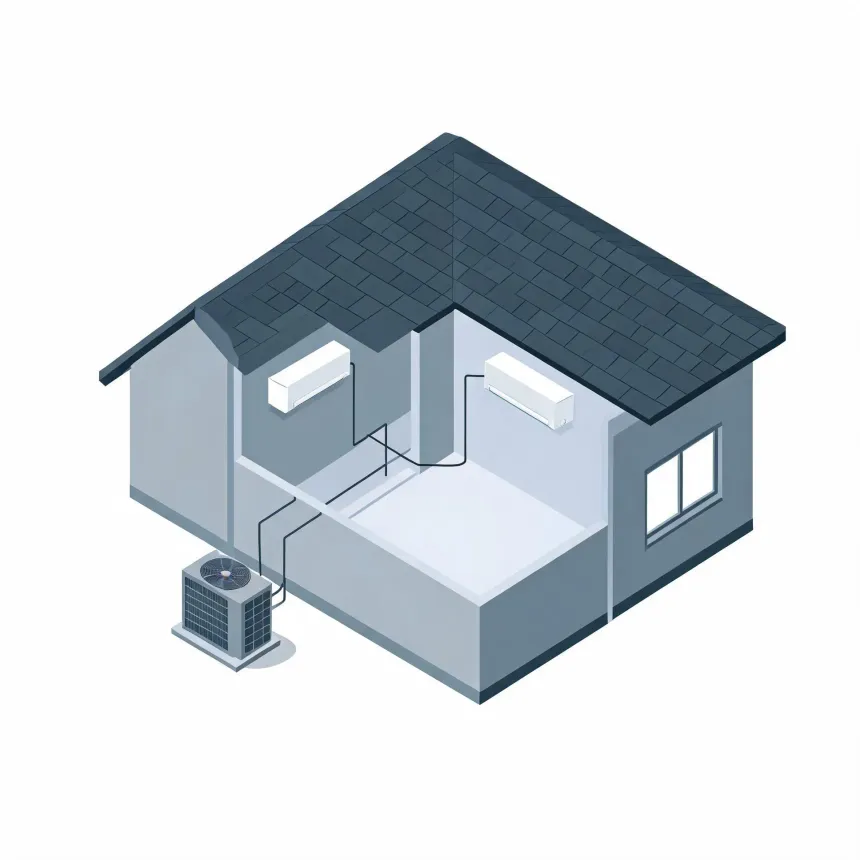
Isometric illustration of a cutaway gray house with a dark shingled roof, showing two wall-mounted indoor air conditioning units connected by lines to an outdoor condenser unit on the ground outside.

Damaging wind hit Santa Cruz County 207 times between 2015 and 2024, with 15 hail events in that same stretch.

The outdoor unit sits outside through all of that, so where it goes and what shields it matters.

Most homes here already heat with gas, and that shapes where a mini split fits in

57.3% of homes heat with gas
Summer afternoons average 76°F
207 damaging wind events from 2015 to 2024

Santa Cruz County falls under zone 3C in the 2021 energy code, the mild marine zone. Any split system heat pump sold here, mini splits included, has to clear the federal minimum for that type: at least 14.3 Btu of cooling for every watt-hour of electricity, and at least 7.5 Btu of heat for every watt-hour in winter. That standard applies to units built from January 2023 on, so it rules out whatever a contractor might have left over from before then. It doesn't pick a brand or a model for you. It just sets the floor, and in a county where power costs what it does here, installing right at that floor instead of above it is a choice you'll feel on the bill.

Get it installed right once, and the rating on the box is the one you'll actually pay

The install sets the number you'll live with on every bill after. Ask what SEER2 and HSPF2 rating the installer is quoting, and hold it against that federal floor. A unit sized and set up right for this house is what makes that rating mean something once it's running.

Find a contractor
A man in a cap, dark T-shirt and work pants carries a worn canvas tool bag up wooden porch steps toward a red front door.
A beige split-system air conditioner outdoor condenser unit mounted on metal wall brackets atop a stucco wall.

What gets set once and paid for every month after

A mini split earns its keep or wastes its keep in the first day of work, not the tenth year. The line set gets bent and brazed once, the refrigerant gets weighed in once, and the mounting goes onto the wall once. Whatever is right or wrong about that work stays right or wrong for as long as the system runs. A joint that was never pulled down to a proper vacuum will leak slowly for years, and nobody sees it happening. The system just works a little harder every month to do the same job, drawing more than it should to hit the same temperature. Refrigerant charge is the same story. A few ounces off in either direction and the compressor strains to move heat that a properly charged system would move without strain. None of this shows up as a breakdown. It shows up as a system that runs longer than it needs to, cycling on and off more than it should, never quite resting. The indoor and outdoor units are matched as a pair for a reason. Put a head on a condenser it wasn't designed to pair with and the system can still run, just not at the rating printed on either box. Sizing works the same way. A unit too big for the room cools the air fast and shuts off before it pulls the moisture out, so the room feels clammy even at the right temperature, and the compressor spends its life starting and stopping instead of running steady. A unit too small never shuts off at all. Both wear the equipment down their own way. The work that goes in once is the work that decides what the machine costs to run for as long as it's on the wall.

The rating is measured in a lab, not your house

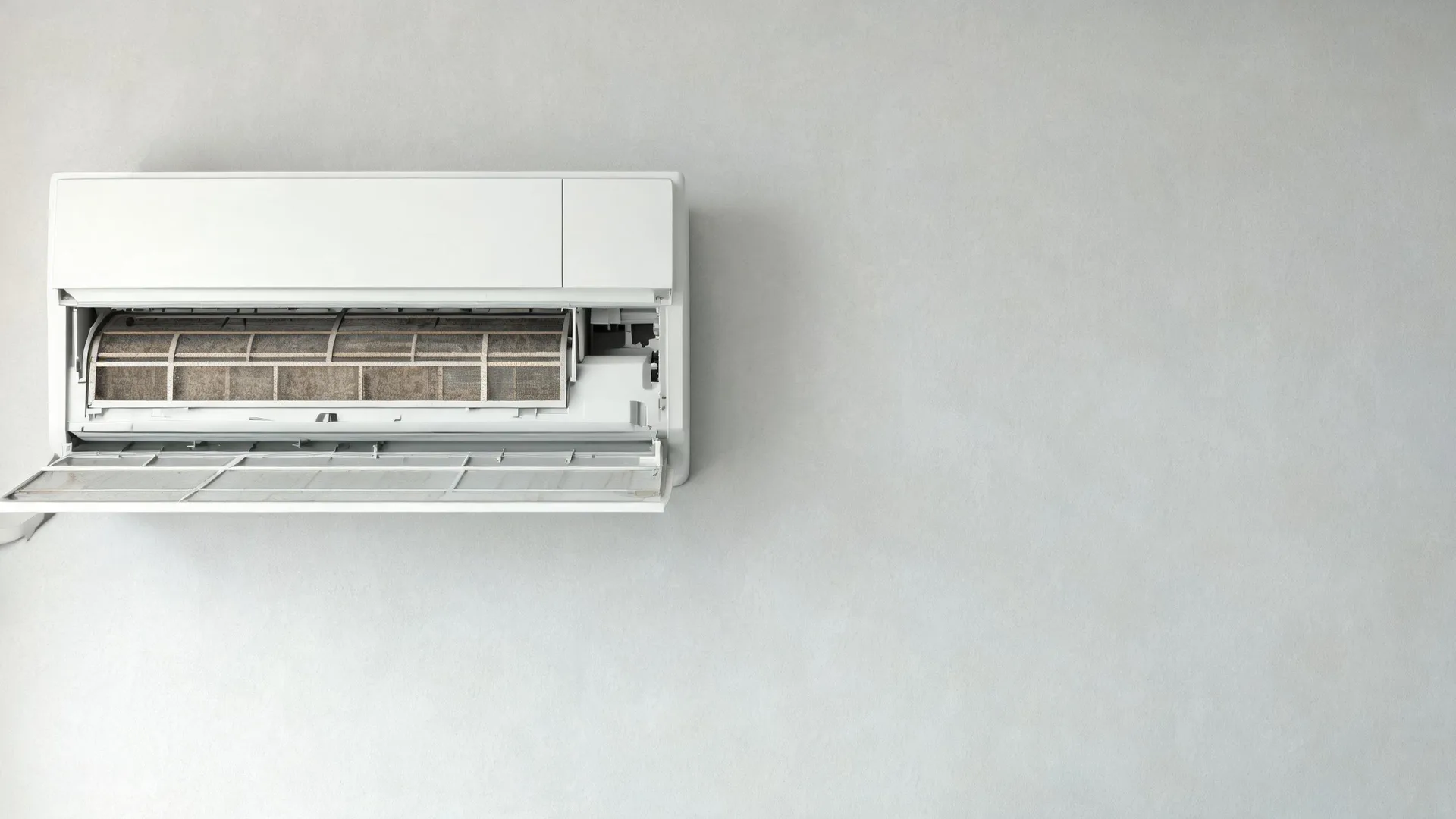
SEER2 and HSPF2 come from a unit run under fixed test conditions, a set indoor and outdoor temperature, steady airflow, nothing blocking the coil. Your mini split sees none of that. It sees whatever the room throws at it, a door left open, sun on the wall it's mounted to, a filter that hasn't been rinsed in a while. The number on the label is the ceiling for that equipment. What it actually delivers depends on everything the lab didn't test.
A higher number only pays off if the rest of the job matches it

The rating belongs to the indoor and outdoor unit as a matched pair, charged to spec and moving the airflow they were designed around. Undercharge the line set or crowd the outdoor unit against a wall and the system can still run, but it's no longer the system that earned that rating. You end up paying for a high efficiency unit and running it like a low efficiency one, which is a worse outcome than buying the lower rated unit honestly.

Put the outdoor unit where it won't take a direct hit. Under an eave or on the side of the house away from prevailing wind beats an exposed wall or an open side yard. A mounting pad or bracket keeps it up off standing water if the ground floods during a storm. None of that stops wind or hail outright, but it keeps debris from hammering the coil face and keeps the unit from sitting in runoff. Ask the installer where they're planning to put it and why, before it's bolted down. Once it's set, moving it is its own job.

Installation day starts with a survey, not a drill. The installer walks the room, checks where the indoor head can go to throw air across the space rather than at a wall or a couch, and finds a path from there to the outside for the line set. That path matters more than people expect, since every bend the refrigerant lines take is a bend the system has to work around for its whole life. Once the spot is picked, the outdoor unit gets set on its pad or bracket, the lines get run and brazed, and the whole system gets pulled down to a vacuum to clear out moisture and air before any refrigerant goes in. That vacuum step is quiet and takes time, and there's no shortcut that doesn't show up later as a system running harder than it should. Only after it holds vacuum does the installer weigh in the charge, wire the units together, and run the system through both heating and cooling to check it's moving air and holding temperature the way it's supposed to.