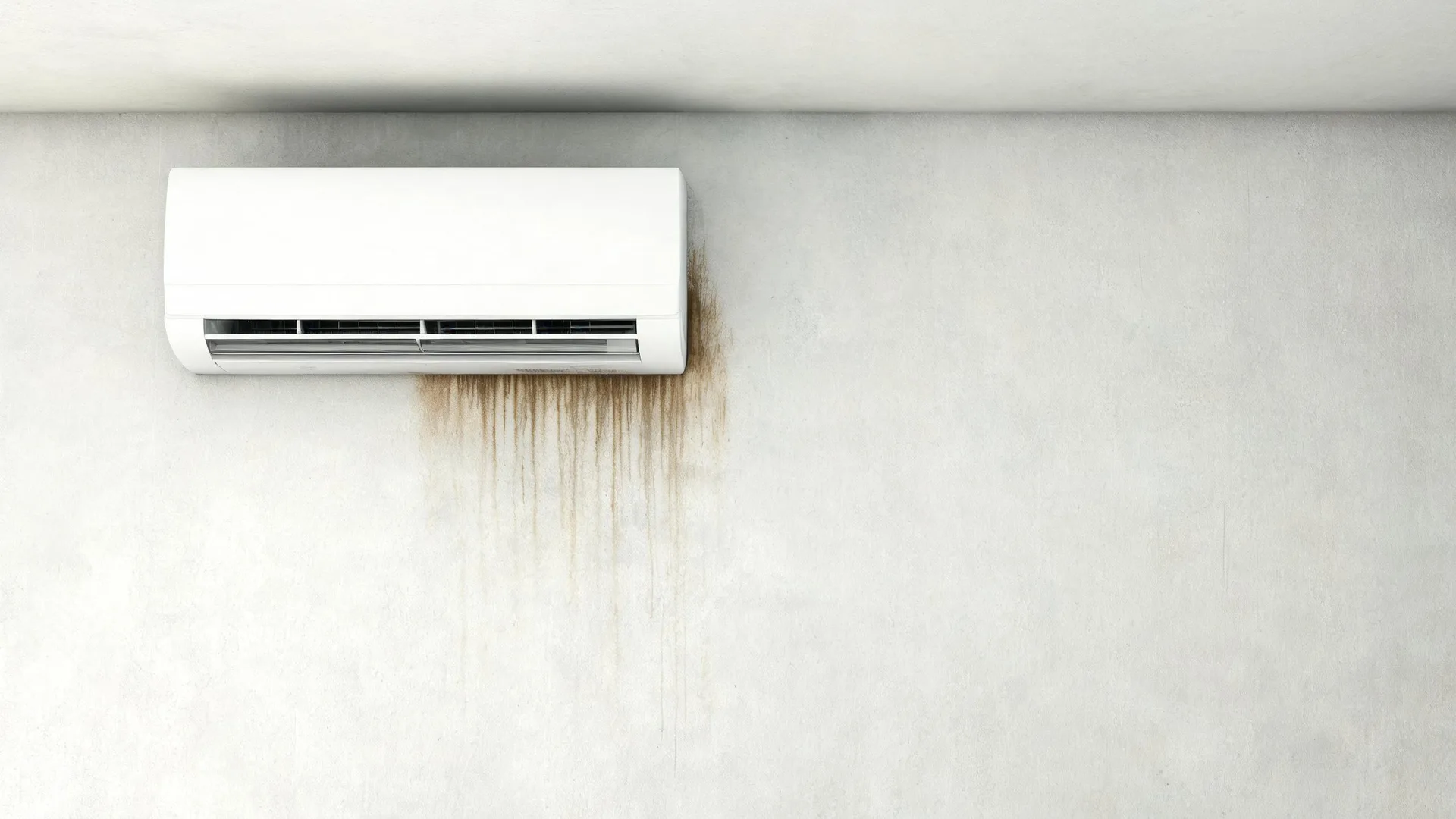
Electricity here runs 32.12 cents a kilowatt-hour
That is higher than what most counties in the country pay. A mini-split that cycles on and off at the wrong rate burns through that rate every time it runs.
Takes about a minute. No obligation.
That is higher than what most counties in the country pay. A mini-split that cycles on and off at the wrong rate burns through that rate every time it runs.
The install has to get the sizing and setup right from the start, because a mismatched system racks up that higher rate on every hour it works, not just over a full summer.
NOAA nClimDiv, 1991–2020 normals
Oxnard asks a mini-split to cool for about three months a year, with afternoon highs near 83°F and a dew point around 56°F.
A system working that short a season, in air that light, doesn't need the highest efficiency tier to earn its keep here.




Zone 3C is the marine-coast designation Oxnard falls under in the 2021 energy code, and it sets a floor, not a ceiling. Any split-system heat pump manufactured from 2023 on has to clear a federal minimum here no matter how mild the climate is: at least 14.3 Btu of cooling per watt-hour over the summer, at least 7.5 Btu of heat per watt-hour over the winter. A ductless mini-split counts as a split system under that rule, so there's no separate or lower bar for going ductless. That minimum is already built into what's sold today, which is why a unit sized right for three mild summer months doesn't need to chase a higher tier to meet code. The floor and the climate end up asking for the same thing.
Power here costs more than most places pay, and that rate applies to every hour this unit runs. Getting the sizing and setup right at install is what makes those hours work for you instead of against you.
Find a contractor
Three months of real cooling a year, and those afternoons average around 83°F. That's not a hard life for a compressor. Wind is the bigger test, with damaging wind hitting the county 38 times between 2015 and 2024, so the outdoor unit needs a bracket and pad that hold up to that, not just a mild summer. Pick a reliable system sized right for the space. A basic model installed well will outlast one with a high efficiency rating that never gets pushed hard enough to matter here.
A contractor should measure the room, the windows and the walls and run an actual load calculation before quoting a unit size. Sizing by square footage alone leaves out too much. A unit sized too big cools the air fast and shuts off before it pulls the moisture out, so the room feels clammy even at the right temperature. A unit sized too small runs flat out and never catches up. Ask to see the numbers, not just the final recommendation.
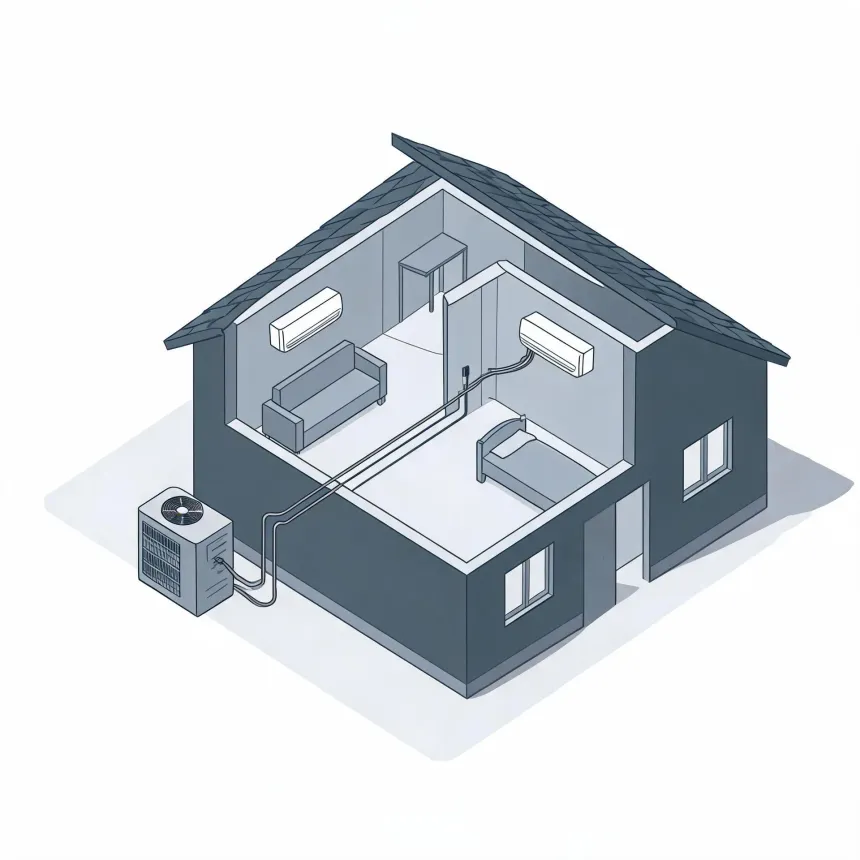
The indoor and outdoor units connect through a refrigerant line set that has to be cut to length, brazed and then pressure tested for leaks before the system gets charged. A rushed install skips the pressure test or eyeballs the charge instead of weighing it in. Ask how the condensate drain line is routed too. It needs a steady downward slope the whole way out, or water backs up into the indoor unit over time.
The rating on the label, SEER2 for cooling and HSPF2 for heating, tells you how much heat a unit moves per unit of power it draws, not how strong it is. A higher number means it pulls more heat out of the room for the same draw on the compressor. It says nothing about how fast a unit cools a room or what size room it can handle. Two units can carry the same rating and feel completely different in a room, because that number comes from a lab test run at one set of conditions, not from your walls or your windows. It also only holds up if the rest of the install is done right. A unit with a strong rating still runs inefficiently if the line set is charged wrong or the system is sized off, because the rating assumes a properly charged, properly matched system, not a guess.
Installation day starts with the outdoor unit placement, not the indoor one. It needs clearance on all sides to pull air through its coil, and it has to sit level on its pad or bracket, because a unit that tilts over time throws off how oil moves back through the system. Running the line set comes next. It gets cut to length on site, run through a small hole in the wall, and connected at both ends. Once the connections are brazed, the line gets pressure tested with inert gas and left to sit, because a joint that holds for a few minutes can still leak over hours. Only after that test passes does the system get evacuated to pull out moisture and air, and only then does it get charged with refrigerant, weighed in to the amount the manufacturer specifies for that length of line. The indoor head goes up last, leveled so the condensate drain pitches downward the whole way out. Skip the evacuation or eyeball the charge instead of weighing it, and the unit will still blow cold air that day. What it costs you is efficiency, not durability. The compressor keeps running, just on a charge that is a little off, pulling a little more power than it should for the same cooling.