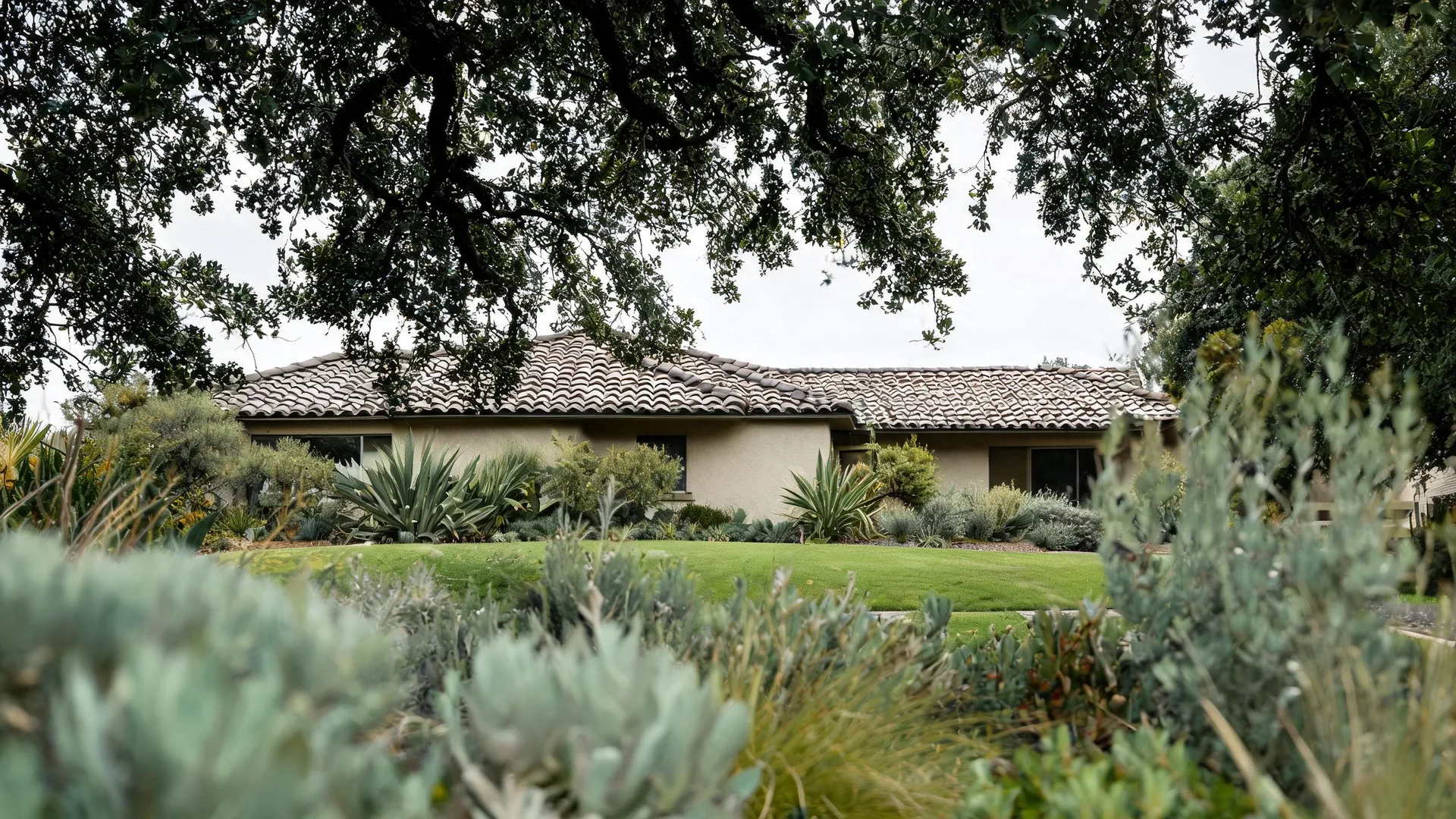
A single-story stucco house with a clay tile roof sits behind a lawn and drought-tolerant plantings including agaves, framed by overhanging oak branches and blurred silvery shrubs in the foreground under an overcast sky.

Heat Pump Repair in South Lake Tahoe, CA

Tell us about the job

Takes about a minute. No obligation.

RepairHeat PumpEl Dorado County, CA
Step 1 of 2

What ZIP code is the job in?

Summer here barely touches it

Damaging wind hit the county 225 times in ten years and hail only 10 times. Neither has much to do with a heat pump, but the number says something about what the season demands here. South Lake Tahoe doesn't put in long stretches of heavy heat, so the system isn't working hard to cool the house most of the year.


Winter is the real workload

The overnight low averages 33°F through December, January and February, and winter storms are frequent here. That's where a heat pump here earns its keep, pulling heat out of cold air on a lot of nights. If something's off, it's more likely age or a part wearing out than a machine that's been run into the ground.

8 months
October through May, your system heats
2 months
July through August, it cools
33°F
the average winter night it heats against
83°F
the average summer afternoon it cools against
Isometric cutaway illustration of a small house showing ducted air distribution, an indoor air handler, and an outdoor condenser unit connected by lines, with a sofa and bed in the rooms.
Your system heats October through May and cools July through August.

NOAA nClimDiv, 1991–2020 normals

Half the homes in El Dorado County were built in 1983 or later.

A heat pump that came with a newer house still has working life in it, and that's usually a reason to repair rather than replace.

225 damaging wind events in ten years, and the outdoor unit sits outside for all of them

687 severe weather events from 2015 to 2024
17% of homes statewide lost power a day or more in 2024
225 damaging wind events from 2015 to 2024

October is when heat kicks on here, which makes September the month to get ahead of it. Heat pumps run eight months a year in El Dorado County, and most of what goes wrong shows up in the first cold snap, not partway through. A system that idled all summer can have a problem that never got tested until it has to pull heat out of cold air every night. Short cycling, a unit that runs long without catching up to the thermostat, ice that doesn't clear on its own, those are worth a look before October rather than after.

Electricity costs more here, so a struggling heat pump adds up fast

California electricity runs 31.97 cents per kilowatt-hour, among the highest rates in the country. A heat pump that's short cycling or running long to catch up spends more hours drawing power than it should. Get it looked at before the next cold snap.

Find a contractor
A man in a dark shirt and tan pants carries a waxed canvas tool bag up porch steps toward an orange front door, with a potted olive tree beside the entry.
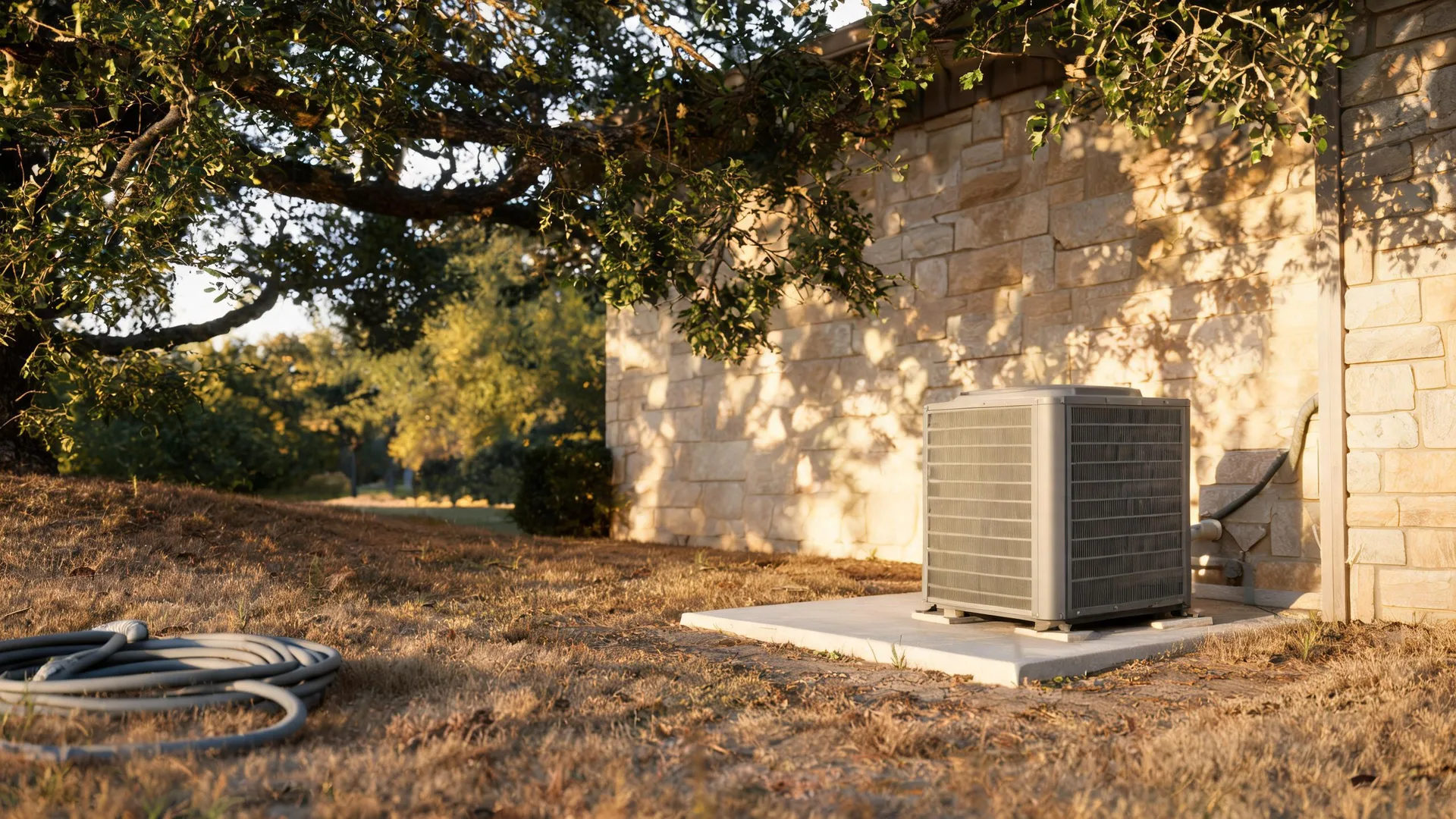
A gray heat pump outdoor unit mounted on a concrete pad next to the stone-accented exterior wall of a house.

Built in 1983 or later, it's worth fixing

If the house came with the heat pump, check the paperwork or ask the installer how old the unit is before deciding anything. A newer system that's short cycling or icing up usually has a worn part behind it, not a worn-out machine. Get that part replaced and it should run fine for years yet.

A refrigerant leak doesn't stay small

A heat pump low on refrigerant keeps running because the thermostat is still calling for heat. The compressor keeps trying to move refrigerant that isn't there in enough volume, and it runs hotter than it should every hour it's on. Left alone, that heat kills the compressor, which turns a refrigerant fix into a full replacement.

Ice left to spread stops the whole system

A little frost on the outdoor coil is normal in defrost cycles. Ice that doesn't clear means the defrost cycle isn't working or airflow is blocked, and once it builds it insulates the coil so it can't pull heat from the air at all. The unit keeps drawing power and producing less heat the longer it's left running like that.

A few things are worth checking before anyone comes out. Look at the outdoor unit and clear away leaves or snow piled against it, since blocked airflow alone can cause a lot of what feels like a bigger problem. Check the air filter inside, a clogged one chokes the system and makes it run long without catching up to the thermostat. Walk around the house and make sure no vents are closed off or blocked by furniture. Look at the thermostat settings, a schedule change or a battery running low can look exactly like a failing unit. If the outdoor coil has a heavy, even coat of ice rather than light frost, that's not something to chip off yourself, that calls for a tech.

A diagnostic starts outside at the unit itself. A tech checks the refrigerant charge, since low refrigerant is one of the most common reasons a heat pump runs long without catching up. They'll check the defrost cycle too, making sure the unit actually switches into defrost and back out the way it's supposed to, rather than icing over and staying there. Airflow gets checked next. That means the filter, the coil, and whether anything's blocking the outdoor unit. Electrical readings on the compressor and the fan motor tell a tech whether a part is drawing more power than it should, which usually means it's wearing out before it fails outright. None of this takes guesswork. The readings either match what a healthy system looks like or they don't, and that's what points to the actual part behind the problem.