Winters here stay mild
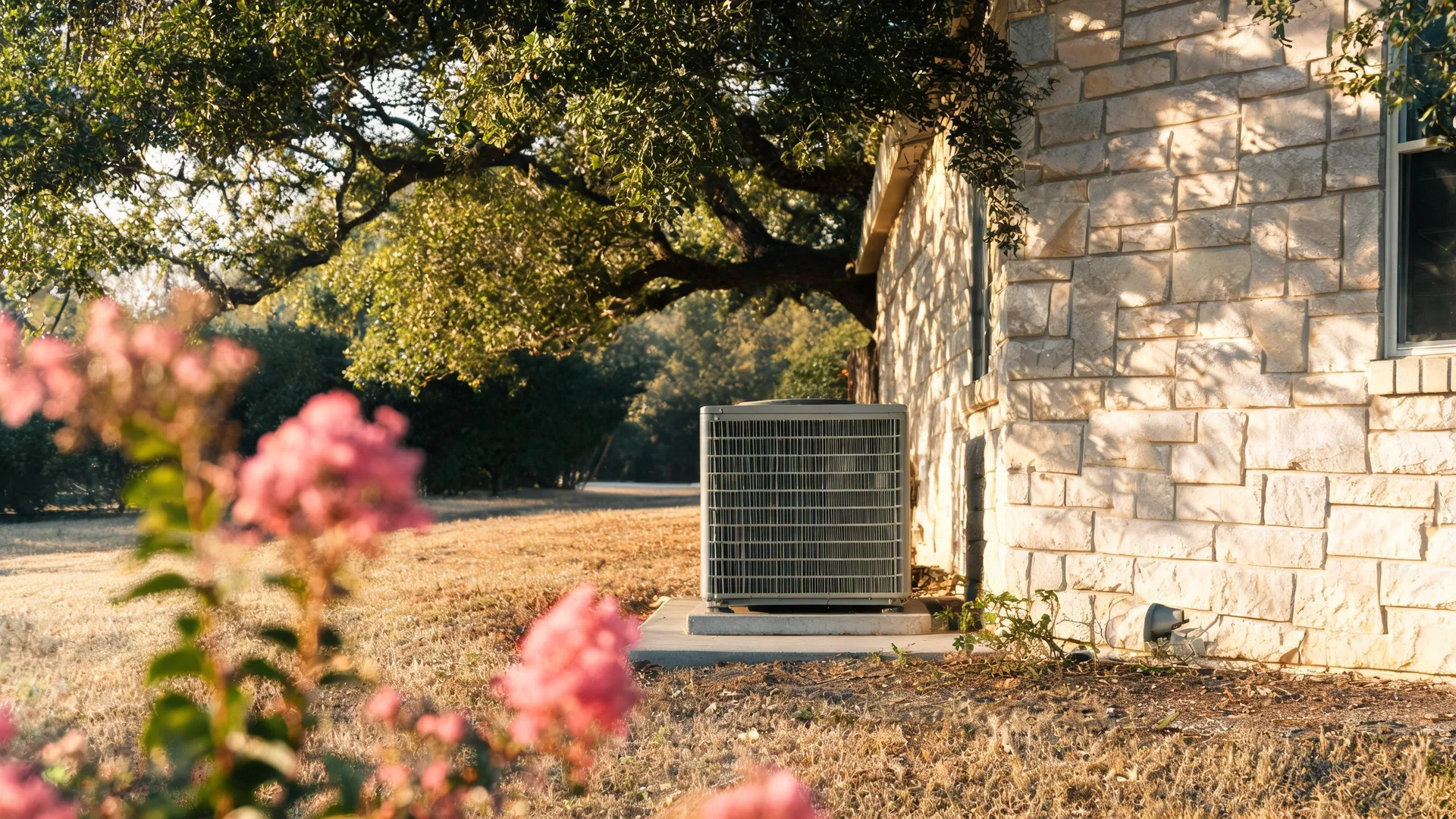
Overnight lows in Redding average 32°F through December, January and February. A heat pump isn't fighting single-digit cold to keep a house warm, and that's the hardest work this machine ever does.
Takes about a minute. No obligation.
Overnight lows in Redding average 32°F through December, January and February. A heat pump isn't fighting single-digit cold to keep a house warm, and that's the hardest work this machine ever does.
A heat pump that hasn't been run into the ground by extreme cold is more likely to have years left in it. When one here breaks down, age or a neglected filter is a more likely cause than the system being worn out from overwork.

NOAA nClimDiv, 1991–2020 normals
Half the homes in Shasta County were built in 1982 or later.
A heat pump that came with a newer house still has years of work left in it, which usually makes repair the right call.




A heat pump that's short cycling, icing up or blowing lukewarm air isn't just annoying. It's pulling power the whole time it runs, and at 31.97 cents a kilowatt-hour that adds up fast. A stuck reversing valve or a failing capacitor makes the compressor work harder for less heat, every single cycle. That's not a problem that gets cheaper by waiting. Get a contractor to look at it now, while the fix is likely still a repair and not a replacement.
If your heat pump came with the house, there's a good chance that house was built in 1982 or later. A system that age still has years of work left in it. Get a contractor out to find the actual problem instead of assuming the worst.
Find a contractorNine to one, this county sees winter storms more than hail, and almost all of them pass without wind strong enough to damage anything. A heat pump here runs its whole life without getting beaten up by the weather around it. If yours is acting up now, that's worth a look before anyone writes it off as worn out.
A capacitor that's starting to fail makes the compressor pull harder to start each cycle. Run it that way long enough and the compressor windings take the damage instead of the capacitor. Replacing a capacitor is simple. Replacing a compressor is not.
Once frost starts building on the outdoor coil, the system loses its ability to shed heat properly, and the ice only grows from there. A heat pump kept running in that state is starving itself of airflow while still drawing full power. Left alone, it can push liquid refrigerant back into the compressor, and that kind of failure isn't a quick fix.
Most heat pump failures trace back to a handful of parts, and the reversing valve is a common one. It's what lets the system switch between heating and cooling, and when it sticks, the unit can blow the wrong temperature air or get stuck running one mode no matter what the thermostat asks for. The contactor is another. It's a small switch that sends power to the compressor and outdoor fan, and its contacts pit and wear down from years of arcing every time the system cycles on. A failed run capacitor shows up the same way, as a unit that hums but won't start, or a fan that spins slow. A dirty outdoor coil causes trouble too, since it stops the system from shedding heat properly no matter how well the rest of it runs. None of these are the compressor itself, but ignored long enough, any of them can take the compressor down too.
A repair decision usually comes down to what's actually broken, not how old the label says the unit is. A reversing valve, a capacitor, a contactor, a dirty coil, these get replaced on their own and the rest of the system keeps going. The compressor is the one part that changes the math. It's the most expensive thing in the cabinet, and when it fails, a lot of contractors will tell you straight that putting a new compressor in an old system doesn't make sense next to replacing the whole unit. So the real question isn't how long you've had it. It's whether the problem found so far is one of the parts that gets fixed, or the one that doesn't.