

Keep running it
The noise doesn't go away on its own. Whatever's loose or wearing keeps working under load every time the compressor cycles, and most failures get more expensive the longer they run.
After you send the request, you're done searching.
Send it todayYou walk by the outdoor unit or the air handler and hear something you haven't heard before, a bang, a rattle, a high squeal, or a grinding sound, and your first thought is whether it's safe to leave the system running. Noise like this usually means something has worked loose, worn down, or started rubbing against something it shouldn't. With Anaheim summers putting long hours on your AC, parts that are starting to fail tend to speak up through sound before they fail outright.
A bang or rattle when the compressor starts usually points to a loose panel or a part inside the outdoor unit that has worked free. A high squeal often means a belt or bearing is wearing down, though plenty of central systems run without belts at all, so that sound more often traces back to the blower motor itself. A grinding or scraping sound is a warning that something is making contact it shouldn't, like a fan blade that has shifted and is hitting its housing. None of these get quieter on their own. With your AC running long hours through an Anaheim summer, a part that's already under strain from the heat is more likely to be the one making noise, and it's worth having someone look at it before it stops working altogether.

You're out back around seven, the sky still that late-August gold, and the heat hasn't let up any. The condenser should be humming along low and steady. Instead it's quiet in the wrong way, just a hum with no air moving. You walk over and the fan blade on top isn't spinning at all. No rattle, no bang this time, just a motor working against nothing. Inside, the air coming through the vents has gone warm. You crouch down near the unit and can feel the heat coming off the side panel. Nobody else in the house has noticed yet. You're the only one standing out here watching it not turn.
If the noise showed up today and the system still cools, you've probably got a little time, but not much. A grinding or screeching sound usually means a motor bearing is going, and that motor can seize. A loud bang on startup or shutoff points to a part that's worked loose inside the cabinet, and running it longer lets that part hit something it shouldn't. A rattle that gets worse through the afternoon, when the unit works hardest against the heat, often means something is loose and about to come apart rather than just vibrating. Keep running a unit like this and a simple repair can turn into a failed compressor or a burned-out motor, which costs you the whole system instead of one part.
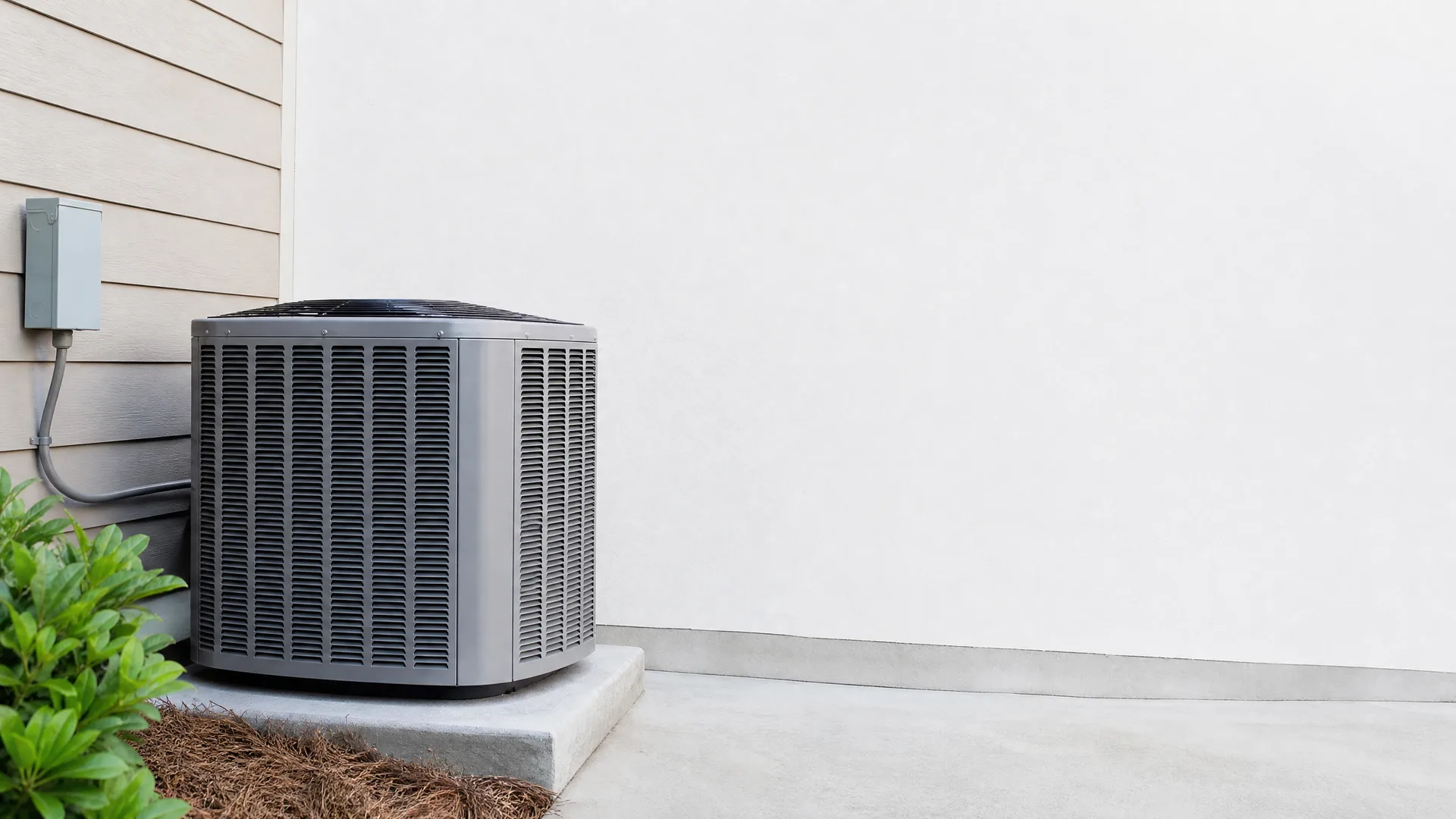
A rattle at the outdoor unit is often just a loose panel screw or a piece of debris caught against the fan guard. Those vibrate against sheet metal and sound worse than they are. A rattle from inside the compressor housing is different. That can mean a mounting foot has broken loose, and the compressor is knocking against the frame every time it cycles on.
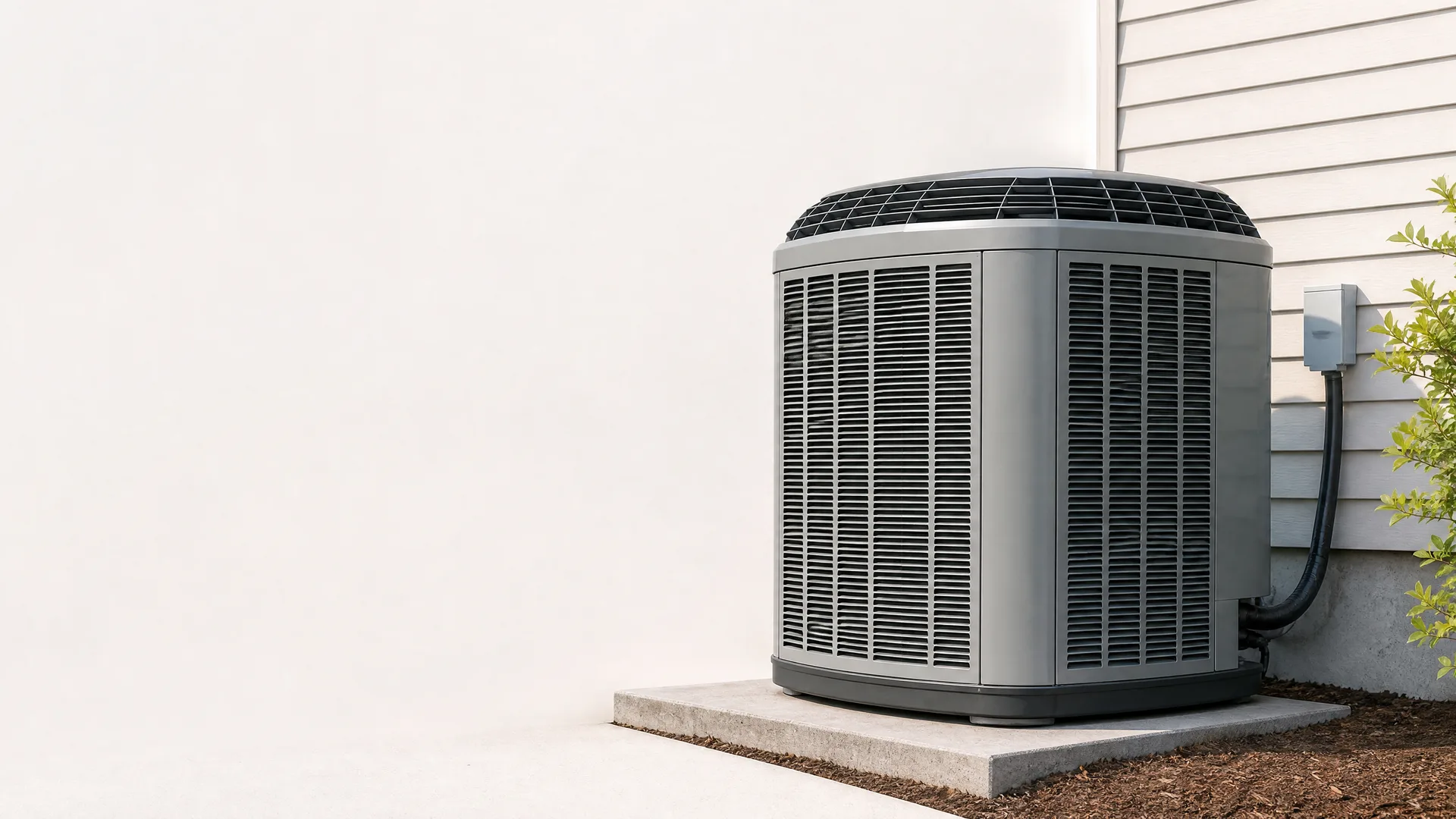
A high, steady squeal almost always comes from a motor bearing that's lost its lubrication, either the fan motor outside or the blower motor in the air handler. Unlike a belt-driven system, your AC runs the fan directly off the motor shaft, so there's no belt to slip or squeal. If the sound is a squeal, the motor bearing is the first place a technician will check.
Five months of cooling a year means your condenser logs real hours, June through October especially. A noise that shows up mid-run, when the unit's been pushing hard for weeks already, is often a part finally giving out under that load, not a one-time fluke.
NOAA nClimDiv 1991-2020








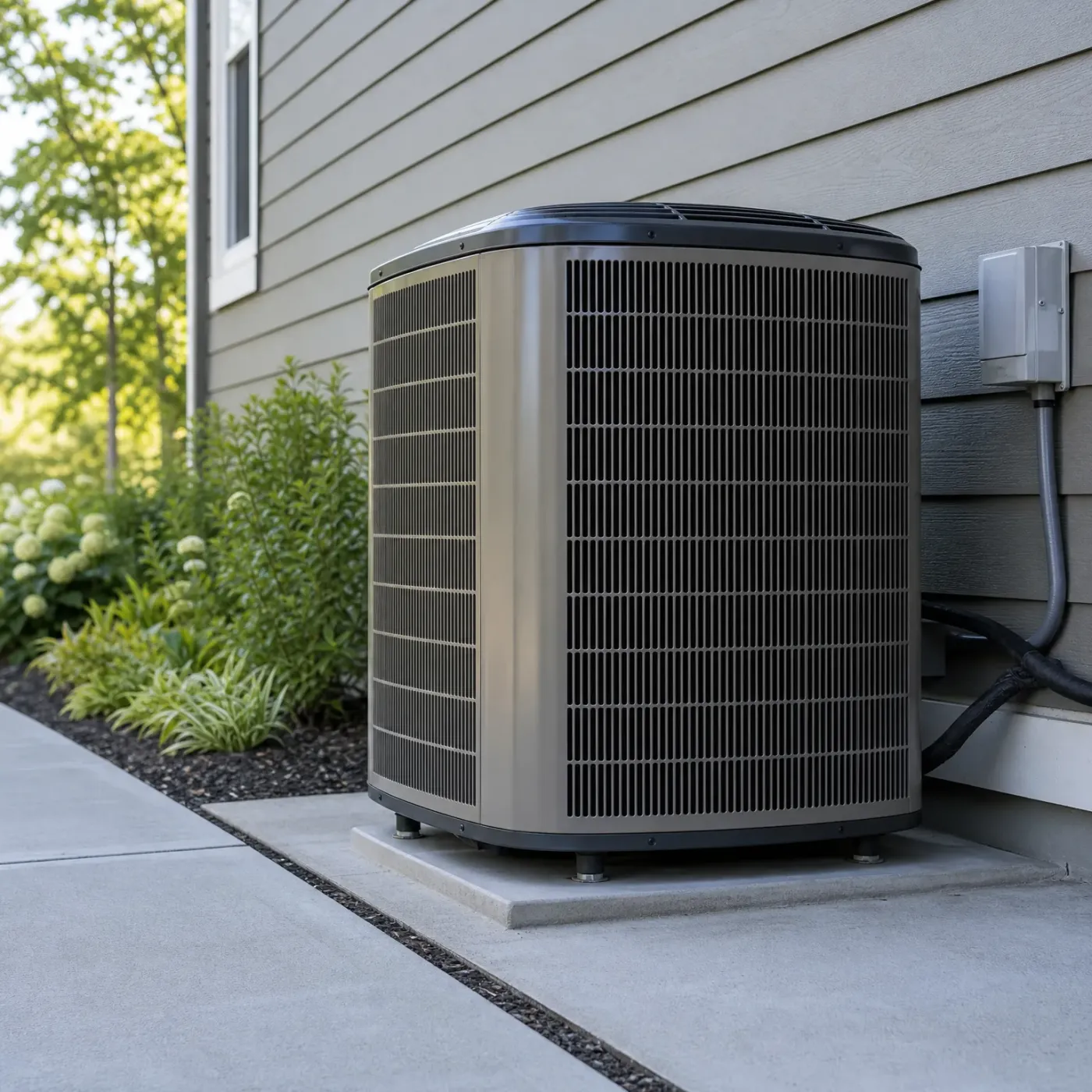
A licensed pro who repairs air conditioners in Orange County gets your request.
Send the request today and stop worrying about who to call.
There's no charge for the request.
A loose part or worn bearing starts vibrating out of balance.
The vibration grows louder as the part keeps turning under load.
Metal strikes metal, a fan blade, a shroud, or a failing motor.
Left alone, that part finally breaks or the motor seizes.


The noise doesn't go away on its own. Whatever's loose or wearing keeps working under load every time the compressor cycles, and most failures get more expensive the longer they run.
A local contractor who works on these systems every summer can usually tell a loose panel from a failing motor by the sound alone, then confirm it and fix it.
A loud noise from your AC is the system telling you something inside it has already started to fail, and the fix depends on whether it's a loose panel screw or a bearing on its way out. That's not something to guess at from the sound alone. A contractor who works on condensers and air handlers all summer in Anaheim has heard this exact noise before and knows which parts in these units tend to go first. You'll get matched with one licensed local contractor, not a handful of companies competing for the job, so you're dealing with one person who shows up knowing your system rather than explaining it from scratch to whoever calls back first. Once you send the request, the search is off your plate. The noise won't fix itself, but figuring out what's causing it no longer has to be your problem to solve alone.
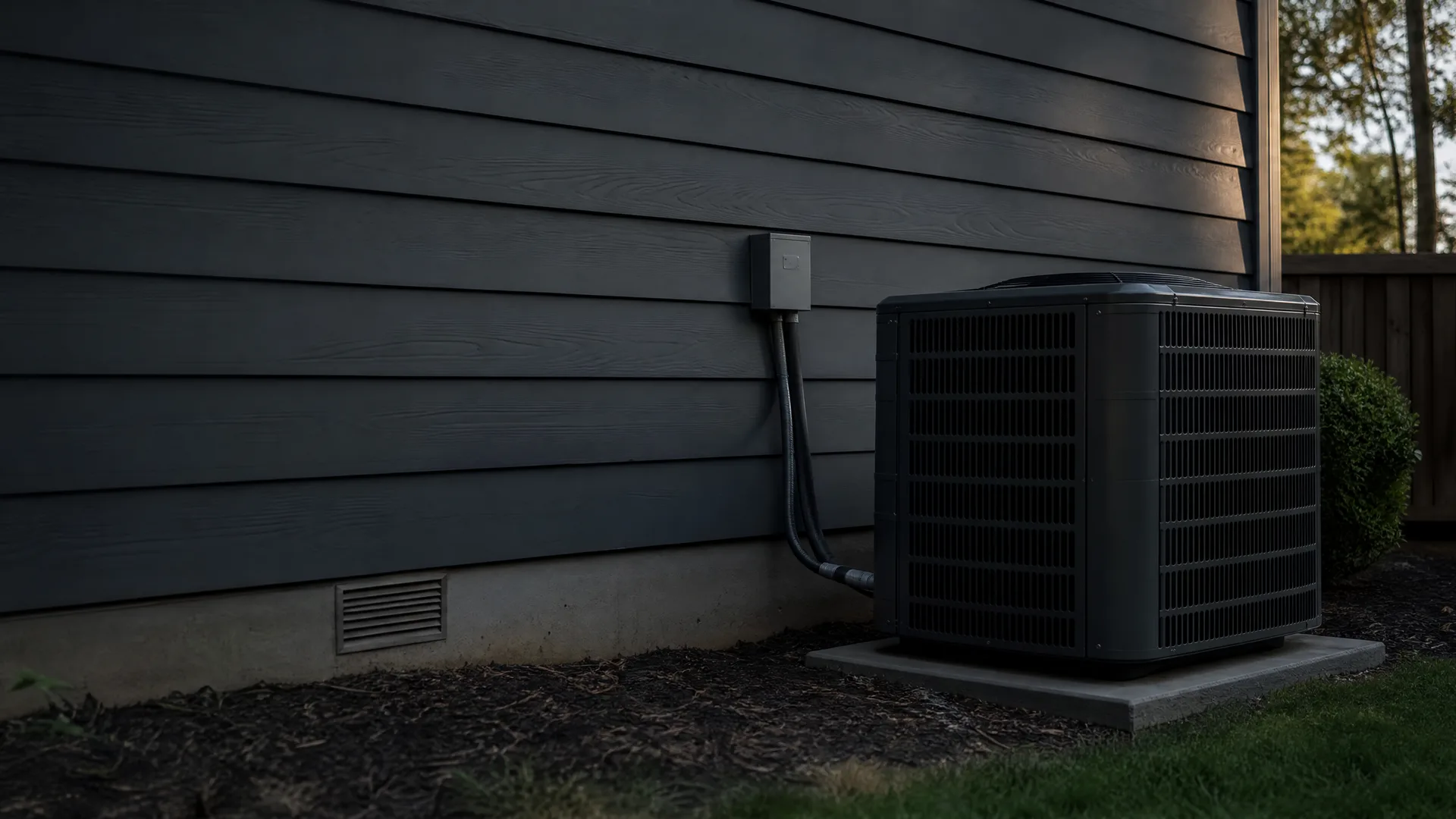
The pro who gets in touch is licensed in California and works in Orange County.