32°F average low
That's the typical nighttime temperature in Fresno this time of year, cold enough to frost the outdoor coil and trigger a defrost cycle that sends cool air through the vents for a few minutes.
A heat pump blowing cold air in the middle of winter usually means it is stuck in the wrong mode or it is losing the fight against the cold outside. On a cold night, a heat pump has to pull heat out of outside air that has little to give, and if the outdoor coil has iced over or the reversing valve has stuck, the air coming out of your vents can turn cool or even cold. Sometimes it is simpler: a thermostat set to fan instead of auto will push air through the house even when the system isn't heating it at all. A few degrees of cool air during a defrost cycle is normal and should pass in minutes. Air that stays cold, or a system that keeps running without ever warming the house, is not something to wait out. It points to a part that needs a contractor's attention before it leaves you without heat on a cold night.
Winter nights average 32°F
Nights here average 32°F in December and January, right at the point where a heat pump struggles most to pull warmth from the air.
Heat runs October through May
Heat runs October through May here, eight months of the year your system has to keep up with, not just a few cold weeks.
Cooling runs June through September
Cooling runs June through September, so the same unit switches modes twice a year and either switch can go wrong.
NOAA nClimDiv 1991-2020

Heat pumps push out air that is cooler than your skin even when they are heating the house. Air coming out of the vent at 90 to 95 degrees still feels cool next to your 98.6 degree hand. Put a thermometer in the airflow before you call it broken. If the number is in that range and climbing toward room temperature over a few minutes, the system is doing its job. The cold feeling at the register is normal. A cold house after an hour of running is not.

If the air at the vent stays cold, not cool, and the house keeps losing ground, something has gone wrong. The reversing valve may be stuck in cooling position, the outdoor unit may have iced over without defrosting, or the system may have lost refrigerant charge. On a 32 degree night in Fresno County, a heat pump already has little heat to pull from the air outside. Add a stuck valve or a low charge and it has none left to give the house.
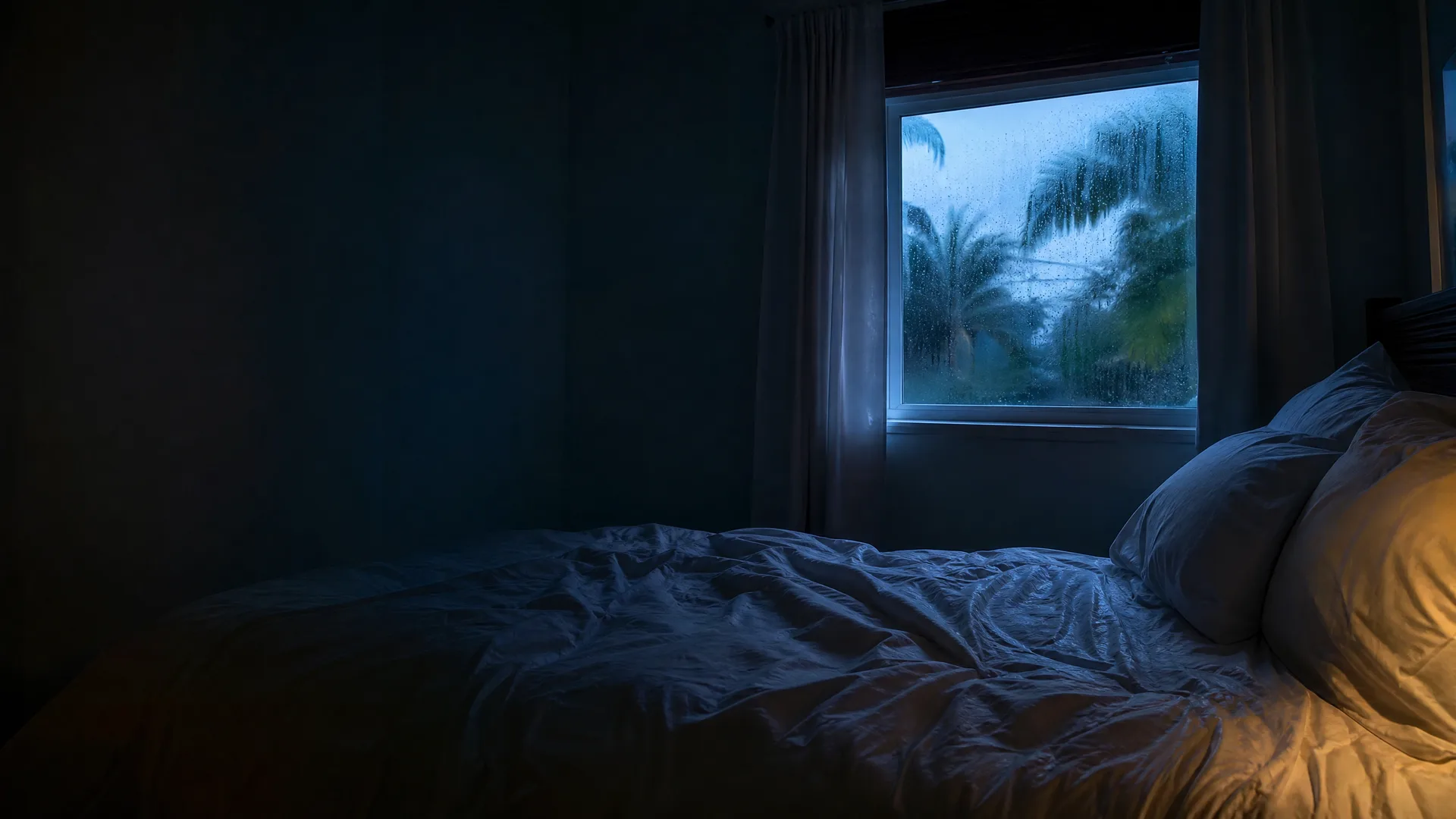
It's a few minutes past eleven on a December night and the thermostat says 68, but you're sitting in the living room in a sweatshirt with a blanket over your knees. The vent above the couch is running, you can hear it, but the air coming out of it is just barely warm, nowhere near enough to touch the chill that's settled into the room. Outside it's close to freezing, the kind of Fresno night where the cold sits low and doesn't move. You hold your hand up to the vent anyway, waiting for it to change. It doesn't. You turn the thermostat up two more degrees and go check on the kids before bed.
A cold vent on a December night in Fresno might be a normal defrost cycle running its course, or it might be a reversing valve stuck the wrong way, a low refrigerant charge, or a thermostat calling for heat the system can't deliver. Telling those apart means checking refrigerant pressures and the valve itself, not just standing by the vent. A contractor who works heat pumps around Fresno through winters like this one has seen most of what causes it and knows which checks come first. Fill out what's happening at your house and it goes to one contractor local to the area, not a handful competing for the job. You get a system that heats the house instead of one that argues with the cold outside air all night.
The reversing valve is what makes a heat pump different from a plain air conditioner. It is a small metal cylinder near the outdoor unit with a sliding piece inside that directs refrigerant one way for cooling and the other way for heat. The thermostat does not move that valve directly. It sends a signal to a solenoid mounted on top of the valve, and the solenoid pushes the slide into position. When that solenoid is weak or has failed, the slide can stay wherever it last sat, often in cooling position, so the system keeps pushing cold air no matter what the thermostat is set to do. A valve can also get stuck halfway, letting refrigerant leak across both sides at once instead of fully switching over, which is different from a clean failure and harder to catch without gauges. Refrigerant charge plays into this too, though in a quieter way. A system low on refrigerant usually does not blow cold outright. It keeps running and keeps calling itself a heating cycle, but there is not enough refrigerant moving to carry heat to the indoor coil, so the air comes out barely warm rather than cold. On the outdoor side, a failing run capacitor can let the fan or compressor stall mid-cycle, pulling in cold outside air without ever completing the heat transfer. And if the outdoor coil frosts over past 40 degrees, a bad defrost sensor or control board reading can keep the system from switching back to heat on schedule.




That's the typical nighttime temperature in Fresno this time of year, cold enough to frost the outdoor coil and trigger a defrost cycle that sends cool air through the vents for a few minutes.
How long a normal defrost cycle runs before the system switches back to heat. If cool air lasts longer than that, something else is likely wrong.
Walk through the house and check. The thermostat might say 68 but the rooms don't feel like it. You're reaching for a sweatshirt indoors, the kids are asking for another blanket, and the vents are running almost constantly instead of cycling off like they should. If you put your hand up to one, the air feels cool, not warm, and it's stayed that way longer than a few minutes. That's the difference between a defrost cycle doing its job and a system that's lost its ability to heat at all. Left alone on a cold night, the house keeps losing heat faster than the system can replace it, and by morning the indoor temperature can be noticeably lower than what the thermostat was set to hold.

A heat pump like this cycles refrigerant between the outdoor coil and the indoor coil without trouble, switching modes as the thermostat calls for it. The coil fins stay clear, so outside air moves through them the way they were built to move. In December that matters, because the colder it gets, the harder this unit already has to work to pull heat out of the air.

A coil this dirty can't pull heat from the air the way a clean one does, so the system runs longer and still falls short on cold nights. Dirt and debris packed into the fins block airflow the same way ice does during a defrost cycle, except this won't clear itself. If the vents are running cool more often than they used to, this is worth a look.




At 38.45 cents per kilowatt-hour, a heat pump stuck blowing cool air instead of heating isn't just uncomfortable, it's running up your bill while it fails to do the job. A stuck reversing valve or low charge means the system draws power without warming the house.
EIA-861 2025

This unit switches to heat on command and the coil fins stay clear, so air moves through them the way they were built to. No ice, no sticking valve, just warm air out of the vents when the thermostat calls for it.

Weathered cabinet, refrigerant lines running along an old foundation. A unit that has sat on the pad for years is the kind more likely to have a reversing valve starting to stick or a slow refrigerant leak, either one enough to leave you with cold air on a December night.

If the vents run cool for a few minutes and then warm back up, that was a defrost cycle, and nothing is wrong. If the air stays cool while the thermostat keeps climbing past where you set it, something in the system isn't doing its job: a reversing valve not sliding all the way, a refrigerant charge too low to carry heat, a thermostat calling for a mode the unit can't reach. You don't have to know which one. You just have to know that 68 on the thermostat and a sweatshirt on the couch don't belong together on the same night.
A local contractor who works on heat pumps through winters like this one knows what tends to fail first in a system that's been through a few years of Fresno nights, and can tell you in person which of these it is. You'll be matched with one contractor, licensed to work in Fresno County, who takes it from there.


It costs nothing to send, and you don't have to hire anyone.
A furnace backup won't help if the heat pump itself is stuck in the wrong mode. A local contractor who works on these systems every winter can tell a normal defrost cycle from a stuck reversing valve in minutes, and you won't have several companies calling about the same request.