



Heat pump stuck on emergency heat in Anaheim, CA

RepairHeat PumpOrange County, CA
Step 1 of 2

What ZIP code is the job in?

A heat pump stuck on emergency heat usually means the outdoor unit has stopped running and the system has switched to its backup electric heat strips to keep the house warm. The thermostat flips into this mode on its own when it senses the outdoor unit isn't responding, often because of a tripped breaker, a bad contactor, a failed sensor, or low refrigerant. It isn't something you should leave running for long. Emergency heat uses electric resistance heat only, with none of the help from the outdoor unit, and with Orange County power rates among the highest in the country, that difference shows up fast on the bill. Winters here are mild, so the heat strips can mask the problem for weeks without the house ever feeling cold, which is how a small issue with the outdoor unit turns into a system that needs real repair. If your thermostat shows "emergency heat" or "aux heat" and won't clear, the outdoor unit needs a look before you keep running it this way.

A woman in a gray turtleneck sweater stands in a dimly lit room beside a large window, looking out at falling snow and a neighboring house with lit windows.
A woman in a cream turtleneck sweater stands beside a large window looking out at a snowy yard at dusk, with a warmly lit living room, lamp, sofa and shelves behind her.
A woman in a cream cable-knit turtleneck sweater stands in a warmly lit living room with a fireplace and shelves behind her, looking out a window toward snow-covered trees and a railed deck.
A woman in a gray turtleneck sweater stands by a window looking outside at snowy ground, with a dimly lit living room containing a sofa, shelves, lamp and a lit candle behind her.

Why would a heat pump even need to run emergency heat here?

  • Winter nights average 47°F

    Nights average 47°F in winter, cold enough for the outdoor unit to work for hours, which is when a stuck switch to backup heat shows up.

  • Heat runs December through March

    Heat only runs December through March here, so a heat pump stuck on emergency heat can sit unnoticed until the next cold stretch.

  • Cooling runs June through October

    Cooling runs June through October, meaning the heat pump's outdoor unit goes idle for months before winter asks it to switch over and work again.

NOAA nClimDiv 1991-2020

You switched it on yourself

If you flipped the switch to emergency heat because the outdoor unit was making noise, icing up, or blowing cold air, the system is doing exactly what you told it to do. It will stay on the electric heat strips until you switch it back to normal. That's worth knowing because the fix here is simple: once a contractor finds out why the outdoor unit was struggling and clears it, you turn the switch back and the heat pump runs the way it should. Your power bill will reflect the strips while it stays in this mode, since they draw far more than the outdoor unit does.


It switched over on its own

If nobody touched the thermostat and it jumped to emergency heat by itself, the control board decided the outdoor unit wasn't responding and locked it out. That points to something electrical: a tripped breaker, a failed contactor, a bad sensor telling the board the unit isn't running when it is. This isn't something to reset and hope it holds. A heat pump that locks itself out at 47°F overnight will keep doing it until the actual fault gets found, and every night it runs on strips instead of the outdoor unit costs more than it should on a power bill like yours.

A man with graying hair and a beard in a plaid flannel shirt looks out a frosted window, with a steaming ceramic mug on the wooden sill and shelves behind him.
A bearded man in a blue T-shirt sits on a gray couch smiling while looking down at a laptop screen, with a houseplant and window in the blurred background.

A heat pump doesn't make heat the way a furnace does. It pulls warmth out of the outdoor air and moves it inside through a reversing valve and a refrigerant cycle, and that work happens outside, in the compressor and fan. If either stops, the house still needs heat, so the system falls back on electric heat strips inside the air handler instead. That's what emergency heat is. It skips the outdoor unit entirely and warms the air with resistance heat, the same idea as a space heater.

The switch to backup heat is supposed to be temporary, a stopgap while something outside gets fixed. But the system doesn't always know the difference between a real problem and a false alarm. A fault board in the outdoor unit, a broken low-voltage wire, or frost that never clears off the outdoor coil during a defrost cycle can all force the switch to emergency heat and leave it there. The compressor itself can be fine. Something upstream of it, a signal, a connection, a sensor, just isn't getting through.

How a heat pump actually heats

  • A heat pump moves heat from outdoor air into the house using a reversing valve and a refrigerant cycle, not a flame.
  • The outdoor unit has a compressor and a fan, and both have to run for the system to heat the house normally.
  • Emergency heat bypasses the outdoor unit entirely and runs electric heat strips inside the air handler instead.
  • A fault board in the outdoor unit or thermostat wiring can force the system into backup heat even when the compressor is fine.
  • A low-voltage signal from the thermostat tells the outdoor unit to run, and a broken wire or bad connection can keep that signal from ever arriving.
  • Frost on the outdoor coil that fails to clear during the defrost cycle can trip the system into backup heat until someone resets it.
An outdoor air conditioner condenser unit on a concrete pad beside a house with horizontal lap siding, with a gray electrical disconnect box and conduit on the wall and bare dirt and mulch in the foreground.
Before you get your heat pump repair
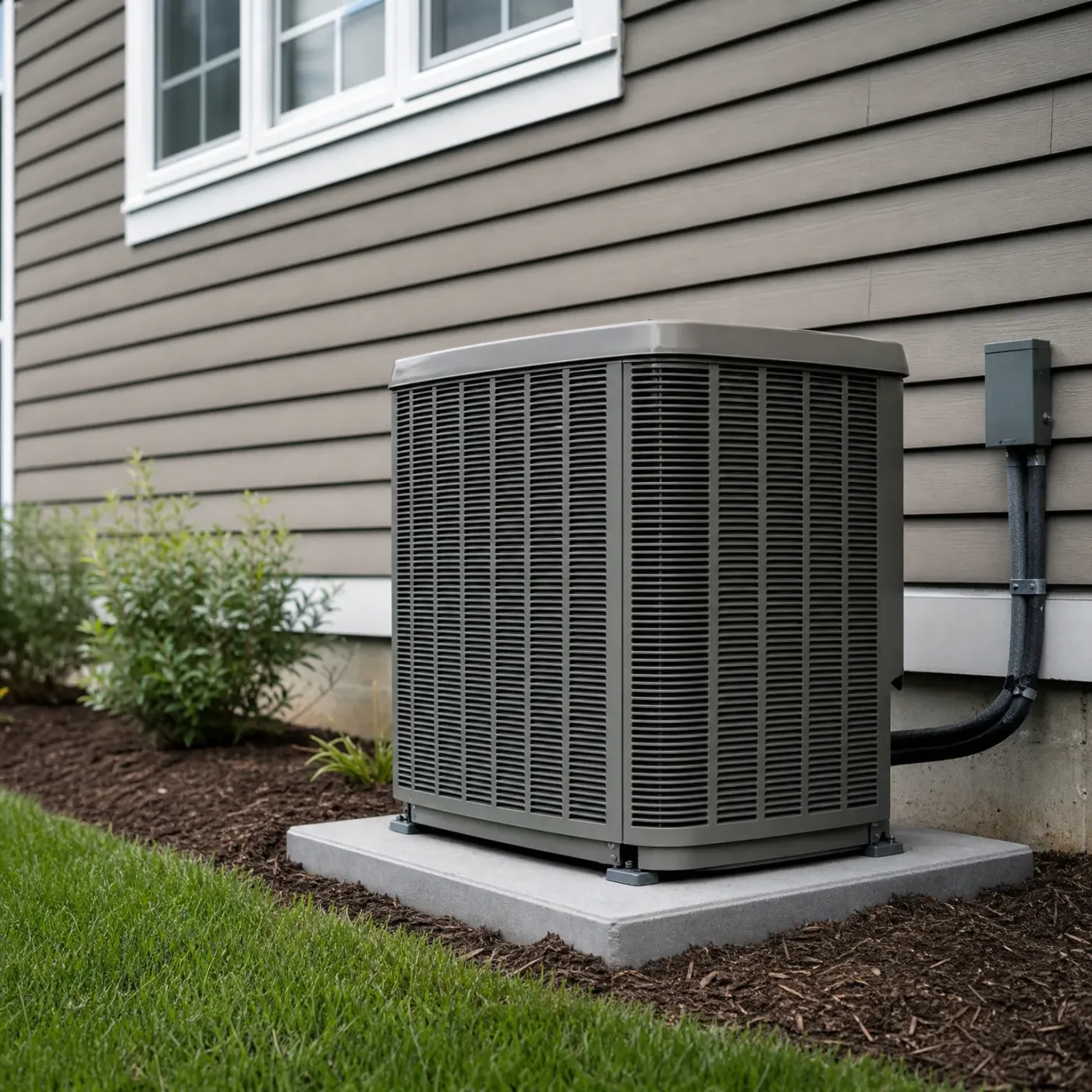
A gray outdoor heat pump unit with a large fan grille sits on a concrete pad beside a house with horizontal lap siding, next to a green shrub, mulch bed, and lawn.
After you get your heat pump repair
An outdoor condenser unit on a concrete pad beside a house with horizontal lap siding, with an electrical disconnect box and conduit on the wall, mulch bed, shrubs and lawn nearby.

Matched to your heat pump job

The pro who reaches out is licensed in California.

Your request goes to an Orange County pro who takes heat pump jobs.

Request a pro

Asking costs nothing, and the choice to hire stays yours.

Why is your electric bill suddenly so high?

Electric heat strips pull a lot more power than the outdoor unit does, and power here already costs more than in most of the country. If your heat pump has been stuck on emergency heat for a few days, you have probably already noticed the air coming out of the vents feels warmer than usual, almost hot, and the outdoor unit sits quiet even when the house is calling for heat. The longer it runs this way, the more it shows up on your bill. A heat pump left on backup heat through a stretch of cold nights can cost you far more to run than the same hours on the outdoor unit alone.

A gray outdoor condenser unit on a concrete pad beside a white horizontal-siding house, with refrigerant lines and conduit running to a wall-mounted disconnect box, bare soil in front and a green shrub at left.

The outdoor unit running as it should

The condenser sits clean on its pad, lines and wiring running into the disconnect box. When it's working, this is the unit doing the heating, pulling warmth from the outside air instead of the strips inside taking over.

A weathered outdoor condenser unit on a concrete pad beside a house with light horizontal siding, surrounded by bare dirt and a shrub.

The outdoor unit that's stopped pulling its weight

This condenser is caked in dirt across the grilles and top panel. A unit this dirty can't move air through its coil the way it needs to, and that's one of the things that leaves a heat pump stuck running on backup heat alone.

What makes the thermostat switch to emergency heat on its own?

You didn't touch the thermostat, but it's showing emergency heat anyway. That only happens because the control board decided the outdoor unit isn't doing its job, not because you asked for backup heat. Knowing what trips that decision helps you figure out whether this is something quick or something that needs a contractor out to the condenser.

The thermostat switches on its own when it stops getting a signal that the outdoor unit is running

Inside the outdoor unit, a control board tells the compressor and fan to start. If that signal never comes back, because of a tripped breaker, a failed contactor, or a compressor that won't start, the thermostat reads that as the outdoor unit being down. It switches to the electric heat strips on its own so the house doesn't go without heat. The thermostat has no way to tell you why the outdoor unit stopped responding, only that it did. With nights near 47°F, a system that can't fall back on the outdoor unit will lean on the strips for hours at a time, and that's usually what makes a homeowner notice something is wrong.

A gray outdoor condenser unit on a concrete pad beside a beige vinyl-sided house, with a wall-mounted disconnect box, flexible conduit, mulch bed, shrubs and a concrete walkway in front.
The condenser runs clean and clear, pulling in outside air so the strips inside stay off.
An outdoor air conditioner condenser unit on a gray composite pad beside a house with horizontal lap siding, with refrigerant lines and a conduit running to a wall-mounted disconnect box, and a shrub at left.
Years of dirt caked into the coil choke the airflow the outdoor unit needs to heat the house at all.
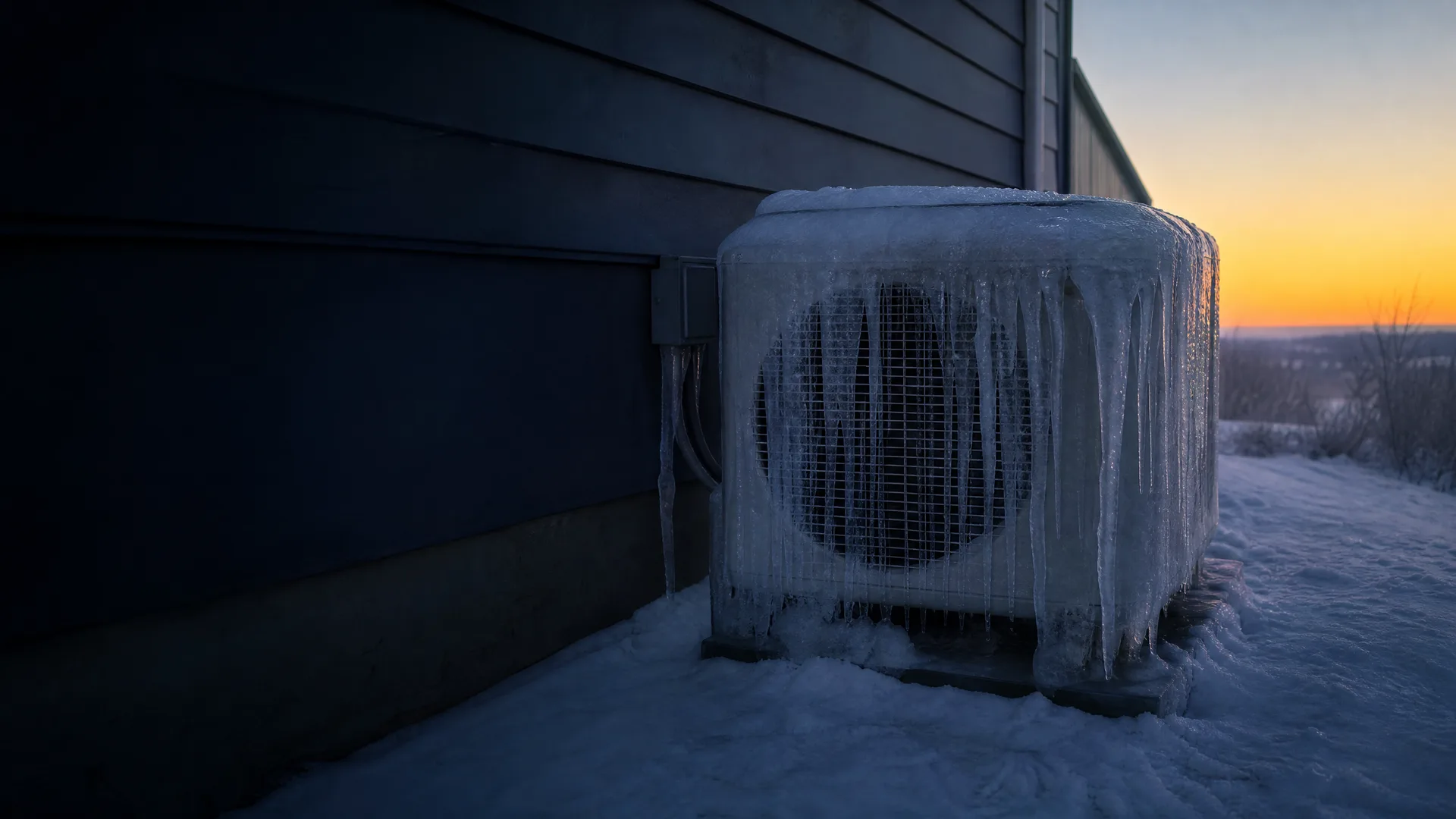
An outdoor heat pump unit encased in thick ice with hanging icicles, standing on snow beside a dark wood-sided building at dusk.

Six in the morning, still dark in the side yard. You go out to check on the condenser because the house has felt wrong for two days, air coming out of the vents but never quite warm. The flashlight catches it first on the top grille: ice, thick, covering the coil in a solid white shell, a few inches of it built up along the fan housing. Nothing is turning. No hum, no fan spinning behind the grille, just the tick of the sprinkler timer somewhere nearby and your breath in the cold. The thermostat inside reads emergency heat. Forty-seven degrees last night, same as most nights this time of year, and the unit never cleared itself the way it should have.

Power here costs 32.40 cents per kilowatt-hour

Electric heat strips can run for days before anyone notices the bill, and at this rate the difference shows up fast. A heat pump stuck on backup heat for even a few days costs a lot more to run than the outdoor unit ever would.

EIA-861 2025

Where This Leaves Your Heat Pump

  • Emergency heat that stays on past a day or two means the outdoor unit isn't doing its job, not a thermostat glitch.
  • Switching the thermostat back to normal heat without fixing the outdoor unit just sends the house back to cold air or no heat at all.
  • A frozen coil, a dead compressor, or a tripped breaker on the condenser all land the system on the same backup heat, and each needs a different fix.
  • Every day on the strips runs the electric bill up fast, since backup heat pulls far more power than the outdoor unit ever does.
  • A local contractor who works on heat pumps through Orange County winters has likely already seen whatever stopped your outdoor unit.
  • Matching you with one licensed contractor means a single visit to figure out which part failed, not several companies chasing the same call.

Emergency heat is doing its job. It's keeping the house warm while the part of the system that's supposed to be running, the outdoor unit, sits idle. That's the whole story here. The thermostat didn't glitch and the strips aren't broken. Something stopped the condenser, whether that's a frozen coil, a failed compressor, or a breaker that tripped and didn't reset, and until that gets fixed, the system has no choice but to keep leaning on backup heat.

That's not a setting you fix from the thermostat. Flipping it back to normal heat before the outdoor unit is repaired just means cold air again, because the heat pump still can't do the work. The strips will keep carrying the house until someone gets out to the condenser and finds what actually failed.

A contractor who works on heat pumps through winters in Orange County has run into this before. Nights here get cold enough that outdoor units log real hours, and when one of them quits, it's usually one of a handful of things: ice that built up because the defrost cycle stopped working, a compressor that seized, a capacitor that gave out, a breaker that won't hold. Someone who sees this equipment every season knows where to look first.

You'll get matched with one licensed contractor local to the area, not a handful of companies competing for the same job. One visit, one diagnosis, and a clear answer on what it will take to get the outdoor unit running again so the strips can go back to backup, which is where they belong.

Sunlight falls across a cream-colored interior wall corner with white baseboard molding, a wood floor, a woven rug edge, a wooden furniture leg at left, and a window showing green foliage outside.
Empty room corner with beige walls, white baseboards, a white-framed window at upper left showing green foliage, and sunlight falling on a wood plank floor.
A corner of a room with beige walls, a window at left, a wooden two-door cabinet holding a pale ceramic vase with leafy branches, and a woven jute rug on a wood floor.
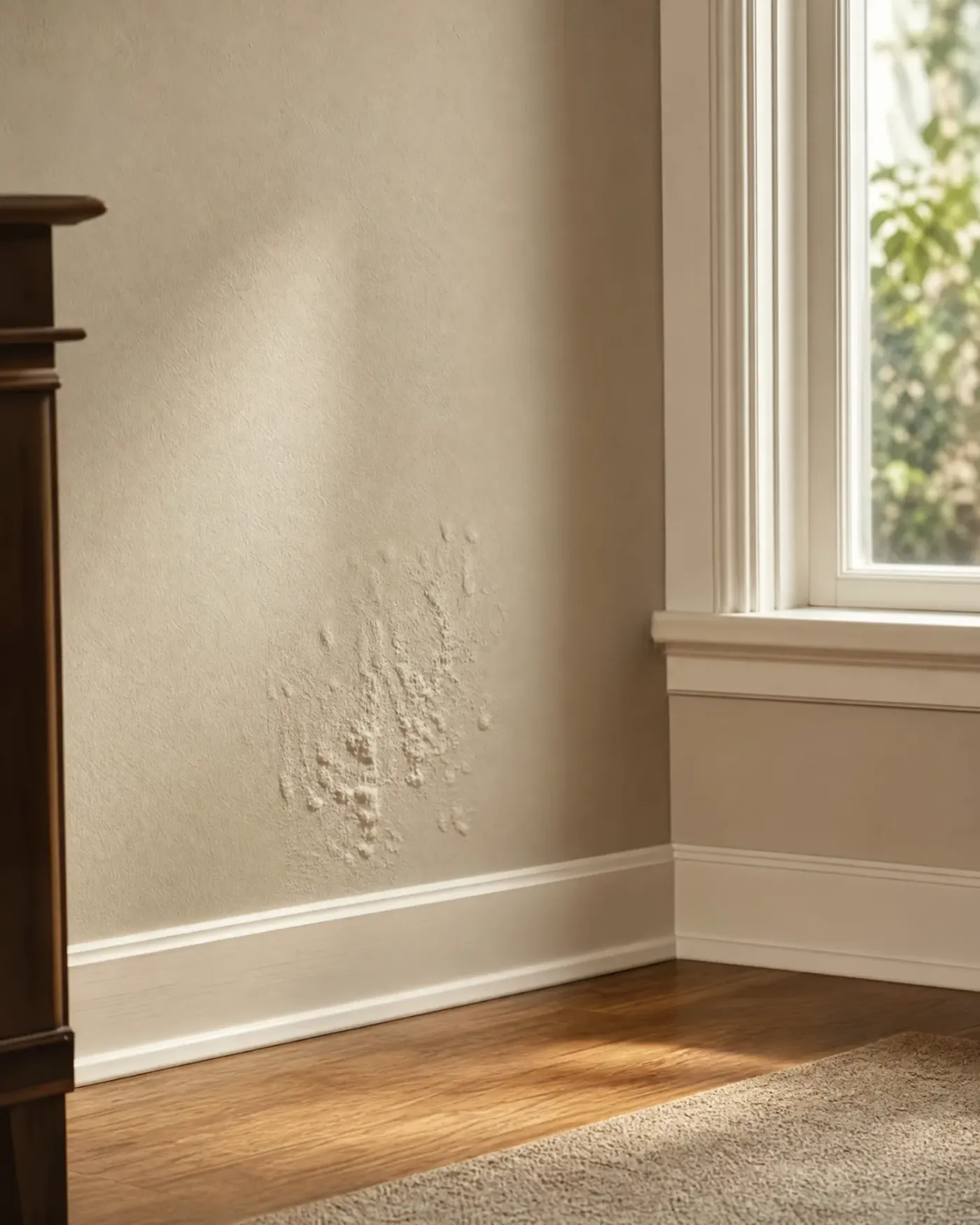
Interior room corner with a beige textured wall showing a patch of blistered, bubbled paint above white baseboard, next to a white-framed window with greenery outside, wood flooring and carpet edge below.
Empty room corner with beige walls, white baseboards, two windows with sills showing green foliage outside, and sunlight patterns on a wood plank floor.

A heat pump pro near you

Only one pro gets your request, so you hear from one company.

Find a licensed heat pump pro

No fee to send it, and nothing to sign.