
Running the way it should
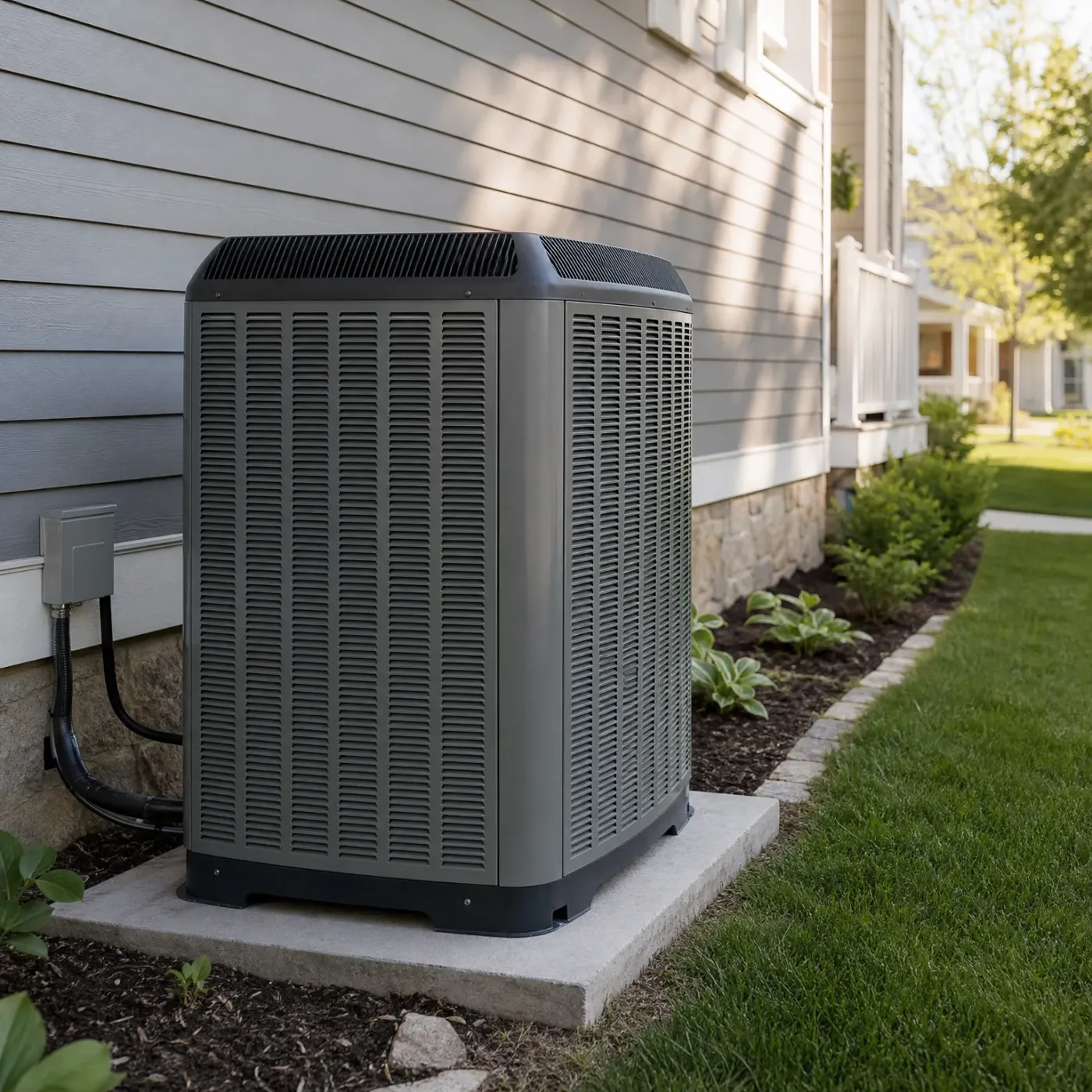
A heat pump that's working sits quiet on its pad, lines running clean into the wall. Air moves through the grille without strain. Nothing about it should draw your attention, and that's the point.
A heat pump that won't start at all usually points to something specific, and in a California home where it's handling both your summer cooling and often your heat too, a dead system gets your attention fast, especially with power costs what they are here. Before anyone comes out, it helps to know what actually stops a heat pump cold, so you're not guessing at the problem or paying for a guess.
A heat pump needs power getting to it, a thermostat telling it to run, and no safety switch tripped along the way. A blown fuse or tripped breaker cuts it off before it starts. A thermostat with dead batteries or a bad connection never sends the signal. Many units also have a float switch near the indoor coil that shuts the system down if condensate backs up, and a clogged line will trip it. Outdoors, a breaker at the disconnect box can trip on its own if the unit has been drawing too much current. None of these are things to force past. A contractor who works on heat pumps regularly can check each one quickly and find which part actually failed.

A heat pump with no power at all is usually simple. The outdoor unit has its own breaker in the panel, and often a separate disconnect box right next to it. Either one can trip or get knocked loose without you noticing, especially after a storm. If the indoor air handler runs but the outdoor unit stays silent, the problem is more likely the thermostat, a control board, or a failed capacitor than the power supply itself.

A heat pump moves heat rather than burning fuel to make it, which is why it can seem like it is doing nothing even when it is working. A unit stuck on cold air in winter usually means the reversing valve has failed, or the system has lost refrigerant charge. In most California homes the furnace still carries the real cold weather, so a heat pump problem often shows up first as a comfort complaint rather than a no-heat emergency.

Most houses in California heat with gas, but if yours runs on a heat pump, it's doing both jobs: the heat you feel in January and the air you feel in July. When it won't turn on, you're not just losing comfort for a night. You're running whatever backup you have, or nothing at all, until someone gets eyes on the unit.
Power here costs more than almost anywhere else in the country, so a heat pump that's cycling wrong or drawing current without actually running can show up on your bill before you even notice anything's off. A local contractor who works on these systems all year knows which failures are common in this climate and which parts tend to go first. Get matched with one who takes your call directly, and you're not stuck explaining your situation to a different company every time the phone rings.


A heat pump that's working sits quiet on its pad, lines running clean into the wall. Air moves through the grille without strain. Nothing about it should draw your attention, and that's the point.

A grille caked with dust and debris can't pull air through the way it needs to. The unit works harder for less effect, and the wiring running into the wall is one more place a loose connection can cost you power entirely.
You push the temperature up or down and wait. No click from the outdoor unit, no air moving through the vents, nothing. Maybe the screen itself is dark, or it's lit but the house never responds. If this started during a cold snap or a hot stretch, you've probably noticed the house holding whatever temperature it was already at, slowly drifting instead of adjusting. Since power here costs what it does, some households switch on space heaters or window units to get by while they figure out what's wrong, which shows up on the next bill. If your system has a gas furnace backup, you might still have heat and not realize the heat pump side is out until the next time you need it for cooling.






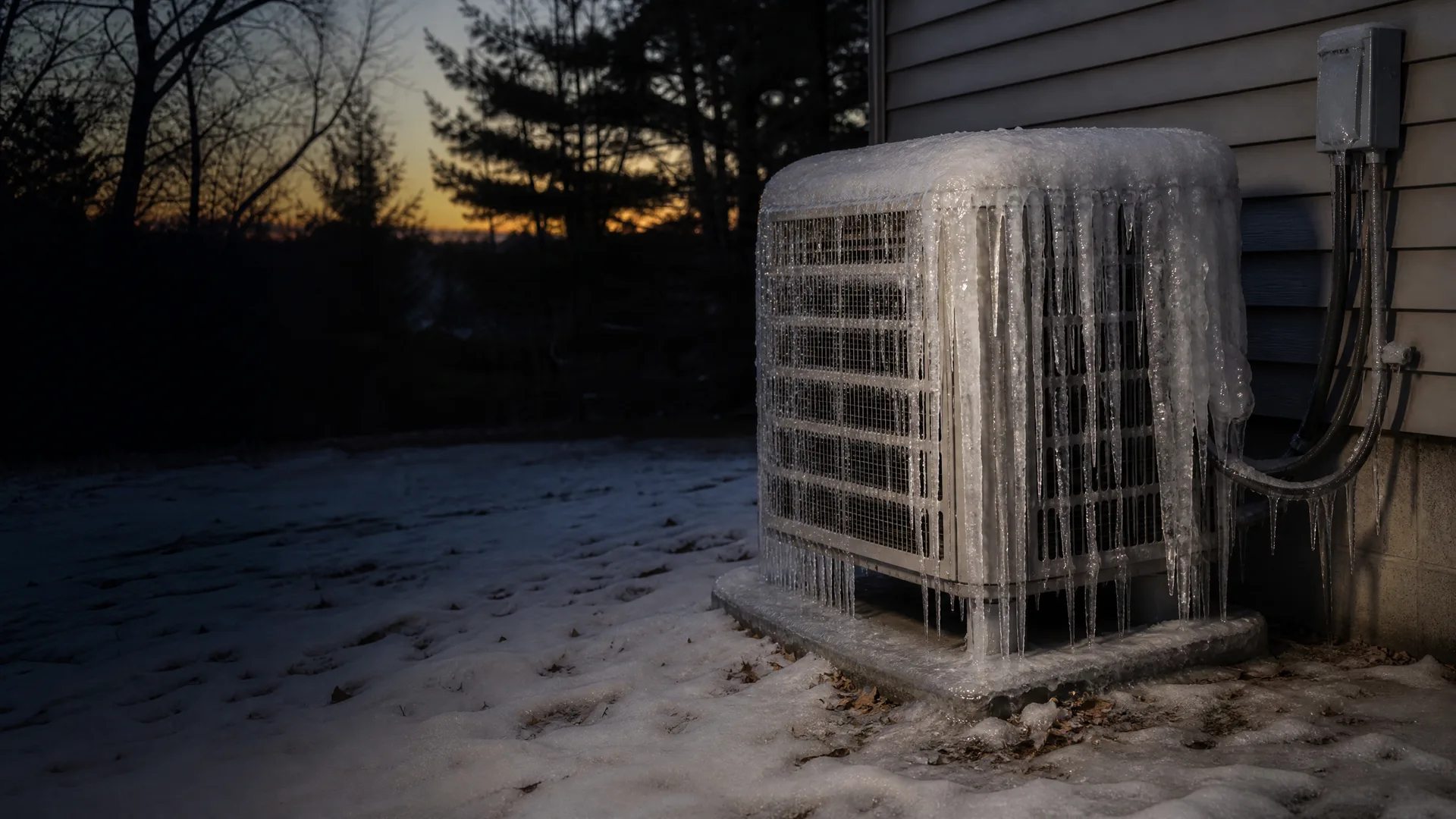
You go out for the paper and see it before you're fully awake: the outdoor unit wearing a thick coat of ice, the kind that doesn't belong on anything working right. It's barely light, cold enough that your breath shows, and the unit is silent under all that frost. You crouch down and touch the coil through a gap in the ice and pull your hand back fast. Inside, the house is running on backup, and you don't know for how long. You've seen frost on it before, a thin layer that burned off by nine. This isn't that. This is the kind that means something underneath has stopped working the way it should, and a local contractor who deals with this every winter would know what, just by looking.
Your request goes to one pro, not a list of companies.
There's no charge for the request.
Some causes of a heat pump that won't start clear up on their own. A tripped breaker you reset might hold, and a unit that iced over because of a settings change might thaw and run fine once it does. If that's what happened, you've lost a few hours, not the system. The trouble is you can't tell a tripped breaker from a failing compressor by looking at the thermostat. Both leave you with a dark unit and a quiet house. Waiting costs you nothing if the fix was simple. It costs you a cold house in January or a warm one in July if it wasn't, and power here isn't cheap enough to run space heaters or window units for long while you figure out which one you've got.
A licensed contractor who works on heat pumps in your area has seen this exact unit fail before, in houses built the same way yours was. They know which brands trip their breakers for no real reason and which ones fail at the board. That's not something you can read off the unit yourself. When you ask for help here, you're matched with one contractor, not a handful calling you back at once, and that contractor is local, which means they know what tends to go wrong with the equipment common in this area before they've even seen your unit.


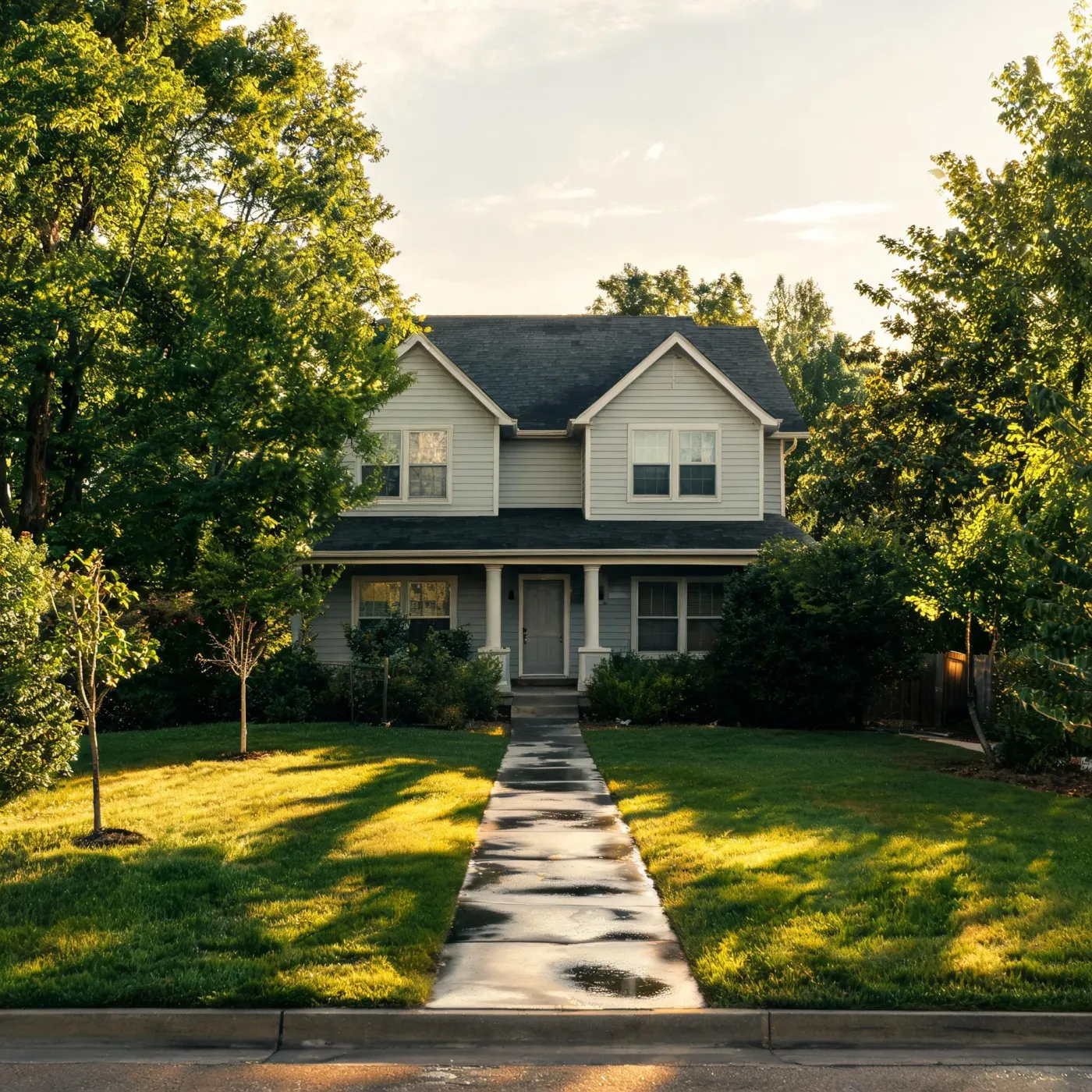
California air doesn't carry much moisture, with a summer dew point around 50°F, according to NOAA climate data. That's dry air, and a heat pump moves it easily when everything's working. But dry air also means the unit can run long hours on the hottest days without the humidity that would normally show up as water dripping from the line outside. If you don't see any condensate draining and the unit still won't start, that's not a sign anything's wrong with the drain. The dry climate just means that clue won't be there to help you figure out what is.
NASA POWER T2MDEW county cells weighted by homes


You can reset the breaker, check the disconnect, clear the grille, and see if that brings it back. Plenty of heat pumps start again after that. But if none of it works, you're left guessing at what's inside the cabinet, and a unit that's iced over or short cycling can point to more than one cause. Opening it up without the right gauges risks turning a simple fix into a bigger one, and refrigerant work isn't something to do without a license anyway.
A contractor who works on heat pumps all year has likely seen your exact symptom before, on a unit like yours, in weather like this. They carry gauges and parts you don't have, and they know which failures show up together and which ones don't. Finding one contractor who's licensed and local means someone shows up who already knows what tends to fail on these systems, rather than several companies competing for the same call. That's less guessing for you, and less time your house goes without heat or air.
At 31.35 cents per kilowatt-hour, a heat pump that's struggling to start and tripping its breaker over and over isn't a small drain. Running it on guesswork, swapping parts to see what sticks, costs more here than almost anywhere else, which is reason enough to get the actual cause found.
EIA-861 2025 statewide residential average
A heat pump that won't start is almost always one of four things. The breaker tripped, the disconnect got bumped, the coil iced over, or something inside the cabinet failed in a way you can't see from outside. The first three take a few minutes to check and sometimes that's all it is. The fourth is different. Capacitors, control boards, and sensors don't show themselves to someone popping the panel open for the first time, and guessing at which one is bad means buying parts you might not need.
That's where a technician who works on these units all year has the advantage. They've opened enough cabinets to know what usually goes in a heat pump that won't respond to the thermostat, and they can confirm it instead of guessing. When you ask to be matched, you get one local contractor, not a handful of companies bidding for the job and calling you all afternoon. One visit, one diagnosis, someone who already knows what tends to fail in units like yours.
None of this is urgent in the way a gas leak is urgent, but it's not free to ignore either. At California's electricity rates, a unit that keeps tripping while you experiment with resets is running up a bill for nothing. And since your heat pump is likely doing the work of both your furnace and your air conditioner, getting it diagnosed properly matters more here than it would if it only handled one season.
The pro who reaches out is licensed in California.
You only hire the pro if you want to.
