

AC unit frozen up in Los Angeles, CA
Get matched with someone who does this kind of work in Los Angeles County.
Match me with a proWhy is my AC unit frozen up?
A frozen AC unit is confusing, especially on a warm Los Angeles afternoon when the system should be working harder, not icing over. You go outside or check the air handler and find ice on the lines or coil, and warm air or no air coming from the vents. Before anyone can fix it, it helps to know what's actually happening inside the system.
It's low on refrigerant or not getting enough airflow across the coil
When airflow across the indoor coil drops, or the refrigerant charge is low, the coil gets too cold and the moisture in the air around it turns to ice instead of water. A dirty filter, a blocked return, or a failing blower motor can all cut off that airflow. A refrigerant leak does the same thing by letting the coil run colder than it should. Once ice forms, it builds on itself and blocks even more airflow, which is why the problem gets worse the longer the system keeps running. In Los Angeles, where the AC can run for long stretches on hot afternoons, a system that's already low on airflow or charge has more hours to freeze up than one that only kicks on now and then.




Thaw It Out or Get It Checked
Turn It Off and Wait
- Switching the system to off and the fan to on melts the ice without forcing the compressor to keep running against a blocked coil.
- Most coils clear within a few hours, though a heavy buildup from a long run can take longer to fully thaw.
- A towel and a shallow pan under the air handler catch the melting ice so it doesn't soak the closet floor or drip into the attic access below.
- This buys time to see whether the freeze was a one-time thing, like a dirty filter, or something that comes back within a day or two.
- Running the system again before the coil is fully clear just refreezes it and delays finding out what caused it in the first place.
Call for a Repair
- A coil that refreezes once the system restarts points to a low refrigerant charge or a stuck blower, not something a filter change fixes on its own.
- A contractor can check the charge, the airflow across the coil, and the blower motor to find which one is actually behind the ice.
- Low refrigerant means a leak somewhere in the lines, and that leak won't seal itself just because the ice melted.
- A blower running slow or not at all starves the coil of the warm air it needs to stay above freezing, even with a full charge.
- Getting it diagnosed now, during a warm stretch, avoids finding out the hard way on the next ninety-degree day in the San Fernando Valley or inland parts of the county.
Why Warm Air Still Freezes Coils
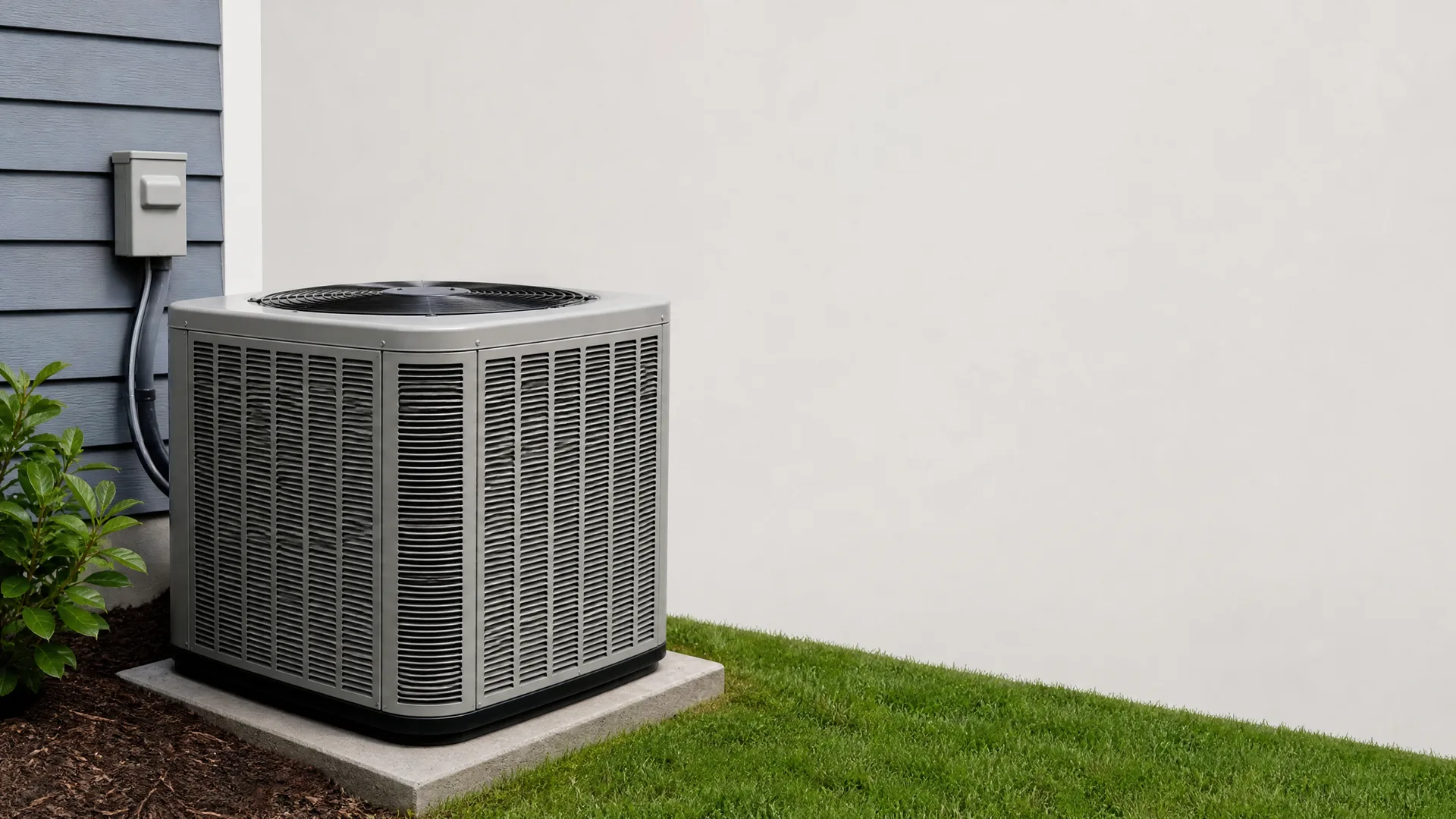
It sounds backward, but a warm day is often when this happens. Airflow across the coil is what keeps it from icing, and anything that blocks that airflow, a clogged filter, a closing vent, a failing blower motor, lets the coil get cold enough to freeze the moisture in the air passing over it. The heat outside has nothing to do with it. Once ice starts forming, it narrows the airflow path further, so the problem builds on itself until the system is shut off and the coil is allowed to thaw.
Low Refrigerant Does The Same Thing
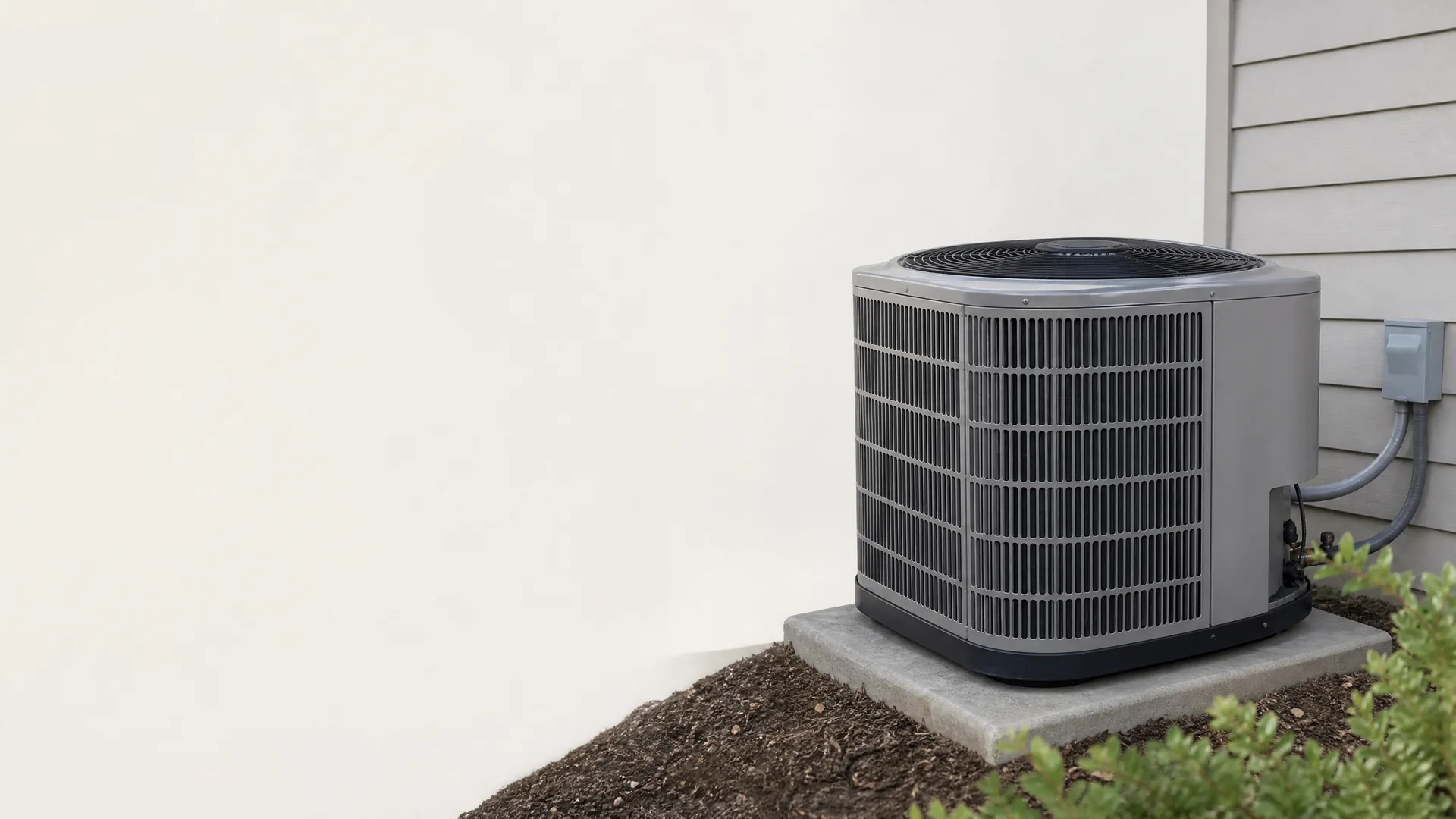
A coil also freezes when it has less refrigerant than it needs. With a low charge, the refrigerant inside the coil drops below freezing and ice forms on the line even though the air around it is warm. This usually points to a leak somewhere in the system, since refrigerant doesn't get used up on its own. A unit that's frozen more than once in a season, especially without a dirty filter or closed vents to explain it, is likely losing refrigerant and needs a line checked for a leak.
What does a frozen AC unit look like at your house
You might notice the air from your vents has gone weak or turned warm, even though the thermostat still shows the system running. Outside, there's ice on the copper lines or visible frost on the coil inside the air handler. Sometimes water shows up on the floor near the indoor unit once that ice starts to melt. The system may run longer than usual trying to cool the house, which shows up on your power bill. If it keeps running iced over, the compressor is working against a blocked coil, and that can shorten its life or lead to a repair bigger than the one you have now.


A pro who works on air conditioners
A coil does not clear itself twice. If the ice has come back after you shut the system off and let it thaw, something is still blocking airflow or holding back refrigerant, and running the AC again just rebuilds the ice on top of whatever caused it. That cycle wears on the compressor, and a compressor that keeps starting against a frozen coil is the expensive part to replace. Los Angeles summers put real hours on these systems through October, and a unit that is icing up now will keep doing it on the next warm afternoon unless someone finds the actual cause, whether that is a filter, a failing motor, or a refrigerant leak. A licensed contractor can check the coil, the airflow, and the charge in one visit and tell you which one it is. Sending the request now means that visit gets scheduled while you go on with your day, instead of you tracking down a contractor on your own while the system sits off and the house gets warm.
The coil freezes from the inside out. Refrigerant runs through it at a temperature well below freezing, and as long as warm house air keeps moving across the fins, that cold stays inside the metal. Cut the airflow, and the coil surface drops to the air's dew point, then below it, and moisture in the air starts collecting as frost instead of condensation. Once a patch of frost forms, it blocks more airflow right at that spot, so the frost spreads to cover more coil, which blocks more air still. That is why a unit can look fine in the morning and be solid with ice by afternoon. The compressor keeps pumping refrigerant through a coil that can no longer give up its cold to the air, so the line running back to it stays wet with ice too. A low refrigerant charge does the same thing from a different angle: less refrigerant means it has to drop colder to do the same cooling work, and that colder coil ices even with decent airflow.


Cooling runs June through September
Four months of real heat is enough for a struggling system to show its weaknesses, and June through September is when a coil with poor airflow is most likely to ice over on you. A unit that freezes once in that stretch will likely do it again before fall.
NOAA nClimDiv 1991-2020

A frozen coil is a sign, not the problem itself
Ice on the line or coil means something upstream is off, whether that's airflow, refrigerant, or a part that's failing. Thawing it out gets the system running again for a while, but it doesn't change what caused the ice in the first place. If it formed once this summer, the same conditions are still there waiting for the next hot afternoon.
A licensed contractor can look at the airflow, the charge, and the parts that control both, and tell you which one is behind it. Once you send in your information, you're not the one who has to track that down or figure out who to call next. A contractor who takes on jobs like yours gets your details and reaches out, and from there it's their job to find what's wrong, not yours.


Air Conditioner Repair
Get your air conditioner to the right pro

- Your request goes to a Los Angeles County pro who takes air conditioner jobs.
- Get matched with a pro who fixes air conditioners in Los Angeles County.

- After you send the request, you're done searching.
- Send the request today and stop worrying about who to call.

- Explain the air conditioner problem once instead of to every shop in Los Angeles County.
- Skip calling shops to ask who repairs air conditioners in Los Angeles County.

- A licensed pro who works in Los Angeles County gets your request.
- A licensed pro who repairs air conditioners in Los Angeles County gets your request.