Is a heat pump enough for winter in Oakland, CA

Your request goes to an Alameda County pro who takes heat pump jobs.

Get matched

Is a heat pump enough for winter in Oakland?

Winters here don't get hard, but you still want to know your heat pump isn't going to leave you cold on the few nights that actually drop. You've maybe heard that heat pumps struggle once it's cold out, and that's a fair thing to wonder about before you count on one through December and January.

Yes, a heat pump keeps up with winter here

A heat pump works by moving heat from the outside air into your house, and it loses some capacity as the air outside gets colder. In Alameda County, winter nights mostly stay in the 40s, with cold snaps dipping into the 30s. That's well within the range a heat pump handles without strain. There's no stretch of deep freeze here that would push one past what it can do. Most homes in the area heat with gas, so a heat pump is often the less familiar choice, not because it falls short, but because it hasn't been the local habit. For the winters Oakland actually gets, it's enough on its own.

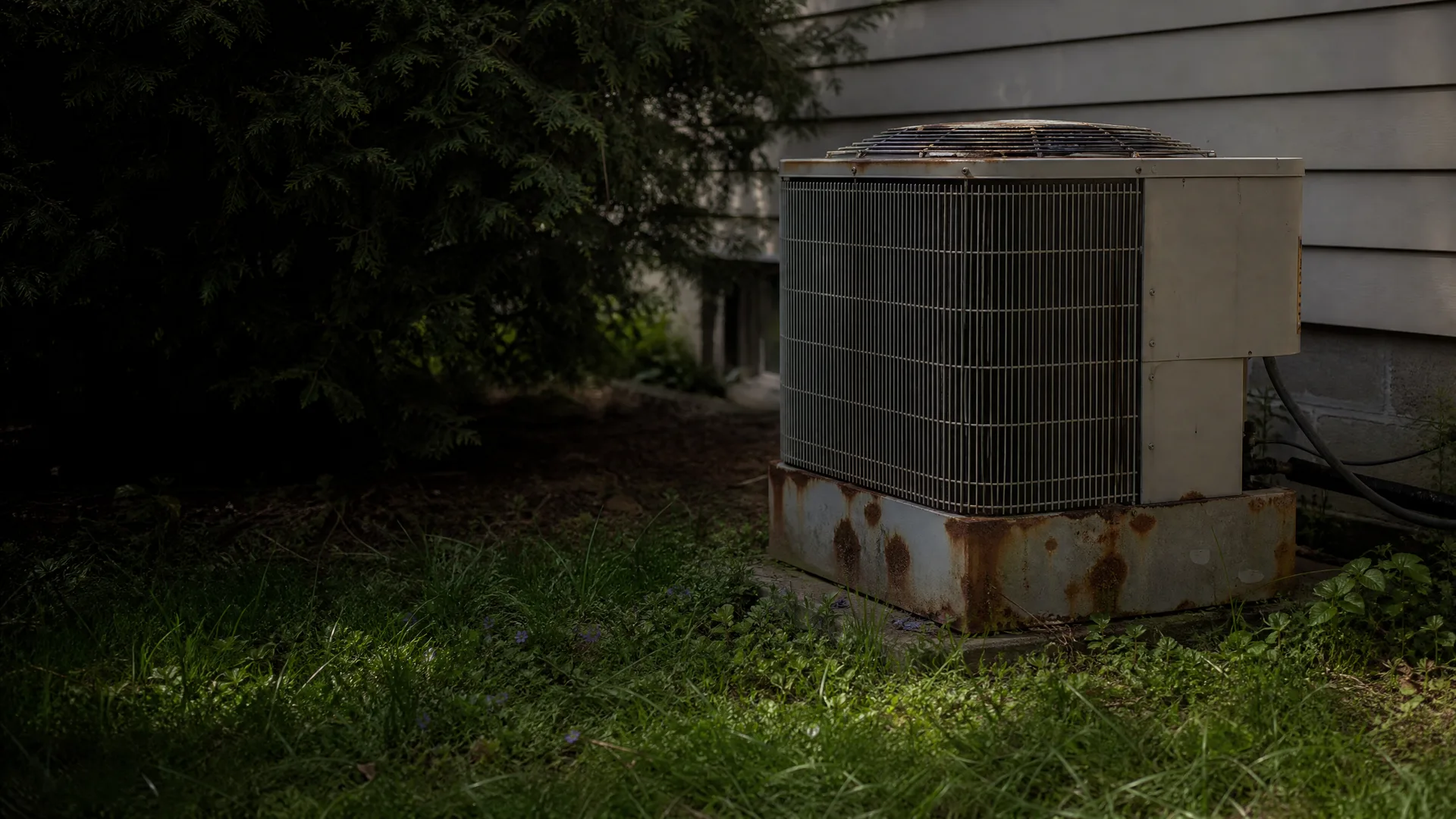
An outdoor air conditioner or heat pump condenser unit sits on a rusted concrete pad beside a house with horizontal siding, surrounded by grass and dark evergreen foliage.

You're out checking the yard on one of the first warm days in March, and you notice it: the side of the outdoor unit has a line of rust creeping up from the base. It's been sitting there through every rainy winter since it went in, and the ground next to it stays damp longer than the rest of the yard. You crouch down and press a finger to the metal. It's not just surface dust, it's flaking. You think back to the nights last month when the heat ran long and steady to keep the house at temperature, and wonder how much longer this one has in it before something inside gives out the way the base already has.

How cold does it actually get, and how long do you need heat?

  • Winter nights average 41°F

    Overnight lows average 41°F through December, January and February. That's well within the range a heat pump handles without trouble.

  • Heat runs November through April

    Heat runs November through April here. Six months a year your heat pump is the only thing standing between you and a cold house.

  • Cooling runs July through September

    Cooling runs July through September. The same unit that keeps you warm all winter is idle for most of the year, working just three months in summer.

NOAA nClimDiv 1991-2020

Why a heat pump covers it here

A heat pump loses capacity as the air outside gets colder, but Oakland rarely tests that. Overnight lows average 41°F through the coldest months, and that's a temperature a heat pump handles without leaning on backup heat. The unit isn't straining to pull warmth out of air that's near freezing or below. It's working in conditions well inside what it's built for. That's the whole case: the equipment doesn't have to be oversized or paired with a backup heat strip to get you through a winter here, because the winter itself doesn't ask much of it.


Where the gas furnace still wins

Most homes in Alameda County heat with gas, and a furnace burns fuel to make heat rather than moving heat from outside air, so it isn't affected by how cold it gets outdoors. On the coldest nights, a furnace will recover a cold house faster. Power here is also expensive, and depending on your gas rate, running a furnace on the handful of genuinely cold nights can cost less than running a heat pump through the same stretch. If your home already has gas heat and ductwork for it, that's worth weighing against switching over.

An older man with gray hair and a beard, wearing a dark jacket dusted with snow, stands smiling in a dimly lit hallway with lamps and a living room visible behind him.
A gray-haired, bearded man in a dark snow-dusted coat stands smiling in a dimly lit entry hall with a staircase, a lit table lamp, a framed picture, and a living room visible through a doorway.
An older man with white hair and a beard, wearing a dark snow-dusted coat and scarf, stands in a warmly lit interior hallway with a framed landscape picture, a table lamp and a potted plant behind him, and a snowy view through a window at left.
A gray-haired, bearded man in a dark coat dusted with snow stands smiling in a dimly lit room with a lamp, mirror, framed art, and a sofa in the background.

Get matched with a heat pump pro in Alameda County

Send the form and stop researching installers for the new heat pump.

It costs nothing to send, and you don't have to hire anyone.

How a heat pump makes heat

  • A heat pump moves heat from the outside air into the house instead of burning fuel to create it.
  • Below freezing, the outdoor coil can frost over, so the system runs a defrost cycle to clear it.
  • During defrost, the unit briefly reverses itself and may run a small backup heater to keep air from blowing cold.
  • Oakland's lows rarely get near freezing, so that defrost cycle runs far less than it would somewhere colder.
  • A thermostat set to a steady temperature lets the heat pump run longer at a lower output, which is how it's meant to work.
  • Backup heat strips exist mainly as insurance for a hard cold snap, not as part of the normal routine here.

A heat pump doesn't burn anything to make heat. It pulls heat out of the outside air, even cold air, and moves it inside through the same refrigerant cycle that runs an air conditioner, just in reverse. The outdoor coil is doing the work of absorbing that heat, and in cold, damp air, moisture collects on it and turns to frost. Once frost builds up, the coil can't pull heat as well, so the system stops heating for a few minutes, reverses the cycle, and sends warm refrigerant out to melt the frost off. That's the defrost cycle. Some systems run a small backup heater during those few minutes so the air coming out of the vents doesn't go cold while the outdoor coil is busy thawing. In a place where lows regularly sit in the 20s or teens, that cycle runs often, and the backup heat becomes part of the daily routine. Here, with winter lows averaging in the low 40s, frost on the coil is a rare event rather than a nightly one, so the system spends most of its time just moving heat, not pausing to defrost. Leaving the thermostat at one steady setting, rather than swinging it up and down, lets the heat pump run at a lower, steadier output for longer stretches, which is the way the equipment is designed to work. The backup heat strips are there for the rare hard freeze, not for a typical night.

A gray outdoor condenser unit sits on a concrete pad beside a house with horizontal lap siding, with a wall-mounted disconnect box and refrigerant lines, mulched beds and a shrub nearby, and a concrete walkway in the foreground.
A heat pump sitting clean on its pad, with clear ground around it and nothing blocking the coil, holds its output through a 41°F night.
An outdoor air conditioning condenser unit with dusty coils sits on a concrete pad against light horizontal siding, with an electrical disconnect box and refrigerant lines on the wall and a shrub and mulch at left.
Years of grime on the coil and a shrub pressing up against the cabinet make the unit work harder for the same heat, even on a mild night.

Picture a cold snap in January, the kind that drops into the high 30s overnight. If your heat pump is clean and clear, you won't notice anything except the house staying warm, maybe a little hum from the defrost cycle kicking on for a few minutes. If the coil is caked with grime or the unit is undersized for the house, you'll notice it differently: the air coming out of the vents feels cooler than usual, the system runs longer to reach the same setpoint, and your bill reflects that extra run time. Power here costs more than most places, so a system working harder than it should shows up fast on the statement. None of this is dramatic. Nobody wakes up to a cold house over an Oakland winter. But a heat pump that's maintained and sized right for your square footage costs less to run through those six months than one left to collect dust and sit too close to a fence or a wall. The difference is in the bill, not in whether you're warm.

An outdoor air conditioning condenser unit on a concrete pad beside a house with horizontal lap siding, with a green shrub to the left and a wide concrete slab in the foreground.
Before you get your heat pump installation
A gray outdoor condenser unit on a concrete pad beside a light-colored horizontal-siding house, with a disconnect box and refrigerant line on the wall, ornamental grasses and a shrub in mulch nearby, and a concrete patio in the foreground.
After you get your heat pump installation

What should you be noticing about your own heat pump

Walk past the outdoor unit and take a look. Is the coil covered in dust or leaves, or has something been stacked against it? Inside, when the heat runs on a cold morning, listen for it. A short hum every so often as the defrost cycle kicks on is normal. A long run that never seems to catch up, or air coming out barely warm, is not. Check the thermostat against how the house actually feels. If a room stays cold no matter how long the system runs, something is making the unit work harder than a 41°F night should require, and left alone that usually means higher bills and a shorter life for the unit, not a sudden breakdown.

  1. The thermostat calls for heat and starts the outdoor unit.

  2. The outdoor coil pulls heat out of the cold air.

  3. A compressor concentrates that heat to a usable temperature.

  4. The indoor coil releases the heat into air moving through the ducts.

A woman wrapped in a thick textured blanket sits on a sofa with an open book on her lap, beside a lit lamp and bookshelf, with a frost-patterned window behind her.
An older woman with short blond hair in a cream turtleneck sweater stands smiling and looking off-camera in a kitchen, with a loaf of bread, a lit candle, a window showing darkness outside, and wood cabinets behind her.

Power here costs 37.80 cents per kilowatt-hour

At 37.80 cents per kilowatt-hour, every bit of heat your system skips having to make is real money back in your pocket. This is exactly where a heat pump earns its keep here: since it stays efficient through Oakland's mild winters, you're not paying premium power rates to fight the cold.

EIA-861 2025

A woman stands in the open front doorway of a single-story house with a dark hipped roof and light siding, while a man in a navy jacket and cap is seen from behind in the foreground on the paved walkway.

So, is a heat pump enough for winter here

Yes. Oakland winters stay mild enough that a heat pump does the job without backup heat most nights, and the facts bear that out. The only thing that changes the answer is the unit itself. One that's clean, clear and sized right for your house will carry you through December and January without a complaint. One that's neglected, blocked, or wasn't matched to your home in the first place will struggle on nights it shouldn't have to.

If you're not sure which one describes your system, or you're weighing whether to replace an aging unit before next winter, that's worth sorting out now rather than on a cold night in January. A local contractor can look at what you have, tell you where it stands, and size anything new to your house and the way you use it. You don't have to figure out who to call. Send in what you're dealing with, and a contractor who covers Oakland and the rest of Alameda County will reach out and take it from there.

A living room corner with a beige sofa and cushion, a round wooden coffee table holding a pale ceramic vase of eucalyptus stems and a wooden bowl, and a curtained window with a potted plant above a latticed radiator cover in the background.
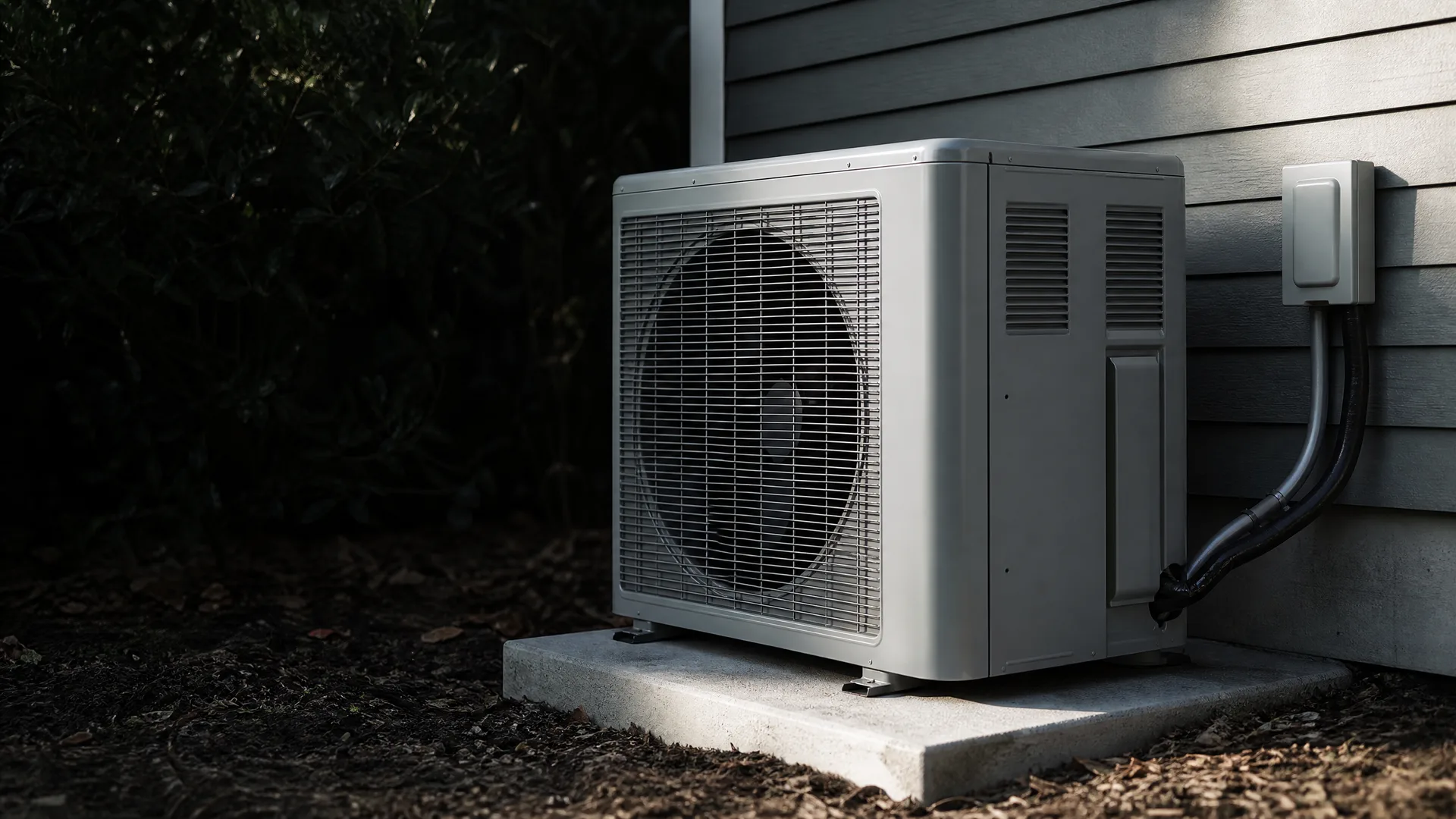
An outdoor air conditioning or heat pump condenser unit on a concrete pad beside a gray horizontal-sided house, with a disconnect box and conduit on the wall and dark shrubbery to the left.

Find a heat pump installation pro in Alameda County

New system or replacementHeat PumpAlameda County, CA
Step 1 of 2

What ZIP code is the job in?