Running right
Air comes out of the vents noticeably cold, and the house gets to temperature in the time it normally takes. The unit outside cycles off instead of running nonstop, and the coil behind the guard stays clean enough to see the fins.

You caught it early, before anything stopped working. The air still comes out, just not cold enough, and the system seems to run longer than it used to for the same result. California summers don't push equipment the way a humid climate does, so when something feels off, it's worth paying attention to rather than waiting it out.
Refrigerant doesn't get used up the way fuel does. If your AC is low, it's because it's leaking out somewhere in the line, and the signs follow from that. Air from the vents feels warm or barely cool, even though the system is running. Ice can form on the copper line outside or on the indoor coil, because the refrigerant pressure drops too low to absorb heat properly. A hissing or bubbling sound near the unit often points to the leak itself. The system may also run far longer than it should to reach the temperature you set, which raises your bill without raising comfort. None of these fix themselves, since the leak stays open until it's found and sealed.

Air comes out of the vents noticeably cold, and the house gets to temperature in the time it normally takes. The unit outside cycles off instead of running nonstop, and the coil behind the guard stays clean enough to see the fins.

This is where a refrigerant leak shows up before the thermostat does. The coil guard is caked with dirt and grime, which traps heat against the coil and makes a marginal charge fall further behind. Ice can form on the lines even while the house stays warm.




Refrigerant isn't a fuel that depletes with use. It circulates in a closed loop between the coil outside and the one in the air handler, and a system that's holding its charge keeps the same amount for years. If yours is low, it's not using it up, it's losing it through a hole or a loose fitting somewhere in that loop. That leak doesn't heal on its own, and it won't stay the same size. A system that's a little low now runs a little lower next month, which is why the house takes longer to cool as the summer goes on instead of staying steady.
The indoor coil needs a certain pressure to stay above freezing while it pulls heat out of the air. Drop the refrigerant enough and the coil runs too cold, and moisture in the air freezes onto it instead of draining away as condensate. Once ice builds up, the airflow that's supposed to pass through the fins gets blocked, so even less heat gets carried off. That's why a low system sometimes goes from weak cooling to no cooling at all over a few hot days, with ice visible on the line or the coil itself when the panel comes off.


Your air conditioner cools by changing refrigerant pressure, moving it between the coil outside and the one in your air handler. That cycle is how it pulls heat out of your house. Lose refrigerant through a leak and the pressure drops, and so does how much heat the coil can carry away. The evaporator coil runs colder than it's built to, cold enough that the moisture in the air freezes onto it instead of draining off like it should. Once ice forms, it blocks air from moving across the fins, and with less air crossing the coil, less heat transfers and the ice keeps building. The compressor doesn't know any of this is happening. It keeps running the same cycle, just moving less refrigerant each time, and it pulls more amps to do it. Over time, the oil that refrigerant carries back to the compressor runs short too, which is hard on the bearings and moving parts inside it. A technician won't guess at any of this from pressure alone, since a low system can still show a reading that looks normal. They check pressure against temperature at the service valves to see what's really going on.


A low charge in a California summer doesn't force your hand the way a dead system does. The air keeps moving, the house still cools down, just slower, and it's easy to let that go another month, then another. Meanwhile the compressor is working harder for the same result, and on a power bill already among the highest in the country, that shows up. A leak that's small today doesn't seal itself. It stays open, the charge keeps dropping, and the coil runs colder and iced over more often until the compressor is under real strain. A technician can check the pressures and find the leak before that happens, and find it faster than you can by watching vents and runtimes. If what you're seeing above matches what's happening at your house, that's worth having someone look at now rather than once it stops cooling altogether.

The thermostat says 72 and the house feels more like 76. You find yourself bumping the temperature down a couple degrees just to get comfortable, then forgetting to bump it back up. The vents still blow air, so nothing seems broken, it just takes longer to feel right. A room that used to cool off before you finished making dinner now takes most of the evening.
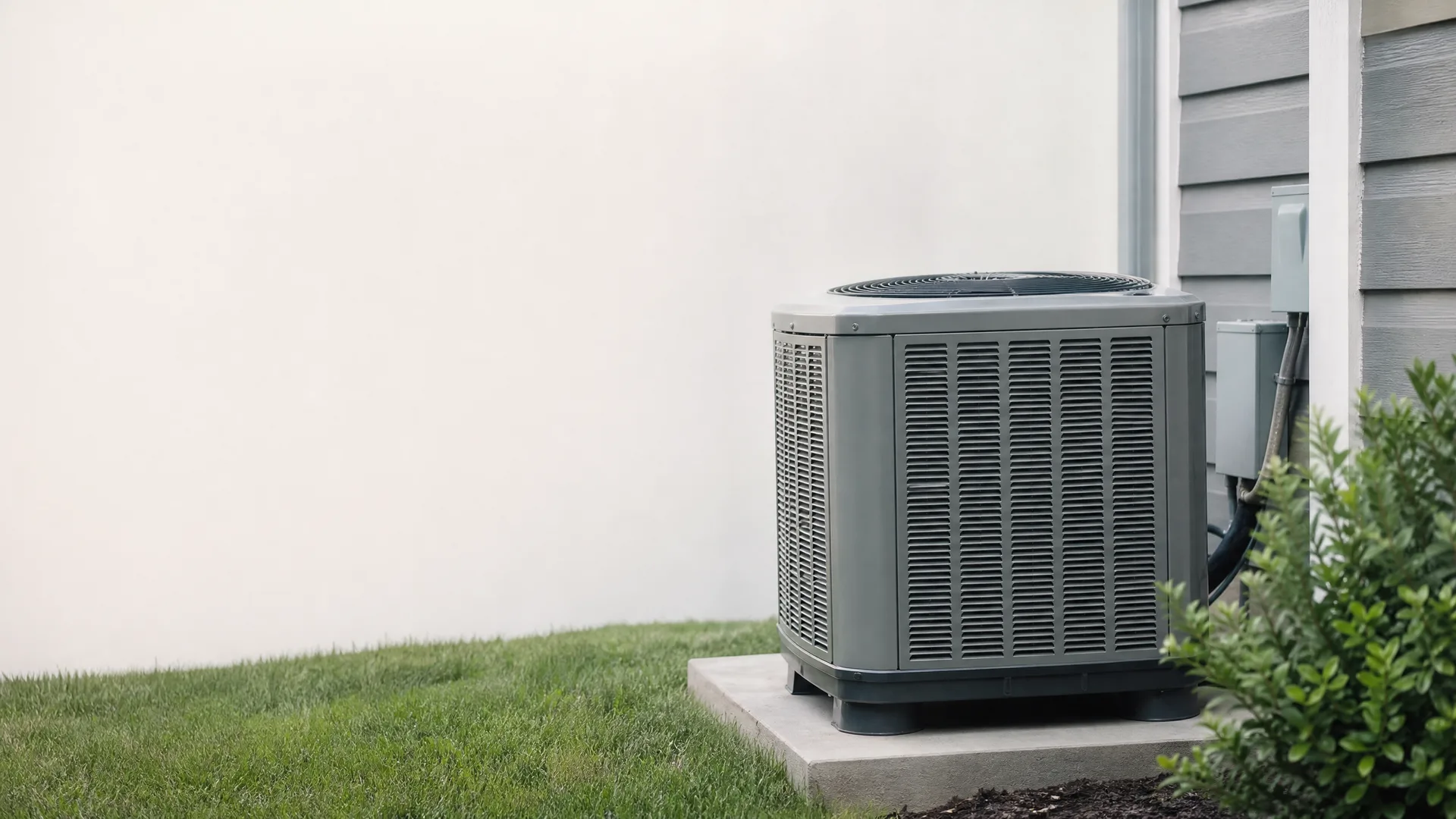
A system low on refrigerant runs longer to move the same amount of heat out of your house, and in California that extra runtime shows up on the bill fast. You're paying for the electricity to run a compressor that isn't accomplishing as much per hour as it used to. The strain doesn't stay contained to summer either, since a unit that's been running long and hard tends to need more repairs sooner than one that hasn't.
You check a room and it's close but not quite there, even after the thermostat's had plenty of time to hit its number. The outdoor unit is still running when you walk by later than you'd expect. Maybe you've noticed a hiss near the line set, or a patch of frost on the copper line or the coil itself if you've pulled the access panel. Your power bill has crept up without a clear reason, since a low charge makes the compressor work longer to move the same amount of heat out of the house. None of this stops the system from running. Left alone, though, a slow leak tends to get slower charge and harder on the compressor over time.



California air doesn't carry much moisture even in July and August. The summer dew point here averages 50°F, according to NOAA climate data, which is dry enough that the air itself feels light even when the temperature climbs. That matters for a system low on refrigerant because dry air hides the problem longer. Your coil isn't fighting heavy, humid air to begin with, so the drop in cooling shows up as the house running a degree or two warm rather than feeling sticky or close. You won't get the muggy tell that homeowners in wetter states notice first. Here, the only clue is that the house takes longer to cool and never quite gets there.
NASA POWER T2MDEW county cells weighted by homes
Refrigerant leaks out slowly through a joint, valve, or worn coil.
The system keeps circulating a smaller charge than it needs.
Pressure drops, so the evaporator coil runs colder than normal.
Low pressure lets moisture on the coil freeze instead of drain.
At 31.35 cents per kilowatt-hour, every extra hour your compressor runs to make up for lost refrigerant shows up on the bill fast. A system low on charge working overtime all summer costs real money before it ever quits outright.
EIA-861 2025 statewide residential average
The signs are the same ones you started with: weaker cold air, longer run times, a system that works harder for less. None of that needs a guess once you've seen it, and it doesn't get better by waiting through another hot month. A low charge only comes back up by having someone find the leak, fix it, and recharge the system properly. Once you send the form, you're done hunting for who to call or whether the person you found is any good. That part gets handled. You go back to your day and let the house get cold again.





One request and the search for a pro is handled.
No fee to send it, and nothing to sign.