





Side profile of a bearded man wearing a dark brown baseball cap and a dark gray t-shirt against a plain light background.

AC can't keep up on hot days in Los Angeles, CA

RepairCentral ACLos Angeles County, CA
Step 1 of 2

What ZIP code is the job in?

Why can't my AC keep up when it's really hot out?

A system that cools the house fine most days but loses ground when the temperature really climbs is a familiar complaint once the Los Angeles area gets into a real heat stretch. You're not imagining it, and it's not always a sign the unit is broken. There's a reason a system that works all summer suddenly can't hold the line on the hottest afternoons.

It's sized for a typical day, not the hottest one

Your air conditioner is sized to handle typical Los Angeles heat, not the extremes. On a 90 degree day it can keep the house at a comfortable temperature without much trouble. Push that to 105 and the unit has to run constantly just to keep up, because the gap between the outdoor temperature and the indoor target it has to hit gets much wider. That's normal operation for a correctly sized system under unusual strain, not necessarily a failure. But if the house still won't cool down even after the heat breaks, or the system struggles on days that aren't especially extreme, something is working harder than it should, like a low refrigerant charge or a coil that can't shed heat properly.

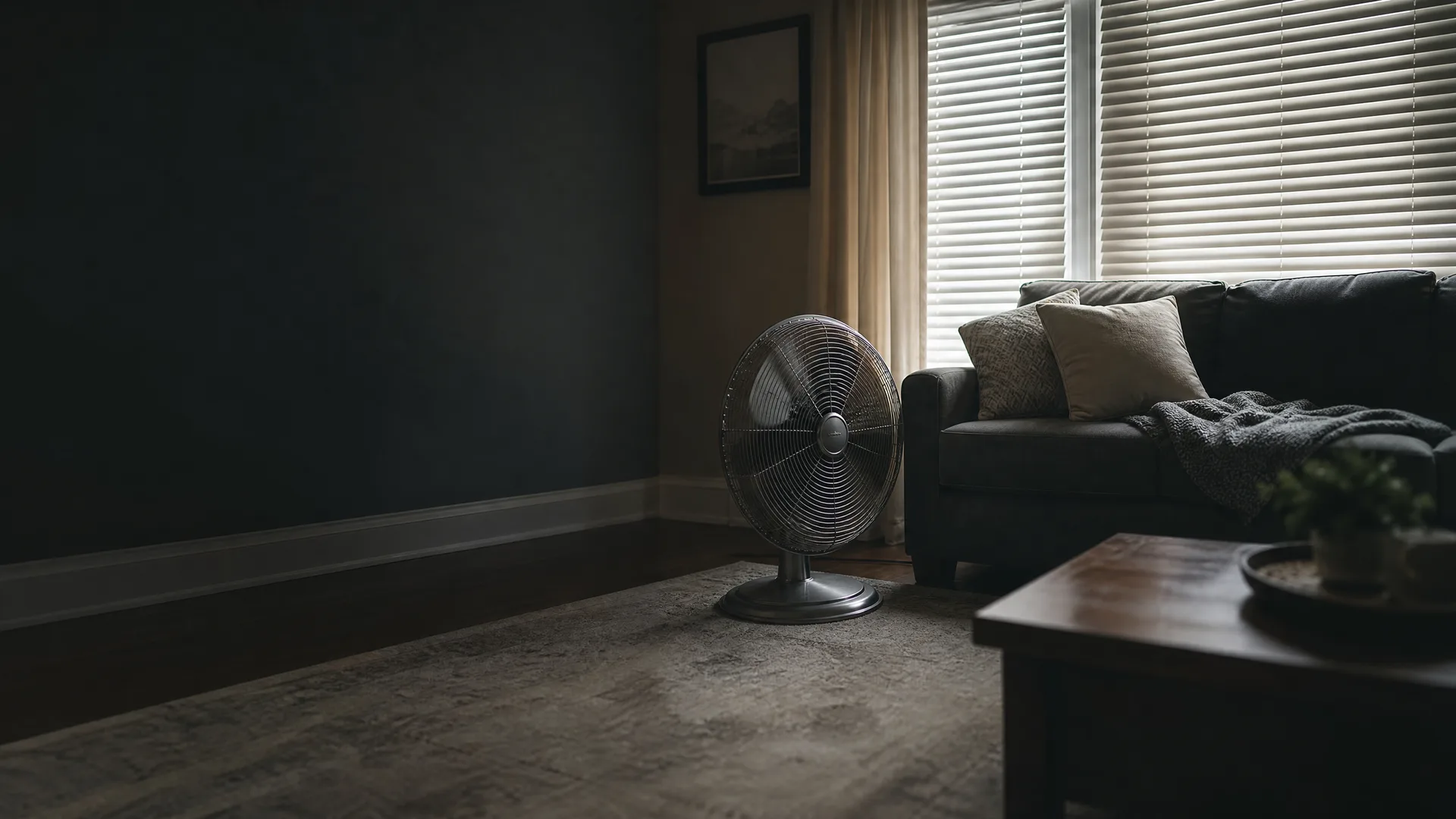
A dimly lit living room with a table fan on a patterned rug, a dark sofa with cushions and a blanket beside blinded windows, a framed picture on the wall, and a wooden coffee table with a potted plant in the foreground.

It's past two now and the blinds have been shut since noon. The fan next to the couch is on its highest setting, turning its head back and forth, and you've angled yourself right into its path. The thermostat says seventy-eight. You bumped it down an hour ago and it hasn't moved since. Outside, the light coming through the edges of the blinds has that flat, bright look it gets on the hottest days, the kind where the hills lose their color by afternoon. You can hear the condenser running out back, steady, not struggling exactly, just not getting anywhere. The dog's stretched out on the tile by the kitchen instead of his bed. Nobody's said anything about it yet, but everyone's picked a spot near the fan.

Is my AC actually struggling, or is this normal?

You'll notice it room by room. The bedrooms at the far end of the house stay a few degrees warmer than the one closest to the thermostat. The air coming out of the vents feels less cold than it did in the spring. The system runs long stretches without shutting off, and you can hear it working, especially in the afternoon when the sun's been on the roof for hours. Sometimes it catches up after sunset, sometimes it doesn't catch up until the next morning. If this goes on through a whole stretch of hot days, the system is working harder than it's built to sustain, and that strain is usually what leads to a part failing outright instead of just falling behind.

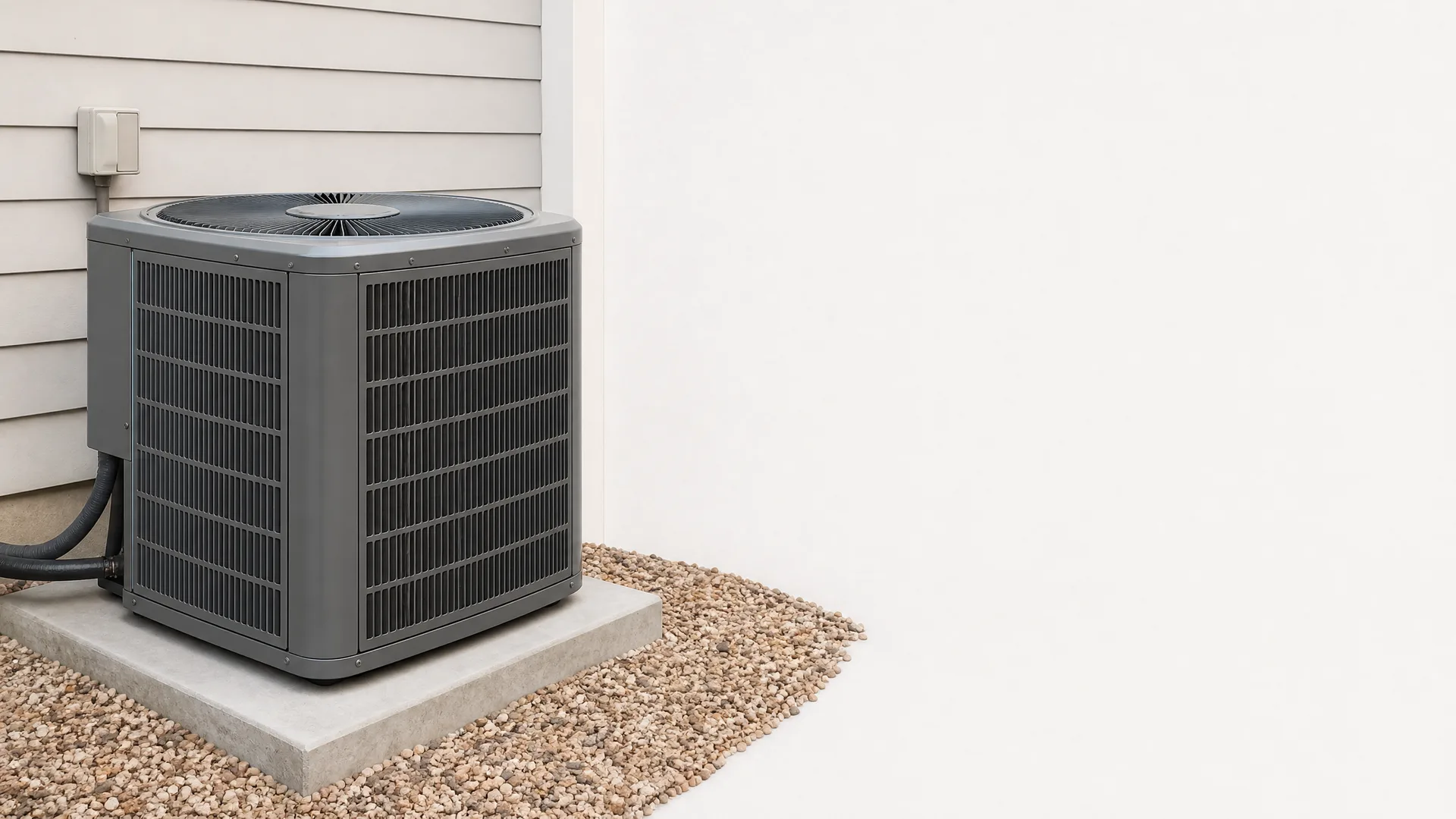
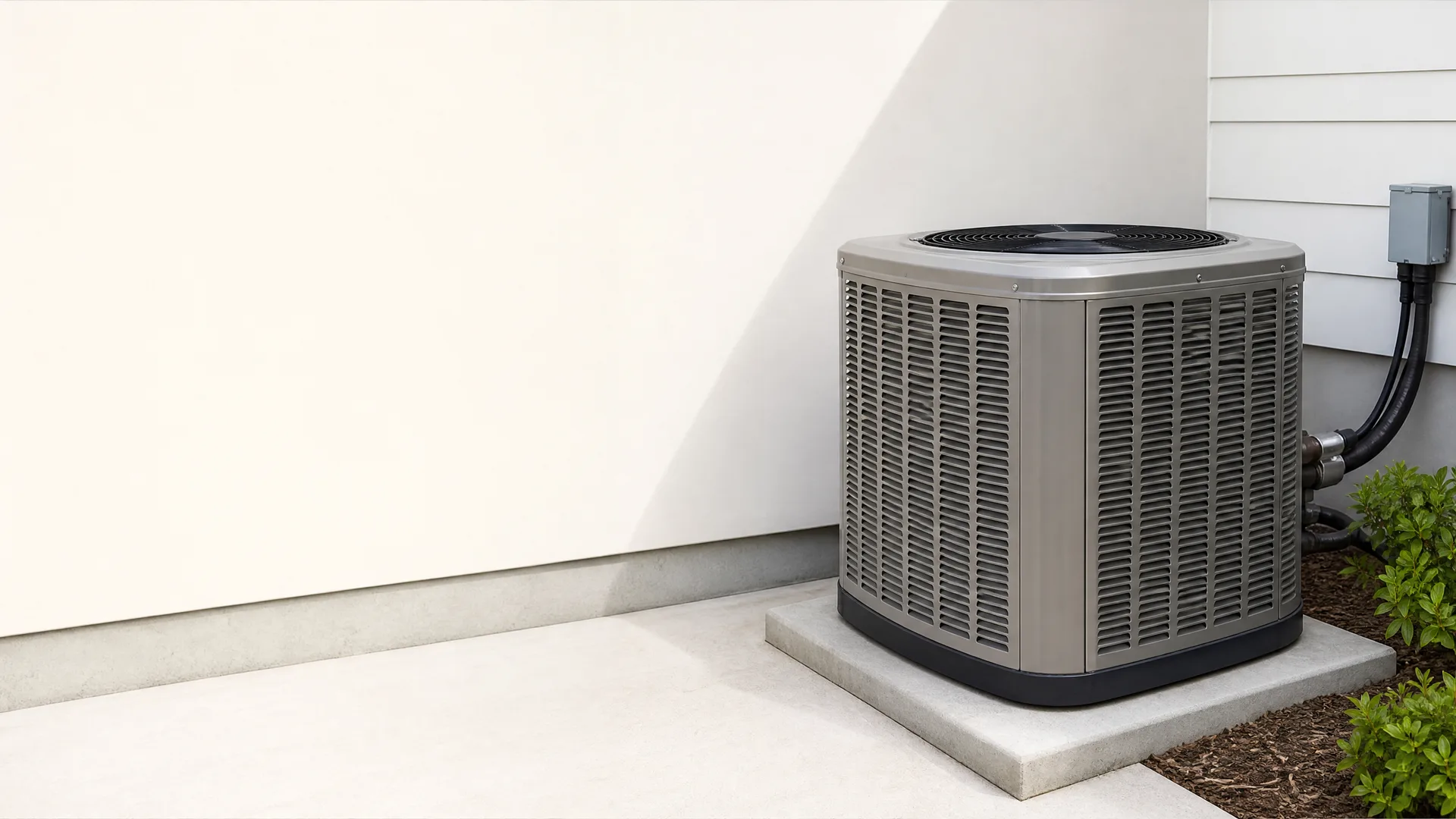
A gray outdoor air conditioner condenser unit on a concrete pad beside a house with horizontal siding, surrounded by gravel, with a plain light wall at right.

Why the heat itself is the load

An air conditioner moves heat out of your house into the air outside. The hotter it is outside, the harder that trade gets, because the system is pushing heat into air that's already closer to the temperature it's trying to dump into. On a seventy degree evening that exchange is easy work. At ninety-five, the same unit is fighting a much smaller gap, and the house starts gaining heat faster than the system can remove it.

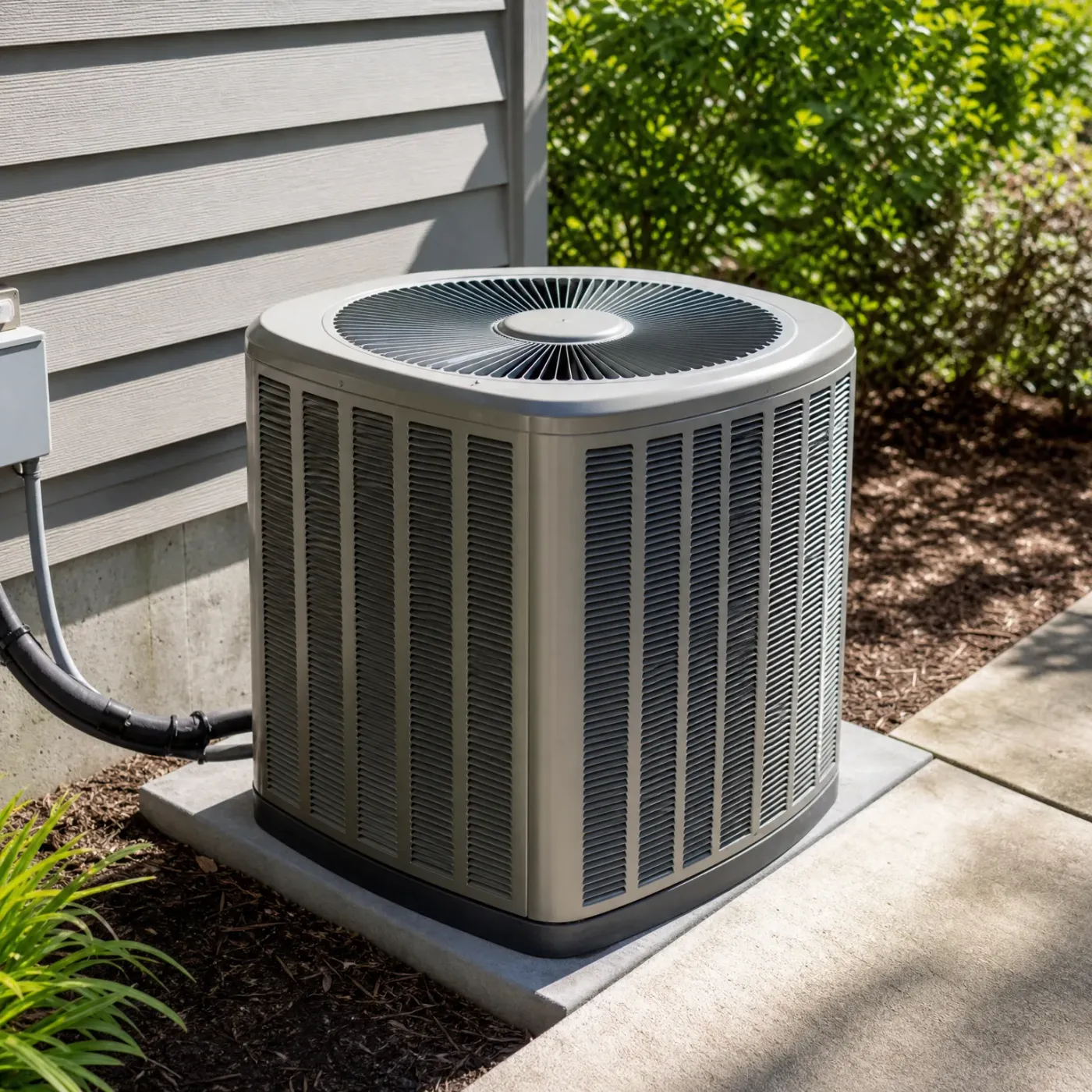
An outdoor air conditioning condenser unit on a concrete pad beside a light-colored stucco and siding wall, with a conduit disconnect box and a green shrub to the right.

What the rating on the box means

Every central air conditioner is sized for a certain cooling output, measured in tons or BTUs, and that number is fixed. It doesn't grow on the hottest day of the year. A system sized right for a seventy-five degree afternoon is still the same size at one hundred five. When a heat wave pushes well past what's typical for the area, a correctly working unit can run its full capacity and still lose ground, because the house is asking for more cooling than the equipment was ever built to deliver.

A kitchen with green cabinets and a dark countertop holding potted plants, a wooden bowl and cutting board, with a closed laptop, ceramic mug, and glass vase of greenery on a rustic wooden table in the foreground.

What's actually happening inside the unit

The compressor outside is the part doing the work, and heat is what it fights. Refrigerant comes back from the house warm, the compressor squeezes it until it's hotter than the outdoor air, and the condenser coil dumps that heat outside. On a hundred degree day, the gap between the refrigerant and the air shrinks, so the coil can't shed heat as fast. The compressor runs longer to do the same job, and if the coil is dirty or the charge is low to start with, it runs long and still falls short. That's the point where a system that seemed fine starts losing ground.

Figuring out which of those it is, dirty coil, low charge, a compressor on its way out, takes someone who checks pressures and airflow rather than guessing. Finding that person usually means calling around, explaining the same symptoms more than once, and sorting through quotes that don't say the same thing. A contractor matched to your address through this page is licensed, works in Los Angeles County on this kind of system regularly, and is the one call, not three.

A light gray sofa with gray and beige textured throw pillows and a cream knit blanket beside a white-framed window, with a small round side table holding a ceramic vase and potted greenery.
A gray-haired bearded man in a dark green sweater sits on a light sofa indoors, looking to the side, with a houseplant, framed picture, table lamp and sunlit window behind him.
A middle-aged man in a dark denim shirt sits on a light beige sofa in a living room with wooden shelving and a potted plant, looking off to the side.
A gray-haired man in a dark navy sweater sits on a light sofa in a living room, looking toward a sunlit window with a houseplant and wooden cabinet behind him.
A man with greying hair in a dark green sweater sits on a light sofa in a sunlit living room, looking off to the side, with a large window, table lamp, framed art and white built-in shelves behind him.

One form, no calling around

A system that's been losing ground for a few days of real heat usually has a cause behind it, not just the weather. Low refrigerant, a dirty condenser coil, a capacitor on its way out, a compressor working harder than it should. Figuring out which one takes someone who actually looks at the unit, and in a heat stretch like this, the last thing you want is to spend an afternoon calling around Los Angeles, explaining the same thing to a handful of companies, and waiting on quotes while the house stays warm. A contractor local to this area sees this exact complaint every time the temperature climbs and knows where to look first. Your request goes to one licensed contractor who works on this equipment around here, not a handful of them competing for your callback. That's one call to make, one visit to schedule, while the heat outside keeps asking more of a system that's already behind.

The heat clears and it keeps up

If your AC catches up fine once the temperature drops back into the eighties overnight, or the next cooler day, the system itself is probably sound. It's being asked to move more heat than it was sized for during the worst hours of a heat stretch, and once that load eases off, it closes the gap like normal. This is common in Los Angeles County during a hot spell and doesn't necessarily point to a failing part. Keep an eye on how it behaves on an ordinary warm day. If it cools the house without trouble then, the strain you saw was the heat, not the equipment.


It stays behind even after it cools off

If the house still hasn't caught up the next morning, or the system runs constantly without ever getting the thermostat to the number you set no matter the outdoor temperature, that's different from a unit losing ground during the hottest part of the day. A healthy system recovers once the heat breaks. One that doesn't is telling you something is wrong with it, whether that's the refrigerant charge, the condenser coil, or a part like the capacitor wearing out. That kind of lag doesn't go away on its own once the weather cools, and it tends to show up again the next time it gets hot.

An outdoor air conditioning condenser unit on a concrete pad beside a house with horizontal lap siding, with an electrical disconnect box and conduit on the wall, mulch and a green shrub to the right, and a concrete walkway in the foreground.
Before you get your air conditioner repair
A gray outdoor air conditioner condenser unit on a concrete pad beside a house with horizontal siding and a stucco foundation, with a disconnect box and conduit on the wall, decorative gravel, mulch, and a shrub nearby.
After you get your air conditioner repair

Before

You're watching the thermostat, shutting blinds, running fans, waiting out the heat, and still not sure what's actually wrong with the system.

Find a local pro

After

A local contractor who works on these systems all summer has found the cause and fixed it, and the house cools the way it's supposed to again.

Find a local pro

Cooling runs June through September

Four months a year, your AC has to work. The rest of the year it barely runs, so a weak point can sit there unnoticed until a real heat stretch finds it. That's usually when a system that was fine in May starts falling behind in August.

NOAA nClimDiv 1991-2020

A gray outdoor air conditioner condenser unit on a concrete pad beside a house with horizontal lap siding, with a flowering shrub at left and a disconnect box with conduit on the wall at right.

Running the way it should

A condenser like this, clean, clear of debris, sitting level on its pad, moves heat out of the house the way it was built to. The conduit feeding it is intact and the area around it is open. Nothing is blocking the airflow it needs to do that job.

An outdoor air conditioner condenser unit on a concrete pad beside a house with light horizontal vinyl siding, surrounded by bare dirt, gravel and dry leaves, with refrigerant lines and conduit running along the wall.

Falling behind

Leaves and dirt packed around the base block the airflow the condenser needs to release heat. Lines running along the wall show their age. A unit in this shape can still run, but on the hottest days it loses the fight it used to win.

Finding Help vs. Getting Matched

Call around yourself

  • You're searching, reading reviews, and calling two or three companies to see who answers first.
  • Each one asks you to describe the problem from scratch, and you're guessing at symptoms you haven't diagnosed.
  • Quotes come back at different times, in different formats, for work that may not even be the same fix.
  • You have no way to know which contractor actually knows the equipment in your house until they're standing in front of it.
  • Multiple companies calling back means you're fielding calls for days instead of getting the system fixed.

Get matched here

  • One request goes out, and a licensed local contractor follows up, not a handful of companies competing for the job.
  • Someone who works on these systems all summer in this climate has likely seen your exact failure before.
  • You explain the problem once, to the person who's actually going to look at the unit.
  • A contractor working jobs across the Los Angeles area in July and August knows what a system losing ground in a heat stretch usually means.
  • You're not sorting through competing quotes, you're talking to the person who'll do the work.
A gray outdoor air conditioner condenser unit on a concrete pad beside a house with dark horizontal siding and a stone base, surrounded by gravel, with a flowering shrub at left and a concrete walkway in front.
The fins are clean and the coil sits in the open, so it can shed heat into the yard instead of fighting to.
An outdoor air conditioner condenser unit sits on a concrete pad beside a stucco wall, with refrigerant lines and conduit running to the wall and a shrub to the left.
Grime packed into the fins and a coil crowded against the wall trap the heat the system is trying to get rid of.
A middle-aged woman with shoulder-length graying brown hair, wearing a gray cardigan over a cream top, sits in a light upholstered armchair and looks off to the side, with a window, houseplant and framed artwork behind her.
A woman with her hair in a bun holds a sleeping child against her chest, both wrapped in a grey knit blanket on a sofa in a dimly lit room with a lamp and houseplant behind them.
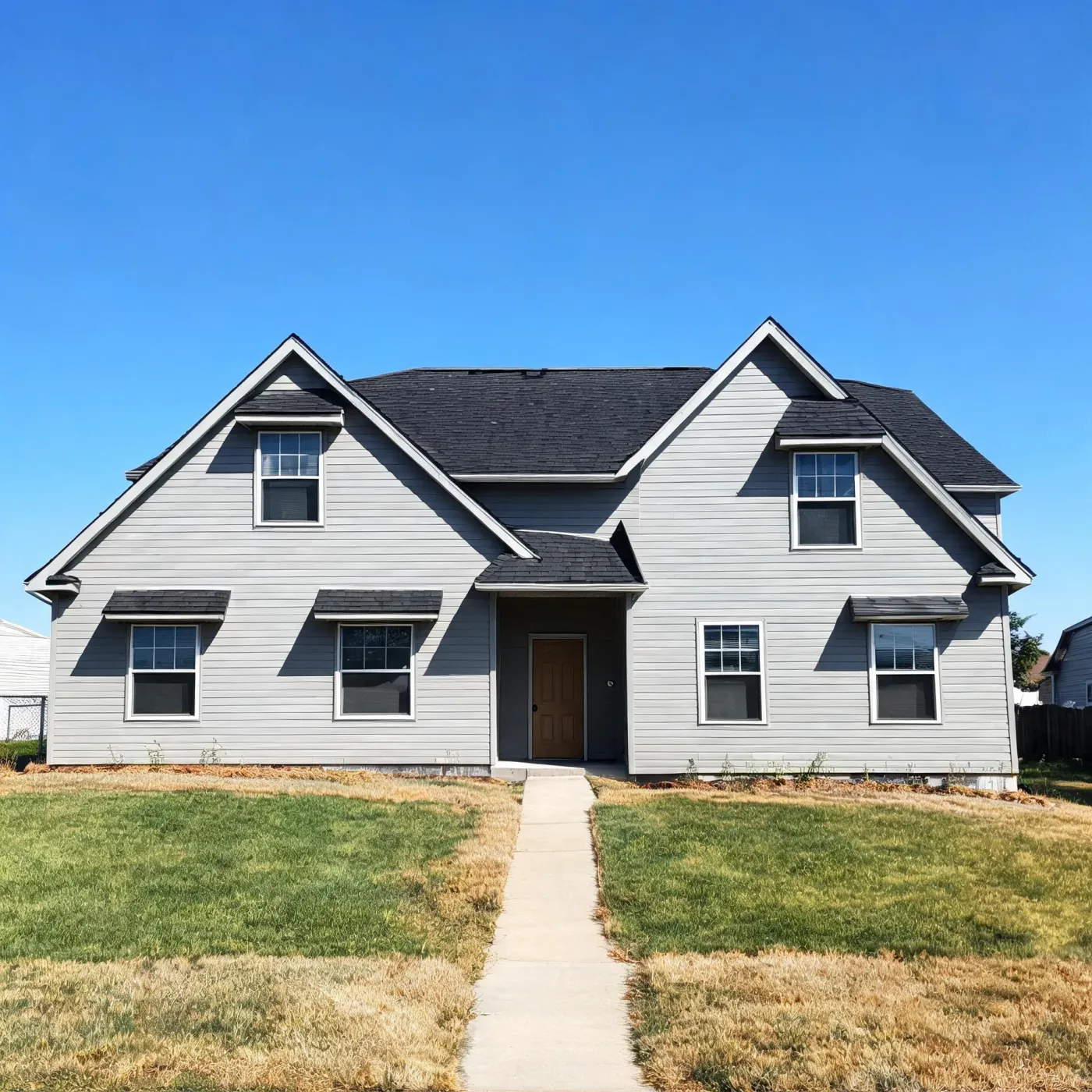
A two-story gray horizontal-siding house with dark shingled gable roofs, a brown front door, and a concrete walkway crossing a patchy green and dry lawn under a clear blue sky.

The National Weather Service puts the average summer dew point across Los Angeles County at 52°F, which is low. Dry air like that pulls moisture out of your house with hardly any effort from your AC, so the system can spend nearly all its work just dropping the temperature. That's part of why it can cool the house to a comfortable number on the thermostat and still feel like it's not keeping up on the hottest days. The strain you're feeling isn't humidity sitting in the rooms. It's the heat itself, and a system that's already stretched thin has less room to spare when a real hot stretch hits.

NASA POWER T2MDEW

A system that falls behind on the hottest days usually has a real cause, something a contractor can find and fix rather than something you just have to wait out until September. Once it's found, whether that's a low charge, a coil that needs cleaning, or a capacitor that's about to go, your AC can hold the line the next time the temperature climbs instead of losing ground again. The contractor who takes this on works on these systems all over Los Angeles County every summer, and knows what tends to fail when a system is pushed this hard in this kind of heat. It's one contractor assigned to your job, not a handful of companies competing for the call, so you're not explaining the same problem over and over or sorting through quotes that don't match. You get someone who already knows what to check first, looking at your system, in your house, with the heat you're actually dealing with in mind.

An outdoor air conditioner condenser unit on a concrete pad beside a house with horizontal lap siding, with a disconnect box and conduit on the wall, mulch and green shrubs nearby.

Explain it one time

Get a licensed local pro

The pro who gets in touch is licensed in California and works in Los Angeles County.

No fee to send it, and nothing to sign.