Two months of real heat
Ukiah runs its AC about two months a year, July and August, with afternoon highs averaging around 81°F. That's a short, mild stretch next to what units run in hotter parts of the state.
Takes about a minute. No obligation.
Ukiah runs its AC about two months a year, July and August, with afternoon highs averaging around 81°F. That's a short, mild stretch next to what units run in hotter parts of the state.
A system that only works hard two months a year isn't usually worn out. When something breaks, it's more likely one failed part than a system run into the ground, which is why repair is worth looking at first.

NOAA nClimDiv, 1991–2020 normals
AC in Ukiah only has to carry the heat from July through August.
June is when a weak capacitor or low charge should get caught, before the first hot week finds it.




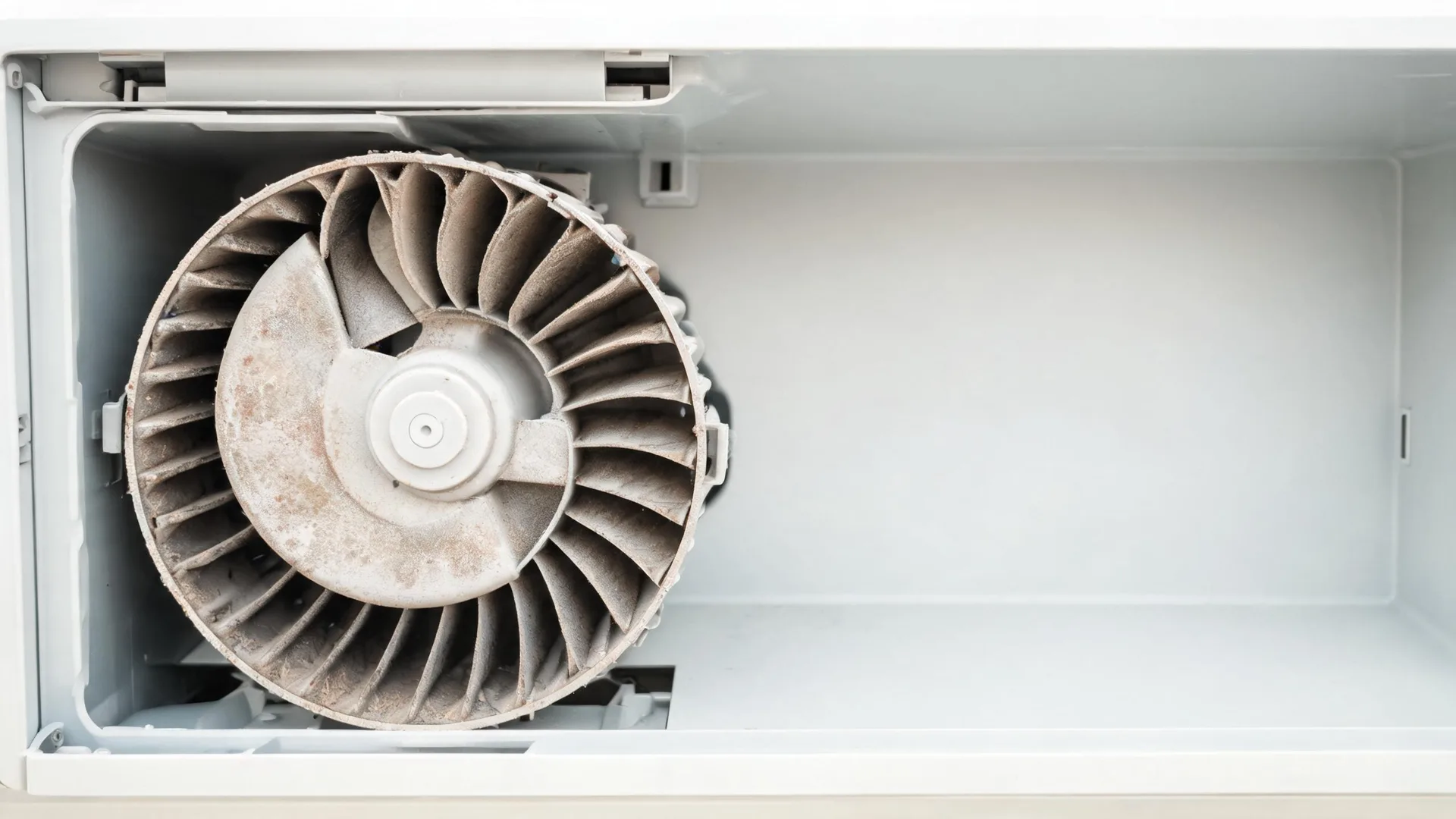
Warm air out of the vents is the one most people catch first. It usually means the system is low on refrigerant or the compressor is on its way out. A unit that turns on and off every few minutes, instead of running a full cycle, is short cycling, and that points to a clogged filter, a bad thermostat sensor, or a compressor struggling to start. Ice on the refrigerant line means airflow is restricted somewhere, often a dirty filter or a blower motor not moving enough air across the coil. A grinding or screeching sound is a motor bearing going bad, not something to wait out. If the air is on but the house isn't cooling down, the thermostat is doing its job and the unit underneath isn't.
It has an easier job here than in most places, so your air conditioner is often in decent shape. Repair is usually worth it.
Find a contractorStart with the filter. Pull it out and hold it to a light. If light barely gets through, airflow is restricted, and that alone can cause the warm air and the iced line already mentioned. Go outside next. If the fan isn't turning, or the unit is dead quiet when the thermostat calls for cooling, check the breaker. A tripped breaker looks exactly like a failed unit from inside the house. While you're out there, look at the coil through the fins. Leaves, grass clippings or cottonwood fluff packed against it will choke airflow the same way a dirty filter does. Back inside, check that the thermostat is set to cool and not just fan, and swap the batteries if it uses them. None of this fixes a failing compressor or a refrigerant leak. It just clears away the things a homeowner can see and rule out before anyone needs to open the unit up.
The capacitor gives the compressor and the fan motor the push they need to start. It weakens with age and heat, and when it goes, the unit might hum and not start at all, or the fan will spin slow. This is one of the most common reasons an AC quits outright.
The outdoor condenser coil has to shed heat to the air around it. When it's caked with dirt or packed with debris, the system can't dump that heat, so it runs longer, gets hotter, and puts more strain on the compressor. A compressor that overheats again and again is a compressor that eventually fails for good.
Estimates for a typical Mendocino County home, compared with an older unit built to the previous federal minimum, from EIA household energy data, California fuel prices and NOAA climate normals. Your home will differ.
Repair makes sense when a part like a capacitor or contactor has failed.
Replacement makes sense when the compressor has failed or the system uses R-22 refrigerant, which is no longer made.
A compressor failure is the one case where replacement usually makes more sense than repair. The compressor is sealed inside the outdoor unit and does the actual work of moving refrigerant through the system. When it fails, it's expensive to replace on its own, and an old unit rarely justifies that cost next to putting the money toward a new system. Smaller failures are a different story. A capacitor, a contactor, a fan motor, a low refrigerant charge from a small leak, these get fixed on their own all the time, and fixing them brings back a unit that has plenty of life left. The question worth asking isn't how old the unit is. It's which part failed, and what that part costs to replace next to a new system.